


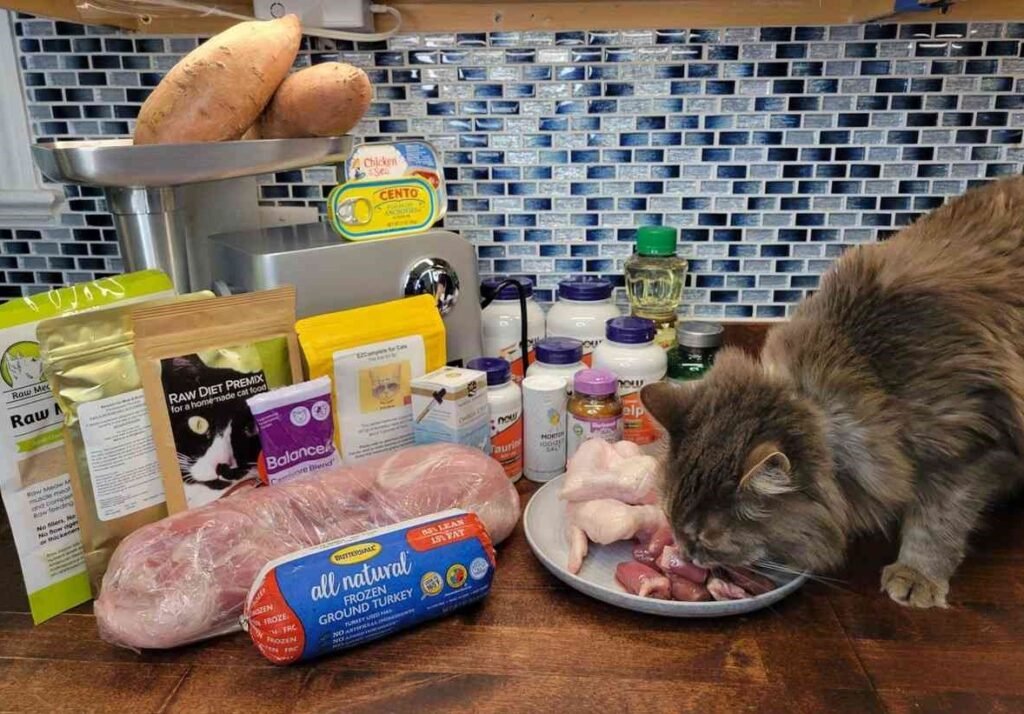


Are you looking for the best homemade food for your cat but don’t know where to start? Feeding your furry friend the right meals can make a big difference in their health and happiness.
You want something safe, tasty, and packed with the nutrients your cat needs. You’ll discover simple, delicious recipes that you can prepare at home. These meals will keep your cat energetic, shiny, and purring with joy. Keep reading to find out how you can give your cat the best homemade food without any guesswork.
Benefits Of Homemade Cat Food
Homemade cat food offers many benefits that improve your cat’s health. It lets you control what your cat eats every day. This way, you can be sure your cat gets the right nutrients. Homemade food can also avoid harmful ingredients found in some store-bought products. Plus, you can make meals that your cat loves. This helps keep your cat happy and healthy.
Improved Nutrition Control
Making cat food at home lets you choose fresh, quality ingredients. You can add the exact vitamins and minerals your cat needs. This helps keep your cat strong and active. You avoid fillers and low-quality items common in some commercial foods. Homemade meals support your cat’s unique health needs better.
Avoiding Harmful Ingredients
Some store foods contain artificial colors, flavors, or preservatives. These can harm your cat’s health over time. Homemade food avoids these chemicals. You control what goes into each meal. This reduces risks of allergies or stomach problems. Your cat eats clean and safe food every day.
Tailoring To Cat’s Preferences
Cats can be picky eaters. Homemade food allows you to adjust flavors and textures. You can try different meats, vegetables, and cooking methods. This helps find meals your cat enjoys the most. Happy eating means better nutrition and less food waste. Your cat stays satisfied and healthy.
Essential Nutrients For Cats
Cats need special nutrients to stay healthy and strong. Their bodies require certain foods that give energy and keep organs working well. Homemade cat food can meet these needs if it has the right balance of nutrients. Understanding these essentials helps create meals that keep cats happy and active.
Proteins And Amino Acids
Proteins are the building blocks for a cat’s body. Cats need high-quality protein from meat, fish, or poultry. These proteins provide amino acids, which help build muscles and repair tissues. Taurine is an important amino acid that cats cannot make on their own. Without enough taurine, cats can develop serious health problems.
Fats And Fatty Acids
Fats supply energy and help absorb vitamins. Cats need certain fats like omega-3 and omega-6 fatty acids. These fats support skin health, brain function, and reduce inflammation. Good sources include fish oil and animal fat. Too little fat can cause dry skin and dull fur.
Vitamins And Minerals
Vitamins and minerals keep a cat’s body balanced. Calcium and phosphorus build strong bones and teeth. Vitamin A supports vision and immunity. Cats also need B vitamins for energy and healthy nerves. Homemade food must include these nutrients in the right amounts to avoid deficiencies.
Safe Ingredients For Homemade Cat Food
Choosing safe ingredients is key to homemade cat food. Cats need specific nutrients to stay healthy. Some foods are perfect for cats, while others can harm them. Knowing which ingredients are safe helps you prepare meals that support your cat’s health and happiness.
Meats And Proteins
Cats need protein from meat for strong muscles and energy. Good choices include chicken, turkey, and lean beef. Fish like salmon and tuna work well, but avoid too much. Always cook meat fully to kill harmful bacteria. Avoid bones, as they can cause choking or damage.
Vegetables And Fruits
Some vegetables and fruits offer vitamins and fiber. Safe options include carrots, peas, and pumpkin. Small amounts of blueberries or apples (without seeds) are fine. Avoid onions, garlic, grapes, and raisins. These can be toxic and cause serious illness.
Grains And Supplements
Grains like rice and oats add energy and fiber. Use cooked grains in small portions. Cats may also need supplements for vitamins and minerals. Taurine is essential for heart and eye health. Talk to a vet before adding any supplements to your cat’s diet.

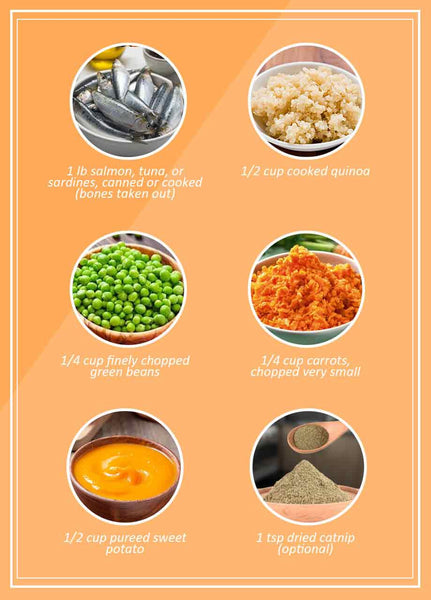
Credit: www.cholsamaj.com
Ingredients To Avoid
Making homemade food for cats means choosing the right ingredients. Some foods can harm cats and cause sickness. Knowing which ingredients to avoid helps keep cats safe and healthy. Cats have different needs than humans. Certain foods and additives can be dangerous or toxic for them. Avoiding these ingredients is important for their well-being.
Toxic Foods For Cats
Many common foods are toxic to cats. Onions and garlic can damage a cat’s red blood cells. Chocolate contains substances that cats cannot digest. Grapes and raisins can cause kidney failure. Avoid giving cats raw dough with yeast. Alcohol is extremely harmful and can cause poisoning. Always keep these foods out of reach.
Harmful Additives And Spices
Some spices and additives are unsafe for cats. Salt in high amounts can lead to salt poisoning. Artificial sweeteners like xylitol are very toxic. Avoid seasoning cat food with pepper or chili. Cats are sensitive to many herbs and spices. Preservatives and flavor enhancers may upset their stomach. Use plain, natural ingredients for homemade meals.
Easy Homemade Cat Food Recipes
Easy homemade cat food recipes offer a safe, fresh option for your pet. These meals use simple ingredients found in most kitchens. Preparing food at home helps control what your cat eats. It ensures no harmful additives or preservatives.
Homemade food can also suit picky eaters. Cats enjoy fresh flavors and textures. These recipes are quick to make and balanced for a healthy diet.
Simple Chicken And Rice Meal
Cook plain chicken breast until fully done. Boil rice until soft and mix with chicken. Add a small amount of cooked carrots for fiber. Let the meal cool before serving. This dish is easy to digest and gentle on the stomach.
Tuna And Pumpkin Mix
Use canned tuna packed in water, not oil. Mix with cooked pumpkin puree. Pumpkin supports digestion and adds vitamins. Serve in small portions to avoid upset stomachs. This mix is tasty and helps cats with sensitive tummies.
Turkey And Vegetable Blend
Cook lean ground turkey until no pink remains. Steam finely chopped green beans and peas. Combine turkey with vegetables for a balanced meal. Cool the food to room temperature before feeding. This blend provides protein and essential nutrients.

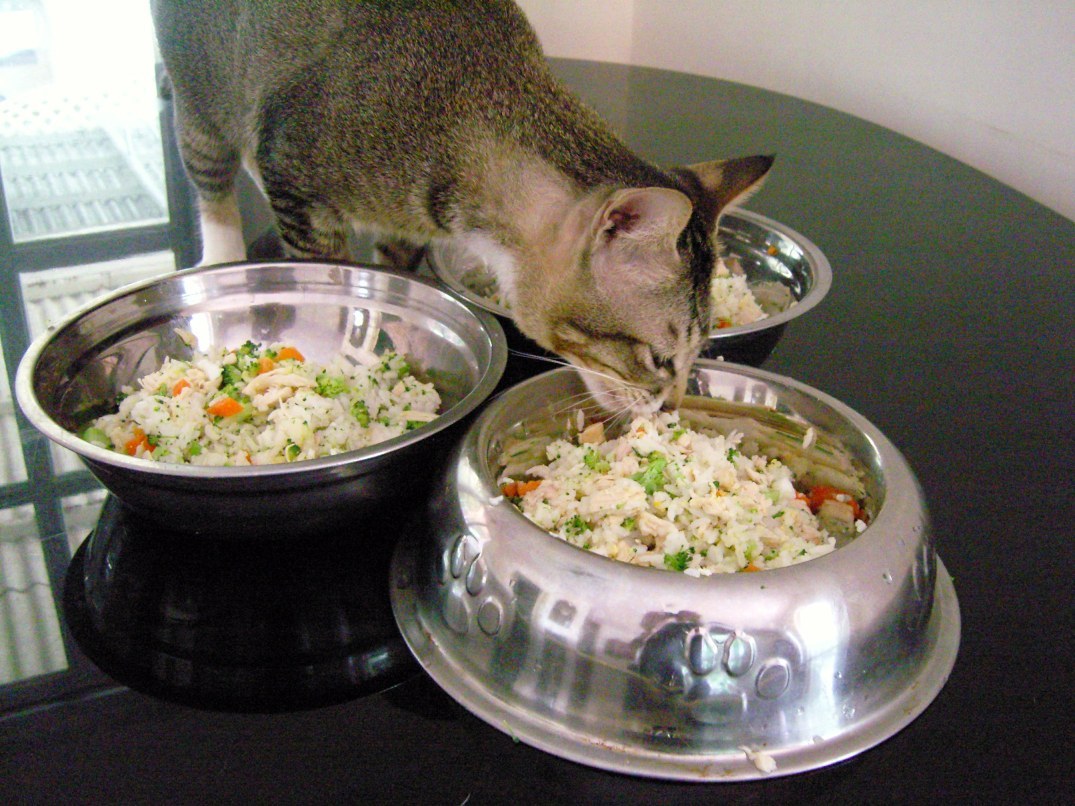
Credit: kdfoundation.org
Tips For Preparing And Storing
Preparing homemade food for cats requires care and attention. Proper preparation and storage keep the food safe and tasty. This helps your cat stay healthy and enjoy every meal. Follow these simple tips for the best results.
Safe Cooking Practices
Cook all meats thoroughly to kill harmful bacteria. Avoid using spices, salt, or onions, as these can harm cats. Use fresh ingredients and wash your hands before handling food. Clean all utensils and surfaces to prevent contamination. Let the food cool down before serving.
Proper Storage Techniques
Store homemade cat food in airtight containers. Keep it in the refrigerator for up to three days. Freeze extra portions in small servings for up to two weeks. Label containers with the date to track freshness. Always thaw frozen food in the fridge, not at room temperature.
Serving Suggestions
Serve food at room temperature to avoid burning your cat’s mouth. Use shallow bowls to make eating easier for your cat. Offer fresh water alongside every meal. Introduce new foods slowly to monitor any reactions. Clean bowls after each use to maintain hygiene.
Monitoring Cat’s Health On Homemade Diet
Monitoring your cat’s health on a homemade diet is very important. Cats need balanced meals with the right nutrients. Homemade food can vary in nutrition. Checking your cat’s health helps catch problems early. You can see if the diet meets your cat’s needs. Regular observation and care keep your cat strong and happy.
Signs Of Nutritional Deficiency
Watch for dull fur or hair loss. Weakness and low energy can appear. Your cat may lose weight or have poor appetite. Look for vomiting or diarrhea often. Pale gums or slow healing wounds may occur. These signs suggest missing important nutrients. Early detection helps fix the diet quickly.
When To Consult A Veterinarian
Contact a vet if your cat shows any warning signs. Sudden weight loss or constant vomiting needs attention. Difficulty walking or breathing is serious. Regular vet checkups help track health changes. A vet can recommend tests for nutritional balance. Follow their advice to keep your cat safe.


Credit: www.gnanlex.net
Frequently Asked Questions
What Ingredients Are Safe For Homemade Cat Food?
Cooked chicken, turkey, rice, and pumpkin are safe and healthy for cats at home.
How Often Should I Feed Homemade Food To My Cat?
Feed homemade food once or twice daily, balanced with vet advice for best results.
Can Homemade Food Meet All My Cat’s Nutritional Needs?
Homemade food can be complete with proper protein, fats, and added vitamins.
Conclusion
Homemade food can keep your cat healthy and happy. Choose fresh ingredients that are safe for cats. Balance proteins, fats, and vitamins in every meal. Avoid harmful foods like onions and garlic. Always check with your vet before changing diets.
Cooking at home shows love and care for your pet. Simple recipes can make mealtime special and nutritious. Feeding cats right helps them live longer and feel good. Try making homemade food and see the difference. Your cat will thank you with purrs and playfulness.