



You can safely secure your pet in a moving vehicle using specific dog gadgets for car travel, such as crash-tested harnesses, rear-seat barriers, and secured travel crates. These tools prevent your pet from roaming, which reduces driver distraction and protects your animal during sudden stops or accidents while you’re on the road.
Essential Dog Gadgets for Car Travel


Choosing the right equipment depends on your dog’s size, temperament, and your vehicle’s seating layout. Prioritize equipment that limits movement without causing injury. Experts recommend restraints that anchor to the seat belt system or vehicle frame.
- Crash-tested harness: Connects to the seat belt to restrict movement while allowing the dog to sit or lie down.
- Seat barrier: A mesh or metal divider that blocks the dog from jumping into the front seat.
- Travel crate: A rigid, secured box that offers the most protection but requires significant trunk or floor space.
- Booster seat: A small, strapped-in basket for smaller breeds that keeps them elevated and restrained.
Tip: Always check that the harness or crate is rated for your dog’s specific weight class, as over-stressing a restraint can cause it to fail during a sudden stop.
Comparing Restraint Effectiveness
Different gadgets offer varying levels of protection and comfort. Use this table to decide which type of gear matches your specific travel needs and vehicle size.
| Gadget Type | Best For | Protection Level | Space Required |
|---|---|---|---|
| Crash-tested Harness | Active/Large dogs | High | Low |
| Metal Barrier | Large breeds | Medium | Medium |
| Travel Crate | Anxious/Small dogs | Very High | High |
| Booster Seat | Small breeds | Low | Low |
Avoiding Common Safety Mistakes
Many owners make the mistake of using a standard collar for car travel. Attaching a seat belt tether to a collar puts dangerous pressure on a dog’s neck if you brake sharply. You should only use a dedicated harness that distributes force across the chest and shoulders.
Another frequent error is allowing a dog to hang their head out of an open window. While it seems enjoyable for the pet, it exposes them to flying debris and the risk of being struck by objects outside the vehicle. You must keep windows closed or only open them a few inches to ensure the animal stays safely inside the cabin.
Frequently Asked Questions
Can I use a regular leash to secure my dog in the car?
No, a standard leash isn’t designed for vehicle safety and can snap during a crash. It also allows the dog too much movement, which can distract the driver or cause the pet to be thrown into the dashboard or windshield.
Are fabric travel crates safe for long trips?
Fabric crates are generally designed for containment rather than crash protection and may collapse under pressure. A rigid, secured crate or a crash-tested harness is a much safer choice for keeping your animal protected in the event of an accident.
How do I know if a restraint fits my dog properly?
A properly fitted harness should be snug enough that you can only fit two fingers between the strap and your dog’s body. Always check the manufacturer’s instructions to ensure the tether length prevents your dog from reaching the front seats.
Managing Common Installation Issues
You may encounter issues preventing your dog from settling. If your dog constantly fidgets or manages to slip out of a harness, the issue is often a matter of sizing or placement rather than the gadget itself.
Why does my dog keep escaping their harness?
If your dog regularly wiggles out of their restraint, the straps are likely too loose or positioned incorrectly across the chest. If the harness still shifts, you may need a different style of restraint that uses a multi-point connection system to better distribute the dog’s weight.
How do I stop my dog from chewing the seat belt tether?
Chewing is often a sign of anxiety or boredom during travel, which can be mitigated by keeping the dog occupied with a safe, non-destructible chew toy while the car is moving.
Recommended Maintenance and Cleaning
Regular care ensures your safety equipment remains reliable. Inspect gear regularly for fraying or hardware failure.
Clean harnesses and barriers with mild soap and water. Avoid harsh chemicals that can weaken synthetic straps. If you notice any deep cuts in the webbing or if a buckle fails to hold firmly, replace the component immediately.
When to Seek Professional Advice

Some vehicle configurations require professional installation. If you’re struggling to find a secure anchor point for a heavy-duty crate, visit a local pet supply store that specializes in automotive safety or contact your vehicle manufacturer’s support line. Don’t attempt to drill into your car’s frame or modify existing seat belt hardware, as this can void your vehicle’s warranty and create new safety hazards.
Can I leave my dog in the car with these gadgets?
No, you should never leave a dog unattended in a car, especially in warm weather, regardless of the safety gadgets you have installed.
Is it safe to use a back-seat hammock for my dog?
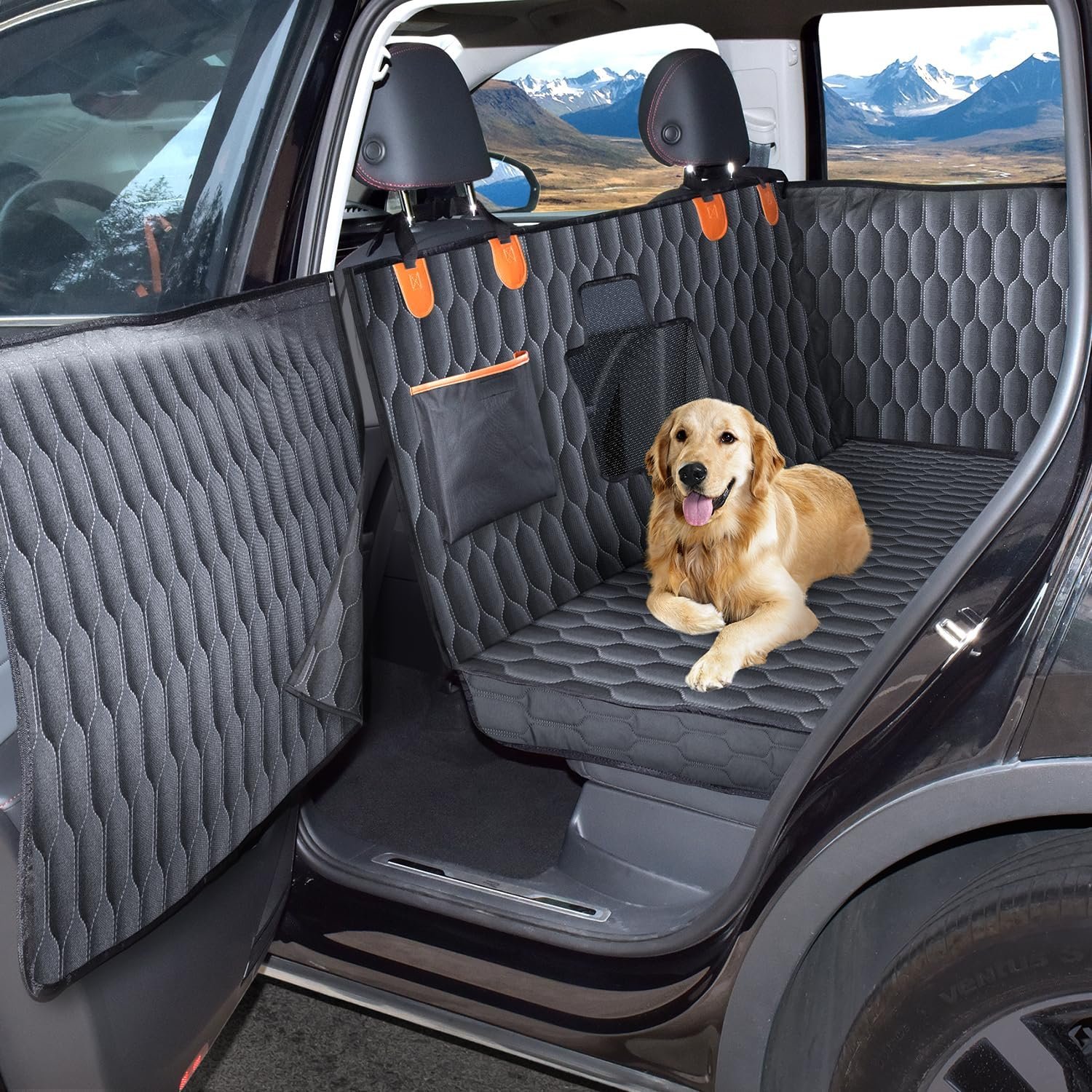
A seat hammock is excellent for keeping the car clean and preventing a dog from falling into the footwell, but it doesn’t replace a crash-tested harness.
Do I need a different restraint for a rental car?
Yes, you should always check the seat belt configuration of a rental car, as some models have recessed buckles or non-standard belt geometry.
Dog gadgets, in short
Investing in these safety essentials doesn’t just protect your furry friend; it gives you peace of mind on every journey. Before your next trip, check your local pet store for gear that fits your vehicle perfectly. You’ll find that a calm, secure passenger makes the drive much more enjoyable for everyone.