

Is your cat looking a little different lately? You might be wondering, “How can I tell if my cat is overweight or underweight?” It’s not always easy to spot just by glancing at them.
But knowing your cat’s ideal weight is crucial for their health and happiness. Whether your furry friend seems a bit too round or a little too skinny, this guide will help you understand the signs to look for. By the end, you’ll feel confident in recognizing if your cat needs a little extra care or a visit to the vet.
Keep reading to discover simple ways to check your cat’s weight and what steps to take next. Your cat’s well-being starts with you!
Signs Of Overweight Cats
Recognizing the signs that your cat is overweight is key to keeping them healthy. Excess weight can lead to serious health problems and reduce your cat’s quality of life. Paying attention to your cat’s body shape and physical condition helps spot weight issues early. Here are some clear signs that your cat may be carrying extra pounds.
Visual Waist Check
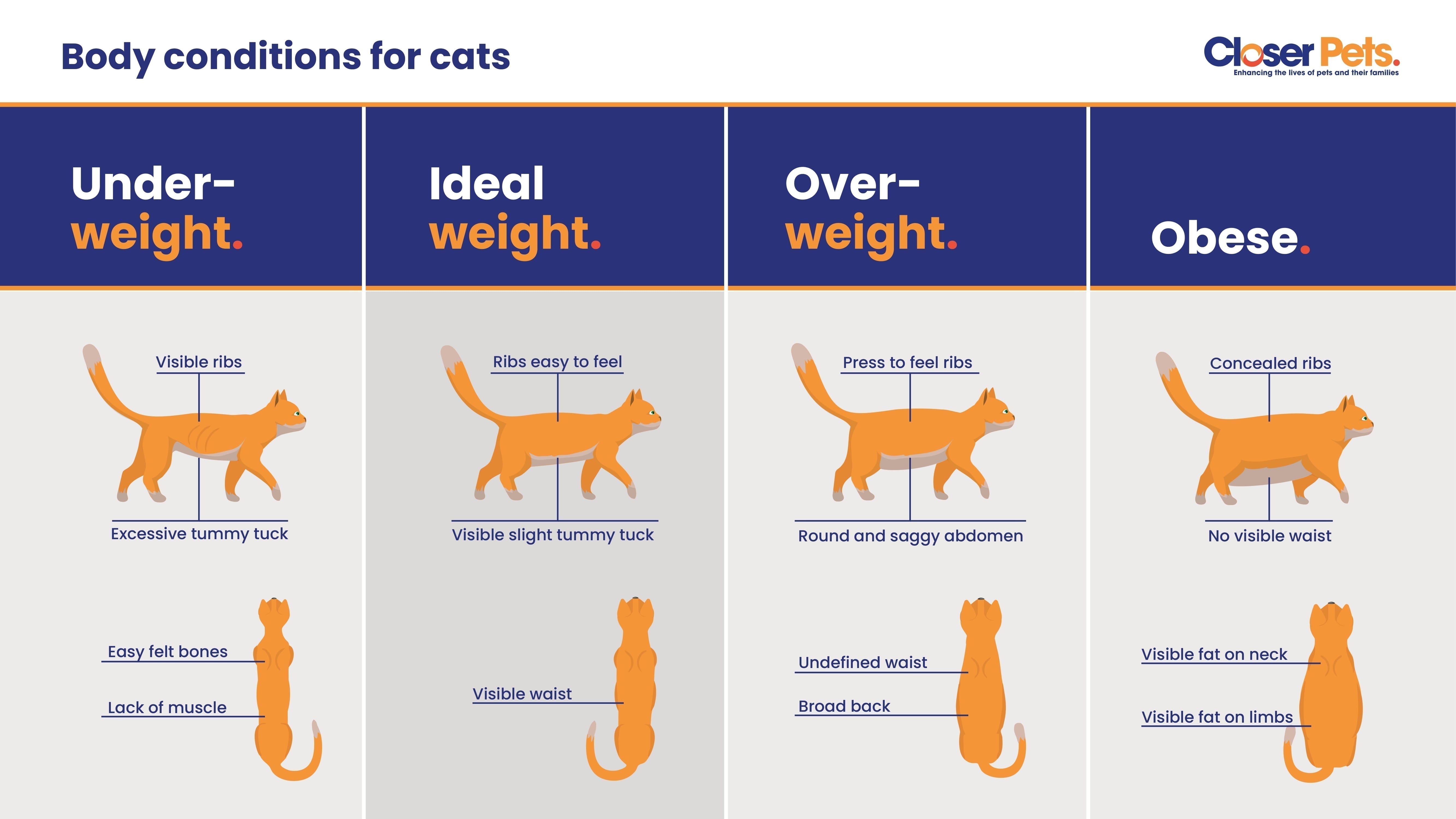
Stand above your cat and look down at their body. A healthy cat has a visible waist just behind the ribs. Overweight cats often lack this waistline. Their sides may bulge out instead of tapering inward. This rounded shape is a strong visual clue of excess weight.
Feeling The Rib Cage
Gently run your hands over your cat’s ribs. You should feel the ribs without pressing hard. A thin layer of fat covers the ribs on a healthy cat. If you cannot easily feel the ribs, your cat is likely overweight. Thick fat pads make the ribs hard to detect.
Tummy Sag And Shape
Look at your cat’s belly from the side. Overweight cats often have a sagging tummy that hangs down. This is sometimes called a “fat pad” or “apron.” The belly may sway as your cat moves. This sag is a common sign of extra weight around the abdomen.
Mobility And Activity Levels
Notice how your cat moves and plays. Overweight cats may move slower or get tired quickly. They might avoid jumping or climbing. Less activity can cause further weight gain. Watch for any signs of stiffness or difficulty in movement.
Credit: closerpets.co.uk
Signs Of Underweight Cats
Noticing signs that your cat is underweight helps you act early. Cats that weigh too little may face health risks. Watch for physical and behavioral clues. These signs show your cat needs attention and care.
Visible Bones And Spine
Check your cat’s body closely. The ribs, spine, and hip bones show clearly in underweight cats. You can see sharp edges without much fur covering. Healthy cats have smooth curves over their bones.
Lack Of Fat Covering
Underweight cats lack fat padding. Run your hands gently over their sides and back. You feel bones without soft fat in between. This thin fat layer protects organs and keeps cats warm.
Sunken Waist And Abdomen
Look at your cat from above and from the side. An underweight cat has a very narrow waist. The belly looks tucked up and sunken. This shape means your cat is not carrying enough weight.
Behavioral And Energy Changes
Underweight cats often act tired or weak. They may sleep more and play less. Eating habits might change, with less interest in food. Watch your cat’s energy levels for warning signs.
How To Assess Your Cat’s Weight At Home
Knowing your cat’s weight helps keep them healthy and happy. Assessing weight at home is simple with a few easy checks. These methods give a clear idea of whether your cat is overweight or underweight. Regular monitoring helps catch problems early and guides proper care.
Using The Body Condition Score
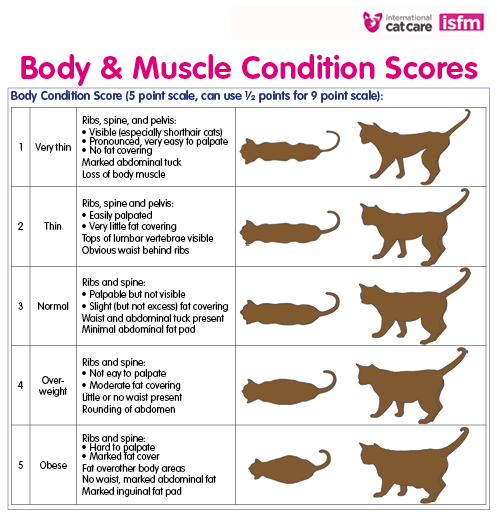
Body Condition Score (BCS) is a quick way to check your cat’s weight. Feel your cat’s ribs gently. You should feel them without pressing hard. Look at your cat from above. There should be a visible waist behind the ribs. From the side, the belly should tuck up slightly. If ribs are hard to feel or the waist is missing, your cat may be overweight. If ribs and spine show clearly, your cat might be underweight.
Regular Weigh-ins
Weighing your cat regularly tracks weight changes. Use a small scale or weigh yourself holding your cat. Subtract your weight to find your cat’s weight. Write down the weight each time. Changes can be slow but steady weight loss or gain is a sign to act. Weigh at the same time and place to get accurate results.
Observing Eating Habits
Watch how much and how often your cat eats. Eating too much can lead to weight gain. Not eating enough may cause weight loss. Notice if your cat seems hungry all the time or is avoiding food. Changes in eating habits often affect weight. Keep track of food portions and feeding times.
Comparing To Breed Standards
Different cat breeds have different ideal weights. Compare your cat’s size to breed standards. Look for typical body shape and size for your cat’s breed. Some breeds are naturally larger or smaller. Use breed information as a guide, not a strict rule. This helps understand if your cat’s weight fits their breed type.
Health Risks Of Improper Weight
Maintaining the right weight is vital for your cat’s health. Both overweight and underweight cats face serious health challenges. These conditions affect their daily comfort and long-term well-being. Understanding the risks helps you take better care of your furry friend.
Risks Of Overweight Cats
Overweight cats often struggle with joint pain. Extra weight puts pressure on bones and muscles. This can lead to arthritis or difficulty moving. They also have a higher chance of diabetes. Excess fat disrupts how their body uses insulin. Heart disease is another common problem. Fat deposits strain the heart and blood vessels. Overweight cats may develop breathing issues too. Fat around the chest makes it hard to breathe. These health problems reduce their energy and playfulness.
Risks Of Underweight Cats
Underweight cats lack essential fat and muscle. This makes them weaker and less active. Their immune system may become weak. They get sick more often and take longer to heal. Organ problems can arise from poor nutrition. The liver and kidneys may not function well. Underweight cats also feel cold easily. They have less body fat to keep warm. These cats may suffer from hair loss and skin issues. Low body weight signals a need for medical check-up.
Impact On Lifespan And Quality Of Life
Both weight extremes shorten a cat’s lifespan. Overweight cats face risks that can cause early death. Underweight cats often suffer from chronic illnesses. Quality of life drops with discomfort and pain. Cats with proper weight live more active, happy lives. They play, explore, and interact without limits. Monitoring weight protects their health and happiness. Keeping your cat at a healthy weight is a key to longevity.
Tips For Managing Your Cat’s Weight
Managing your cat’s weight is crucial for their health and happiness. Proper weight helps prevent diseases and improves quality of life. Small changes can make a big difference over time. Focus on diet, exercise, and regular health checks. Stay consistent and patient with your efforts.
Diet Adjustments
Choose a balanced cat food suited to your cat’s age and health. Control portion sizes to avoid overeating. Avoid giving too many treats or human food. Feeding smaller, frequent meals can help regulate metabolism. Consult your vet for special diet recommendations if needed.
Increasing Physical Activity
Encourage your cat to play daily with toys or laser pointers. Create an engaging environment with climbing trees or scratching posts. Short interactive play sessions several times a day work best. Rotate toys to keep your cat interested and active. Physical activity helps burn calories and maintain muscle mass.
Regular Veterinary Checkups
Schedule vet visits at least once a year for weight and health monitoring. Vets can spot early signs of weight problems or other illnesses. Discuss your cat’s diet and exercise plan during visits. Follow any medical advice or treatment plans your vet suggests. Early detection is key to effective weight management.
Monitoring Progress And Adjusting Plans
Keep track of your cat’s weight and body condition regularly. Use a scale or visit the vet for accurate measurements. Note changes in appetite, energy, and behavior too. Adjust diet and activity based on progress and vet advice. Celebrate small achievements to stay motivated in your cat’s care.

Credit: closerpets.co.uk
When To Seek Veterinary Advice
Knowing when to seek veterinary advice is crucial for your cat’s health. Changes in weight can signal underlying problems. Early professional help ensures your cat stays healthy and happy. Watch closely for unusual signs. Trust your instincts and act promptly.
Sudden Weight Changes
Rapid weight loss or gain needs immediate attention. It may indicate illness or other health issues. Do not ignore quick changes in your cat’s weight. A vet can find the cause and start treatment early. Early detection improves the chances of recovery.
Signs Of Serious Health Issues
Look for symptoms like vomiting, diarrhea, or loss of appetite. Difficulty breathing or lethargy also signal danger. These signs often accompany unhealthy weight changes. A vet’s examination can reveal serious problems. Prompt care prevents complications and suffering.
Professional Weight Management Plans
Vets create safe, effective plans to manage your cat’s weight. They guide diet, exercise, and lifestyle changes. Customized plans fit your cat’s unique needs and health. Follow the vet’s advice closely for best results. This support helps your cat reach a healthy weight safely.
Credit: www.arloren.com
Frequently Asked Questions
What Does A Slightly Overweight Cat Look Like?
A slightly overweight cat lacks a visible waist when viewed from above. Their sides may bulge gently. Feeling ribs requires firm pressure. The belly may sag slightly but stays soft.
What Does A Fat Cat Belly Feel Like?
A fat cat belly feels soft and pliable, often sagging or swaying when the cat walks. It is not hard or taut.
What Does An Underweight Cat Look Like?
An underweight cat has visible ribs, spine, and hip bones with little fat covering. Its waist appears narrow, and the belly may tuck up behind ribs.
What Are Signs Of Unhealthy Weight In Cats?
Signs of unhealthy weight in cats include visible ribs or spine, lack of waist, sagging belly, difficulty jumping, and bulging sides.
Conclusion
Knowing your cat’s weight status helps keep them healthy and happy. Check their ribs, waist, and belly regularly. A healthy cat has a slight waist and ribs you can feel easily. Too much fat or visible bones are signs to act.
Visit a vet for advice if unsure. Small changes in diet and exercise make a big difference. Caring for your cat’s weight supports their long, active life. Stay attentive and enjoy many joyful moments together.