
You love your cat and want to keep them healthy and happy. But how can you tell if your furry friend is feeling unwell?
Cats are experts at hiding pain, so small changes in their behavior might be the only clues you get. If your cat is suddenly hiding more, eating less, or acting differently, these could be signs something is wrong. You’ll learn the key symptoms to watch for and when it’s time to see a vet.
Knowing these signs early can make all the difference in your cat’s health and comfort—so keep reading to protect your beloved companion.
Credit: vetic.in
Behavior Changes
Behavior changes often reveal that a cat may be feeling unwell. Cats are good at hiding pain, but changes in how they act can be clear signs. Watching your cat closely helps catch problems early. Even small shifts in behavior matter.
Hiding And Withdrawal
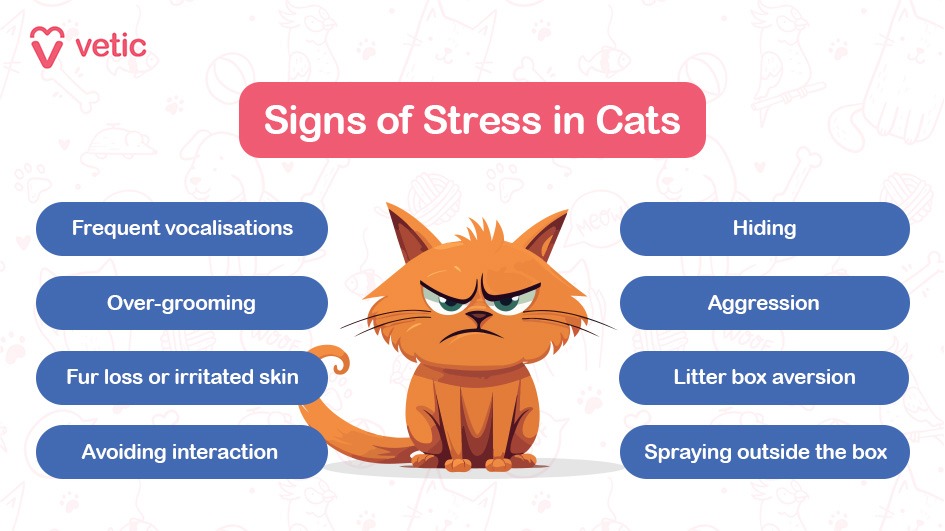
A sick cat may hide more than usual. It looks for quiet, dark places to feel safe. The cat might avoid people and other pets. Withdrawal shows discomfort or fear. This behavior is a strong sign your cat needs help.
Lethargy And Reduced Activity
When cats feel sick, they move less. They may sleep much more or seem tired. Playtime loses its appeal. A lack of energy is unusual for an active cat. This change suggests the cat’s body is fighting illness.
Aggression And Irritability
Some cats become grumpy when they don’t feel well. They may growl, hiss, or swipe without warning. This irritability often means pain or stress. Aggression is a way cats protect themselves when vulnerable.
Grooming Habits
Cats are known for their meticulous grooming habits. They spend a lot of time cleaning themselves to stay healthy and comfortable. Changes in these habits can signal that something is wrong. Observing your cat’s grooming behavior can help you detect early signs of illness.
Neglect And Matted Fur
A healthy cat keeps its fur smooth and clean. If your cat stops grooming, its coat may look scruffy or oily. Fur can become tangled and matted, which is unusual for most cats. Matted fur can cause skin irritation and discomfort. Neglecting grooming often means your cat feels unwell or is in pain.
Over-grooming And Bald Spots
Sometimes cats groom too much. They may lick or chew certain areas repeatedly. This behavior can create bald patches or sores on the skin. Over-grooming often indicates stress, allergies, or pain. Watch for redness or swelling where your cat licks the most. These signs mean your cat needs attention and possibly a vet visit.
Appetite And Drinking
Changes in appetite and drinking habits often reveal a cat’s health status. These behaviors are easy to observe and provide early signs of illness. Cats usually have steady eating and drinking patterns. Sudden changes can signal discomfort or disease.
Loss Of Appetite
A cat that stops eating or eats less than usual may feel unwell. Loss of appetite can happen due to pain, infection, or stress. Watch for days without food or only nibbling small amounts. Prolonged refusal to eat needs veterinary attention. Even a single missed meal in a normally hungry cat can be a warning sign.
Changes In Drinking Habits
Drinking more or less water than usual can indicate health problems. Increased thirst might mean kidney issues or diabetes. Less drinking can cause dehydration and worsen illness. Monitor how much your cat drinks daily. Sudden changes in water intake call for a check-up with a vet.

Credit: www.liftingitalia.com
Litter Box Issues
Litter box issues often signal a cat’s discomfort or illness. Cats usually use their litter box consistently. Changes in this habit can mean health problems. Owners should watch for signs like urinating outside the box or avoiding it entirely. These behaviors may show pain or distress. Understanding these signs helps catch health issues early.
Missing The Litter Box
Missing the litter box is a common sign of trouble. Cats might urinate or poop outside their box. This can mean a urinary tract infection or bladder pain. Stress or anxiety can also cause this behavior. Observe if your cat strains or cries during elimination. These symptoms need quick attention from a vet.
Avoiding Covered Boxes
Some cats avoid covered litter boxes when feeling unwell. Pain or discomfort can make entering the box hard. Covered boxes may feel cramped or dark, adding to stress. If your cat suddenly refuses the covered box, try an open one. This change might help your cat feel more comfortable. Watch for continued avoidance, as it may indicate health issues.
Vocalizations
Vocalizations are a key way cats communicate their feelings. Changes in your cat’s sounds can signal health problems. Paying attention to unusual vocal behavior helps catch illness early.
Cats usually meow or purr softly. Loud, persistent sounds may mean discomfort or pain. Notice any new or strange noises your cat makes.
Excessive Meowing Or Yowling
Excessive meowing is not normal for most cats. If your cat suddenly meows loudly and often, it may feel unwell. Yowling, a loud, drawn-out cry, can signal distress or pain. This vocal change often shows anxiety or physical discomfort. It may happen day or night and last for hours.
Older cats might yowl due to cognitive issues or confusion. Female cats in heat also vocalize more, but persistent yowling outside heat cycles is a concern. Track the frequency and context of these sounds to share with your vet.
Unusual Sounds
Unusual sounds include hissing, growling, or chattering that your cat rarely makes. These noises can mean fear, stress, or illness. A cat in pain might hiss when touched or when moving. Watch for sudden changes in pitch or tone of normal meows.
Some cats purr when stressed or sick, not just when happy. If purring is constant and paired with other signs like hiding or loss of appetite, it may indicate pain. Record these vocal changes to inform your vet accurately.
Movement Difficulties
Movement difficulties often signal that a cat may be feeling unwell. Cats are usually agile and active animals. Any change in their movement can indicate pain or discomfort. Observing your cat’s movements closely helps catch health issues early. Watch for unusual signs like limping, stiffness, or trembling. These signs often point to underlying problems that need attention.
Limping And Stiffness
Limping is a clear sign that your cat is in pain or discomfort. It may result from injury, arthritis, or joint problems. Stiffness, especially after rest, can also indicate joint inflammation or muscle strain. Cats with stiffness may move slowly or avoid walking. These symptoms should not be ignored as they affect your cat’s quality of life.
Hesitation To Jump Or Climb
Cats love to jump and climb as part of their natural behavior. If your cat suddenly hesitates or avoids these activities, it may feel pain or weakness. This change can be due to injury, arthritis, or muscle problems. Notice if your cat struggles to reach usual spots. Hesitation to jump or climb is a subtle but important warning sign.
Trembling Legs
Trembling legs can mean your cat feels weak or is in pain. This may happen after an injury or due to neurological issues. Sometimes trembling shows muscle fatigue or coldness. Watch if your cat’s legs shake while standing or walking. Persistent trembling needs veterinary evaluation to find the cause and provide relief.
Facial Expressions
Cats communicate a lot through their facial expressions. These small signs can tell you if your cat feels unwell. Pay attention to their eyes, ears, and whiskers. Changes here often show discomfort or pain.
Squinted Eyes
Squinted or half-closed eyes can mean your cat is in pain. Healthy cats usually have bright, open eyes. If your cat’s eyes look tired or closed more than usual, watch closely. This may show they feel sick or stressed.
Flattened Ears
Flattened ears pressed back against the head can signal discomfort. Cats do this when scared or in pain. If your cat holds its ears low for a long time, it could mean illness. Normal ears stand up or move around to catch sounds.
Tense Whiskers
Tense or pulled-back whiskers show stress or pain. Whiskers usually point forward or relax at the sides. If they look tight or stiff, your cat might feel unwell. Watch for other signs like hiding or loss of appetite.
:strip_icc()/signs-your-cat-is-sick-4165142_color-52a34ab4c5cd4e89aa285e7f291ecf04.jpg)
Credit: www.liftingitalia.com
Other Warning Signs
Cats often hide illness well. Some signs are clear, others less so. Watch for subtle changes. These can signal your cat is feeling unwell. Here are other warning signs to notice.
Panting And Wheezing
Panting in cats is not normal. It may mean your cat struggles to breathe. Wheezing sounds also show breathing trouble. Both can indicate respiratory problems or stress. Seek vet advice if your cat pants or wheezes.
Straining To Eliminate
Your cat should urinate and defecate without pain. Straining or crying during these acts is a red flag. It may signal urinary tract infection or constipation. Ignoring this can cause serious health issues. Watch your cat’s litter box habits closely.
Inability To Swallow
If your cat coughs or chokes while eating, it may not swallow well. This can lead to drooling or refusal to eat. Swallowing problems may come from mouth pain or throat illness. Immediate veterinary care is important in these cases.
When To Visit The Vet
Knowing when to visit the vet is crucial for your cat’s health. Cats often hide their pain or illness, making it hard to notice problems early. Timely vet visits can prevent serious issues and improve recovery chances.
Watch for changes in behavior, eating, and activity. Trust your instincts if something seems off. Quick action can make a big difference in your cat’s well-being.
Recognizing Urgent Signs
Some signs need immediate veterinary care. Difficulty breathing, constant vomiting, or seizures are critical. Sudden weakness, bleeding, or inability to stand also demand urgent attention. These symptoms can signal life-threatening problems.
Other urgent signs include severe pain, swelling, or refusal to eat or drink for over 24 hours. Rapid or labored breathing and pale gums are serious red flags. Do not wait to get help if you see these signs.
Importance Of Early Diagnosis
Early diagnosis helps catch illnesses before they worsen. Many diseases are easier to treat in early stages. Routine vet visits allow your cat’s health to be monitored regularly.
Prompt veterinary care can reduce pain and prevent complications. It also saves costs by avoiding emergency treatments. Early diagnosis supports a longer, healthier life for your cat.
Frequently Asked Questions
How To Tell If A Cat Is Not Feeling Well?
A cat not feeling well may hide, eat less, show lethargy, vocalize unusually, or have grooming and litter box changes. Seek a vet if these signs appear.
What Are Four Signs Your Cat Is Suffering?
Four signs your cat is suffering include hiding or aggression, changes in grooming, litter box issues, and unusual vocalizations. Watch for lethargy, limp movements, scruffy fur, urinating outside the box, or excessive meowing. These signs indicate pain or illness and need veterinary attention promptly.
How Do Cats Act When Unwell?
Cats act unwell by hiding, showing lethargy, losing appetite, grooming less or excessively, vocalizing oddly, and avoiding the litter box. Watch for limping, aggression, or facial tension. These signs indicate discomfort or illness. Seek veterinary care promptly to ensure your cat’s health and comfort.
How Do Cats Lay When In Pain?
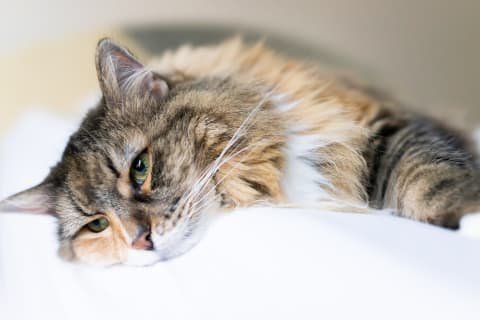
Cats in pain often lie still, curl tightly, or stretch out with tense muscles. They may avoid moving or hide.
Conclusion
Cats often hide signs of illness, making observation key. Watch for changes in behavior, appetite, and grooming habits. Notice if your cat hides, moves less, or acts aggressive. Pay attention to unusual sounds or litter box issues. Facial expressions can also reveal discomfort.
Early detection helps your cat get care faster. Trust your instincts and seek veterinary advice when needed. A healthy cat means a happy home. Stay attentive and show your cat love every day.