
Is your dog acting different lately? Maybe they’re less playful, or you’ve noticed changes in their eating or bathroom habits.
These subtle shifts might be the first signs your dog is feeling unwell. Dogs are experts at hiding pain, so spotting sickness symptoms early is crucial. Knowing what to watch for can make all the difference in getting your furry friend the care they need—fast.
You’ll discover the key symptoms that indicate your dog might be sick, how to support them at home, and when it’s time to call the vet. Keep reading to protect your loyal companion and give them the best chance for a quick recovery.

Credit: bissvet.com
Common Signs Of Dog Illness
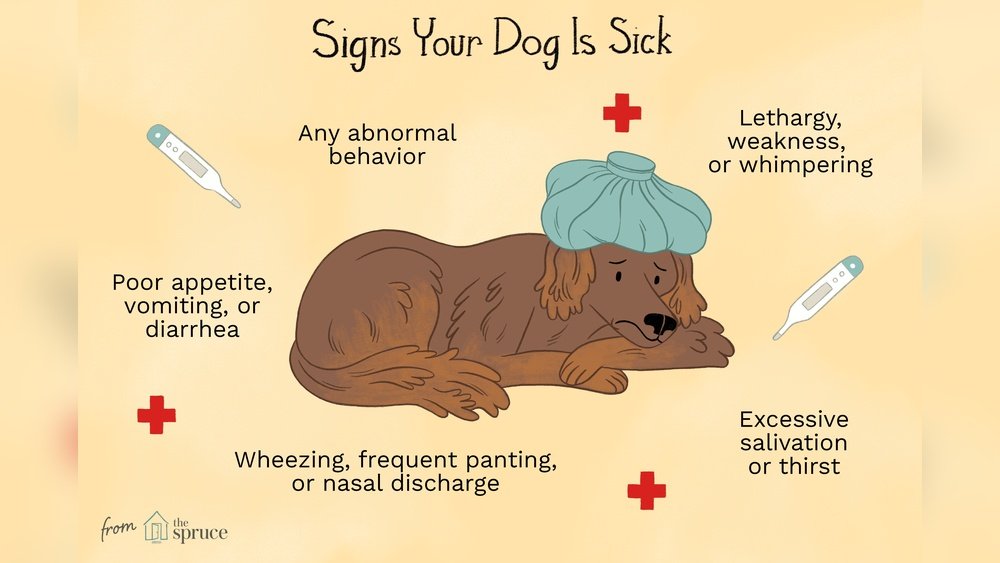
Dogs often hide signs of illness. Spotting common symptoms early helps protect their health. Watch closely for changes in eating habits, energy, and behavior. These signs often signal a health problem. Acting fast can improve recovery chances.
Changes In Appetite
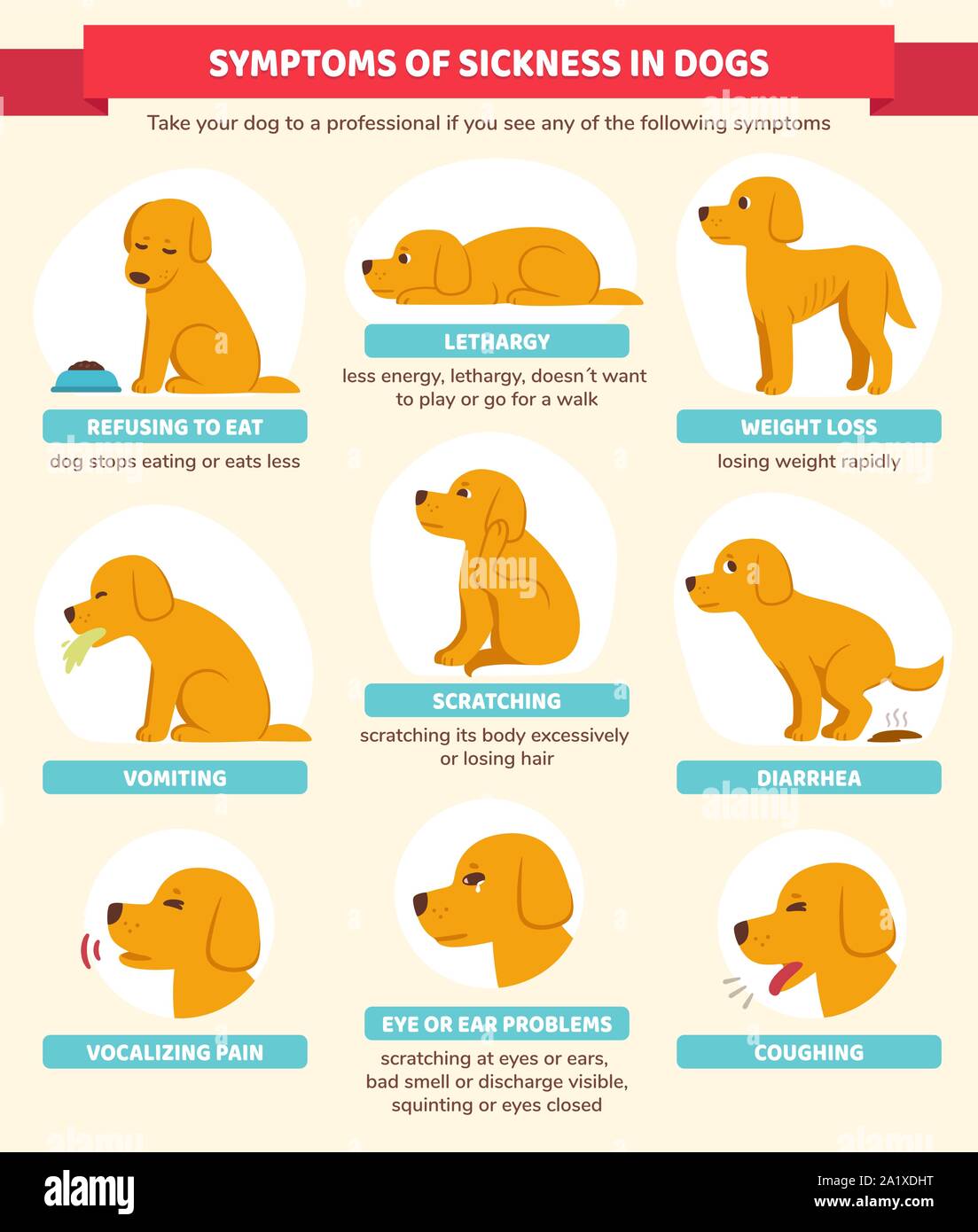
A sudden loss of appetite is a key sign of sickness. Dogs may refuse favorite treats or skip meals. Eating less or not at all can lead to weakness. Sometimes, dogs eat more due to discomfort or stress. Notice any unusual eating patterns to catch illness early.
Lethargy And Weakness
Sick dogs often seem tired and weak. They may sleep more than usual or avoid activities. Lack of energy can mean pain or fever. Difficulty standing or moving can also appear. These signs mean your dog needs rest and possibly a vet check.
Vomiting And Diarrhea
Vomiting and diarrhea are common signs of illness. They can cause dehydration and discomfort. Occasional vomiting might not be serious, but frequent episodes need attention. Loose or watery stools lasting more than a day are warning signs. Monitor these symptoms closely to protect your dog’s health.
Unusual Behavior
Changes in behavior may show illness. Dogs may become restless, anxious, or hide more than usual. Some grow irritable or avoid interaction. Vocalizing more, like whining or howling, can indicate pain. Pay attention to these changes to catch problems early.
Credit: kdfoundation.org
Physical Symptoms To Watch
Recognizing physical symptoms is vital to catch dog sickness early. Dogs often hide pain, so subtle signs matter. Observing your dog closely helps spot problems fast. Pay attention to changes in breathing, skin, eyes, and body shape.
Respiratory Issues
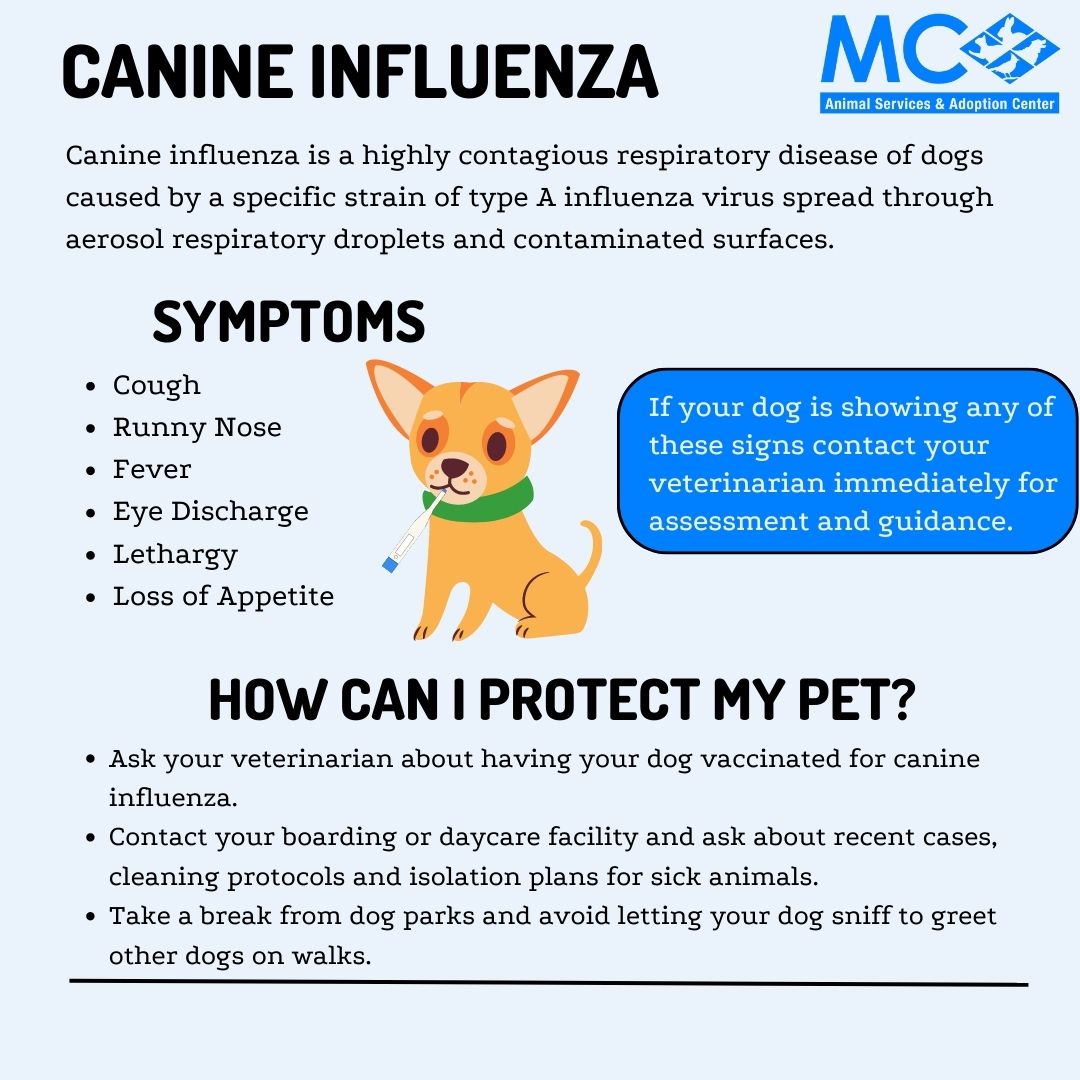
Coughing, wheezing, or difficulty breathing can signal sickness. Rapid or labored breaths need urgent attention. Snoring or noisy breathing may also indicate a problem. Notice any changes in your dog’s breathing pattern.
Skin And Coat Changes
Look for redness, rashes, or hair loss on the skin. Dry, flaky, or oily patches are warning signs. A dull coat or excessive shedding can mean illness. Scratching or licking more than usual shows discomfort.
Eye And Nose Discharge
Watery, cloudy, or red eyes suggest infection. Yellow, green, or thick discharge is a concern. A runny or crusty nose also signals health issues. Check if your dog’s eyes or nose look different than normal.
Swelling And Lumps
Feel for any new bumps or swollen areas on the body. Sudden swelling can be painful and dangerous. Lumps that grow or don’t go away need vet care. Watch for heat or redness around swollen spots.
Behavioral Warning Signs
Dogs often hide signs of sickness. Behavioral changes can be the first clue something is wrong. These subtle shifts in behavior help owners spot illness early. Early detection improves the chance of successful treatment. Watch your dog’s habits closely for any unusual actions.
Hiding And Withdrawal
Sick dogs may hide more than usual. They might avoid family members or favorite spots. Withdrawal shows they feel weak or uncomfortable. This behavior is a natural instinct to protect themselves. If your dog suddenly isolates, check for other symptoms.
Excessive Panting Or Drooling
Heavy panting or drooling can signal distress. Dogs may do this even without exercise or heat. These signs often indicate pain, nausea, or fever. Notice if panting or drooling happens at rest. It needs attention if it lasts longer than normal.
Restlessness Or Agitation
Restlessness means your dog cannot settle down. They may pace or whine without cause. Agitation often shows discomfort or confusion. Watch for repeated attempts to change position or bark. These signs often mean your dog needs help.
Changes In Bathroom Habits
Illness can alter your dog’s bathroom routine. Look for more frequent urination or accidents inside. Constipation or diarrhea can also indicate sickness. Sudden changes in bathroom habits are important warning signs. Keep track of these changes for your vet.
Immediate Care Steps
Taking immediate care of a sick dog is crucial for their recovery. Quick action can ease discomfort and prevent worsening. Focus on providing comfort, hydration, and gentle nutrition. These steps help your dog feel better while you monitor their condition closely.
Creating A Restful Environment
Set up a quiet, cozy space for your dog to rest. Choose a low-traffic area away from noise and other pets. Provide soft bedding to keep them comfortable. Keep the room calm and dim to help them relax. Avoid disturbing your dog during rest periods.
Maintaining Hydration
Keep fresh water available at all times. Use shallow bowls to make drinking easier. Check the water often and refill as needed. Encourage small, frequent sips to prevent dehydration. If your dog refuses water, consult a vet immediately.
Offering A Bland Diet
Offer a bland diet once vomiting stops. Boiled chicken without skin or seasoning works well. Pair with plain white rice to settle the stomach. Feed small portions several times a day. Avoid fatty, spicy, or dairy foods that irritate digestion.
Monitoring And Activity Control
Monitoring your dog’s health closely is vital when they show sickness symptoms. Activity control helps prevent worsening of their condition. Careful observation ensures timely action and better recovery.
Reducing physical strain lets your dog conserve energy to heal. Watching changes in symptoms guides you on their progress. Recognizing critical signs prompts prompt veterinary care.
Limiting Exercise
Cut back on your dog’s exercise during illness. Avoid long walks, running, or vigorous play. Rest supports the immune system and reduces stress on the body. Short, gentle bathroom breaks are enough. Overexertion can delay healing or cause complications.
Tracking Symptom Changes
Note all new or worsening symptoms carefully. Record changes in appetite, energy, vomiting, diarrhea, or breathing. Keep a daily log to spot patterns or sudden shifts. Share this information with your veterinarian. Early detection of worsening signs improves treatment success.
When To Seek Veterinary Help
Contact a vet if symptoms last more than 24 hours or get worse. Seek immediate help for difficulty breathing, severe vomiting, or bleeding. Lethargy and refusal to eat for over a day are warning signs. Prompt veterinary care can prevent serious illness or complications.
Diet Tips For Sick Dogs
Proper diet plays a key role in helping sick dogs recover quickly. Offering the right foods supports their weakened system and avoids further upset. Careful feeding can ease symptoms and boost energy. Focus on gentle, easy-to-digest options to encourage eating and healing.
Safe Foods To Offer
Boiled chicken without skin or bones is gentle on the stomach. White rice helps bind stool and provides energy. Plain pumpkin can soothe digestion and reduce diarrhea. Small amounts of boiled potatoes offer mild nutrients. Always serve food at room temperature to avoid discomfort.
Foods To Avoid
Avoid fatty foods that strain digestion. Stay away from dairy products as many dogs are lactose intolerant. Do not feed onions, garlic, or spicy foods; they can harm dogs. Avoid treats and table scraps that upset the stomach. Raw or undercooked meat can cause infections.
Gradual Food Reintroduction
Start with small portions of bland food several times a day. Watch for signs of vomiting or diarrhea after feeding. Slowly mix regular dog food into the bland diet over several days. Increase the amount of normal food as your dog tolerates it. Stop if symptoms return and consult your vet.
When To Contact The Vet
Knowing when to contact the vet is crucial for your dog’s health. Some symptoms need urgent attention. Others may require a vet visit to avoid worsening conditions. Acting fast can save your dog’s life and ease their suffering.
Emergency Symptoms
Call the vet immediately if your dog shows these signs:
- Severe vomiting or diarrhea lasting more than 24 hours
- Difficulty breathing or choking sounds
- Sudden weakness or collapse
- Seizures or continuous shaking
- Swollen abdomen or pain when touched
- Bleeding that won’t stop
These symptoms can signal serious problems. Do not wait to seek help.
Symptoms In Puppies And Senior Dogs
Puppies and senior dogs need extra care. They get sick faster than adults. Watch closely for:
- Loss of appetite or refusal to drink water
- Excessive coughing or sneezing
- Unusual lethargy or difficulty moving
- Changes in urination or bowel habits
- Signs of pain like whining or hiding
Contact the vet sooner to prevent complications in these age groups.
Guidance On Medication And Treatments
Never give your dog human medicine without vet approval. Some drugs can harm dogs. Only use treatments prescribed by a vet.
If your dog has mild symptoms, monitor them closely. Keep them hydrated and rested. Offer bland food like boiled chicken and rice if they can eat.
Call your vet for advice about medications or if symptoms worsen. Proper treatment helps your dog recover safely and quickly.
Credit: woodydentaldenver.com
Frequently Asked Questions
How Do You Treat A Sick Dog?
Provide a quiet resting place and ensure your dog drinks water. Feed bland food like boiled chicken and rice if they eat. Monitor symptoms closely and avoid exercise. Contact your veterinarian immediately for persistent vomiting, lethargy, or severe symptoms.
What Is The Most Common Sickness For Dogs?
The most common sickness in dogs is canine parvovirus, causing severe vomiting and diarrhea. It spreads easily and needs prompt vet care.
What Are The First Signs Of Parvo?
The first signs of parvo include vomiting, severe diarrhea (often bloody), lethargy, loss of appetite, and fever. Puppies may also show weakness and dehydration quickly. Early detection and prompt veterinary care improve recovery chances.
What To Give A Sick Dog For Throwing Up?
Offer small amounts of water to keep your dog hydrated. After vomiting stops, feed bland food like boiled chicken and rice. Avoid fatty, spicy, or dairy foods. Provide rest in a quiet space and monitor symptoms closely. Contact a vet if vomiting persists or worsens.
Conclusion
Recognizing dog sickness symptoms early helps protect your pet’s health. Watch for changes in behavior, appetite, or energy. Provide rest, water, and gentle care at home. Offer bland food only if your dog can eat. Avoid stressful activity and keep a close eye on symptoms.
Contact your vet quickly if signs worsen or do not improve. Acting fast can make a big difference in recovery. Your dog depends on your attention and care every day. Stay alert and be ready to help when needed.