


Most adult cats should not go more than 24 hours without food. Seek help sooner if your cat is a kitten, senior, sick, or overweight.
If you have ever asked How Long is it okay for a Cat to Go Without Eating?, you are not alone. I have helped many worried owners in this exact spot. In this guide, I show you what is normal, what is not, and what to do right now. You will learn the risks, the science, and my best at-home tips that work fast. Stay with me, and you will feel calm and ready to act.
:max_bytes(150000):strip_icc()/GettyImages-937809006-2000-3badc22ecf8946ceb6aa0482f80b8dc3.jpg)
Why appetite loss in cats is a big deal
Cats do not fast well. Their livers are not built for long gaps without food. When a cat stops eating, the body moves fat to the liver. That can trigger fatty liver disease fast.
Veterinary data show this can start after only a few days of not eating. Overweight cats are at highest risk. Kittens and seniors face quick drops in blood sugar and energy.
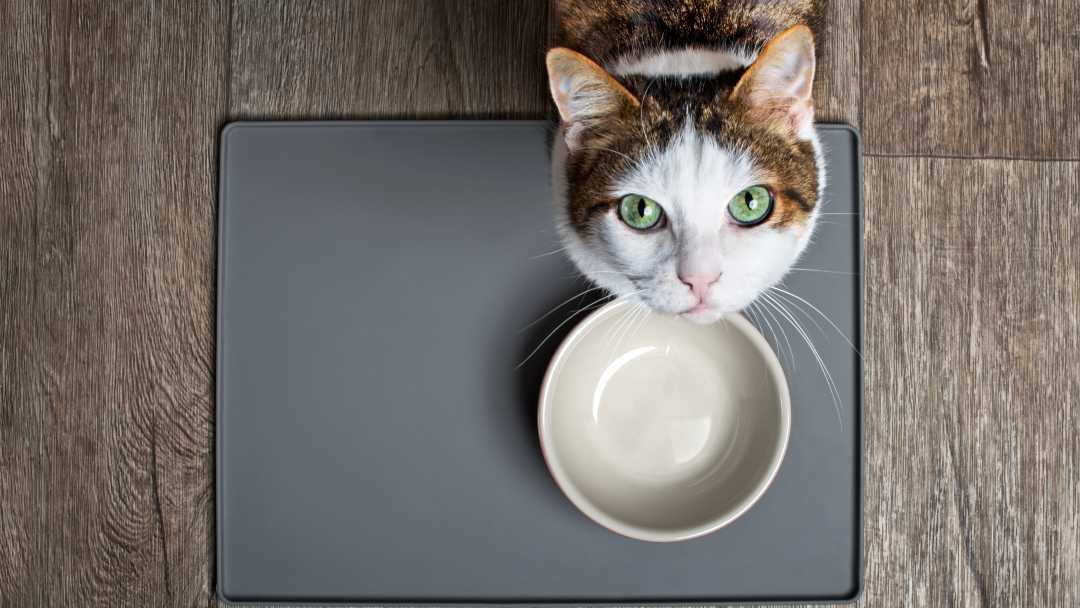
So, How Long is it okay for a Cat to Go Without Eating? For most healthy adults, 24 hours is the max before you call your vet. Sooner if you see other warning signs.
How long is safe for different cats?
The safe window is not the same for every cat. It depends on age, weight, health, and stress.
- Kittens under 6 months: Do not wait. Even 8–12 hours can be risky due to low blood sugar. Call your vet if a kitten skips a meal.
- Healthy adults: Call your vet if no food for 24 hours. Do not wait past 36 hours.
- Seniors or thin cats: Call within 12–24 hours. They have less reserve.
- Overweight cats: Call within 12–24 hours. They are prone to fatty liver if they stop eating.
- Cats with chronic illness (kidney, diabetes, hyperthyroid): Call within 12 hours or sooner.
If you still ask, How Long is it okay for a Cat to Go Without Eating?, use this rule of thumb: 24 hours for a healthy adult, less for all others.

Red flags that need urgent care
Do not wait if you see any of these with poor appetite:
- Repeated vomiting, belly pain, or a tight belly
- Lethargy, hiding, or trouble breathing
- Yellow gums or eyes
- Diarrhea or black stools
- Drooling or bad mouth odor
- Not drinking or peeing less
- Fever or open-mouth breathing
How Long is it okay for a Cat to Go Without Eating? If any red flag is present, the answer is not at all. Seek urgent care.

Common reasons your cat stopped eating
Many things can turn a cat off food. Here are the big ones I see:
- Nausea or GI upset: Hairballs, gastritis, pancreatitis, parasites.
- Mouth pain: Tooth resorption, gingivitis, mouth ulcers.
- Upper respiratory issues: Stuffy nose means food smells weak.
- Stress: New home, new pet, visitors, moves, loud sounds.
- Food change: Sudden switches cause a boycott.
- Hot weather: Heat can lower appetite.
- New meds: Some drugs cause nausea or taste changes.
- Underlying illness: Kidney disease, liver disease, infection, cancer.
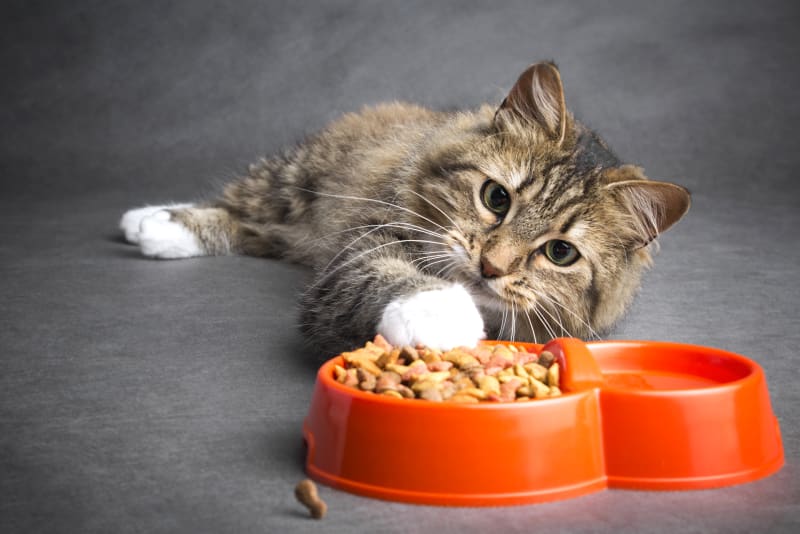
A note on why your cat don’t eat dry food: many cats dislike dry food texture and smell. Some find it hard to crunch if teeth hurt. Wet, warmed, or broth-rich foods often help.

What to do at home in the first 24 hours
If your cat is bright and drinking, try these steps. If not, skip to vet care below.
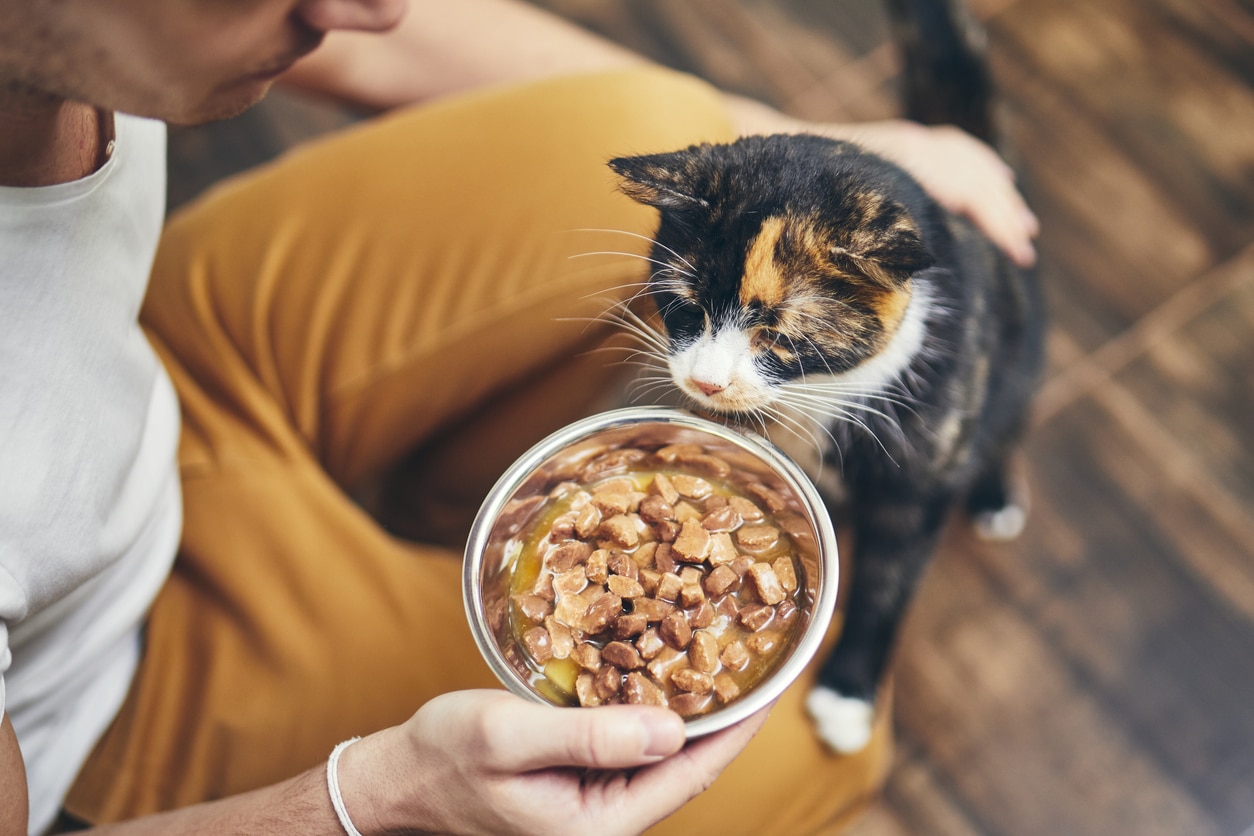
- Offer strong-smelling wet food: Tuna water, sardine water, or warmed pate.
- Warm the food: 10–15 seconds in the microwave. Stir well. Test temp.
- Try texture tests: Pate, shreds, mousse, or minced. Many cats have a style.
- Use toppers: Plain chicken, bonito flakes, FortiFlora, or a tiny bit of baby food (chicken only, no onion/garlic).
- Hand-feed: Offer pea-sized bites on a spoon or finger.
- Create calm: Quiet room, lights low, no dogs or kids around.
- Elevate the bowl: Some cats like it level with chest height.
- Offer small, frequent meals: Every 2–3 hours.
- Fresh water in many spots: A fountain can tempt reluctant drinkers.
- If you just changed food: Mix old and new in slow steps over 7–10 days.
I get asked How Long is it okay for a Cat to Go Without Eating? all the time. These steps aim to prevent you from reaching that limit. If no improvement in 12–24 hours, call your vet.

When to call the vet and what to expect
Call your vet if your adult cat has not eaten in 24 hours, or sooner if your cat is young, old, sick, or overweight. Bring notes on when eating stopped, water intake, and litter box use.
Your vet may do:
- Exam and basic tests: Bloodwork, urine test, stool check.
- Imaging: X-rays or ultrasound to look for pain or blockages.
- Fluids: To fix dehydration and nausea.
- Anti-nausea meds: These ease the upset and help food stay down.
- Appetite stimulants: Mirtazapine or capromorelin may be used.
- Pain relief: If dental or joint pain is present.
- Feeding plan: They may guide safe syringe feeding or place a feeding tube if needed.
How Long is it okay for a Cat to Go Without Eating? In a clinic, we try to break the fast the same day in a safe way.
How to transition foods without a hunger strike
Food switches can trigger a boycott. Use slow, steady steps.
- Day 1–2: 75% old food, 25% new.
- Day 3–4: 50% old, 50% new.
- Day 5–6: 25% old, 75% new.
- Day 7: 100% new.
Extra tips:
- Keep one bowl of the old food nearby. This gives comfort.
- Stay on schedule. Cats love routine.
- If your cat dislikes dry food, lean on wet food or add warm water or broth.
This plan makes the question How Long is it okay for a Cat to Go Without Eating? less scary, because your cat stays engaged through the change.

How much should my cat eat each day?
A simple guide for a healthy adult:
- Calories: About 20 calories per pound per day. A 10-pound cat needs about 200 calories.
- Wet food math: Most 3-ounce cans have 70–100 calories. Check the label.
- Dry food math: Varies a lot. Weigh portions for accuracy.
Track intake:
- Use a kitchen scale to weigh food before and after.
- Log meals and snacks.
- Watch body weight weekly. Aim for slow, steady trends.
How Long is it okay for a Cat to Go Without Eating? If a cat is hitting daily calories, you are safe. If intake drops for a day, act early.
My real-world tips from the clinic
These small tweaks often flip a no into a yes.
- Warm, smelly wins: Rotisserie chicken smell (plain, no skin or spice) can tempt. Use tiny bits only.
- Texture is king: One cat of mine ate only mousse. Another wanted chunky gravy.
- Scent hacks: Rub a bit of wet food on the paw. Licking can restart interest.
- Quiet zone: Feed in a small bathroom. Close the door. Remove stress.
- Meal rhythm: Offer, wait 15 minutes, remove. Repeat in a few hours.
- Puzzle bowls: For playful cats, hunting the food boosts drive.
Clients ask me How Long is it okay for a Cat to Go Without Eating? The right environment often makes that clock stop mattering.
Safety notes and mistakes to avoid
A few hard rules keep your cat safe.
- Do not force-feed without training. Aspiration is a real risk.
- Do not wait on kittens. Hunger can turn urgent fast.
- Do not fast an overweight cat to “lose weight.” That risks fatty liver.
- Do not make sudden food changes. Go slow.
- Do not mask symptoms with home meds. Get vet advice first.
If you still wonder How Long is it okay for a Cat to Go Without Eating?, remember that early action beats late care every time.
Frequently Asked Questions of How Long is it okay for a Cat to Go Without Eating?
Can a cat go 24 hours without food?
A healthy adult sometimes can, but it is not ideal. Call your vet if your cat skips a full day of meals.
Is it okay if my kitten skips a meal?
No. Kittens can become low on sugar fast. If your kitten refuses food, call your vet the same day.
How do I know if it is nausea or pickiness?
Nausea shows as lip smacking, drooling, or walking away after sniffing. Picky cats may eat treats but refuse the main food.
Will a cat starve itself if it dislikes the food?
Some will hold out. That is why a slow mix of new and old food is best, along with tasty toppers.
Should I switch to wet food if my cat won’t eat dry?
Yes, wet food can help. It smells stronger, is softer on teeth, and boosts water intake.
When should I worry about fatty liver disease?
If a cat is overweight and not eating for 2–3 days, risk is high. Watch for yellow gums, lethargy, and vomiting.
What can I add to food to boost appetite?
Try tuna water, warm broth with no onion or garlic, bonito flakes, or a vet-approved probiotic. Small amounts only.
Conclusion
Cats are not built to skip meals. For healthy adults, 24 hours without food is the outer limit, and less for kittens, seniors, sick, or overweight cats. If you have been asking How Long is it okay for a Cat to Go Without Eating?, act early, watch for red flags, and lean on your vet for quick help.
Try the simple steps today. Warm the food, add scent, and create a calm space. If your cat still will not eat, call your clinic and share the timeline. You know your cat best, and your fast action can prevent bigger problems.
Want more tips like this? Subscribe for new guides, or drop your questions in the comments so I can help next.