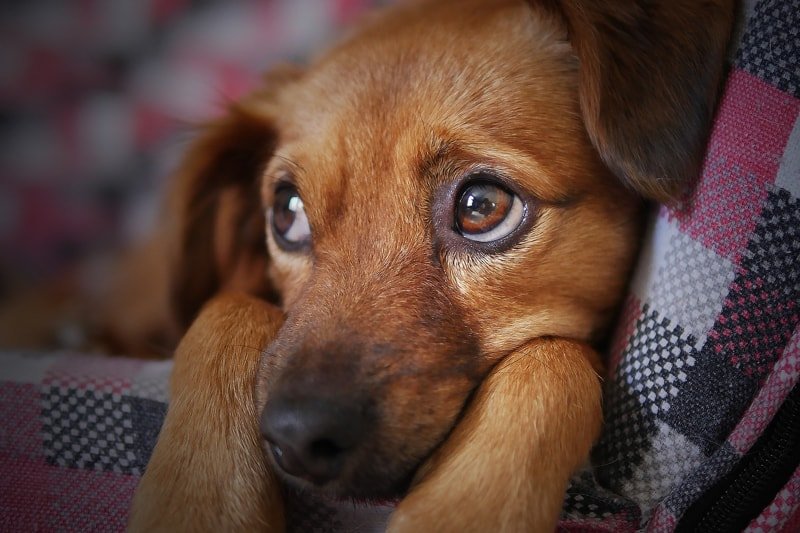

Most sick dogs act quieter, eat less, hide, and change bathroom habits.
If you’ve ever wondered how do dogs act when they feel sick, you’re in the right place. I’ve spent years helping families read their dogs’ tiny signals before they turn into big problems. This guide breaks down real signs, vet-backed checks, and simple steps you can use today. By the end, you’ll feel confident spotting how do dogs act when they feel sick and knowing what to do next.
:strip_icc()/signs-of-illness-in-dogs-1118669_v3-7874d22e2d324f5285e4f2a7604c6651.png)
Source: thesprucepets.com
Behavior Changes: The First Clues Your Dog Feels Unwell
How do dogs act when they feel sick? The first signs often show up in behavior. Dogs are experts at hiding pain. So small shifts matter.
Watch for these changes:
- Lower energy. Your dog naps more, slows down, or lags on walks.
- Clingy or distant. Some dogs want comfort. Others hide in a quiet spot.
- Restless or pacing. They can’t settle, and they change sleeping spots.
- Less interest in play. Toys and games get ignored.
- Irritability. Snaps during grooming or when handled. This can mean pain.
- Changes in voice. Whining, whimpering, or unusual silence.
- New habits. Licking one area, staring, or unusual drooling.
A quick story: I once saw a friendly Lab go from greeter to loner in two days. No limp. No vomiting. Just quiet. Bloodwork later showed a brewing infection. That shift in behavior was the only early clue.
So, how do dogs act when they feel sick? They act different from their normal. Track what “normal” looks like on good days. Then, even small changes will stand out.
Source: animalkingdomaz.com
Physical Symptoms: What Matters and What It May Mean
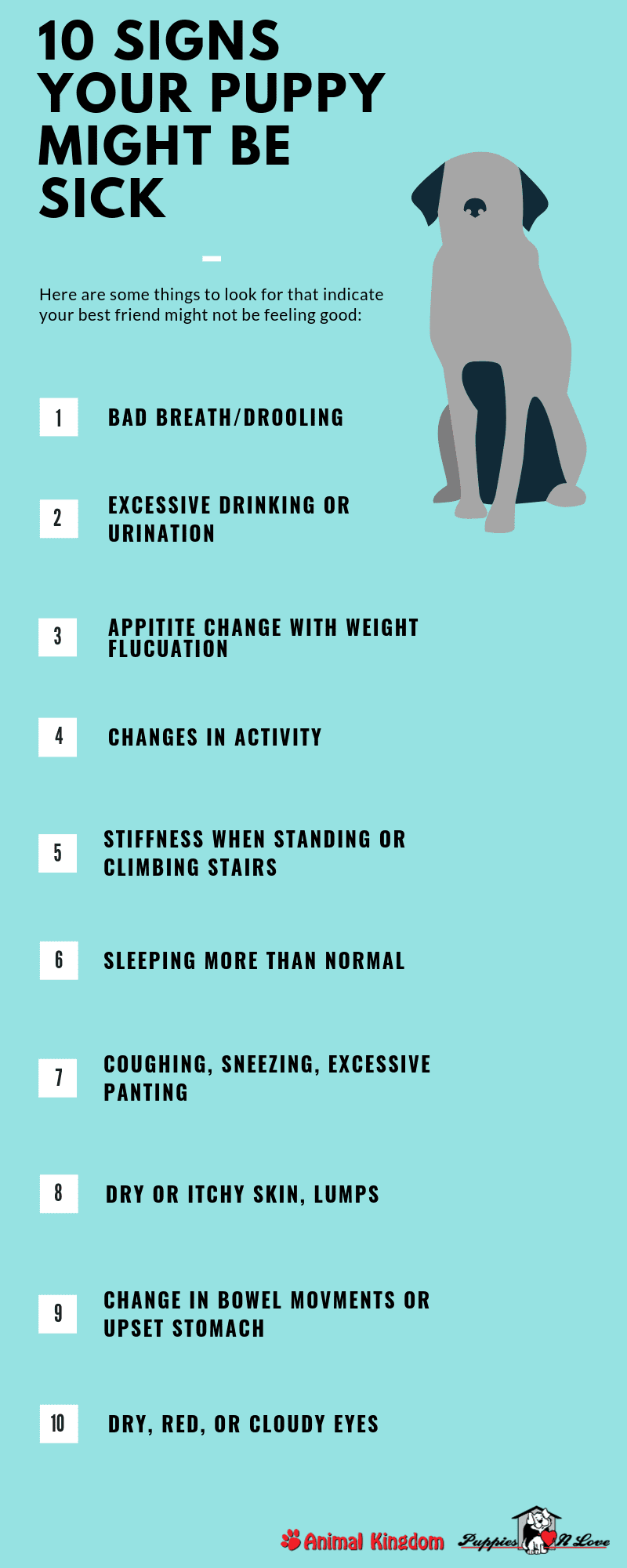
How do dogs act when they feel sick often shows in the body too. Look head to tail. Small signs stack up.
Common signs to note:
- Appetite changes. Skipping meals, eating less, or sudden food pickiness.
- Nausea signs. Lip licking, drooling, grass eating, or smacking.
- Vomiting or diarrhea. One mild episode can pass. Repeats mean a vet call.
- Thirst and urination. Drinking much more or much less. Peeing less or straining.
- Breathing changes. Coughing, sneezing, wheezing, or fast breathing at rest.
- Fever signs. Warm ears, hot paws, shivering, or glazed eyes.
- Pain signs. Limping, stiffness, flinching, hunched back, or heavy panting.
- Skin and coat. Dull coat, dandruff, hot spots, odor, or new lumps.
- Eyes and nose. Red eyes, squinting, discharge, or a dry nose that stays dry.
- Odd posture. Prayer pose (front down, rear up) can mean belly pain.
From clinic work, I learned that “he just seems off” often beats fancy tests as the first hint. If two or more signs show up, call your vet. How do dogs act when they feel sick can be subtle. Patterns matter.

Source: bowmanvet.com
Age, Breed, and Personality: Why Sick Signs Look Different
How do dogs act when they feel sick changes with age, breed, and temperament. Knowing this helps you avoid false alarms.
- Puppies. They crash fast. Mild diarrhea can dehydrate them. Any vomit plus no appetite is urgent.
- Seniors. They hide pain. Slow walks, stiff rises, and new accidents can mean arthritis, kidney issues, or more.
- Flat-faced breeds. Snoring is normal, but gasping, blue gums, or heat stress is not.
- Toy breeds. Skipped meals can cause low blood sugar. Wobbly steps need fast help.
- Stoic dogs. Some working breeds push through pain. Watch for tiny shifts.
- Anxious dogs. Stress can mimic sickness. But stress and sickness can overlap.
I once helped a shy rescue who hid behind a chair when nauseous. Another dog became extra cuddly when he had ear pain. How do dogs act when they feel sick depends as much on who they are as what they have.
Source: akcpetinsurance.com
Simple At-Home Checks Before You Call the Vet
How do dogs act when they feel sick can be confirmed with calm, quick checks. Keep it gentle. Stop if your dog resists.
Try these:
- Temperature. Use a digital rectal thermometer with lube. Normal is about 99.5–102.5°F.
- Gums. Healthy gums are pink and moist. Pale, blue, bright red, or tacky gums need a vet.
- Hydration. Lift skin over the shoulder. It should snap back fast.
- Heart rate. Feel the chest behind the elbow. Normal resting range is about 60–140 beats per minute based on size.
- Breathing rate. Count breaths at rest. Normal is about 10–35 per minute.
- Belly check. Press gently. A tight, painful, or bloated belly needs urgent care.
- Mobility. Watch sit, stand, and stairs. Note stiffness or favoring.
Keep a baseline note on good days. Then repeat the same checks when you worry. That way, you can tell your vet what changed.

Source: aspcapetinsurance.com
When To Call the Vet and What To Expect
How do dogs act when they feel sick can guide timing. Some signs mean “go now.” Others allow a same-day call.
Call a vet now for:
- Repeated vomiting or diarrhea, blood, or black stools
- Trouble breathing, blue or pale gums, collapse, seizures, or severe pain
- Bloated belly, unproductive retching, or sudden huge thirst and pee
- Toxin risk like chocolate, grapes, meds, or xylitol
Call soon for:
- No eating for 24 hours, or 12 hours in small breeds
- Lethargy, fever signs, limping, ear pain, or eye squint
- New cough, nose discharge, or bad odor
At the clinic, expect a history, exam, and possible tests:
- Blood and urine tests to check organs and infection
- X-rays or ultrasound for belly or chest
- Fecal test for parasites
- Pain relief and fluids if needed
Bring notes. Bring a list of food, meds, and recent changes. How do dogs act when they feel sick is your best lead. Your clear notes speed answers.
Source: holidaybarn.com
Daily Habits That Prevent Problems and Catch Them Early
How do dogs act when they feel sick is easier to spot when you set a steady routine. Simple habits help.
Build these into your week:
- Feed a consistent, vet-approved diet. Sudden changes upset the gut.
- Keep fresh water in two spots. Wash bowls daily.
- Use year-round parasite control. Fleas, ticks, and worms cause many issues.
- Stay on vaccines as advised. Ask about local risks and lifestyle.
- Brush teeth and check ears and paws. Grooming reveals pain early.
- Keep a health log. Note weight, appetite, poop, sleep, and energy.
- Teach “touch” and handling. Practice mouth, paw, and ear checks with treats.
- Keep a first-aid kit. Include a thermometer, saline, bandage wrap, and vet number.
I learned to do a one-minute head-to-tail check after dinner. It caught a hot spot early on my own dog. A quick habit can save pain and money.
How do dogs act when they feel sick? Slightly different from yesterday. Notice that, and you stay ahead.

Source: wisconsinpetcare.com
Frequently Asked Questions of How Do Dogs Act When They Feel Sick?
What are the first signs my dog is getting sick?
Look for lower energy, appetite changes, and new bathroom habits. Subtle behavior shifts often show up before clear physical signs.
How can I tell if my dog has a fever?
Feel the ears and paws for warmth, but confirm with a rectal thermometer. A reading over 102.5°F is high and needs a call to your vet.
When is vomiting an emergency?
One mild episode can pass, but repeated vomiting or blood is urgent. Vomiting with a swollen belly or collapse needs immediate care.
Why is my dog suddenly hiding or avoiding me?
Hiding can mean pain, nausea, or stress. If it’s new and lasts more than a day, check other signs and call your vet.
Can stress make my dog act sick?
Yes. Stress can cause tummy upset and behavior changes. Track patterns and rule out health issues with your vet if it repeats.
What should I do if my dog won’t eat?
Offer bland food like boiled chicken and rice once, if safe for your dog. If they skip two meals or seem weak, call your vet.
How do dogs act when they feel sick at night?
They may pace, pant, or ask to go out more. Note the time and signs, and call your vet if it repeats or worsens.
Conclusion
You now know how dogs act when they feel sick and which signs matter most. Trust your gut, track small changes, and use simple home checks to guide your next step. When in doubt, call your vet early. It is always better to catch a problem while it is small.
If this helped, share it with a fellow dog parent, subscribe for more pet insights, or drop your questions in the comments. Your dog counts on you, and you’ve got this.