


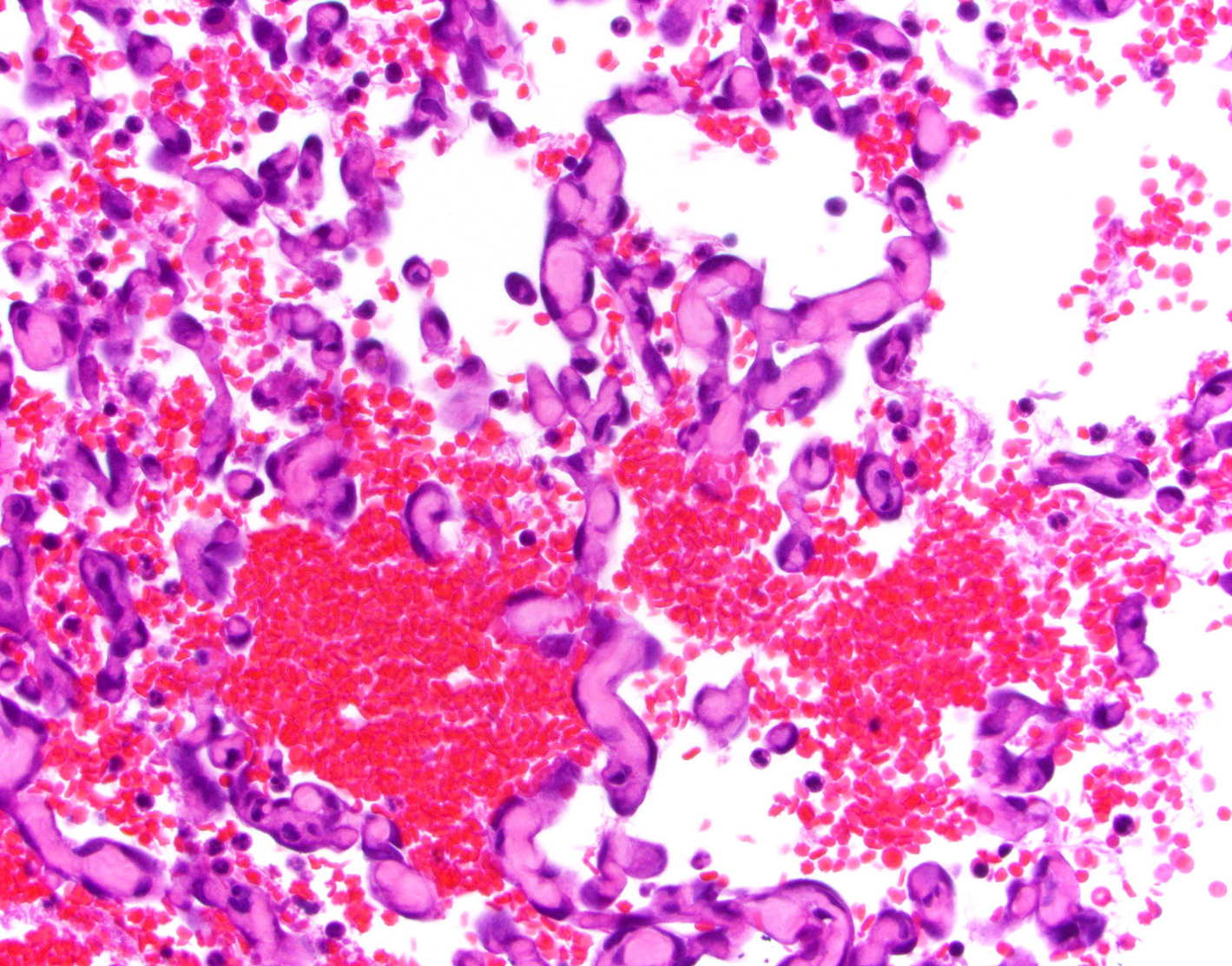
Hemangiosarcoma, heartworm, kidney disease, and bloat are silent killers in dogs.
If you have ever wondered what is a silent killer for dogs, you are not alone. As a longtime pet health writer who works closely with veterinarians, I have seen how fast these hidden dangers strike. In this guide, I explain what to watch for, how to act fast, and the simple steps that save lives. Keep reading to learn how to protect your best friend with calm, clear, and proven advice.

What is a silent killer for dogs?
What is a silent killer for dogs? It is a disease or emergency that grows or hits with little warning. There may be no clear signs at first. By the time you notice a change, the risk can be very high.
These conditions hide in plain sight. They can look like normal aging, a sleepy day, or a mild tummy upset. Then, things change in minutes.
Common examples include:
- Hemangiosarcoma in the spleen or heart
- Heartworm disease that scars the lungs
- Chronic kidney disease
- Gastric dilatation-volvulus, also called bloat
- High blood pressure and some heart disease
- Severe dental disease that harms organs
What is a silent killer for dogs? It is the danger you cannot see until it is almost too late. This article shows you how to see it sooner.

Top silent killers every dog parent should know
What is a silent killer for dogs? The answer often lies in a short list of threats that show up again and again in clinics. Here are the big ones, with simple action steps you can use today.
Hemangiosarcoma (the quiet bleeder)
- What it is: A fast growing cancer of blood vessels. It often starts in the spleen or heart.
- Risk signs: Weakness that comes and goes, pale gums, a big belly, sudden collapse.
- Why it is silent: Small bleeds stop on their own. Your dog seems fine, until a big bleed.
- Action: Any fainting or pale gums is an emergency. Ask your vet about screening for large breeds as they age.
Heartworm disease
- What it is: Worms that live in the heart and lungs. Spread by mosquitoes.
- Risk signs: Cough, low energy, weight loss. Early on, there may be no signs at all.
- Why it is silent: Damage builds up slowly over months.
- Action: Year-round prevention is key. Test once a year. Do not skip doses.
Chronic kidney disease
- What it is: Slow loss of kidney function.
- Risk signs: More thirst, more pee, weight loss, bad breath, nausea.
- Why it is silent: The body can cope for a long time, until it cannot.
- Action: Annual blood and urine tests catch it early. Early care adds years.
Bloat and GDV (stomach twist)
- What it is: Gas build-up and a twisted stomach. Life threatening in hours.
- Risk signs: Swollen belly, retching with no vomit, restlessness, pain.
- Why it is silent: It can hit a healthy dog with no warning.
- Action: Go to the ER right away. Ask your vet about a stomach tack surgery for high risk breeds.
High blood pressure and heart disease
- What it is: High pressure can harm eyes, brain, and kidneys. Small breeds often get valve disease.
- Risk signs: Often none. Watch for cough, fast breathing at rest, or fainting.
- Why it is silent: Pressure rises and damages organs in the background.
- Action: Ask for blood pressure checks, heart exams, and x-rays if there are signs.
Severe dental disease
- What it is: Gum disease and deep infection.
- Risk signs: Bad breath, red gums, loose teeth, drool, face pain.
- Why it is silent: Dogs hide mouth pain. Bacteria can stress the heart, liver, and kidneys.
- Action: Daily brushing, dental chews, and cleanings as your vet advises.
Many people ask, what is a silent killer for dogs? These are the top answers, and they all reward early action.

Early signs you can spot at home
What is a silent killer for dogs? It is often the cause behind small changes you might ignore. Watch for these red flags:
- Pale, gray, or yellow gums
- Sudden low energy or a fainting spell
- A belly that looks bigger or tight
- Fast breathing at rest, or a new cough
- More thirst or pee than normal
- Weight loss with the same food
- Restless pacing, whining, or hiding
- Retching with no vomit
Trust your gut. If you think something is off, you are probably right.

Vet tests that catch problems early
What is a silent killer for dogs? It is a risk you can often catch with simple screening. Ask your vet about:
- Annual exam, blood panel, and urine test for all adults
- Blood pressure checks, especially for seniors
- Heartworm test every year, plus year-round prevention
- Chest x-rays or an ultrasound if there are hints of heart, lung, or spleen issues
- Dental exam and dental x-rays during cleanings
A quick guide by life stage:
- Puppies: Exams and parasite checks at each vaccine visit
- Adults 1–7 years: Yearly exam, labs, heartworm test, dental check
- Seniors 7+ years: Exam every 6 months, labs, blood pressure, and imaging as needed
Screening is the quiet way to stop a silent threat.

Prevention playbook: daily habits that lower risk
What is a silent killer for dogs? It meets its match when you use steady, simple habits.
- Give heartworm, flea, and tick prevention all year
- Keep weight healthy with measured meals and daily walks
- Brush teeth or use vet-approved dental care
- Offer fresh water at all times
- Avoid table scraps, fatty foods, and cooked bones
- Use a slow-feeder bowl for fast eaters
- Split large meals into two or three small meals
- Know your breed risks and plan checkups around them
Small steps, done often, change outcomes in a big way.

Real stories from the clinic
What is a silent killer for dogs? I have seen it up close, and it is humbling.
A sweet Lab came in after a gentle collapse. He bounced back in the car. In the exam room, his gums were pale. An ultrasound showed a bleeding spleen mass. Surgery that night gave him more good months with his family.
A quiet senior terrier drank more water for weeks. The family thought it was heat. A simple blood and urine test showed early kidney disease. With diet and meds, her spark returned.
A young rescue tested positive for heartworm. He had no cough. The test saved his life. He finished treatment and now hikes every weekend.
These wins start with one choice: do not wait on vague signs.

What to do in an emergency
What is a silent killer for dogs? It can move fast, so your plan should be simple.
- Check breathing and gums. Pale or blue gums mean go now.
- Count breaths at rest. Over 40 per minute at rest is a red flag.
- If there is collapse, belly swelling, or nonstop retching, head to the ER.
- Call the clinic on the way. Tell them your dog’s age, signs, and when it started.
- Bring meds and recent records if you can.
- Do not give human meds unless your vet says so.
Speed and calm help your dog and the vet team.
Frequently Asked Questions of What is a silent killer for dogs?
What is a silent killer for dogs in simple terms?
It is a disease or crisis with few signs until it is severe. Think heartworm, bloat, hidden bleeding, or kidney disease.
Which breeds face higher risk of silent killers?
Large, deep-chested dogs face higher bloat risk. Some large breeds face more hemangiosarcoma. Small breeds often face valve disease with age.
How often should I ask my vet, “What is a silent killer for dogs?” about my pet?
Ask at each checkup, and review your dog’s breed and age risks. Your vet can tailor tests to your dog’s needs.
Is heartworm what is a silent killer for dogs?
Yes, heartworm fits that term because damage builds quietly. Monthly prevention and yearly tests are the best defense.
Can dental disease really be a silent killer?
Yes. Infection in the mouth can affect the heart, kidneys, and liver over time. Prevent with daily care and cleanings.
What early change should send me to the vet now?
Sudden collapse, pale gums, nonstop retching, or a tight belly are urgent signs. Do not wait to see if it passes.
Conclusion
Silent killers hide in small changes, then strike hard. Now you know what is a silent killer for dogs, how they look, and how to act fast. Use simple habits, steady screening, and trust your gut when things feel off.
Make a plan today: book a checkup, set monthly prevention reminders, and start a home health log. If this guide helped, share it with a friend, subscribe for more pet health tips, or leave a question so we can help your dog live a longer, happier life.