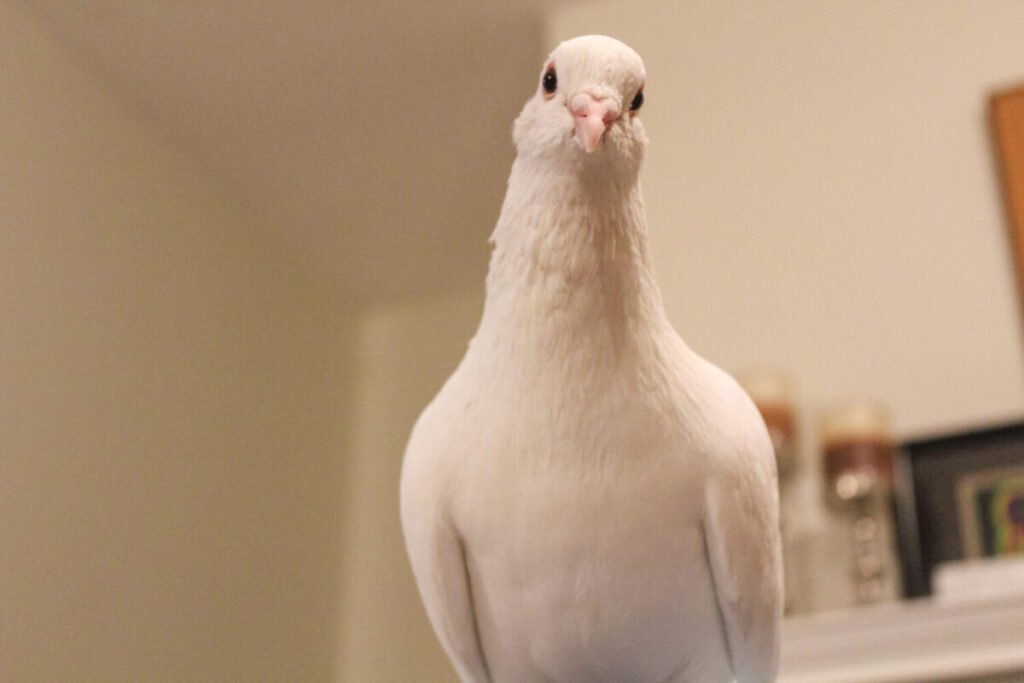

Yes, you can keep a pigeon as a pet, but laws and care needs apply.
If you have ever wondered Can You Have a Pigeon as a Pet, you are in the right place. I have fostered tame city pigeons and kept fancy breeds at home. In this guide, I break down laws, care, housing, diet, health, and real-life tips. Read on to learn how to do it right and decide if a pigeon fits your life.
Source: reddit.com
What it really means to keep a pigeon as a pet
Can You Have a Pigeon as a Pet depends on more than a yes or no. It is a daily routine, a bond, and a home setup. Pigeons are calm, smart, and loyal. They like soft hands, steady habits, and safe spaces.
Most pet pigeons are domestic birds, not wild ones. They come in many breeds and sizes. Some enjoy gentle indoor time. Others do best in a roomy aviary. Think of them as tidy, quiet roommates with wings.
Can You Have a Pigeon as a Pet if you work long hours? You can, but plan time for care. Aim for short, daily sessions for feeding, cleaning, and play. Pigeons glow with routine.
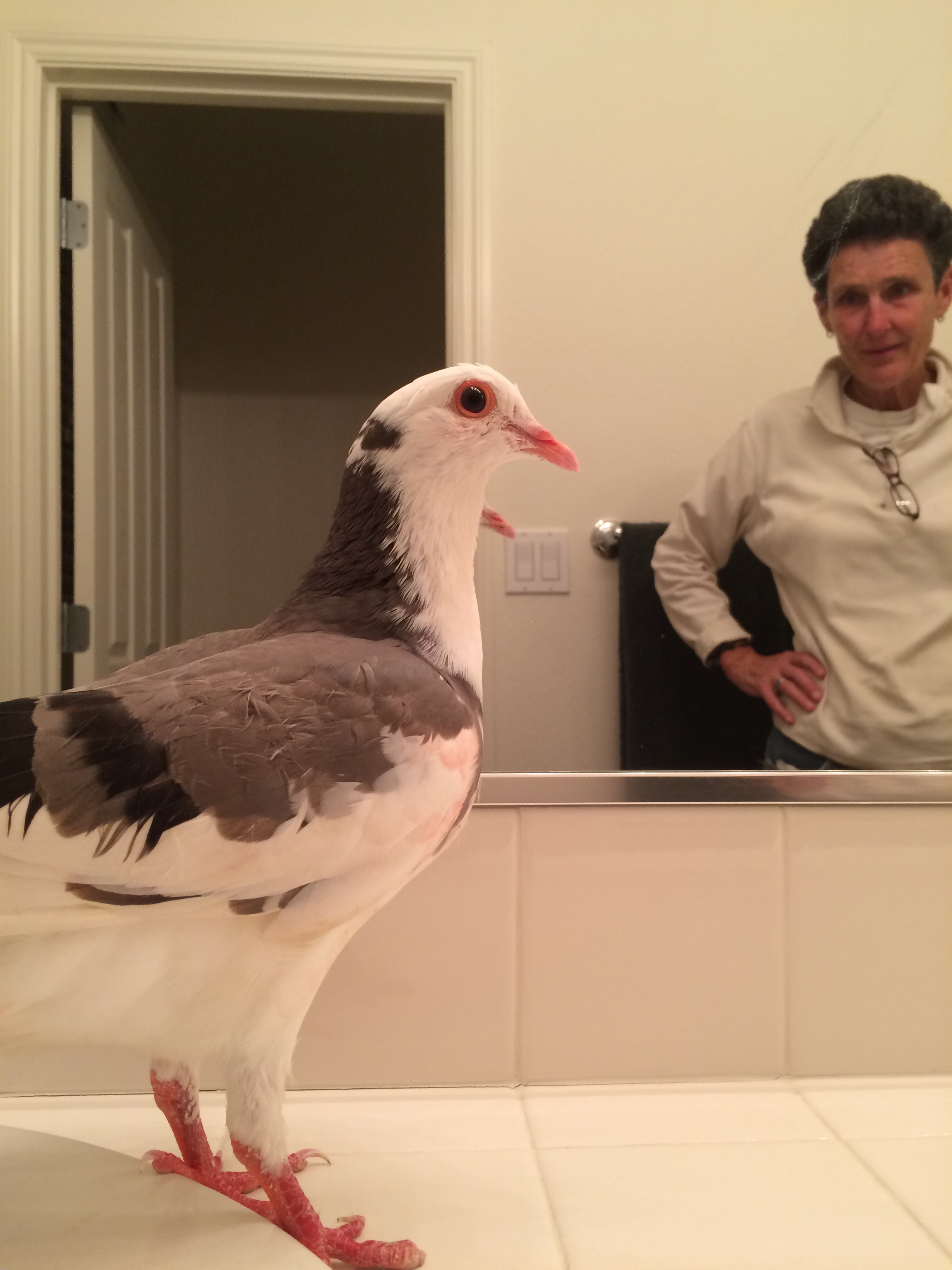
Source: pigeonrescue.org
Laws and permits: is it legal where you live?
Can You Have a Pigeon as a Pet is a legal question first. Rules vary by city, county, and HOA. Some places allow indoor pigeons but limit outdoor lofts. Some require permits for backyard aviaries. A few cities ban keeping pigeons at home.
Wildlife rules matter too. In the U.S., rock pigeons are not native. But taking birds from the wild can still break local laws. Adopt domestic birds or rehabbed, non-releasable pigeons with proper approval. When in doubt, call animal control or your local wildlife agency.
Ask about noise, waste, and neighbor rules. Good planning avoids stress later. Put it in writing if you rent.
Source: dreamingofachance.com
Which pigeons make good pets?
Not all pigeons are the same. Can You Have a Pigeon as a Pet that is calm and tame? Yes, if you choose the right type.
Good choices for beginners:
- Homers are hardy, sweet, and easy to house-train to a perch.
- Kings are larger, gentle, and like human time.
- Fantails are pretty and tame, but less athletic.
- Racing or rescue mix birds are often friendly and loyal.
Where to get a bird:
- Adopt from a pigeon rescue or shelter. Many tame birds need homes.
- Work with ethical breeders who handle birds daily.
- Avoid taking from wild flocks. Avoid unvetted online sellers.
Ask about age, health, and history. A bird that has been handled is easier for first-time owners.
Source: pigeonrescue.org
Housing: indoor setup or outdoor aviary
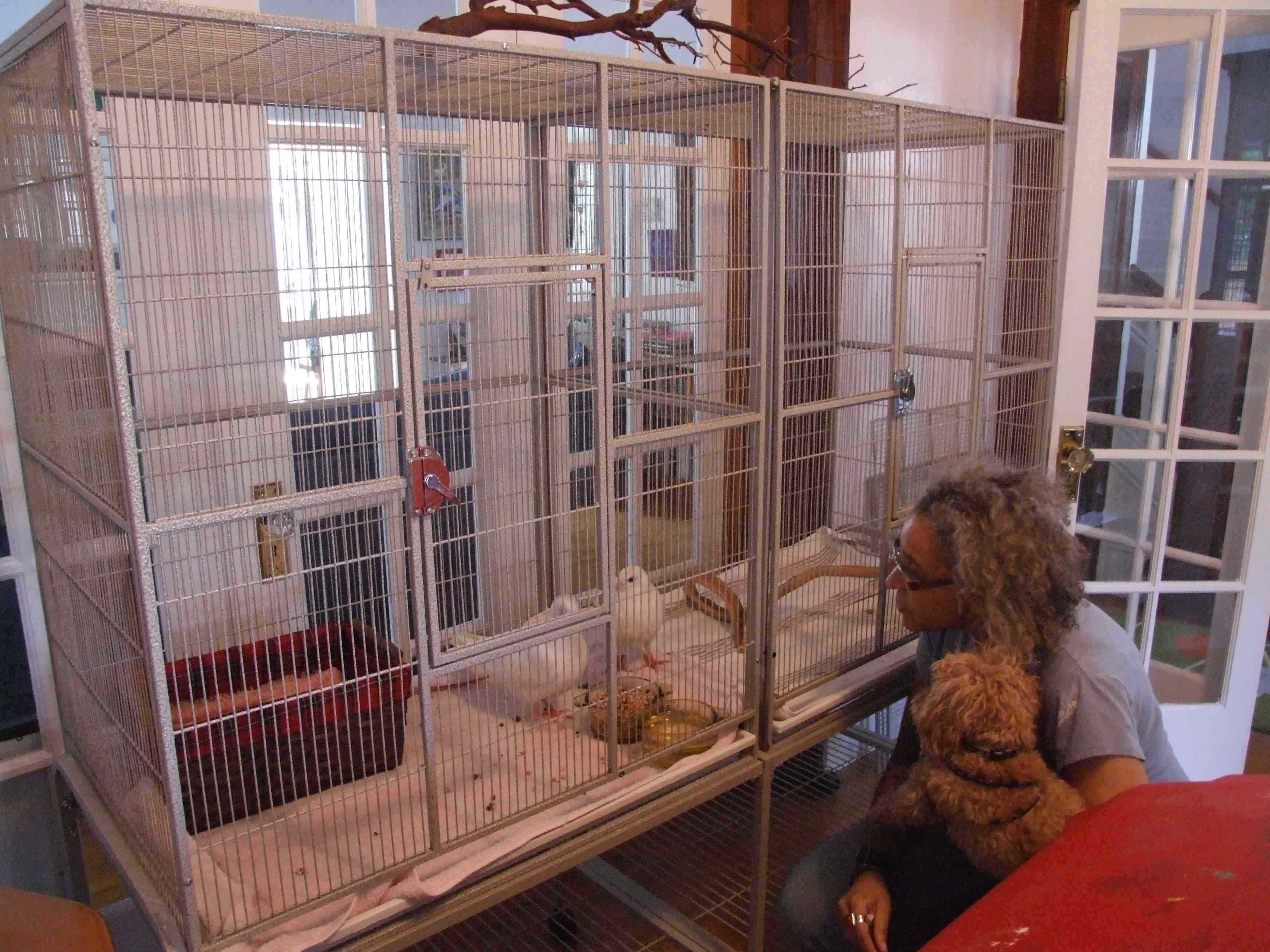
Can You Have a Pigeon as a Pet indoors? Yes, with a safe room and smart cleanup. Or you can build a strong, predator-proof aviary outdoors. Either way, space and safety come first.
Indoor tips:
- Use a roomy cage or pen for sleep and rest. Offer perches and a nest box.
- Give daily free flight in a safe room. Cover mirrors and windows.
- Protect from fumes. Avoid nonstick cookware fumes and aerosols.
- Diaper “flight suits” can help, but many birds prefer a set potty perch.
Outdoor tips:
- Build a dry, airy loft with solid walls and wire only on safe sides.
- Use tight mesh to stop raccoons, rats, and hawks.
- Provide shade, shelter, and draft-free corners.
- Plan at least 10 cubic feet of space per bird, more is better.
Add soft rope perches, a bath pan, and toys to shred. Clean droppings daily to keep dust and smell low.

Source: greenvalleygrains.com
Diet: what pigeons eat and what to avoid
A balanced diet is key. Can You Have a Pigeon as a Pet that thrives on simple food? Yes. Keep it clean and steady.
Daily basics:
- Good pigeon or dove seed mix plus a quality pellet.
- Fresh greens like kale, romaine, or herbs.
- Small amounts of peas, corn, or chopped veggies.
- Fresh, clean water at all times.
Supplements:
- Provide calcium. Crushed oyster shell helps, especially for hens.
- Offer mineral grit in small amounts. Many birds do fine with little or none.
- Indoor birds may need vitamin D3 if there is no sun.
Never feed:
- Chocolate, avocado, caffeine, alcohol.
- Salty snacks, onion, garlic.
- Moldy or spoiled food.
Change water and remove old food each day. Keep bowls off the floor to reduce dirt.
Source: pigeonrescue.org
Health, hygiene, and vet care
Can You Have a Pigeon as a Pet and keep it healthy long term? Yes, with clean habits and vet support. Pigeons are tough but need care.
Daily and weekly care:
- Scoop droppings daily. Replace paper liners or litter as needed.
- Offer a bath pan twice a week. Many pigeons love to splash.
- Sun time or full-spectrum light helps bones and mood.
Vet basics:
- Find an avian vet before you adopt.
- Quarantine new birds for 30 days in a separate air space.
- Ask about routine tests for parasites and common pigeon diseases.
Watch for signs:
- Fluffed feathers, weight loss, or green, watery poop.
- Head tilt, circling, or odd walking.
- Heavy breathing or nasal discharge.
Fast action helps recovery. Keep a small scale to track weight weekly.
Source: pigeonrescue.org
Behavior, bonding, and training
Can You Have a Pigeon as a Pet that bonds like a gentle friend? Yes. Pigeons love routine, soft voices, and clear cues.
Bonding tips:
- Sit near the cage and talk in a calm voice.
- Hand-feed small seeds to build trust.
- Keep sessions short and end on a good note.
Training ideas:
- Target training with a chopstick and a seed reward.
- Perch training to guide potty to one area.
- Recall training to your hand or a set spot.
Enrichment:
- Foraging trays with seeds under paper strips.
- Shreddable paper, straw, and safe cardboard.
- Simple puzzle cups to lift or nudge.
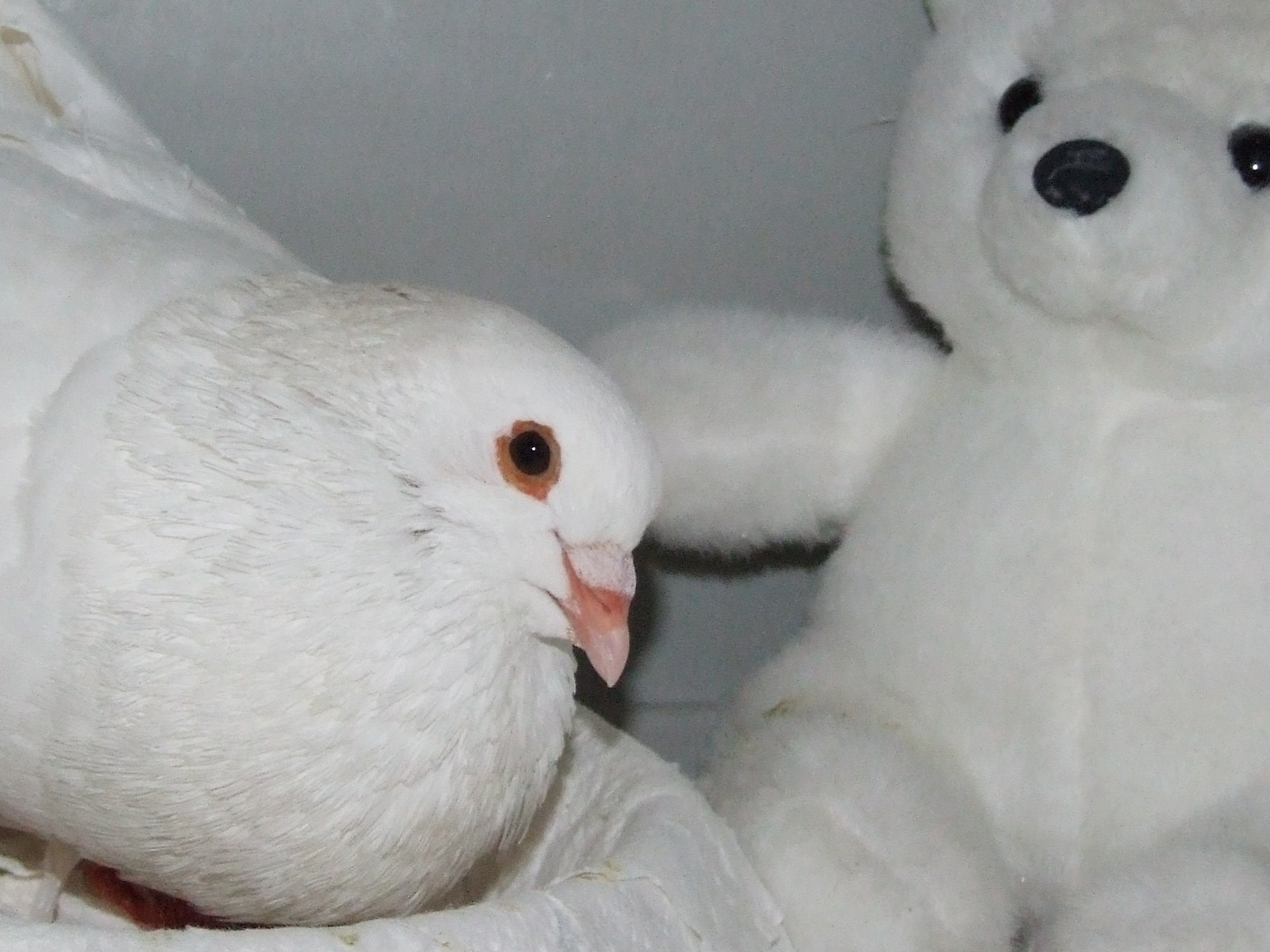
I once worked with a shy rescue who feared hands. We started with a scoop, then a perch, then a hand target. In two weeks, she chose to hop to my palm for peas. Slow, steady, kind.
Source: pigeonrescue.org
Time and cost: what to expect
Can You Have a Pigeon as a Pet on a budget? Often, yes. But plan for setup costs and vet care.
Time:
- 20 to 45 minutes daily for feeding, cleaning, and play.
- Extra time weekly for cage washes and baths.
Costs:
- Setup for cage, perches, bowls, and bath: about 200 to 800 dollars.
- Monthly food and supplies: about 20 to 50 dollars per bird.
- Vet visit and tests: plan a yearly check and an emergency fund.
Save money by adopting, buying in bulk, and using washable pads and perches. Never cut corners on vet care or safety.

Source: youtube.com
Pros and cons to weigh
Can You Have a Pigeon as a Pet and keep balance at home? Yes, if the pros match your life.
Pros:
- Quiet, gentle, and low odor with good cleaning.
- Strong bonds and sweet routines.
- Indoor or outdoor options.
Cons:
- Daily cleanup is a must.
- Travel is harder unless you have help.
- Local rules may limit outdoor lofts.
If the cons worry you, consider fostering first. You will learn fast and help a bird in need.
How to start the right way
Can You Have a Pigeon as a Pet without stress? Start with a solid plan and a checklist.
Before bringing a bird home:
- Confirm local rules in writing.
- Find an avian vet and book a wellness visit.
- Set up housing, perches, and a bath pan.
- Buy seed mix, pellets, and calcium.
- Bird-proof one room for safe flight.
Adopt from a rescue or shelter when you can. Tell them about your home, schedule, and budget. Good rescues match birds to people. They also teach you the ropes.
Common mistakes and how to avoid them
Can You Have a Pigeon as a Pet and avoid rookie errors? Yes. Learn from my misses.
Avoid these:
- Leaving windows bare. Use decals or screens to stop crashes.
- Wire floors that hurt feet. Use flat, easy-clean surfaces.
- Poor predator proofing outdoors. Use strong mesh and secure locks.
- Long isolation. Pigeons need daily contact or a bird friend.
- Dirty water. Change it every day, even if it looks clean.
My biggest lesson was underestimating dust. I now use easy-wash liners and a HEPA purifier near the loft. Cleaning takes minutes, and the air stays fresh.
Is a pigeon right for you? A quick gut check
Can You Have a Pigeon as a Pet that fits your space and time? Ask yourself a few simple questions.
- Do I have 30 minutes a day, every day?
- Can I clean calmly and often?
- Do I have a safe room or yard for flight?
- Is my landlord or HOA on board?
- Do I have a nearby avian vet?
If you said yes to most, you are close. If not, consider fostering or waiting until life is calmer.
Frequently Asked Questions of Can You Have a Pigeon as a Pet
Is it legal to keep a pigeon where I live?
It depends on your city and housing rules. Check local codes and ask animal control or your landlord before you commit.
Do pigeons make good indoor pets?
Yes, many do well indoors with safe flight time and a clean setup. They are quiet, social, and bond with patient people.
Can pigeons be potty trained?
Not fully like a dog, but you can guide habits. Use a set perch or station and reward returns to that spot.
Do pigeons smell?
With daily spot cleaning and weekly washes, odor stays low. Good ventilation and a bath pan also help.
Are pigeons safe around kids and other pets?
They can be, with calm handling and supervision. Keep dogs and cats managed, and teach kids to use soft hands.
How long do pet pigeons live?
Many live 10 to 15 years, and some longer with great care. Diet, safety, and vet checks matter.
Do pigeons carry diseases?
Healthy, clean birds kept indoors are low risk. Wash hands, keep housing clean, and see an avian vet if anything seems off.
What do pet pigeons eat?
A pigeon or dove seed mix with pellets, plus greens and clean water. Add calcium and avoid toxic foods like chocolate and avocado.
Can I keep just one pigeon?
You can if you give daily time and enrichment. Many pigeons also enjoy a bird companion to reduce stress.
Where should I get a pet pigeon?
Adopt from a rescue or shelter, or work with an ethical breeder. Avoid taking birds from the wild.
Conclusion
You asked, Can You Have a Pigeon as a Pet, and now you know the full picture. With the right legal checks, a safe setup, clean habits, and kind training, a pigeon can be a calm, loving companion. The care is simple, steady, and very rewarding.
If your next step is yes, start with the checklist, call an avian vet, and reach out to a rescue to meet your match. Ready to learn more? Subscribe for care tips, or leave a comment with your questions and your housing plans.