

Plain cooked meats, a little egg, some fruits and veggies—tiny, unseasoned portions.
If you have ever wondered What Human Foods Are Safe For Cats?, you are not alone. I work with pet parents every week who want safer snack options. In this guide, I share clear, vet-backed advice, the exact foods I use with my own cats, and smart rules that answer What Human Foods Are Safe For Cats? in a way you can trust and use today.
Source: kleinhofland.nl
How to think about human food for cats
Cats are obligate carnivores. They need animal protein first. Most human foods should be treats, not meals. Ask yourself with every bite: does this add clean protein, water, or gentle fiber?
Complete cat food covers core needs. Treats should be less than 10% of daily calories. A typical indoor cat needs about 180–250 calories per day. Keep treats within 10–25 calories daily.
Keep it plain. No salt, no garlic, no onions, no oil, and no sauces. Cook meats well. Remove bones and skin. Cut into tiny pieces. This simple rule will answer much of What Human Foods Are Safe For Cats? in a safe way.
I learned this the hard way with my foster cat, Miso. He loved chicken, but a “just a sprinkle” of seasoning upset his stomach. Plain won every time. This real-life test has shaped how I explain What Human Foods Are Safe For Cats? to clients now.
Source: co.uk
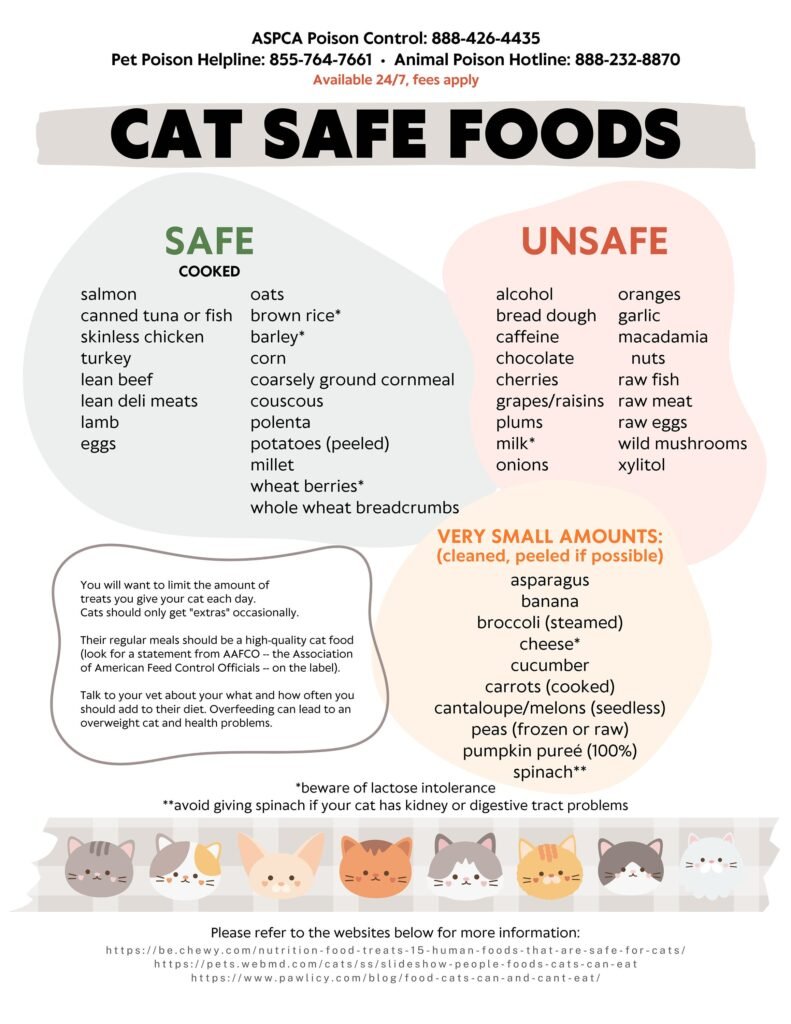
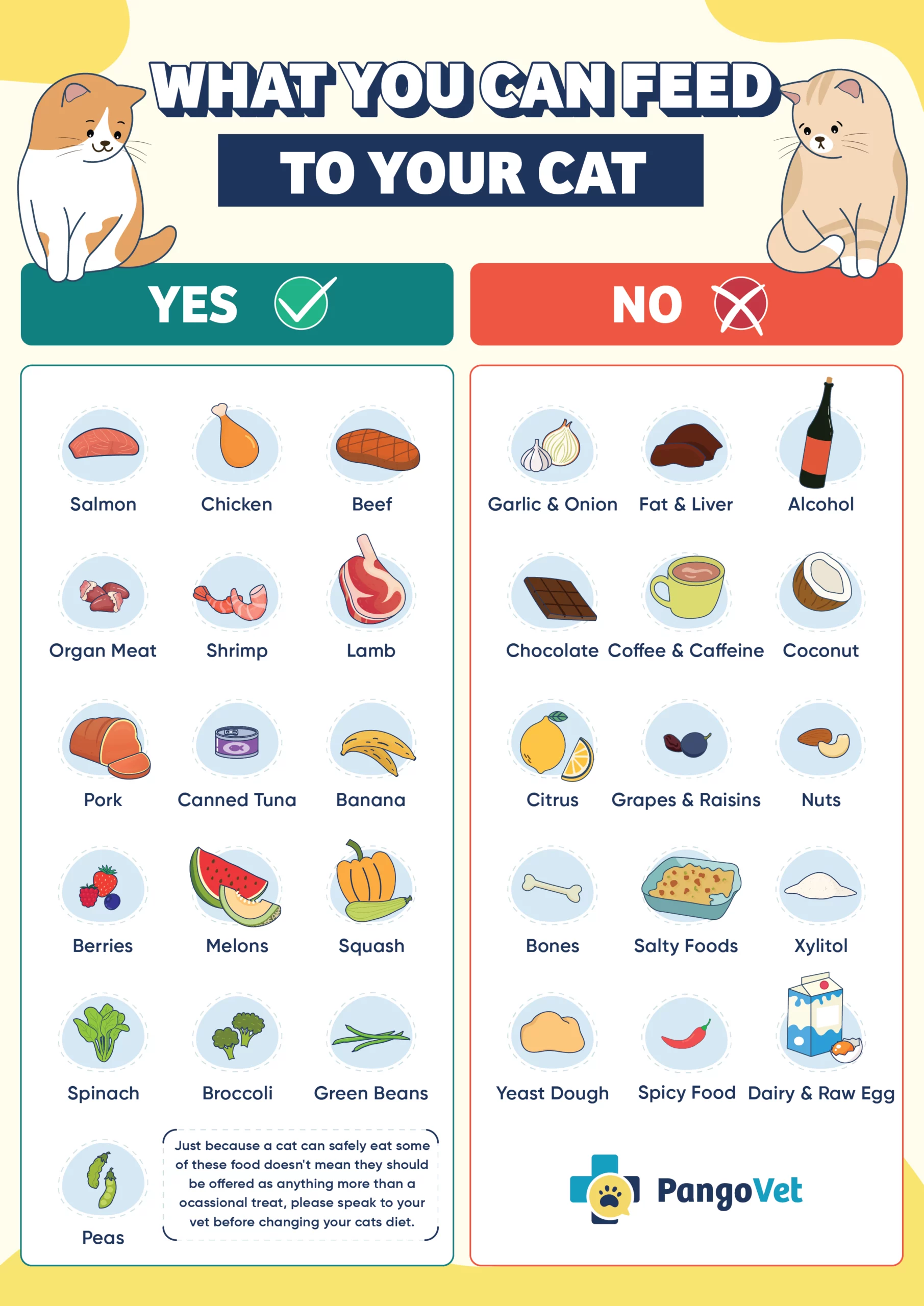
Safe human foods for cats
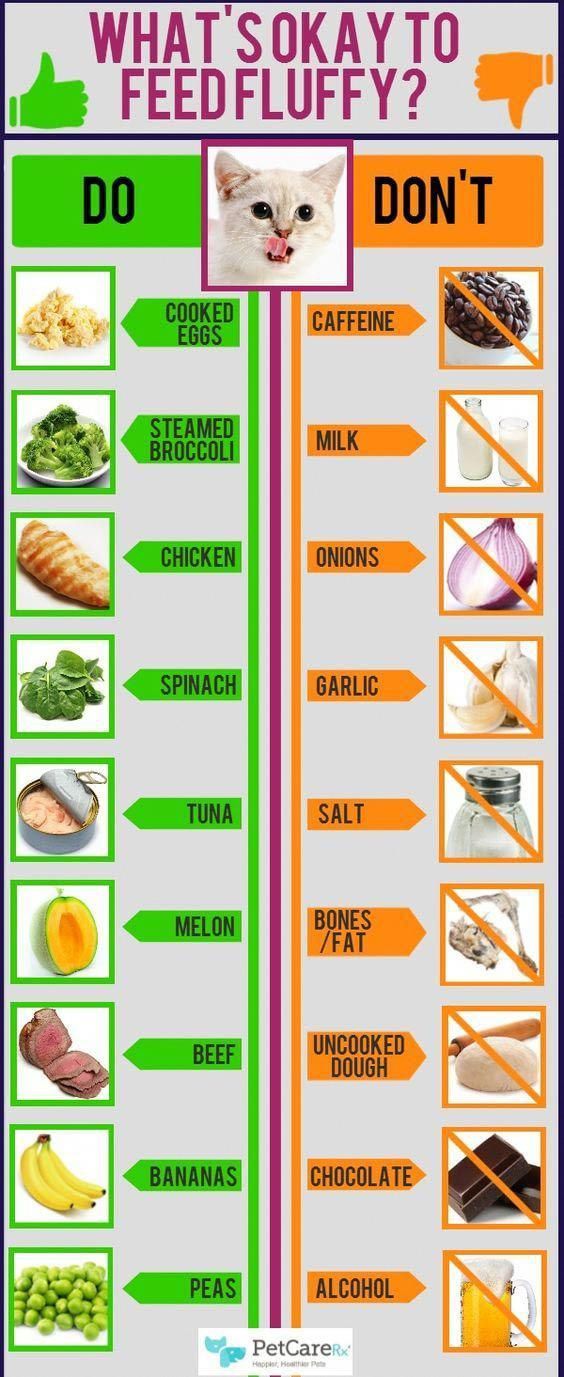
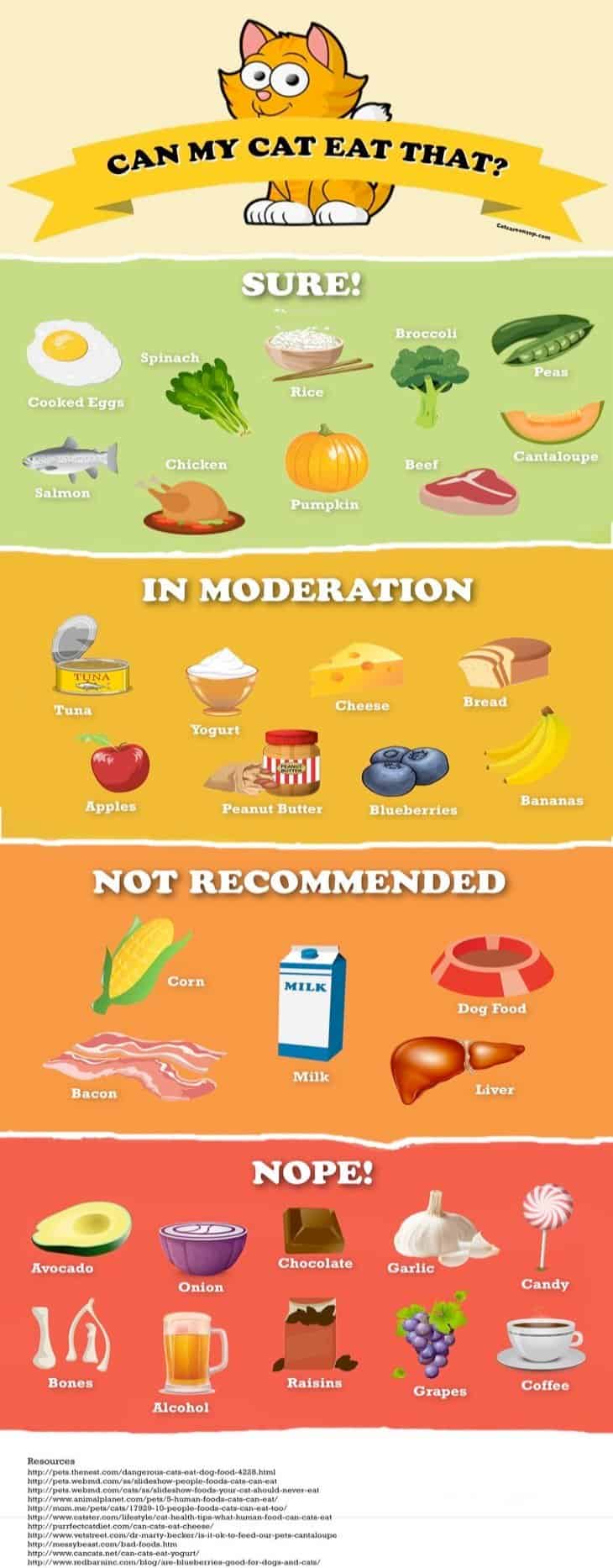
Below are foods I have used or seen recommended by veterinary nutrition teams. Always start with a tiny amount. If your question is What Human Foods Are Safe For Cats?, these are strong picks.
Proteins
- Cooked chicken or turkey, skinless and boneless. About 1–2 teaspoons.
- Cooked lean beef or pork, trimmed. About 1 teaspoon.
- Cooked salmon or sardines in water, bones removed. 1 teaspoon once or twice a week.
- Cooked eggs, scrambled or hard-boiled, no oil or butter. 1–2 teaspoons.
- Plain bone broth with no onion or garlic. A few teaspoons to moisten food.
Dairy (only if tolerated)
- Plain Greek yogurt with live cultures. 1 teaspoon. Many cats are lactose intolerant.
- A small cube of hard cheese, low salt. Rare treat.
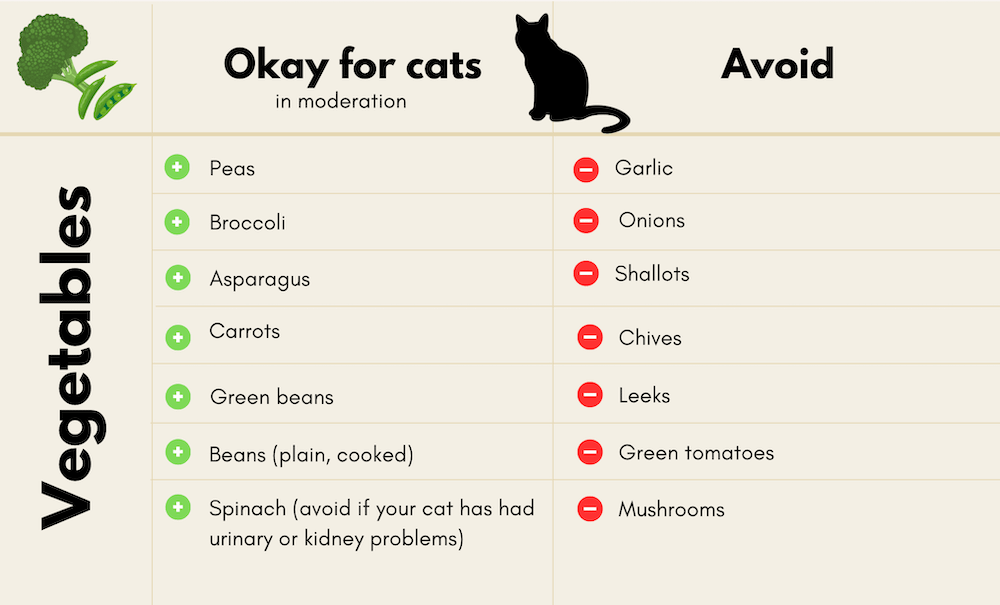
Vegetables
- Pumpkin puree, plain. 1 teaspoon for gentle fiber.
- Steamed carrots, green beans, zucchini, or peas. 1–2 teaspoons, chopped fine.
- Cucumber slices. 1–2 thin slices.
Fruits
- Blueberries. 1–2 berries.
- Small banana slice, very small piece. A few bites only.
- Watermelon without seeds or rind. 1–2 small cubes.
- Apples without seeds or core. 1–2 tiny chunks.
Grains and starches
- Plain white rice or oatmeal, well-cooked. 1 teaspoon, helpful during mild tummy upset.
- Plain quinoa, well-cooked and rinsed. 1 teaspoon.
Healthy extras
- A drip of sardine water from a can packed in water. Flavor boost with omega-3s.
- Cat-safe, veterinary omega-3 oil, as directed by your vet.
Note on fish: prefer low-mercury options and rotate. Limit tuna. Keep portions small. This supports a safer answer to What Human Foods Are Safe For Cats? over time.
Source: co.uk
Foods to avoid or never feed cats
Some foods are risky even in small amounts. When people ask What Human Foods Are Safe For Cats?, I always add this “never” list.
- Onions, garlic, chives, leeks, and onion or garlic powder. Can damage red blood cells.
- Grapes and raisins. Possible kidney risk; avoid fully.
- Chocolate and cocoa. Contains theobromine and caffeine; toxic.
- Alcohol and raw dough. Alcohol is toxic; yeast dough can expand in the stomach.
- Xylitol (often in sugar-free gum, peanut butter, and syrups). Can be dangerous; avoid any product with it.
- Caffeine in coffee, tea, energy drinks. Can cause heart and nervous signs.
- Bones, cooked or raw without guidance. Choking or internal damage risk.
- Raw eggs and raw fish. Bacteria risk; raw fish may lower thiamine.
- High-fat trimmings and fried foods. Can trigger stomach upset and pancreatitis.
- Deli meats and salty snacks. Too much sodium and additives.
- Milk for lactose-intolerant cats. Can cause diarrhea.
- Macadamia nuts and most nuts. Not needed and can cause GI upset.
- Avocado flesh and peel. Can upset the stomach; skip it.
- Baby food with onion or garlic powder. Read labels with care.
- Dog food as a meal. Not balanced for cats.
When in doubt, do not feed it. Ask your vet. That is the safest path in any What Human Foods Are Safe For Cats? plan.

Source: solina.com
How to introduce new foods safely
- Start tiny. Offer a pea-sized bite. Wait 24 hours.
- Try one new item at a time. This makes it easy to spot issues.
- Watch the litter box. Loose stool, vomiting, or gas means stop.
- Keep a note. Track what works. This builds your own What Human Foods Are Safe For Cats? list.
- Store and serve with care. Use clean bowls. Refrigerate leftovers. Toss after two days.
If your cat has a weak immune system, skip raw foods. When I managed a senior foster with kidney disease, I cleared every treat with her vet first. That choice paid off.

Source: tawanienterprises.com
Sample treat ideas and portions
Treats should be simple and small. Calorie counts are rough and can vary by brand and cut.
- One teaspoon cooked chicken breast, diced. About 8–10 calories.
- One teaspoon plain pumpkin puree. About 5 calories.
- One teaspoon plain Greek yogurt. About 8–10 calories if tolerated.
- Two blueberries, mashed. About 2 calories.
- One teaspoon cooked white rice mixed into dinner. About 5 calories.
- One teaspoon sardine in water, drained. About 7–10 calories, once per week.
- A few teaspoons of plain bone broth. Few calories, nice hydration.
Rotate items. This keeps interest up and supports balance. Many readers who ask What Human Foods Are Safe For Cats? find a simple rotation works best.
:strip_icc()/human-food-and-cats-551947_Final-21cba05ccbd246aaaead17d5283ec286.jpg)
Source: loudicon.in
Special cases: kittens, seniors, and health conditions
Kittens
- Need more protein and calories per pound. Keep treats tiny and protein-first.
- Avoid raw foods. Focus on cooked meats and a growth-formula main diet.
Seniors
- Aim for easy-to-chew, moist treats. Shredded chicken in broth works well.
- Watch sodium and phosphorus if kidney issues exist.
Diabetes or weight control
- Pick lean proteins. Avoid sugary fruits and high-carb grains.
- Weigh treats. Keep them within the 10% rule.
Sensitive stomach or IBD
- Introduce one item at a time. Stick with plain, single-ingredient treats.
- Pumpkin or a bit of cooked turkey may help.
Pancreatitis history
- Very low fat. Skip fish skins, cream, and fatty meats.
Allergies
- Try novel proteins with vet guidance. Keep a simple food diary.
This tailored view helps answer What Human Foods Are Safe For Cats? for your cat, not just any cat.
:max_bytes(150000):strip_icc()/christmas-foods-cats-can-and-cannot-eat-INFOGRAPHIC-2022-5947f24c87374c93860d8a33f24d1413.png)
Source: welcometogouda.com
Signs of trouble and when to call the vet
Act fast if you see vomiting that keeps going, diarrhea that lasts more than a day, drooling, wobbliness, tremors, or big behavior changes. Pale gums, yellow eyes, or labored breathing are urgent signs. If you suspect a toxin, call your vet or a pet poison helpline at once.
Bring labels or photos of what was eaten and how much. Quick, clear info helps your vet act fast. Safe use is the heart of What Human Foods Are Safe For Cats?, and quick action is part of that safety.
Source: geyserbarcelona.com
Frequently Asked Questions of What Human Foods Are Safe For Cats?
Can cats drink milk?
Many cats are lactose intolerant. A few licks may be fine, but milk often causes diarrhea and gas.
Is tuna safe for cats?
Small amounts of tuna in water can be a treat. Do not feed it daily due to mercury and low micronutrients.
Can cats eat peanut butter?
It is not ideal. It is high in fat and can contain xylitol, which is dangerous.
Are eggs good for cats?
Cooked eggs are a solid protein treat in tiny amounts. Avoid raw eggs due to bacteria risk.
Can cats have cheese?
Some cats can handle a small cube of hard cheese. Many cannot, so start very small and watch for tummy upset.
Are bananas safe for cats?
A tiny slice is fine as a rare treat. Bananas are sugary and should not be a routine snack.
What about yogurt?
Plain Greek yogurt with live cultures is often easier to digest. Offer one teaspoon and see how your cat does.
Can cats eat rice?
Yes, in small amounts. It can help during mild stomach upset, but do not make it a daily treat.
Conclusion
Choosing treats should feel simple and safe. Keep it plain, focus on clean protein, and follow the 10% rule. If you ever ask yourself What Human Foods Are Safe For Cats?, come back to the lists above, start tiny, and watch your cat’s response.
Ready to build a safe treat plan? Pick two items from the safe list this week and test one at a time. Share your results or questions in the comments, and subscribe for more vet-backed, real-life pet tips.