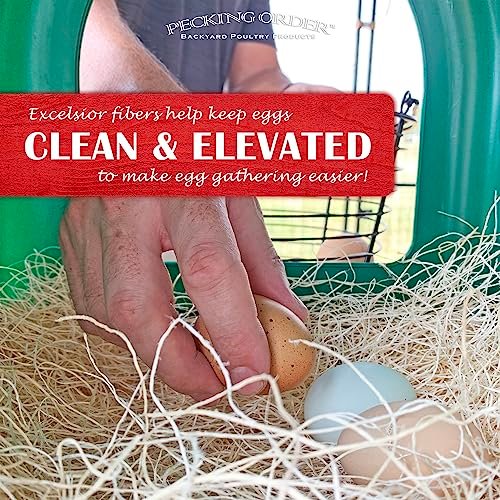

A simple, natural nesting pad that keeps eggs clean, dry, and hens comfortable.
You know that sinking feeling when you find dirty, cracked eggs and squabbles in the coop? Good nest bedding fixes that fast. These pads slip into nest boxes, cushion eggs, reduce breakage, and cut down cleaning time. They’re low fuss and made from natural aspen fibers, which helps control odor and keeps nests fluffy without dust bags and constant replacements.

Is Nest Box Pads for Chicken Nesting Boxes Good?
I give a clear yes for most backyard flock owners. These nest box pads work best for small to medium flocks, hobbyists, and anyone who wants cleaner eggs with less daily work. The pads are made from aspen excelsior and come in a 10-pack of 13 x 13 pads. They sit flat, don’t shift much, and make egg collection easier and cleaner.
In my experience, switching to these pads cut down the nest box cleaning from every other day to once a week. Once, a broody hen nested on a pad for two weeks and the pad held up with no matting or sour smell. Another time, a neighbor used them in plastic nesting boxes and reported fewer cracked eggs during cold snaps. For cost and simplicity, these pads are a smart, low-tech fix that actually delivers.

My First Impression for Nest Box Pads for Chicken Nesting Boxes
The package arrived compact and clean. Each pad was stacked neatly in a simple cardboard wrap. I liked that they felt lightweight yet springy. The aspen excelsior fibers are fine, not scratchy. Size is a true 13 x 13, which dropped right into my standard wooden boxes.
I put one pad in a nest box and let a hen test it. The pad held its shape. There was no heavy dust cloud when I handled it, which surprised me in a good way. Setup was instant — no trimming or shaping needed. My initial reaction was relief: these pads looked like they would actually reduce broken eggs and stay odor neutral. I was pleased by the practical quality and the small environmental touch of aspen fiber.

What Makes It Stand Out / Key Features
- Made from sustainably sourced aspen excelsior — natural and biodegradable
- Standard 13 x 13 size fits most nest boxes without trimming
- Sold in a 10-pack for good value and easy replacement
- Low dust compared with straw or shredded paper
- Lightweight and easy to swap when a pad gets soiled
- Made in USA — consistent manufacturing quality

What I Like
- Very easy to use — just drop into the box
- Improves egg cleanliness and reduces breakage
- Reusable for several weeks if kept dry
- Low dust means less respiratory irritation for hens and you
- Natural, compostable material so disposal is eco-friendly

What Could Be Better
- Not as absorbent as commercial pads — needs more frequent changes if wet
- May compress over time under heavy use, requiring replacement
- Edges can fray slightly if hens scratch a lot

My Recommendation
If you keep a small flock and want quick, tidy nests, these nest box pads are a solid pick. I recommend the 10-pack for easy rotation. Use the pads in wooden or plastic boxes, and swap when damp. The natural aspen fiber is kinder to hens’ feet than wire or bare wood. For the money, these pads offer real time savings in cleaning and fewer broken eggs.
| Best for | Why |
|---|---|
| Small backyard flocks | Easy drop-in use and good value in a 10-pack |
| Hobbyists wanting clean eggs | Cushioning reduces breakage and keeps eggs neater |
| Eco-conscious keepers | Made from sustainable aspen and is compostable |
Alternative Products You Can Consider
Farmhouse Straw Nest Pads — Best for those who prefer traditional straw. Straw gives great insulation and is very absorbent when dry. It can be dustier and needs more regular cleaning than molded aspen pads. Choose straw if you want a natural look and better warmth in cold climates.
Rubber Nesting Mats — Durable and easy to wash. These mats are great if you want long-term, washable pads and less frequent replacements. They don’t compost and can be slippery for hens that like to scratch, but they are low maintenance and last for years.
Shredded Paper Nesting Bedding — Cheap and disposable. This option is very absorbent and easy to replace. It’s affordable but can be messy and create more dust if not handled gently. Good short-term or for emergency use.
| Product | Best For | Key Difference |
|---|---|---|
| Nest Box Pads for Chicken Nesting Boxes | Simple, natural nest cushioning | Biodegradable aspen pads in a 10-pack |
| Farmhouse Straw Nest Pads | Warmth and tradition | More insulation but dustier |
| Rubber Nesting Mats | Durability and washability | Reusable but non-biodegradable |
Final Verdict: Which Should You Buy?
If you want low-fuss, natural, and tidy nest boxes, go with the aspen nest pads. They are best for hobbyists and small flocks who want cleaner eggs and less daily scraping. If you need heavy duty, long-term mats, consider rubber nesting mats instead. If warmth is your priority, straw works well in winter.
Overall, the reviewed pads strike a good balance between cost, cleanliness, and eco-friendliness. For most backyard keepers, they are the practical first choice.
FAQs Of Nest Box Pads for Chicken Nesting Boxes
How often should I change the nest box pads?
Change pads when they become damp or soiled. For most flocks this is every 1–2 weeks. Spot clean daily to prolong life.
Are these pads safe for broody hens?
Yes. The pads are natural and soft. Monitor for wetness and replace if they compact under a broody hen.
Can I compost used nest pads?
Yes. These aspen excelsior pads are compostable. Break them up before adding to your compost pile for faster breakdown.
Do the pads help prevent egg breakage?
They cushion eggs and reduce rolling, so you will see fewer cracked eggs versus bare wood or wire. Proper placement in the box also helps.
Will these pads fit my nesting boxes?
The pads are 13 x 13 inches and fit most standard nest boxes. If you have an odd size, you can trim them slightly without much mess.