





Hip dysplasia is a common joint problem in dogs, especially larger breeds. Many owners worry if this condition can appear out of nowhere. If your dog suddenly seems stiff, limps, or avoids moving, you might wonder if hip dysplasia is the cause.
Understanding how this disease develops and what signs to watch for can help you manage your dog’s health better.
What Is Hip Dysplasia In Dogs?
Hip dysplasia is an abnormal development of the hip joint. Instead of fitting together smoothly, the ball and socket grind against each other. Over time, this causes pain, inflammation, and even arthritis. The condition is most common in German Shepherds, Labradors, Golden Retrievers, and other large breeds, but any dog can be affected.
Hip dysplasia is mainly caused by genetics, but other factors like weight, exercise, and nutrition also play a role. Puppies born with the genes for hip dysplasia may not show symptoms right away. It often develops slowly as the dog grows.
Can Hip Dysplasia Appear Suddenly?
Many owners are surprised when their dog shows sudden signs of pain. But in most cases, hip dysplasia does not come on suddenly. It is a chronic disease, meaning it develops over months or years. However, symptoms can seem to appear quickly, especially after:
- A fall or injury
- Intense exercise
- Weight gain
These events can make existing hip dysplasia much worse. A dog may have mild hip problems for years with no obvious pain. Then, after a stressful event, symptoms become clear.
How Symptoms May Seem Sudden
Some dogs hide pain well. You might not notice any issues until they limp, struggle to stand, or refuse to jump. The sudden change is usually the result of:
- Joint inflammation: A hard play session or accident can cause swelling.
- Muscle strain: Weak muscles around the hip make the problem worse.
- Arthritis flare-up: Cold weather or aging can trigger more severe pain.
So, while the disease itself was present, the visible symptoms may seem sudden.


Credit: www.simonvetsurgical.com
Signs And Symptoms To Watch For
Recognizing hip dysplasia early can help your dog live a more comfortable life. Look for these signs:
- Limping or favoring one leg
- Difficulty rising from rest
- Stiffness after activity
- Bunny hopping when running
- Reduced activity or reluctance to play
- Swelling around the hip area
If you notice these changes, see a vet right away. Early treatment slows the disease and improves quality of life.
How Vets Diagnose Hip Dysplasia
Veterinarians use several methods to confirm hip dysplasia. Here’s a quick comparison of the most common approaches:
| Diagnostic Method | What It Checks | Typical Cost |
|---|---|---|
| Physical Exam | Joint movement, pain level | $50-$100 |
| X-Ray Imaging | Bone shape, joint space | $100-$300 |
| CT Scan | Detailed bone structure | $500-$1,200 |
Most dogs only need a physical exam and x-rays. Advanced tests are used for severe cases or before surgery.
Risk Factors That Speed Up Symptoms
Certain factors make hip dysplasia symptoms appear faster:
| Risk Factor | Impact on Symptoms |
|---|---|
| Rapid weight gain | More stress on joints |
| High-impact exercise | Can trigger pain episodes |
| Poor nutrition | Weak muscles, slow healing |
| Old age | Increases arthritis risk |
Avoiding these risks helps keep your dog comfortable.
Treatment Options For Hip Dysplasia
Treatment depends on your dog’s age, pain level, and lifestyle. Here are the main choices:
- Weight management: Keeping your dog slim reduces joint stress.
- Physical therapy: Gentle exercises strengthen muscles around the hip.
- Medications: Pain relievers and anti-inflammatories ease discomfort.
- Supplements: Glucosamine and chondroitin support joint health.
- Surgery: In severe cases, hip replacement or other procedures may be needed.
Many dogs do well with simple changes like diet and gentle exercise. For severe cases, surgery offers a good chance of long-term relief.
Practical Tips For Owners
- Choose low-impact activities, like swimming or walking.
- Use soft bedding to reduce pressure on joints.
- Feed a balanced diet to support healthy weight.
- Watch for any changes in movement or behavior.
- Work closely with your vet to monitor progress.
One insight many owners miss: hip dysplasia can be managed for years with the right care, even if symptoms seem severe at first. Also, some breeds may develop symptoms earlier, so regular vet checks are important.
How Hip Dysplasia Differs From Other Sudden Joint Issues
Not all sudden limping or stiffness is hip dysplasia. Other conditions can look similar but require different treatments:
| Condition | Typical Onset | Main Feature |
|---|---|---|
| Hip dysplasia | Slow, chronic | Gradual joint damage |
| Sprain/strain | Sudden | Injury to muscle or ligament |
| Fracture | Sudden | Broken bone, swelling |
| Arthritis flare | Sudden | Swollen, painful joint |
If your dog shows sudden pain, your vet will check for these other causes.

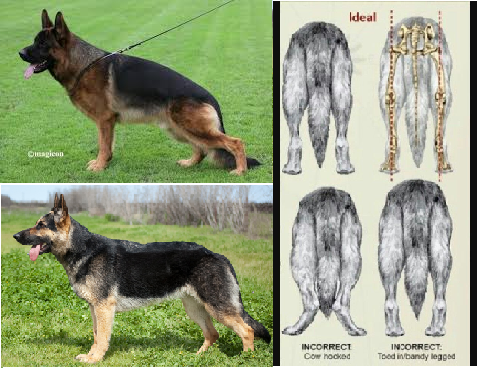
Credit: www.riverlandingsanimalclinic.com
When To Seek Immediate Help
If your dog has sudden, severe pain, cannot walk, or cries when touched, see a vet right away. These signs can mean a serious injury or advanced hip dysplasia needing urgent care.
Frequently Asked Questions
Can Hip Dysplasia Develop Overnight?
No, hip dysplasia does not develop overnight. It is a slow process, but symptoms can appear quickly after an injury or intense activity.
What Age Do Dogs Show Hip Dysplasia Symptoms?
Most dogs show signs between 6 months and 2 years. However, some may not show symptoms until they are older.
Are Small Breeds At Risk?
While large breeds are more likely to develop hip dysplasia, small breeds can also be affected, especially if they are overweight or have a family history.
Is Surgery The Only Solution?
Surgery is only needed for severe cases. Many dogs improve with weight control, exercise, and medication.
Where Can I Find More Information?
For more in-depth details, visit AKC Hip Dysplasia Guide.
Hip dysplasia in dogs is a lifelong condition, but it rarely appears out of nowhere. By understanding the signs and working closely with your vet, you can help your dog stay active and happy for years to come. Early action and careful management make all the difference.


Credit: bigbarker.com