


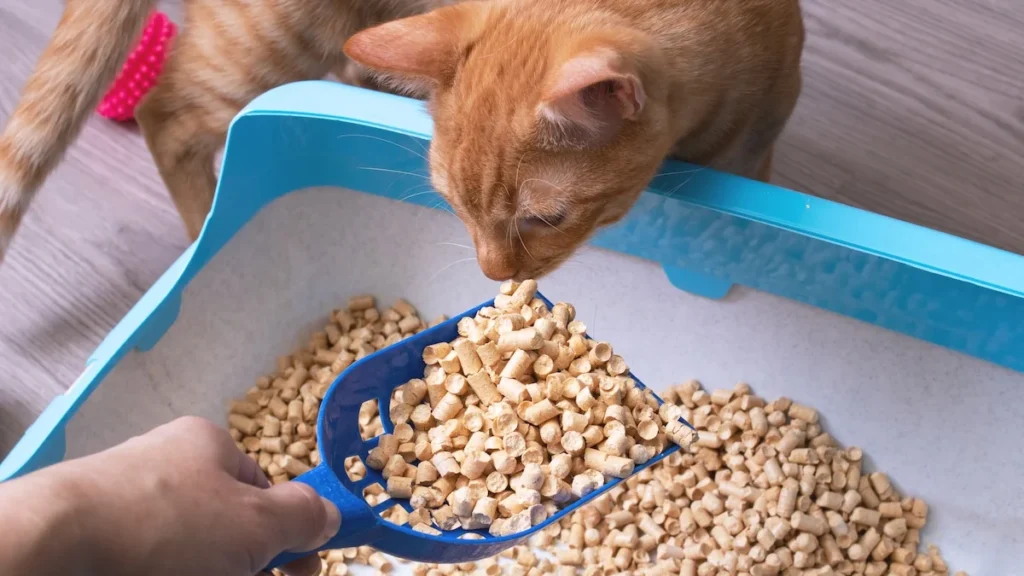


The safest Cheap Alternative to Cat Food is complete canned pate plus smart, balanced toppers.
If you are hunting for a real Cheap Alternative to Cat Food, you are in the right place. I have helped many cat parents cut costs without risking health by using simple plans, proven nutrition rules, and a few store tricks. In this guide, I share what actually works, what to avoid, and how to stretch every dollar while keeping your cat safe and satisfied.

Source: charismascorner.com
What Cheap Alternative to Cat Food Really Means
A good Cheap Alternative to Cat Food does not mean random human meals. It means feeding complete and balanced nutrition at a lower cost. Cats are obligate carnivores and need animal protein, taurine, certain fats, vitamin A, and B vitamins. If you skip these, your cat can get sick fast.
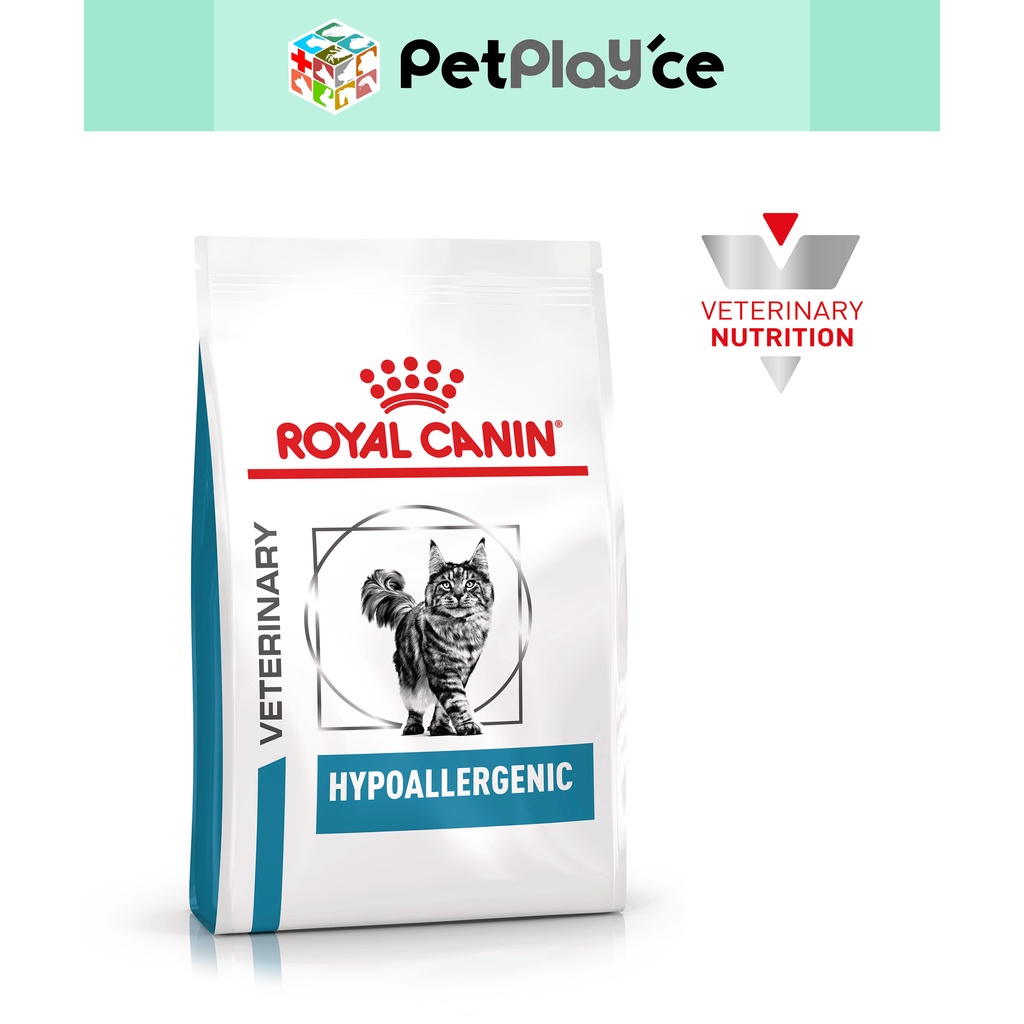
Look for an AAFCO statement on the label that says complete and balanced for adult maintenance or all life stages. That line tells you the food meets a baseline used by vets and nutrition groups. Homemade food can work, but only if you use a complete feline supplement mix and follow directions. Otherwise, use complete commercial food and add budget-friendly toppers for taste and variety.
Cheap Alternative to Cat Food plans should be safe long term. Shortcuts like tuna-only or dog food are not safe. They miss key nutrients and can cause heart or eye problems over time.

Source: com.au
Ground Rules: Feline Nutrition on a Budget
Healthy and cheap can go hand in hand when you follow a few core rules.
- Choose complete foods first. Wet or dry, make sure it has an AAFCO complete and balanced statement.
- Keep animal protein high. Cats do best when most calories come from meat or fish.
- Do not exceed 10 percent of daily calories from unbalanced toppers. This keeps nutrients on track.
- Aim for moisture. Wet food or adding warm water helps the bladder and keeps cats satisfied.
- Estimate calories right. Many indoor adult cats need about 20 calories per pound of ideal weight each day.
- Change food slowly. Move over 7 to 10 days to protect the gut.
These rules are based on veterinary nutrition guidance and long-standing feeding standards. They are simple, safe, and they save money when used with a plan.


Source: floppycats.com
Safe Cheap Alternative to Cat Food Options You Can Use Today
Here are low-cost items that work as toppers or short-term bridges. They add taste and protein without wrecking balance.
- Cooked chicken thighs. Skinless, boneless, no seasoning. Chop small and add a spoon over complete food.
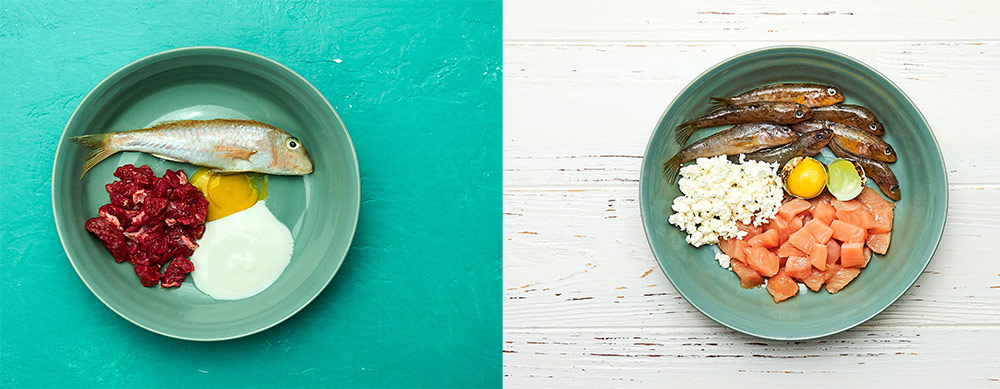
- Canned sardines in water. No salt added. Use a few small pieces once or twice a week as a topper.
- Eggs, fully cooked. A teaspoon of scrambled or boiled egg as a topper. Not a full meal.
- Plain pumpkin puree. One small spoon for fiber and stool help. Make sure it is pure pumpkin.
- Low-sodium bone broth made for pets. Warm a tablespoon over kibble to boost aroma and moisture.
- Cooked turkey or beef. Lean, unseasoned, chopped fine as a topper.
- Canned tuna in water. Small topper only. Do not feed tuna as a full meal.
Use these as part of a Cheap Alternative to Cat Food, not as total diets. Keep toppers under 10 percent of daily calories, and stick to complete food as the base.


Source: reddit.com
Complete Budget Meal Frameworks for a Cheap Alternative to Cat Food
The cheapest safe path is still a complete diet. Build your Cheap Alternative to Cat Food from these simple frameworks.
- Wet-first plan
- Buy store-brand pate with an AAFCO statement. Big cans often cost less per ounce.
- Portion daily needs, add warm water, and store leftovers in a sealed container for up to 48–72 hours.
- Add a teaspoon of cooked chicken or egg as a topper for picky cats.
- Dry-plus-toppers plan
- Measure complete adult dry food by calories, not scoops. Add warm water to the bowl.
- Top with a spoon of cooked meat or a few sardine flakes.
- Keep toppers under 10 percent to avoid nutrient gaps.
- Home-cooked with a complete feline premix
- If you must cook at home, use a commercial feline supplement premix designed to balance cooked meat.
- Follow the premix label closely. Do not guess on taurine or vitamins.
- This is best done with help from your vet, especially for kittens or seniors.
These frameworks keep balance first and cost low. They are flexible, easy to shop for, and safe for daily use.

Source: forummagazine.org
Smart Shopping: Save Without Risk
You can cut costs fast with a few small changes.
- Compare unit prices. Check price per ounce or per 100 calories. Pick the lowest for similar quality.
- Buy cases of cans. Split with a friend to get bulk pricing without storage stress.
- Use sales, coupons, and subscribe-and-save. Sign up for store apps and auto-ship deals.
- Rotate proteins by price. Choose chicken, turkey, or fish based on weekly sales.
- Store food right. Seal kibble in an airtight bin. Refrigerate opened cans and use within 72 hours.
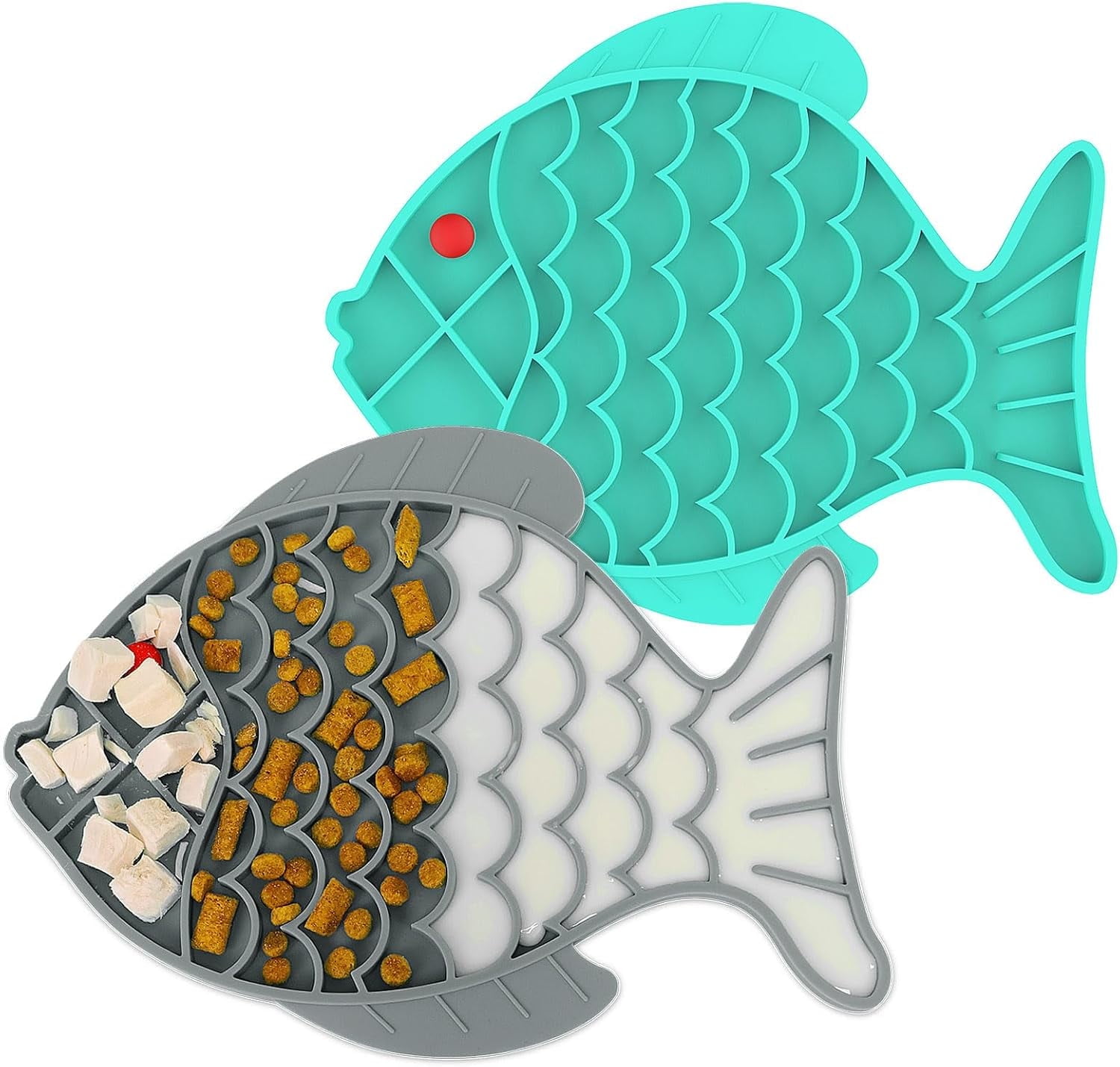
- Warm the meal. A splash of warm water boosts smell and helps when your cat is picky.
A Cheap Alternative to Cat Food starts at the shelf. Smart shopping alone can save 20–40 percent a month.

Source: com.au
Transition Tips: How to Switch Without Tummy Trouble
Move slow, and your cat will thank you. This plan works with almost any switch.
- Days 1–2: 75 percent old food, 25 percent new.
- Days 3–4: 50 percent old, 50 percent new.
- Days 5–6: 25 percent old, 75 percent new.
- Day 7: 100 percent new.
Add warm water for smell and moisture. If your cat balks, try a tiny topper of cooked chicken to seal the deal. If you wonder why your cat don’t eat dry food, it often helps to soften it with warm water and use a topper for scent.


Source: musicaltheatreresourcecenter.org
What to Avoid When Cutting Costs
Some cheap swaps look smart but can harm your cat. Skip these.
- Dog food, baby food with onion or garlic, and vegan diets. These miss key feline nutrients.
- Seasoned meats, deli meats, and salty broths. Too much sodium and spices can hurt cats.
- Onions, garlic, leeks, chives, grapes, raisins, chocolate, alcohol, and xylitol. These are toxic.
- Milk and cream. Many cats are lactose intolerant and get stomach upset.
- Tuna-only or raw fish-only. Risk of nutrient gaps and thiamine loss. Can cause fatty inflammation.
- Cooked bones. They can splinter and cause blockages.
- Random supplement guessing. Taurine and vitamin dosing must be precise for safety.
A safe Cheap Alternative to Cat Food avoids these traps every time.

Source: cityofharrah.com
Real-Life Lessons from the Food Bowl
When I fostered shelter cats during a tight budget year, I learned a key lesson. The cats did best on a simple plan: store-brand pate as the base, measured dry food for variety, and tiny toppers of cooked chicken. They ate well, stools stayed normal, and coats stayed shiny.
My early mistake was using too much tuna as a “cheap fix.” It worked for taste, but it threw off balance. I corrected fast by going back to complete foods and limiting toppers to small amounts. Keep it simple, steady, and balanced. That is the heart of any Cheap Alternative to Cat Food.
Cost Calculator and One-Week Budget Examples
Use this rough math to plan your spend.
- Daily calories. Most indoor adult cats need around 20 calories per pound of ideal weight.
- Example. A 10-pound cat needs about 200 calories per day.
- Wet example. If a 5.5 oz can has 180 calories and costs 0.70, you need about 1.1 cans per day, or around 0.77 per day.
- Dry example. If a cup of kibble is 350 calories and costs 0.60 per cup, 200 calories costs about 0.34 per day.
Sample weekly plan for one 10-pound cat:
- Four days wet-first with small chicken topper.
- Three days dry-plus-toppers with warm water added.
- Rotate meats based on sales. Stick to complete foods as the base.
Use the same math to build your own Cheap Alternative to Cat Food. Track weight, appetite, and stool to make sure the plan fits your cat.
Frequently Asked Questions of Cheap Alternative to Cat Food
What is the safest Cheap Alternative to Cat Food?
Choose complete canned or dry foods with an AAFCO statement and add small toppers. This keeps nutrients balanced while saving money.
Can I feed chicken and rice to my cat?
As a short-term bridge for an upset stomach, small amounts can help. It is not complete, so return to a balanced cat food soon.
Is tuna a Cheap Alternative to Cat Food?
Tuna works only as a tiny topper due to nutrient gaps and heavy metal concerns. Do not use tuna as a full meal.
Are eggs safe for cats?
Yes, fully cooked eggs make a good protein topper. Keep portions small to avoid unbalanced meals.
How do I make dry food more appealing?
Add warm water, a spoon of broth made for pets, or a tiny meat topper. Serve in shallow dishes and warm slightly to boost aroma.
Can I use dog food in a pinch?
Avoid it. Dog food lacks key feline nutrients like taurine and arachidonic acid, which cats must get from their diet.
What are signs the diet is not working?
Watch for dull coat, weight loss, low energy, vomiting, or diarrhea. If you see these, call your vet and adjust the plan.
Conclusion
Feeding your cat well on a budget is possible when you keep balance first. Use complete foods, smart toppers, and slow transitions. Shop by unit price, store food well, and avoid risky shortcuts.
Start with one framework from this guide and track how your cat feels for two weeks. You will find a Cheap Alternative to Cat Food that fits your wallet and keeps your cat thriving. Want more tips? Subscribe, share your questions, or leave a comment with your cat’s favorite budget-friendly meal.