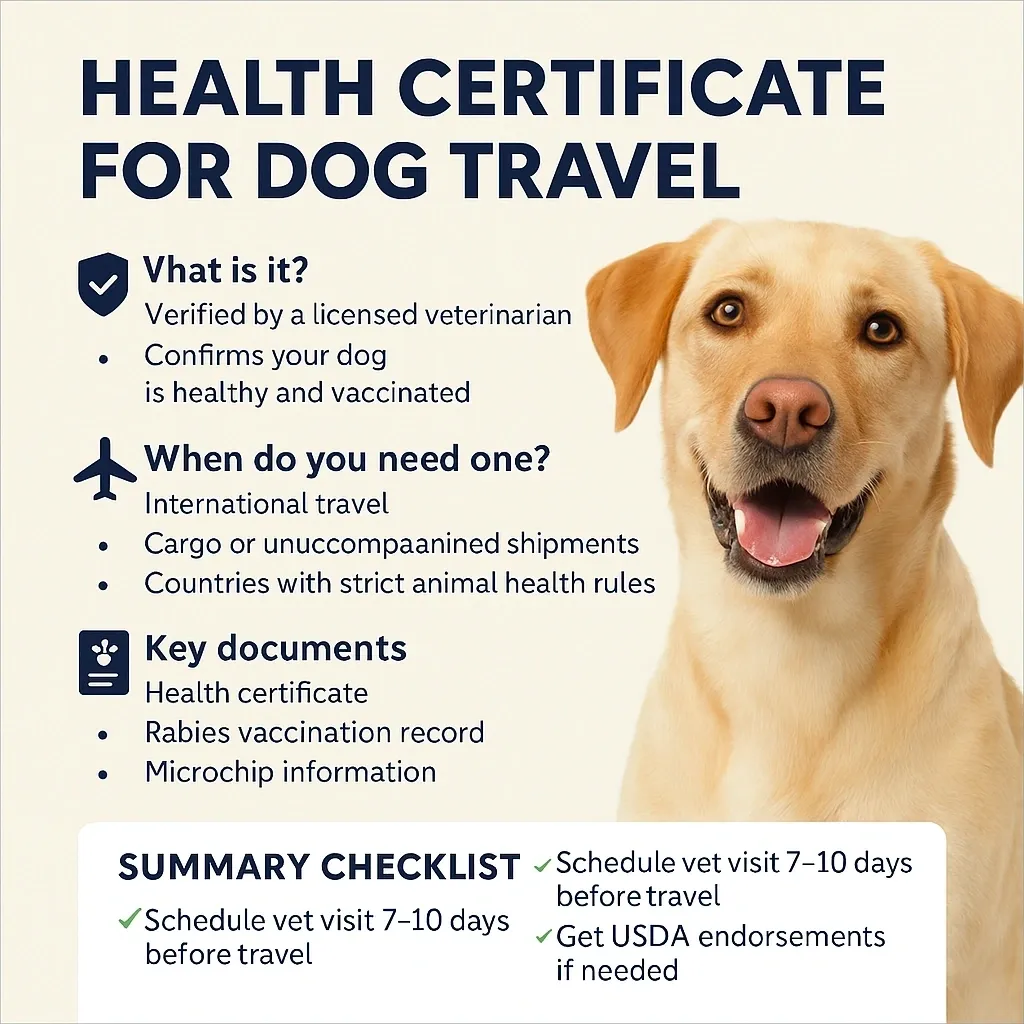

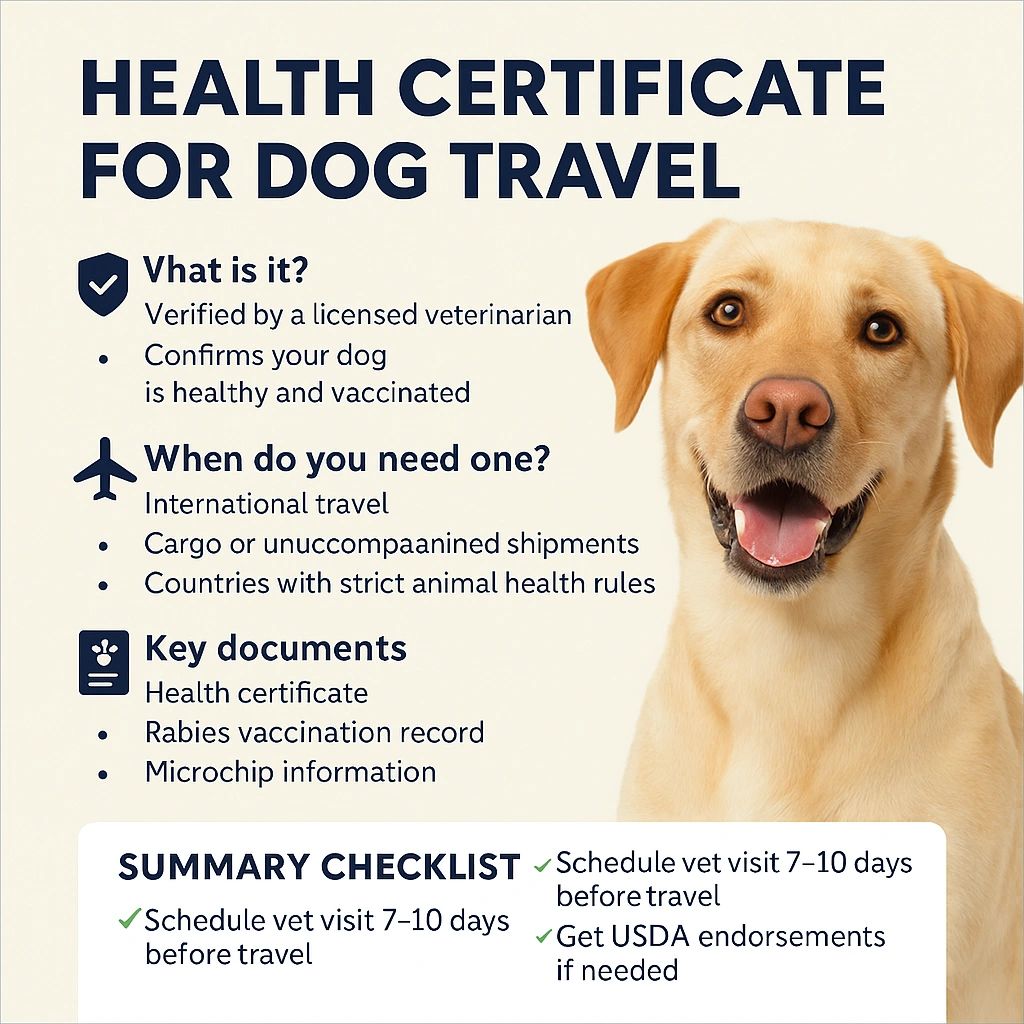
A Health Certificate For Pet Travel proves your pet is fit and compliant.
If you plan to fly or cross borders with a dog or cat, you need the right documents. I’ve helped many families get a Health Certificate For Pet Travel, and I know the pitfalls and the shortcuts. This guide explains what it is, why it matters, and how to get it right the first time.

Source: eveshamvet.com
What Is a Health Certificate for Pet Travel?
A Health Certificate For Pet Travel is an official document from a licensed vet. It confirms your pet is healthy, vaccinated, and safe to travel. Airlines and border agents use it to check fitness and disease control.
In the United States, you may hear two terms. For state-to-state trips, it is often called a Certificate of Veterinary Inspection. For trips abroad, it is usually an International Health Certificate. Many countries have a set format. In most cases, an accredited vet must sign it. Some destinations also need government endorsement.
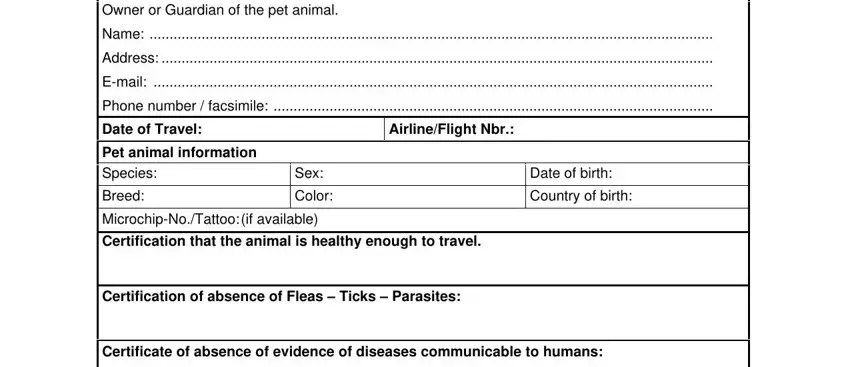
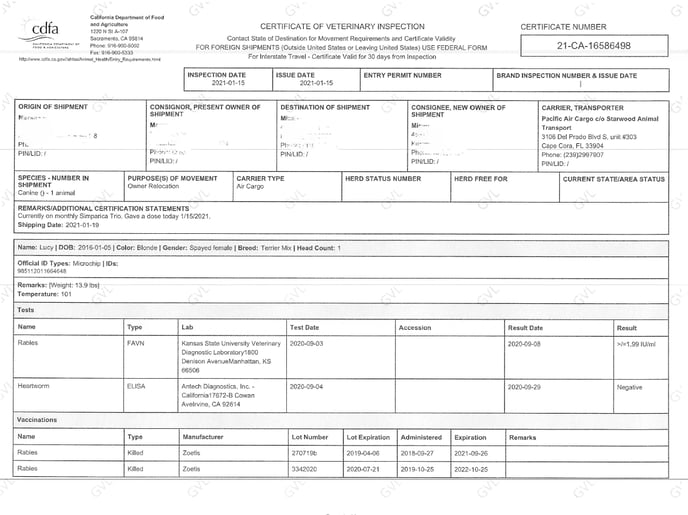
Think of it as your pet’s passport health page. It lists ID details, a microchip number, vaccines, tests, and exam dates. It must be accurate. Dates and microchip numbers must match vaccines and labs. One typo can stop a trip. A careful review saves the day.
Source: arkjfk.com
Why You Need It: Rules by Airlines and Countries
Airlines require a Health Certificate For Pet Travel for safety and legal reasons. They want proof your pet is healthy, calm, and not a risk in the cabin or hold. Most airlines want a certificate issued within 10 days of your flight. Some allow 14 days. Always check your carrier.
Countries also set rules to prevent rabies and other diseases. The United States, the European Union, the United Kingdom, Australia, Japan, and Hawaii have strict controls. The U.S. follows federal rules from agencies like USDA and the CDC. The EU and UK have a shared style of entry checks. Australia and New Zealand have long lead times and quarantine.
As of 2024, dogs entering the U.S. must be at least 6 months old. They must be microchipped, appear healthy, and meet vaccine rules. Dogs from high-risk rabies countries need extra steps. These include a rabies titer, an import permit, and arrival at an approved airport. Your Health Certificate For Pet Travel is part of that packet.

Source: deepetservices.com
When to Get One and Validity Windows
Timing is everything. Book your vet visit close to your flight, but not so close that you miss a needed lab result. Here are common windows:
- Domestic U.S. flights and many states: certificate within 10 days of travel. Some states allow 30 days.
- EU and UK: issue within 10 days of arrival. Rabies vaccine must be at least 21 days old. The microchip must be in place before the vaccine.
- Japan: strict timeline. Advance notice 40 days. Rabies titer and a 180-day wait. Health certificate often within 2 days of flight.
- Australia and New Zealand: plan 6 to 12 months out. Many steps spread over time.
- Hawaii: plan 4 to 6 months. Two rabies shots, a rabies titer, and a waiting period before arrival.
Build a buffer. Move flights if needed. Never rush lab steps. A calm plan keeps your Health Certificate For Pet Travel valid.
Source: kychamber.com
Step-by-Step: How to Get a Health Certificate for Pet Travel
Use this simple path:
- Confirm entry rules. Check your destination, any transit countries, your airline, and your return plan.
- Microchip first. Use an ISO 11784/11785 15-digit chip. Scan and record the number.
- Update vaccines. Rabies is mandatory for most trips. Time it with your entry date.
- Book an accredited vet. Ask if they issue a Health Certificate For Pet Travel often.
- Complete tests and treatments. Tapeworm, rabies titer, or parasite checks if needed.
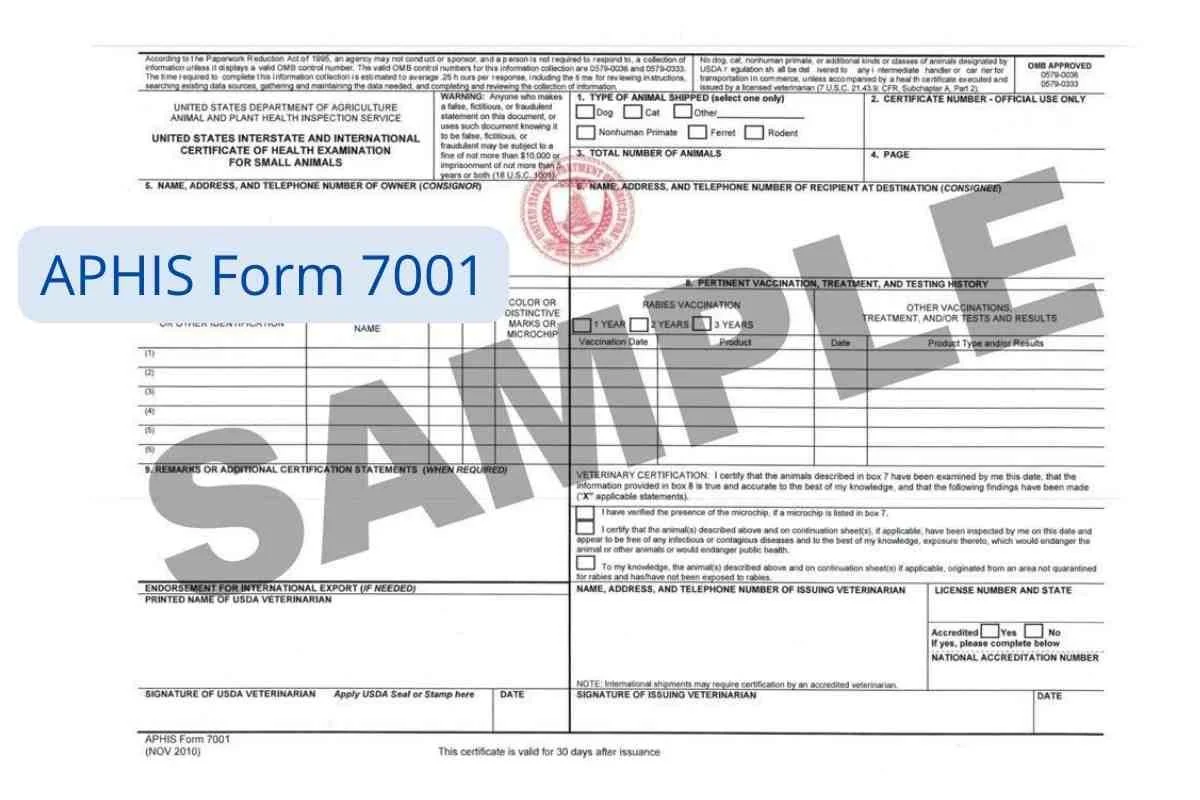
- Vet exam and certificate. The vet examines your pet and fills out the correct form.
- Government sign-off if required. Many countries require USDA or equivalent endorsement.
- Make copies. Keep digital and paper copies. Pack them in your carry-on.
- Re-check names, dates, and microchip numbers. One mismatch can cause denial at the gate.
In my work, double-checking microchip numbers has saved trips. Once, a single digit was off on a lab report. We fixed it in time only because we checked early.
Source: dangerfieldsofshakopee.com
Required Vaccines, Tests, and Microchips
Your Health Certificate For Pet Travel is only valid if the health steps are correct. Common needs include:
- Microchip: ISO 11784/11785, 15-digit. Must be implanted before a rabies shot for many countries.
- Rabies vaccine: usually at least 21 days before entry to the EU and UK. Keep original certificates.
- Rabies titer (RNATT): required by Japan, Australia, and many high-control areas. Often with a long wait after the blood draw.
- Tapeworm treatment: needed for dogs entering the UK, Ireland, Finland, and Malta 24 to 120 hours before entry.
- Parasite and health checks: internal and external parasite treatments may be listed.
- Other vaccines: not always required by law, but some airlines recommend them.
Your vet should list the microchip number on every vaccine and lab record. That ties your pet’s identity to each step. That match is key to a clean Health Certificate For Pet Travel.

Source: dangerfieldsofshakopee.com
Costs and Budgeting
Plan for more than the vet visit. A smooth trip needs a budget line for each step:
- Vet exam and certificate: $75 to $300.
- Lab tests and titers: $100 to $400+ per test.
- Government endorsement: varies by country and test count; budget $38 to $200+.
- Courier or in-person endorsement: $0 to $150.
- Airline pet fees: in-cabin $95 to $250 each way; cargo $300 to $1,200+.
- Crate and gear: $60 to $400+ depending on size and brand.
- Extra vet visits for timing: $50 to $200 each.
Prices shift by region and demand. Get quotes early. A clear plan keeps the total lower and avoids rush fees.
Source: starwoodpet.com
Airline and Carrier Requirements
Your Health Certificate For Pet Travel goes hand-in-hand with airline rules. Most carriers follow IATA crate standards. The crate must be large enough for your pet to stand, turn, and lie down. Use a rigid crate with secure doors and ventilation on three to four sides.
Key tips:
- Put your name, phone, and destination on the crate.
- Water and food bowls must attach to the inside of the door.
- Use absorbent bedding. Avoid loose toys that can be choking risks.
- Do not sedate unless your vet says it is necessary. Sedation can raise flight risks.
- Choose direct flights. Fly early or late to avoid heat. Check weather embargoes in summer and winter.
Airline rules can change fast. Print the policy and bring it with you. It supports your Health Certificate For Pet Travel at check-in.

Source: co.uk
Common Mistakes and How to Avoid Them
Small errors can stop a big trip. Watch for these:
- Wrong microchip sequence. Scan the chip and match it to every record and the Health Certificate For Pet Travel.
- Vaccine after microchip mismatch. If the vaccine came before the chip, some countries need a new shot.
- Wrong date windows. Entry within 10 days often means 10 days to land, not to depart.
- Typos in names or breeds. Match your ticket, passport, and certificate.
- Missing tapeworm timing. For the UK and some EU states, the 24 to 120-hour rule is strict.
- Using old forms. Some places no longer accept generic forms. Use country-specific certificates.
I once caught a wrong entry date that would have missed the 10-day window by hours. We moved the flight by one day and avoided refusal. Build in a buffer.
Special Cases: Service Animals, Emotional Support, Brachycephalic Breeds, Puppies/Kittens
Service dogs have some fee waivers on many airlines. Still, they must meet entry rules and present a Health Certificate For Pet Travel when required. Emotional support animals are treated as pets on most airlines now. Fees and carrier rules apply.
Short-nosed breeds like French Bulldogs and Persians face higher risk in heat. Many airlines limit them in cargo. Consider in-cabin travel, cooler months, or ground options.
Young pets face age limits. Many countries and airlines require a minimum age for vaccines and travel. As of 2024, dogs entering the U.S. must be at least 6 months old. Always check the most current rules.
Real-World Timelines and Checklists
Use these sample plans. Adjust for your route and pet needs.
EU or UK trip, cat or dog:
- 6 to 8 weeks out: microchip if needed; rabies vaccine; book accredited vet.
- 2 to 3 weeks out: confirm airline and crate; gather records.
- 7 to 10 days out: vet exam and Health Certificate For Pet Travel; USDA endorsement if required.
- 24 to 120 hours out: tapeworm treatment for dogs if going to the UK, Ireland, Finland, or Malta.
Hawaii, dog or cat:
- 4 to 6 months out: microchip; two rabies shots; rabies titer; start 120-day wait.
- 2 to 4 weeks out: submit documents to Hawaii; book direct release if eligible.
- 10 days out: final health exam and Health Certificate For Pet Travel.
Domestic U.S. flight:
- 2 to 3 weeks out: check state rules and airline policy; update rabies.
- 7 to 10 days out: health exam and certificate; confirm pet reservation.
Travel checklist:
- Health Certificate For Pet Travel and copies
- Microchip scan proof
- Rabies certificate and titers
- Tapeworm proof if needed
- Airline pet confirmation
- IATA-compliant crate and supplies
- Emergency contacts and local vet at destination
Frequently Asked Questions of Health Certificate For Pet Travel
Do all airlines require a Health Certificate For Pet Travel?
Most airlines do. Many want one issued within 10 days of your flight. Always check your carrier’s current policy.
How long is a Health Certificate For Pet Travel valid?
It depends on the route. Domestic trips often accept 10 days, while international rules vary by country.
Is a microchip required for a Health Certificate For Pet Travel?
It is required by many countries and is best practice. Use a 15-digit ISO chip and list it on all records.
Can I use the same Health Certificate For Pet Travel for my return?
Often no. You may need a new exam and new forms for the return country. Plan for this before you leave.
What if my pet’s rabies shot is recent?
Many places need 21 days to pass after a first rabies shot. Boosters can be valid right away if done on time.
Do emotional support animals need a Health Certificate For Pet Travel?
Yes, in most cases. Airlines treat them as pets and apply standard pet travel rules.
Who can sign a Health Certificate For Pet Travel?
A licensed, and often accredited, veterinarian must sign. Some destinations also need government endorsement.
Conclusion
Travel with pets can be smooth with the right plan. Your Health Certificate For Pet Travel is the backbone of that plan. Time your vaccines, scan the microchip, and follow the entry window. Small checks prevent big delays.
Book your vet early, print your documents, and build a two-day buffer. You will feel calm at the counter, and your pet will feel calm with you. Ready to get started? Save this guide, share it with a friend, and subscribe for more pet travel checklists and updates.