

Grooming your cat at home might seem tricky, but it doesn’t have to be. When you know the right tools and simple tips, you can keep your furry friend looking and feeling great without a trip to the groomer.
Imagine how much closer you’ll feel to your cat after spending some quality time together, while also keeping their coat shiny and healthy. In this guide, you’ll discover the must-have grooming tools and easy steps that every pet parent should know.
Ready to make grooming a stress-free, enjoyable routine for both you and your cat? Let’s dive in!

Credit: headsupfortails.com
Choosing The Right Grooming Tools
Different brush types fit different cat coats. Slicker brushes work well for long-haired cats. They remove mats and loose fur gently. For short-haired cats, bristle brushes help clean and shine fur. Pin brushes suit cats with medium-length coats to detangle without hurting their skin.
Nail clippers come in two styles: guillotine and scissors type. Choose the one that feels easiest and safest to hold. Trim nails carefully to avoid hurting the quick, the sensitive part inside the nail.
Combs help find small mats and remove debris. Use wide-tooth combs for detangling and fine-tooth combs for removing loose hair. Dematting tools break up tough knots without pulling too hard.
| Accessory | Use |
|---|---|
| Grooming Gloves | Remove loose fur and massage cat gently |
| Ear Cleaner | Keep ears clean and prevent infections |
| Pet Wipes | Clean paws and face between baths |
| Styptic Powder | Stop bleeding from small nail cuts |
Preparing Your Cat For Grooming
Start by choosing a quiet, comfortable place for grooming. This helps your cat feel safe and calm. Soft lighting and gentle sounds make a big difference. Avoid loud noises or sudden movements that might scare your cat.
Let your cat explore the grooming area before starting. Offer treats and gentle petting to build trust. Use a calm voice to soothe your cat. Stop if your cat seems stressed, and try again later.
Set a regular grooming schedule. Short, frequent sessions work best, especially for shy cats. This helps your cat get used to grooming. Consistency makes grooming easier over time.
Step-by-step Grooming Process
Brushing your cat’s fur helps remove dirt and loose hair. Use a brush made for cats to avoid hurting them. Start gently and brush in the direction of hair growth. For tangled fur, use a comb to carefully detangle knots. Be patient and calm during this process.
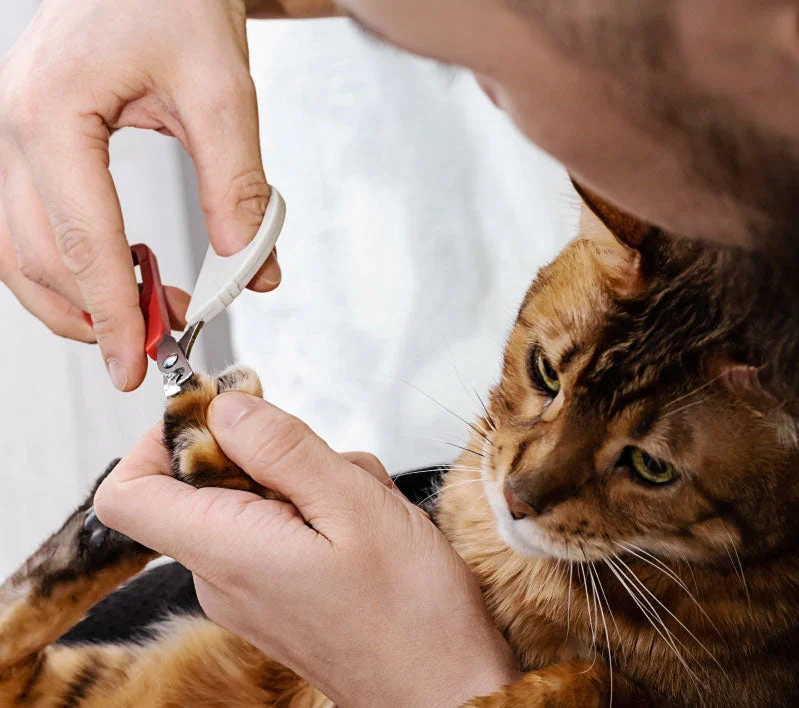
Trimming nails keeps your cat’s claws healthy. Use special cat nail clippers. Hold the paw firmly but gently. Cut only the sharp tip to avoid the quick, which can cause pain and bleeding. Take breaks if your cat feels stressed.
Cleaning ears and eyes prevents infections. Use a soft cloth or cotton ball dampened with warm water. Wipe gently around the eyes and inside the ears. Never insert anything deep inside. Stop if your cat shows discomfort.
Bathing your cat needs care and calmness. Use cat-friendly shampoo and warm water. Wet the fur slowly and avoid the face. Rinse well to remove all soap. Dry your cat with a towel and keep them warm after the bath.
Handling Common Grooming Challenges
Matted fur can hurt your cat’s skin and cause pain. Use a wide-tooth comb or a special detangling brush to gently work through mats. Hold the fur close to the skin to avoid pulling. For very tight mats, carefully cut them out with rounded-tip scissors or seek help from a vet or groomer.
Anxious or aggressive cats need calm and slow handling. Speak softly and move gently to keep them relaxed. Try short grooming sessions and offer treats as a reward. Use a towel to wrap the cat if it feels too scared or tries to scratch.
Avoid common grooming mistakes by not rushing and using the right tools. Never pull on tangles hard or skip brushing regularity. Check your cat’s skin for cuts or redness after grooming. Clean your tools to keep them safe and ready.
Maintaining Your Cat’s Coat Health
Healthy diet and plenty of water keep a cat’s coat shiny and soft. Poor food or not enough water can make fur dull and dry. Cats need protein and fat to grow strong hair. Fresh water helps stop dry skin and itching.
Brushing your cat often removes loose fur and stops mats. It also spreads natural oils, which keeps fur smooth. Regular grooming helps spot skin problems early. It can reduce hairballs and shedding in your home.
Visit a vet or groomer if mats are too tight or skin looks sore. Seek help if your cat stops grooming or has bald patches. Professionals can trim fur safely and treat skin issues.

Credit: pacagen.com

Credit: www.kinship.com
Frequently Asked Questions
What Are The Essential Tools For Grooming Cats At Home?
Essential tools include a slicker brush, comb, nail clippers, and grooming wipes. These help remove loose fur, prevent mats, and maintain hygiene efficiently.
How Often Should I Groom My Cat At Home?
Groom your cat at least once a week. Long-haired cats may need grooming daily to avoid tangles and mats.
Can Grooming Reduce Cat Hair Shedding Indoors?
Yes, regular grooming removes loose fur and decreases shedding. It also helps keep your home cleaner and your cat healthier.
How Do I Safely Trim My Cat’s Nails?
Use cat-specific nail clippers and trim only the sharp tip. Avoid cutting the quick to prevent pain and bleeding.
Conclusion
Grooming your cat at home helps keep them healthy and happy. Use the right tools like brushes and nail clippers. Take your time and be gentle to avoid stress. Regular grooming prevents hairballs and skin problems. It also builds a strong bond between you and your pet.
Start small and stay patient; your cat will adjust. Enjoy these quiet moments together. Your care makes a big difference in their life. Keep learning and improving your grooming routine. Every pet parent can do this with love and care.