


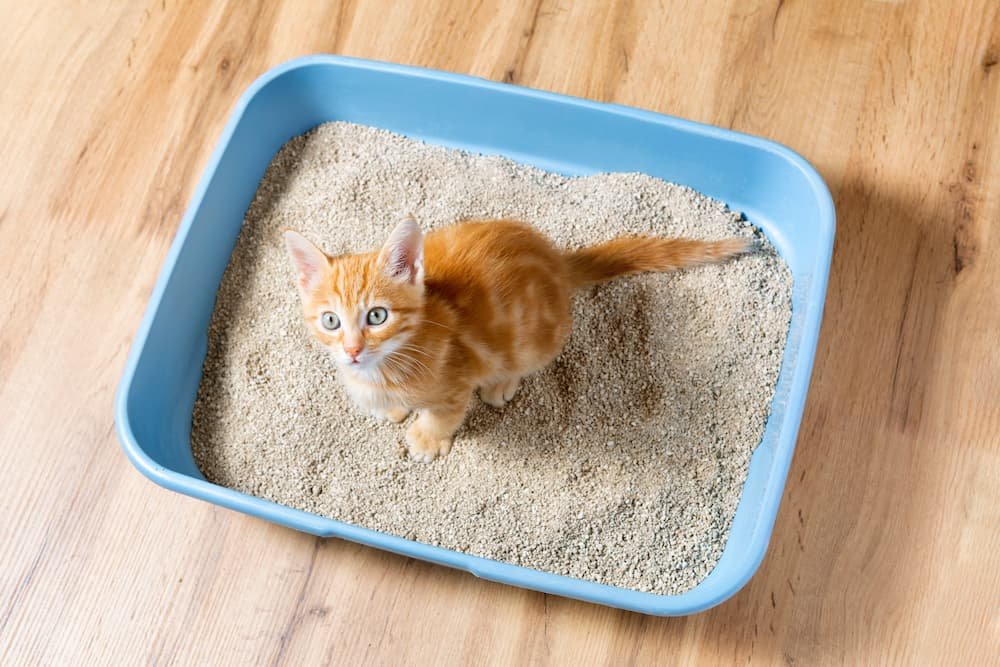


Is your cat suddenly ignoring the litter box? You’re not alone, and it can be frustrating and confusing.
When your furry friend stops using the litter box, it’s more than just a bad habit—it’s a sign that something might be wrong. Whether it’s health issues, stress, or something in their environment, understanding why your cat is avoiding the litter box can help you fix the problem fast.
Keep reading to discover the common reasons behind this behavior and what you can do to get your cat back on track. Your cat’s comfort and your peace of mind depend on it.
Common Reasons Cats Avoid Litter Boxes
Medical issues can cause cats to avoid the litter box. Problems like urinary tract infections or pain make using the box uncomfortable. A vet visit helps find and treat these problems.
Litter box cleanliness is very important. Cats dislike dirty boxes. Cleaning the box daily keeps it fresh and inviting. This makes cats want to use it.
Litter type preferences differ among cats. Some like soft litter, others prefer coarse. Trying different kinds helps find the one your cat likes best.
Stress and anxiety can make cats avoid their litter box. Changes like moving or new pets cause worry. Giving a quiet, safe space helps calm them down.
Location concerns matter a lot. Boxes placed in noisy or busy areas may scare cats. A quiet, private spot works better for their comfort.


Credit: www.nola.com
Behavioral Causes Behind Litter Box Avoidance
Territorial marking is a common reason cats avoid their litter box. Cats use urine to mark their space. This behavior often happens if there are other pets or changes in the environment. The cat tries to show who owns the area.
Changes in the household can stress a cat. New people, pets, or moving furniture may cause confusion. Cats may stop using the box because they feel unsafe or unsure.
Negative associations form if the cat had a bad experience near the litter box. Loud noises or painful events can scare them away. The cat may find other places to go instead.
How To Choose The Right Litter Box
Choose a litter box that fits your cat’s size. A small box can be uncomfortable. Big cats need bigger boxes to move easily. Boxes should be easy for cats to enter and exit. Older or sick cats may need low-entry boxes for easy access.
Decide between covered and open boxes. Covered boxes give privacy but can trap smells. Open boxes are more airy and easy to clean. Cats with breathing problems may prefer open boxes.
Use enough boxes if you have many cats. The rule is one box per cat plus one extra. This helps avoid fights and keeps cats happy. Place boxes in quiet, calm places to encourage use.


Credit: www.catsan.co.uk
Litter Box Maintenance Tips
Cleaning the litter box often keeps cats happy and healthy. Remove waste at least once a day to stop bad smells. A clean box invites your cat to use it regularly.
Replace the litter fully every 1 to 2 weeks. This stops bacteria and keeps the area fresh. Use unscented litter to avoid bothering your cat’s sensitive nose.
Deodorizing can help with strong odors. Sprinkle a bit of baking soda under the litter. It absorbs bad smells without harming your cat.
Addressing Stress And Anxiety In Cats
Stress and anxiety can cause cats to avoid their litter box. Creating a calm environment helps them feel safe. Keep the litter box area quiet and free from loud noises or sudden movements. Place it in a low-traffic spot where your cat can relax.
Pheromone products mimic natural cat scents that calm and soothe. These sprays or diffusers reduce anxiety and help cats feel more at ease. Use them near the litter box or in rooms where your cat spends time.
Keeping a routine and consistency is very important. Feed and play with your cat at the same times each day. Cats feel better when their world is predictable. This lowers stress and helps them use the litter box properly.

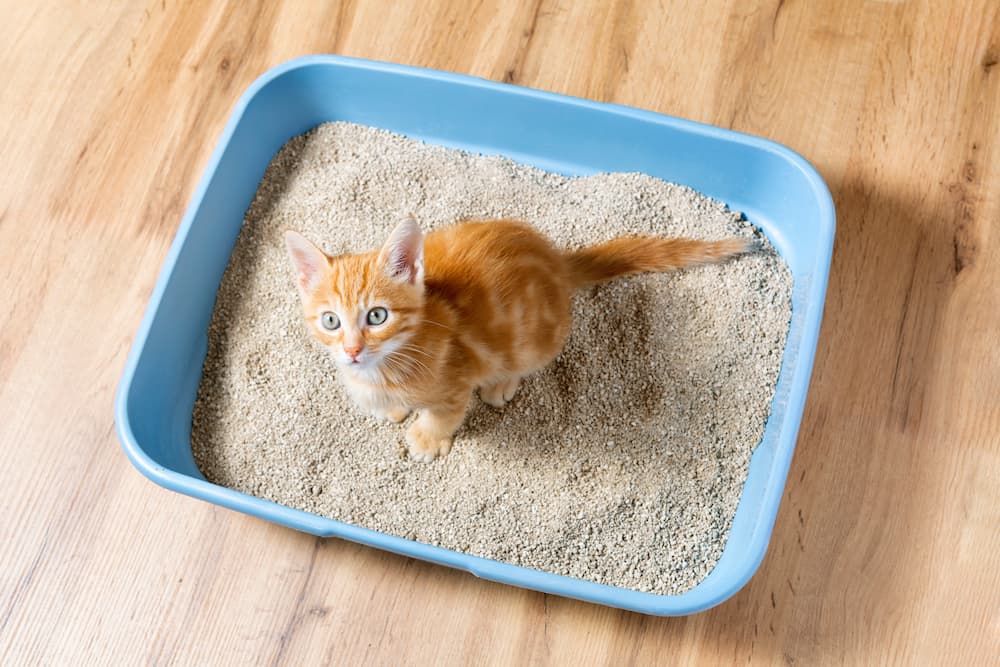
Credit: www.sanicat.com
When To Consult A Veterinarian
Signs of illness may include changes in eating, drinking, or behavior. Cats might cry while using the litter box or have blood in urine. These signs need quick vet attention to prevent serious problems.
Persistent avoidance of the litter box for many days shows a deeper problem. This might be due to pain, stress, or a medical issue. A vet can help find the cause and suggest treatment.
Professional behavioral help is needed if the cat is healthy but still ignores the box. Experts can guide training and help reduce stress or anxiety that stops proper litter use.
Frequently Asked Questions
Why Is My Cat Ignoring The Litter Box Suddenly?
Cats may avoid the litter box due to stress, illness, or dirty conditions. Changes in environment or litter type can also cause this behavior. Identifying and addressing these issues promptly helps restore proper litter box use and maintains your cat’s health.
How Can I Encourage My Cat To Use The Litter Box?
Keep the litter box clean and odor-free. Place it in a quiet, accessible location. Use unscented, clumping litter and consider adding an extra box if you have multiple cats. Positive reinforcement and consistency also encourage good litter habits.
Can Health Issues Cause Cats To Avoid The Litter Box?
Yes, urinary tract infections, bladder stones, or kidney problems can cause litter box avoidance. Pain or discomfort during urination leads cats to seek alternative spots. A vet visit is essential to diagnose and treat any medical conditions promptly.
Does Litter Box Size Or Type Affect Cat Usage?
Absolutely. Cats prefer a litter box large enough to turn around comfortably. Covered boxes may trap odors, deterring use. Choosing the right size and style encourages consistent litter box use and helps prevent accidents around the house.
Conclusion
Cats avoid the litter box for many simple reasons. Cleanliness, stress, or health issues often cause this behavior. Watch your cat’s habits and try changes carefully. Use the right litter and keep the box tidy. Give your cat a quiet, safe place to go.
If problems last, see a vet for advice. Patience and care help your cat feel comfortable again. Small steps bring big improvements in litter box use. Keep trying until your cat feels happy and safe.