




The best cat food for hair loss supports skin, coat, and digestion.
Your cat’s bald patches and constant shedding are stressful to see. I know how it feels to brush loose fur off the couch every day and worry something is wrong. Diet is not a magic fix for every cause, but the right food can help a lot. The Best Cat Food For Hair Loss supports skin repair, healthy follicles, and smooth digestion. It adds key fats, quality protein, and fiber to limit hairballs and overgrooming. In this guide, I break down what works, why it works, and which formulas are worth your money.
IAMS Indoor Weight & Hairball Care, 7 lb

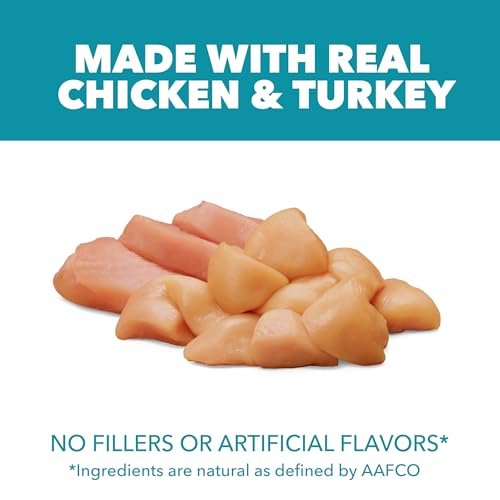
This IAMS formula hits two goals at once. It controls weight and helps with hairballs. That combo matters if your cat overgrooms and swallows fur. It uses animal protein to fuel lean muscle and support skin health. The fiber blend helps move swallowed hair through the gut. That can reduce hacking and stress. A calmer gut often means less licking and less hair loss.
For cats with dull coats, key nutrients also count. This recipe supplies omega‑6 fatty acids from chicken fat. It also includes vitamin E to support skin barrier function. Digestible grains and beet pulp help maintain stool quality. A consistent and gentle diet often shows on the coat in weeks.
Pros:
- Fiber blend helps reduce hairballs and related vomiting
- Supports weight control, which reduces stress licking
- Animal protein supports skin repair and coat growth
- Omega‑6 and vitamin E aid skin barrier health
- Small kibble size is easy to chew and digest
Cons:
- Not ideal for cats who need grain‑free
- Chicken and turkey may not suit cats with poultry allergies
- Dry food alone may not be enough for picky eaters
My Recommendation
Choose this if your cat sheds a lot, hacks up hairballs, and carries extra weight. The fiber shines in real use. It helps move hair through without drama. The steady protein and fats also support a shinier coat. For many households, this is the Best Cat Food For Hair Loss if you also want weight support. I like it for long‑haired indoor cats who struggle during shedding season.
| Best for | Why |
| Indoor cats with hairballs | Effective fiber blend to move swallowed fur |
| Cats needing weight control | Balanced calories help reduce overgrooming linked to stress |
| Owners seeking budget value | Solid nutrient profile at a friendly price |
Royal Canin Hair & Skin Care Dry Cat Food, 3 lb

Royal Canin designed this for coat shine and skin comfort. It targets fatty acid balance and amino acids that support hair strength. The formula is easy to digest and tends to show results fast. Many owners notice less dandruff and smoother fur in a few weeks. For cats with mild skin issues, that steady blend can help a lot.
This is a good pick if your vet thinks diet can support the skin barrier. It uses a precise mix of omega‑3 and omega‑6. It also includes B vitamins, copper, and zinc. These micronutrients play a role in follicle function and hair growth. For the Best Cat Food For Hair Loss in a compact bag, this one is a strong choice.
Pros:
- Targets coat gloss and skin barrier with balanced fats
- Digestible formula for steady stool and less gut stress
- Trace minerals and B vitamins for hair strength
- Often shows visible coat change within weeks
- Good option for picky eaters due to palatability
Cons:
- Higher cost per pound than many grocery brands
- Not a prescription diet for severe allergies
- Small 3 lb bag may run out fast in multi‑cat homes
My Recommendation
Pick this if skin and coat quality is your top goal. It is ideal for short‑haired cats with flaky skin and light shedding. It is also a smart bridge if your vet wants a trial before a prescription diet. In my experience, it can be the Best Cat Food For Hair Loss when shedding ties to poor skin nutrition rather than true allergies.
| Best for | Why |
| Shiny coat seekers | Balanced omega‑3 and omega‑6 for gloss and comfort |
| Picky eaters | High palatability supports consistent intake |
| Single‑cat homes | 3 lb bag is easy to use and stays fresh |
IAMS Indoor Weight & Hairball Care, 22 lb

This is the same core formula as the 7 lb bag, but in bulk. It suits multi‑cat homes or owners who want fewer reorders. You still get the hairball‑fighting fiber mix and steady protein. Skin health needs time. Buying larger helps you stay consistent through that period.
I like the value here for indoor cats with long coats. The fiber blend supports hair passage. The fatty acids and vitamin E support skin repair. Combine it with daily brushing to see the best change. If you want the Best Cat Food For Hair Loss and also save per pound, this is a good pick.
Pros:
- Bulk size lowers cost per serving
- Fiber blend reduces hairball events
- Supports steady weight for indoor cats
- Fatty acids to nourish skin and coat
- Easy to store in an airtight bin
Cons:
- Big bag needs proper storage for freshness
- Not ideal for cats with poultry sensitivities
- Dry formula may need wet toppers for hydration
My Recommendation
Use this size if you have two or more indoor cats. The savings add up fast. Keep it fresh in a sealed container. The nutrition supports less shedding and fewer hairballs over time. For households that want the Best Cat Food For Hair Loss at a smart price, the 22 lb bag is practical and effective.
| Best for | Why |
| Multi‑cat households | Bulk bag keeps costs down and diet consistent |
| Long‑haired indoor cats | Fiber helps move hair; fats help the coat |
| Budget‑minded owners | Great value without losing key nutrients |
Blue Buffalo Tastefuls Hairball & Weight, 7 lb

Blue Buffalo Tastefuls focuses on hairball control and healthy weight. It uses a natural ingredient list and avoids artificial flavors. The recipe adds a fiber blend to limit hair build‑up in the gut. It also includes the brand’s signature vitamin and antioxidant bits. Those support immune and skin function.
If your cat has a sensitive system, the gentle formula can help. The animal protein supports skin and muscle. The added omegas help lock moisture into the coat. Many owners report less shedding dust and a softer feel. This is a fine option for the Best Cat Food For Hair Loss in a natural‑leaning recipe.
Pros:
- Focus on natural ingredients with no artificial flavors
- Fiber blend for fewer hairballs
- Added omegas to support coat softness
- Balanced calories for indoor weight goals
- Includes antioxidants for overall wellness
Cons:
- Some cats may pick around the mixed kibble bits
- Not for cats with chicken sensitivity
- Price can be higher than value brands
My Recommendation
Pick this if you want a natural‑leaning ingredient list with hairball support. It is nice for cats who do best on gentle formulas. The fiber and fats work together for coat and gut. For owners who care about clean labels, this stands out as the Best Cat Food For Hair Loss without giving up weight control.
| Best for | Why |
| Owners who prefer natural diets | No artificial flavors and a clean ingredient list |
| Cats with frequent hairballs | Fiber helps push hair through the GI tract |
| Indoor cats with soft coat goals | Added omegas and balanced calories |
Purina ONE +Plus Hairball Control, 7 lb

Purina ONE +Plus Hairball Control is a simple, proven option. It contains a fiber blend aimed at hair passage. It pairs that with animal protein for muscle and skin. The formula is easy to find and easy to feed. If you need a quick switch that helps, this is a solid bet.
I like its balance for budget and results. You get vitamin E and essential fatty acids. Those support a healthy skin barrier and a shiny coat. Digestibility is good for most cats. As a Best Cat Food For Hair Loss, it gives you fast access and reliable consistency.
Pros:
- Wide availability and strong value
- Proven fiber system for hairball control
- Vitamin E and essential fatty acids for skin
- Good palatability for most cats
- Simple to transition from other common foods
Cons:
- Some fillers may not suit sensitive cats
- Not tailored for severe skin allergy cases
- Dry format may need wet food for more moisture
My Recommendation
Use this if you want a fast, affordable fix for hairballs and shedding. It is a staple pick for many cats. The fiber and fats support better coat feel and less shedding dust. For everyday use, it earns a spot among the Best Cat Food For Hair Loss without straining your budget.
| Best for | Why |
| Budget buyers | Good results at a friendly price |
| Cats new to hairball diets | Easy switch with familiar taste profile |
| Owners needing easy access | Common in stores and online for quick restock |
How to Choose the Best Cat Food For Hair Loss
Hair loss can have many causes. Food helps some of them. It can also make other issues worse if you pick the wrong recipe. Before you switch, look at the whole picture. Then match diet to your cat’s needs.
Common reasons cats lose hair
- Allergies: Food or environmental triggers can cause itch and overgrooming.
- Parasites: Fleas and mites lead to biting, scratching, and bald patches.
- Fungal issues: Ringworm can cause patchy hair loss.
- Stress: Anxiety often shows up as barbering of the fur.
- Hormones: Thyroid disease and other disorders affect skin and coat.
- Nutrition gaps: Low omega fats or poor protein can dull the coat.
Diet helps when the cause links to skin nutrition, hairballs, or mild food sensitivity. It is not a cure for infections or parasites. Always ask your vet if you see fast hair loss, sores, or scabs. A good exam rules out big problems first.
What to look for on the label
- Complete and balanced: Look for AAFCO adult maintenance statements.
- Quality animal protein: Supports skin repair and hair growth.
- Omega‑3 and omega‑6: Fish oil and chicken fat are common sources.
- Key micronutrients: Biotin, B vitamins, vitamin E, zinc, and copper.
- Digestible fiber: Beet pulp, cellulose, or psyllium for hairball help.
- Palatability: If your cat will not eat it, it will not work.
Protein feeds the hair shaft. Fats support the skin barrier. The right trace minerals act like small tools for the body. They help enzymes build and repair tissues. Pick a diet that covers all those needs in one bowl. That is the heart of the Best Cat Food For Hair Loss.
Omega‑3 and omega‑6, the coat duo
Omega‑6 supports the skin barrier. It helps lock in moisture. Omega‑3 helps calm skin irritation. It can reduce flaky patches and itch. Together, they support healthy follicles and smooth hair shafts. Many hair and skin formulas tune this balance on purpose.
Fiber for hairballs and overgrooming
Cats swallow hair when they groom. That hair must move through the gut. The right fiber blend helps push it along. That means fewer hairballs. It also means less nausea and less stress grooming. Less licking can mean less hair loss over time.
Allergy note and when to seek a vet diet
Food allergies do happen. The signs often include itch around the head and neck. You may also see ear issues or soft stool. Overgrooming can follow. If you suspect this, talk to your vet. A hydrolyzed protein or novel protein diet may be needed. Those are special diets and not the same as the picks here.
Wet food and hydration help
Dry foods are easy to store and feed. Wet foods add moisture. Better hydration supports skin and coat. It also helps the urinary tract. You can mix wet and dry to get the best of both. Start with small amounts to avoid upset stomach.
How to switch without tummy trouble
- Days 1–2: 75% old food, 25% new food.
- Days 3–4: 50% old, 50% new.
- Days 5–6: 25% old, 75% new.
- Day 7+: 100% new food.
Go slower for sensitive cats. Watch stool quality and appetite. Keep fresh water out at all times. If your cat refuses to eat, step back and slow down.
How long until you see results?
Skin and coat changes take time. Expect 4 to 8 weeks for full effect. You may see less flaking in two weeks. Hair growth on bald spots takes longer. Stick with one food during the trial. That makes results clear and clean.
Serving size, weight, and shedding
Extra weight can make grooming hard. That leads to mats and overgrooming. A good weight‑control formula can help. Follow the feeding chart as a start. Adjust based on body condition and your vet’s advice. The Best Cat Food For Hair Loss often keeps calories in check too.
Supplements: yes or no?
Fish oil can help some cats. But more is not always better. Too much can upset the stomach. It can also affect calories. Ask your vet before adding oils or biotin. Many good foods already have what you need.
Grooming and home care tips
- Brush daily during shedding season.
- Use flea prevention year‑round as advised by your vet.
- Add scratch posts and play to reduce stress.
- Keep litter boxes clean to avoid stress grooming.
- Use an air purifier if dust triggers itching.
Diet, grooming, and stress control work best together. That is the real secret behind every pick for the Best Cat Food For Hair Loss.
FAQs Of Best Cat Food For Hair Loss
How fast will my cat’s hair grow back after switching foods?
Most cats need 4 to 8 weeks to show coat change. Bald spots may take longer. Stick to one food during the trial.
What ingredients should I look for in the Best Cat Food For Hair Loss?
Look for animal protein, omega‑3 and omega‑6, vitamin E, biotin, zinc, and digestible fiber. An AAFCO complete and balanced statement is key.
Can hairballs cause hair loss?
Hairballs do not cause hair loss directly. But grooming more due to nausea can. Fiber diets help move hair and reduce overgrooming cycles.
Is grain‑free better for shedding?
Not always. Grain‑free is not a cure for hair loss. Balanced nutrition and fatty acids matter more than grain status.
Should I add fish oil with these foods?
Ask your vet first. Many formulas already include omega fats. Too much oil can upset digestion or add excess calories.
Final Verdict: Which Should You Buy?
If your goal is coat gloss and skin comfort, Royal Canin stands out. For hairballs and weight together, IAMS Indoor is a value winner. Blue Buffalo works well for natural‑leaning buyers. Purina ONE is the easy, budget choice.
Match your pick to your cat’s needs and appetite. The true Best Cat Food For Hair Loss supports skin fats, quality protein, and fiber. Start slow, stay consistent, and give it time to work.