




Changing your cat’s food can feel tricky. You want to keep your furry friend happy and healthy, but sudden food changes often upset their stomach or cause them to refuse eating altogether.
If you’ve ever wondered, “How can I transition my cat to a new food without stress or fuss? ” you’re in the right place. This guide will walk you through simple, proven steps that make switching your cat’s diet smooth and safe.
By the end, you’ll know exactly how to protect your cat’s health and keep them purring with satisfaction. Keep reading to discover the easy way to make this important change!
Signs Your Cat Needs New Food
Knowing when your cat needs new food helps keep them healthy and happy. Cats cannot tell us directly when their food is not right. Watching for signs is important. Changes in behavior or health may signal a need for a food change.
Recognizing these signs early can prevent bigger problems. A smooth transition to new food supports your cat’s well-being.
Behavioral Changes
Your cat may show changes in eating habits. They might eat less or refuse food altogether. Some cats become picky or avoid their usual meals. Look for signs like less energy or hiding more often. Increased irritability or restlessness can also appear. These changes suggest your cat is uncomfortable with their current food.
Health Indicators
Health issues often point to food problems. Watch for vomiting, diarrhea, or constipation. Dull fur and excessive shedding may happen. Weight loss or gain without reason can be a clue. Bad breath or dental issues might also arise. Skin problems like itching or redness can indicate allergies. These signs show your cat’s food may not suit them well.
Choosing The Right Food
Choosing the right food is the first step in changing your cat’s diet. Cats need food that supports their health and energy. Picking a food that fits their needs makes the transition easier and keeps them happy. Understanding what your cat requires helps in choosing the best option for them.
Nutritional Requirements
Cats need protein as their main nutrient. Meat-based ingredients are best for their diet. They also need fats for energy and healthy skin. Vitamins and minerals support their body functions. Avoid foods with too many fillers or artificial additives. Look for labels that meet AAFCO standards for complete nutrition.
Consulting Your Veterinarian
Your vet knows your cat’s health history. They can recommend foods suited to age and health conditions. Discuss any allergies or sensitivities your cat has. Your vet can guide you on portion sizes and feeding frequency. Follow their advice to avoid health problems during the switch. This helps ensure your cat stays healthy and comfortable.
Preparing For The Transition
Preparing your cat for a new food is the first step to a smooth transition. It takes time and care to help your cat adjust without stress. A calm and organized approach makes a big difference. Before changing the diet, setting the right environment and having the right supplies ready helps your cat feel safe and comfortable.
Creating A Calm Environment
Choose a quiet space for your cat to eat and relax. Avoid loud noises or sudden movements near the feeding area. Keep other pets away during meal times to reduce stress. A peaceful spot helps your cat focus on the new food. Consistency in the feeding location builds a sense of security. Use soft lighting and keep the area clean. This calm setting encourages your cat to try the new food without fear.
Gathering Supplies
Have all necessary items ready before starting the transition. This includes the new cat food and the old food for mixing. Use clean bowls for each type of food to avoid confusion. Fresh water should always be available near the feeding area. Measuring cups help control portion sizes accurately. Consider having treats or toys to reward your cat’s progress. Preparing everything in advance makes the change easier for both you and your cat.

Credit: www.petco.com
Step-by-step Transition Plan
Changing your cat’s food can be tricky. A careful step-by-step plan helps your cat adjust smoothly. This approach reduces stomach upset and helps your cat accept the new taste. Follow these simple steps to make the transition easier and safer for your pet.
Introducing Small Amounts
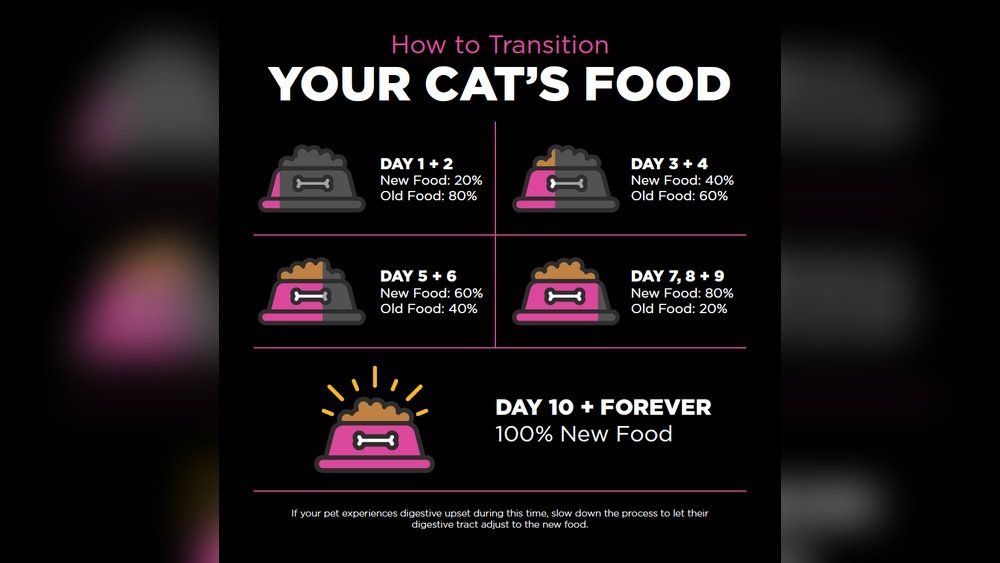
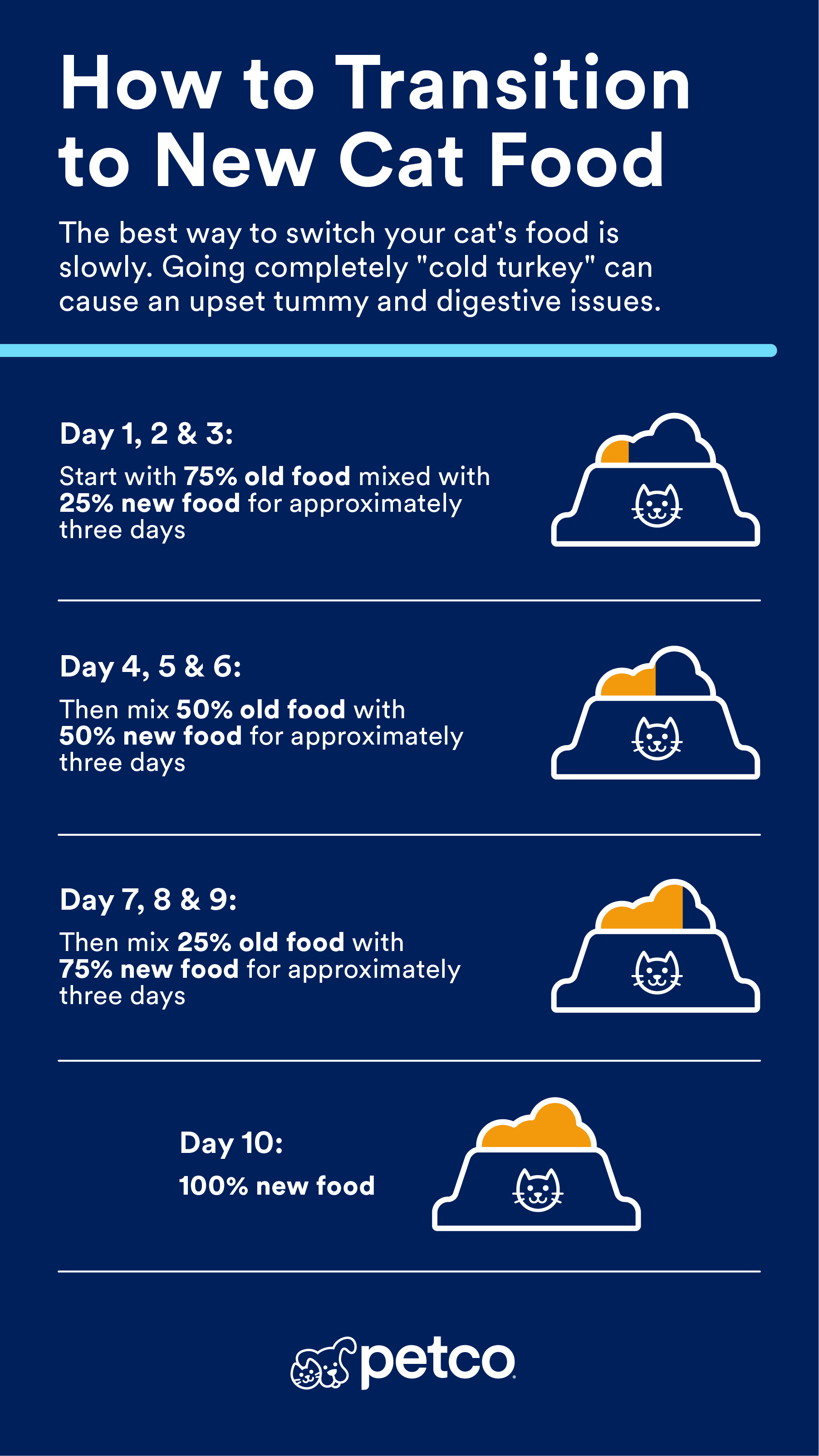
Start by mixing a small portion of the new food with the current food. Aim for about 10% new food and 90% old food. Serve this mixture for two to three days. This lets your cat get used to the new flavor without a sudden change.
Gradually Increasing New Food
Slowly increase the amount of new food every few days. Change the ratio to 25% new food and 75% old food next. Then move to 50% new and 50% old. Continue this until your cat eats only the new food. This process usually takes about one to two weeks.
Monitoring Your Cat’s Response
Watch your cat’s behavior and health closely. Look for signs of stomach upset like vomiting or diarrhea. Check if your cat is eating well and staying active. If you notice problems, slow down the transition or consult your vet. Keeping track helps ensure your cat stays healthy and happy.
Managing Common Challenges
Changing your cat’s food can bring some challenges. Cats can be picky and sensitive. Managing these common issues helps your cat adjust smoothly. Patience and gentle care are key. Understanding the problems and solutions makes the transition easier for both of you.
Dealing With Refusal To Eat
Some cats refuse new food at first. This is normal. Try mixing a small amount of new food with old food. Gradually increase the new food over 7-10 days. Keep feeding times consistent. Avoid giving treats or snacks that can spoil their appetite. Offering the food at room temperature can improve smell and taste.
Handling Digestive Upset
Digestive upset may appear during the change. Watch for vomiting, diarrhea, or constipation. Slow down the transition if this happens. Give smaller amounts of new food mixed with old food. Make sure your cat drinks plenty of water. Consult your vet if problems last more than a few days. Sometimes a probiotic supplement can help soothe the stomach.
Reducing Stress During Transition
Food change can stress your cat. Keep their feeding area quiet and calm. Avoid loud noises or busy areas during mealtime. Give your cat extra attention and gentle petting. Use pheromone diffusers to create a relaxed environment. Maintain regular feeding and play schedules. A calm cat is more likely to accept new food.

Credit: go-solutions.com
Tips For Success
Changing your cat’s food can be tricky. Success needs careful steps and calm. These tips help your cat adjust well. They make the change smoother and less stressful.
Follow these ideas to keep your cat happy and healthy during the switch. Patience and gentle care go a long way.
Consistency And Patience
Feed your cat the new food slowly over 7 to 10 days. Mix a small amount of new food with the old one. Gradually increase the new food portion every day. Watch your cat’s reactions closely. Do not rush the process. Some cats take longer to accept change. Stay calm and patient. Consistent feeding times help your cat feel safe.
Using Pheromone Diffusers
Stress can make changing food harder. Pheromone diffusers release calming scents for cats. Place them in the feeding area. These scents reduce anxiety and fear. Your cat feels more relaxed and willing to try new food. Use diffusers before and during the transition. It helps create a peaceful environment for your cat.
Maintaining Routine
Keep your cat’s daily routine steady. Feed at the same times each day. Use the same feeding bowls and place. Avoid sudden changes in playtime or sleeping spots. Routine gives your cat comfort and control. A calm cat adapts faster to new food. Stick to familiar habits alongside the food change.
When To Seek Professional Help
Changing your cat’s diet can be tricky. Sometimes, despite careful transitioning, problems arise. Knowing when to seek professional help is important. This helps keep your cat safe and healthy during the change.
Signs Of Allergic Reactions
Watch for sudden itching or skin redness. Swelling around the face or paws is a warning. Your cat may vomit or have diarrhea often. Breathing difficulties or coughing also need attention. These signs suggest an allergy to the new food. Contact your vet immediately for advice and treatment.
Persistent Health Issues
If your cat refuses to eat for more than two days, consult a vet. Ongoing vomiting or diarrhea can cause dehydration and weakness. Weight loss during the food change is a concern. Lethargy or unusual behavior might signal a serious problem. Persistent issues need professional assessment to avoid harm.


Credit: www.stellaandchewys.com
Frequently Asked Questions
How Long Does It Take To Transition A Cat To New Food?
Transitioning a cat to new food usually takes 7 to 10 days. Gradually mix increasing amounts of new food with old. Monitor your cat’s reaction and adjust pace if needed to prevent digestive upset.
What Is The 3-3-3 Rule For New Cats?
The 3-3-3 rule helps new cats adjust: 3 days in a quiet room, 3 days exploring safely, 3 days socializing and bonding.
How Do I Transition My Cat To New Food?
Transition your cat gradually by mixing increasing amounts of new food with the old over 7-10 days. Monitor for digestive issues. Maintain consistent feeding times and provide fresh water. Stop if your cat shows signs of distress, and consult a vet if problems persist.
What Is The 25 Rule For Cat Food?
The 25 rule for cat food means feeding 25 calories per pound of your cat’s ideal body weight daily. This helps maintain healthy weight and nutrition.
Conclusion
Transitioning your cat to new food takes time and patience. Start slowly by mixing old and new food over several days. Watch for any signs of upset stomach or refusal to eat. Keep your cat’s feeding area calm and quiet.
Offer fresh water nearby to encourage drinking. Stay consistent with feeding times to build a routine. Remember, each cat adjusts differently, so don’t rush the process. Small, steady changes help your cat feel safe and comfortable. With care and attention, your cat will enjoy their new diet soon.