


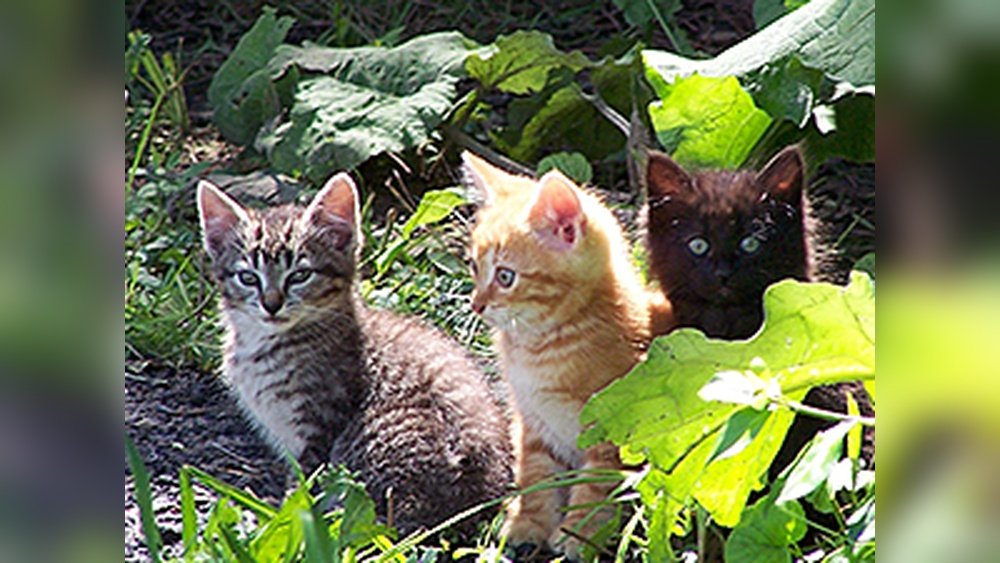


Many people discover a feral kitten living outside and wonder if it can ever become a friendly, loving pet. If the kitten is about 4 months old, the answer is not simple. At this age, feral kittens are past the critical early socialization window, but taming is still possible with patience and the right approach. This article explores the realities of taming a 4 month old feral kitten, the challenges you may face, and practical steps for success.
Understanding Feral Kittens At 4 Months
A feral kitten is a cat born outdoors with little or no human contact. By four months, kittens are usually more cautious and their wild instincts are stronger. Research shows that kittens between 2 and 7 weeks are easiest to tame; after this, their fear of humans increases sharply.
At 4 months, a feral kitten:
- Is more independent
- May hiss, bite, or run away from people
- Is less likely to accept handling
Still, many rescuers and cat foster homes have successfully tamed kittens even older than 4 months. The process just requires more effort, skill, and time.
The Four Key Elements To Taming
To fully answer the question, we need to look at four important aspects:
- Environment and Initial Approach
- Socialization Techniques
- Health and Veterinary Care
- Long-Term Behavior and Expectations
Each plays a critical role in taming a feral kitten at this age.
1. Environment And Initial Approach
Creating the right setting is essential. A quiet, secure space helps the kitten feel safe and reduces stress.
- Use a small room or large crate with a hiding spot
- Limit noise and activity
- Keep other pets and children away at first
The first few days are about letting the kitten adjust. Do not try to pick up or force contact. Place food, water, and a litter box nearby. Speak softly when entering the room. This gentle introduction helps the kitten associate humans with safety.
2. Socialization Techniques
Socialization is the process of teaching the kitten that humans are not a threat. At 4 months, this requires patience and consistency.
Effective techniques include:
- Hand-feeding treats to create positive associations
- Using toys, like feather wands, to encourage play and interaction
- Gradually increasing contact, starting with gentle talking and moving to slow petting
A useful tip is to sit quietly in the room and let the kitten come to you. Never chase or corner the kitten, as this increases fear.
Non-obvious insight: Scent plays a big role. Leave a piece of your clothing in the room so the kitten gets used to your smell.
3. Health And Veterinary Care
Before starting taming, the kitten should see a vet. Feral kittens often carry parasites or diseases.
Common health needs:
- Vaccinations for rabies and distemper
- Deworming and flea treatment
- Spay/neuter surgery
Handling may be difficult, so use humane traps or towels for safe transport. Health issues can make taming harder; a sick or uncomfortable kitten may be less willing to trust.
Non-obvious insight: Early vet visits help build trust. The kitten may see you as a helper, not just a stranger.
4. Long-term Behavior And Expectations
Not all 4 month old feral kittens become lap cats. Some may always be a bit shy or prefer limited contact. The kitten’s personality, previous experiences, and your approach all affect the outcome.
Possible results:
- Friendly, social pet after weeks or months
- Semi-social cat that accepts food and gentle petting, but avoids strangers
- Cat that never fully adjusts to indoor life
The key is to set realistic goals. Celebrate small progress, like a kitten eating in your presence or playing with toys. Success is not always measured by cuddles.


Credit: islandsferalcatproject.org
Data: Comparison Of Taming Outcomes
Here is a comparison of taming results based on age and effort:
| Kitten Age | Time to Tame | Success Rate | Behavior Outcome |
|---|---|---|---|
| 2-7 weeks | 1-3 weeks | 90% | Friendly, social |
| 8-12 weeks | 2-6 weeks | 70% | Mostly friendly |
| 13-16 weeks | 4-8 weeks | 50% | Semi-social |
| Over 16 weeks | 8+ weeks | 30% | Shy, limited contact |
Practical Tips For Taming Success
Consider these strategies to improve your chances:
- Set a daily routine for feeding and play
- Use positive reinforcement (treats, praise)
- Avoid sudden movements or loud noises
- Track progress with a simple log (date, behavior changes)
- Seek help from experienced foster homes or trainers
Here’s a quick comparison of common mistakes and recommended actions:
| Common Mistake | Better Approach |
|---|---|
| Forcing handling | Let kitten approach you |
| Skipping vet care | Schedule early checkup |
| Ignoring routine | Feed and play on schedule |
| Too many visitors | Limit to one or two people |


Credit: www.reddit.com
Frequently Asked Questions
Can A 4 Month Old Feral Kitten Become A House Pet?
Yes, but it takes longer than younger kittens. With patience and consistency, many 4 month old feral kittens learn to trust and can become good house pets.
How Long Does Taming Usually Take?
Most 4 month old feral kittens need 4 to 8 weeks of daily effort, but some may take longer. Progress depends on the kitten’s personality and your approach.
What If The Kitten Never Fully Tames?
Some kittens stay semi-social. They may accept food and limited petting but avoid strangers. This is normal and still counts as success.
Do Older Feral Kittens Need Special Care?
Yes. Older kittens often need extra patience and may require special techniques, like using calming pheromones or working with experienced rescuers.
Where Can I Get More Advice?
Many animal rescue groups and shelters offer guidance. For detailed tips, visit Alley Cat Allies.
Taming a 4 month old feral kitten is a rewarding challenge. With the right environment, gentle socialization, proper health care, and realistic expectations, you can help the kitten transition from wild to tame. Every step matters, and even small changes in the kitten’s behavior are signs of progress.
If you stay patient and persistent, you may gain a grateful, loving companion for years to come.