


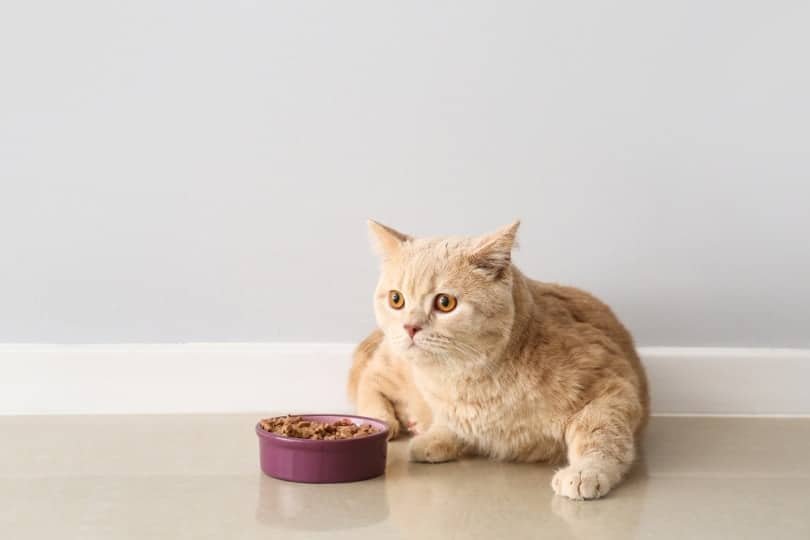


Cat Not Eating Before Surgery is normal; fasting lowers vomiting and aspiration risk.
If you are worried about Cat Not Eating Before Surgery, you are not alone. As a pet health writer who works closely with veterinary teams, I will walk you through what is safe, what is risky, and how to prepare. You will learn why fasting matters, what to do if your cat refuses to eat, and how to set a simple plan that keeps your cat calm and ready for a smooth procedure.

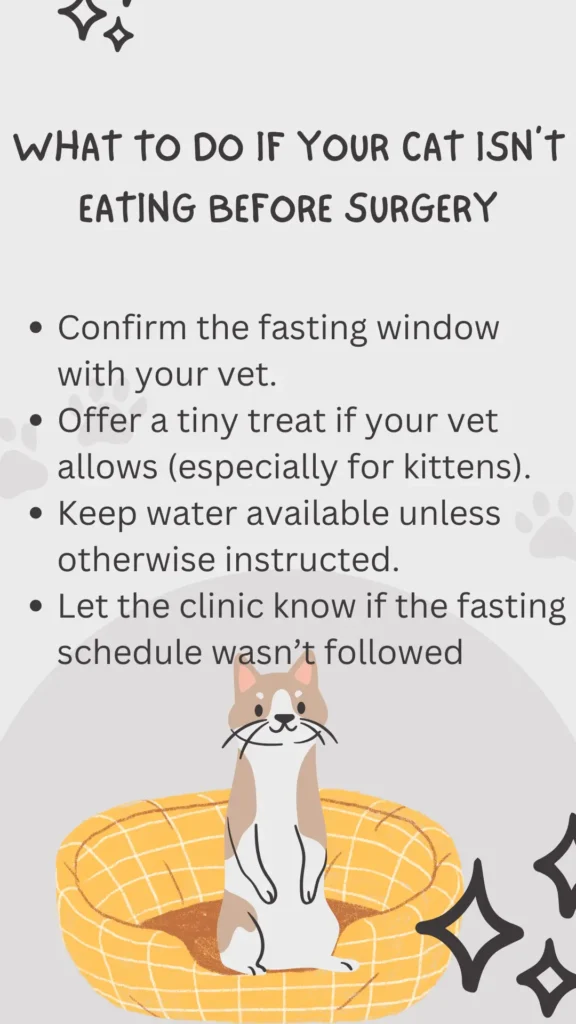
Source: pawblooms.com
Why vets ask you to withhold food
Anesthesia can relax the muscles that keep food down. If the stomach is full, a cat can vomit and inhale the contents. That can lead to aspiration, which is a medical emergency. This is the core reason Cat Not Eating Before Surgery is part of standard pre-op care.
Food also changes stomach acid and volume. A lower volume reduces nausea during recovery. Water is a separate issue; many vets allow water until a short time before check-in. Always follow your clinic’s exact plan, since the anesthesia drugs and your cat’s health affect fasting needs.


Source: com.au
How long should a cat fast before surgery?
Most healthy adult cats fast from food for 6 to 8 hours before anesthesia. Many clinics allow water until 2 hours before arrival, but policies vary. Kittens and some seniors should not fast as long, since low blood sugar is a risk. Your vet will tailor the fasting window, so confirm the time when you book.
Keep the focus on safety. If you are unsure, ask your vet to text you the times in writing. This reduces stress and mistakes. If you see mixed advice online about Cat Not Eating Before Surgery, trust the plan from your own care team.

Source: pawblooms.com
My cat not eating before surgery: what’s normal vs. worrying
Planned fasting is normal. But a cat refusing to eat many hours before the cutoff can be a red flag. Stress, nausea, dental pain, or a hidden illness can all lower appetite. Watch for vomiting, diarrhea, drooling, deep lethargy, or hiding more than usual.
Call your clinic if your cat has not eaten for 24 hours, or if you see any of those signs. Your vet may adjust the schedule, add anti-nausea medicine, or check labs first. Cat Not Eating Before Surgery is safe when it is planned, but not when it is due to illness.

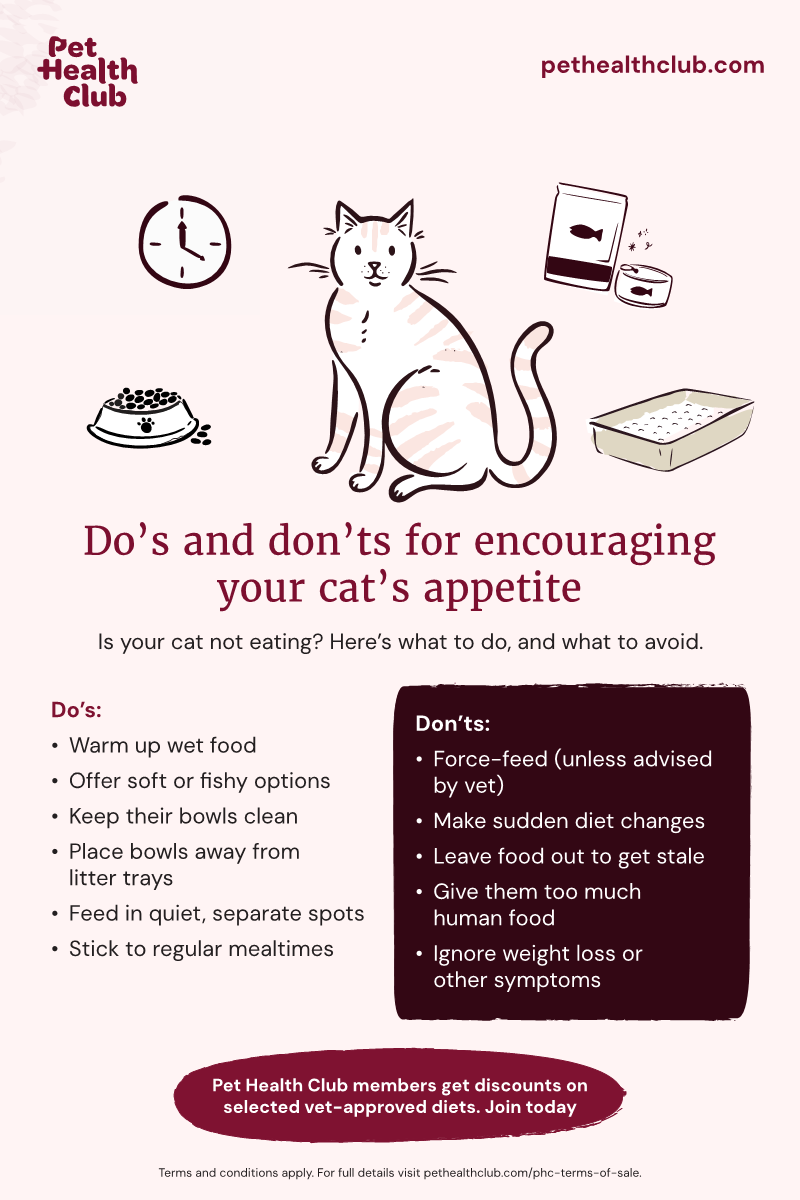
Source: pethealthclub.com
A simple feeding timeline the day before surgery
Use this sample plan and adapt it to your vet’s instructions.
- Early evening: Offer a normal meal with wet food to ensure good hydration.
- Cutoff time: Remove all food at the time your vet gives you. Place bowls out of reach.
- Water: Most clinics allow water until a short time before check-in. Confirm the exact time.
- Multi-cat homes: Feed the surgical cat in a separate room. Pick up all other food at cutoff.
- Midnight checks: Do a quick sweep for crumbs, treats, or automatic feeder timers.
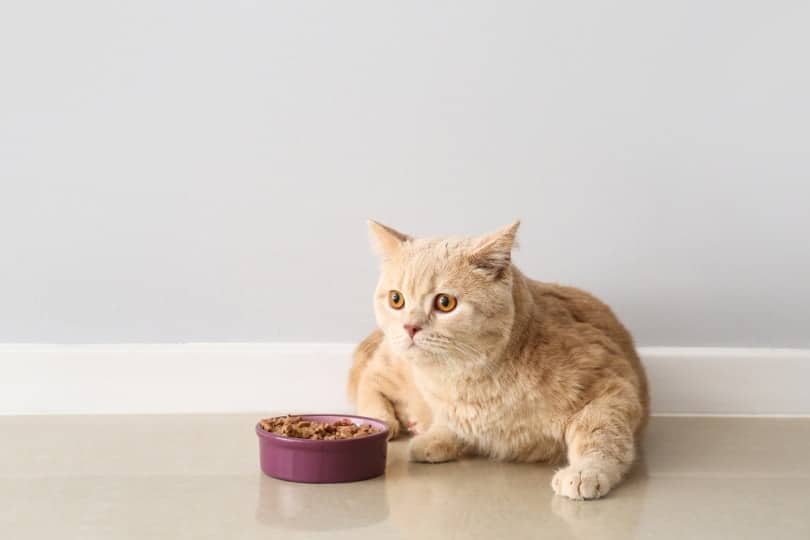
This step-by-step plan reduces errors and keeps Cat Not Eating Before Surgery safe and simple.

Source: catster.com
Tips to reduce stress so your cat eats enough until cutoff
Some cats stop eating because they sense change. Lower stress and protect intake the day before.
- Keep routine steady. No loud cleaning, visitors, or new foods.
- Offer warmed wet food. The smell can trigger appetite.
- Feed in a quiet room. Add a soft blanket and dim lights.
- Use pheromone diffusers or sprays. These can ease worry.
- Ask your vet about anti-nausea or appetite support if your cat has a history of stress.
These calm steps help you avoid a last-minute struggle with Cat Not Eating Before Surgery.


Source: mcgill.ca
What to do if your cat has not eaten for 24 hours before surgery
Call your vet. Skipping food this long can raise risks, especially in overweight cats. Cats can develop liver problems if they go without food for too long. Your vet may delay the procedure, give fluids, or treat nausea first.
Do not force-feed without guidance. Do not give human meds. Share a clear timeline of what your cat ate, drank, and any vomiting or stool changes. Clear facts help your vet set a safe plan for Cat Not Eating Before Surgery.

Source: dangerfieldsofshakopee.com
After-surgery feeding: first meal and refeeding safely
Most cats can have a small meal a few hours after they are home, if your vet allows it. Start with a spoonful or two of wet food. Offer fresh water. If that stays down, repeat small meals every few hours. Avoid large meals that can stretch the stomach and trigger nausea.
Expect a soft appetite for 12 to 24 hours, depending on the procedure and pain plan. Call your vet if your cat will not drink, vomits more than once, or seems painful. A safe refeed plan is the natural partner to Cat Not Eating Before Surgery.

Source: pawblooms.com
Special cases: kittens, seniors, diabetics, and chronic disease
Different health stages need different fasting rules. Always confirm with your vet.
- Kittens: Short fasting windows. Low blood sugar is a risk. Your vet will guide you.
- Seniors: Gentle fasting. Kidney and heart issues may change the plan.
- Diabetics: Insulin and food must be timed. Do not give insulin if your cat is not eating unless your vet says so.
- Liver or GI disease: Extra care to prevent nausea and dehydration.
These cases show why one-size advice for Cat Not Eating Before Surgery does not fit all.
Evidence and what I have seen in the clinic
In practice, planned fasting lowers the chance of vomit and aspiration during anesthesia. This mirrors standard veterinary anesthesia guidelines that recommend short, controlled fasting with access to water until close to induction. In my experience, the cats who do best have a calm home the day before, a clear cutoff, and a small, bland first meal after discharge.
I once managed a very anxious cat who stopped eating the night before. We delayed surgery by a day, used anti-nausea medicine, and sent home a simple feeding plan. The next day went smoothly. Thoughtful prep turned Cat Not Eating Before Surgery from a worry into a safe step.
Frequently Asked Questions of Cat Not Eating Before Surgery
How many hours should my cat fast before anesthesia?
Most healthy adult cats fast from food for 6 to 8 hours. Your vet may adjust this based on age, health, and the type of surgery.
Can my cat drink water before surgery?
Many clinics allow water until 2 hours before check-in. Always follow the exact cutoff your vet provides.
What if my cat vomits during the fast?
Call your clinic. Vomiting can mean an empty, irritated stomach or an illness that needs care before anesthesia.
Should I cancel if my cat has not eaten for 24 hours?
Yes, call your vet to discuss. They may delay surgery and treat nausea or dehydration first.
Can I give treats or a small snack after the cutoff?
No. Even a small snack can raise anesthesia risks. Remove all food sources, including treat jars and feeders.
Is it normal for my cat to seem hungry or annoyed?
Yes. Your cat may meow or beg. Offer comfort and stick to the plan to keep the procedure safe.
Conclusion
Fasting before anesthesia protects your cat from vomit and aspiration, and it helps your vet keep anesthesia smooth and safe. Plan the timeline, lower stress, and ask for written instructions tailored to your cat. If your pet refuses food or shows sickness, call the clinic and adjust early.
Take the next step now. Confirm your fasting plan with your vet, set reminders for cutoff times, and prep a calm feeding routine for after surgery. Want more practical pet care guides? Subscribe, share your questions, or leave a comment below.