




Every dog owner has seen it: your dog sneaks into the kitchen and eats your cat’s food. It might seem harmless, but there are real risks. Dogs and cats have different nutritional needs. Feeding your dog cat food can cause health problems, especially if it happens often. This article will explain the side effects, why cat food is different, and what you should do if your dog eats it. You’ll also see clear comparisons and expert insights to help protect your pet.
Key Differences Between Dog And Cat Food
Dog and cat foods are made for different animals. While both contain proteins, fats, and vitamins, the balance is not the same.
| Nutrition | Dog Food | Cat Food |
|---|---|---|
| Protein Content | 18-25% | 30-40% |
| Fat Content | 8-15% | 15-20% |
| Essential Amino Acids | Lower Taurine | High Taurine |
| Calories per Cup | 350-400 | 400-500 |
Cat food is richer in protein and fat. It also contains more taurine, an amino acid cats need but dogs do not. Dogs are omnivores, so their diets include vegetables and grains. Cats are strict carnivores, so their food is more concentrated. This difference is important for your dog’s health.
Side Effects Of Dogs Eating Cat Food
Dogs may find cat food tasty, but eating it can cause problems. The effects depend on how much and how often your dog eats cat food.
Short-term Side Effects
If your dog eats cat food once, you may notice:
- Upset stomach: Vomiting or diarrhea is common.
- Gas and bloating: High fat and protein can cause discomfort.
- Increased thirst: Cat food is salty, so dogs may drink more.
These symptoms usually pass in a day. If they last longer, see your vet.
Long-term Side Effects
Regularly eating cat food can lead to bigger issues:
1. Obesity
Cat food is high in calories. Dogs eating it often can gain weight quickly. Obesity leads to joint pain, diabetes, and heart disease.
2. Pancreatitis
Too much fat can trigger pancreatitis. This is a painful, dangerous condition. Symptoms include vomiting, loss of appetite, and abdominal pain. Dogs with pancreatitis need urgent care.
3. Kidney Problems
Cat food contains more protein and salt. Over time, this can stress your dog’s kidneys, especially older dogs or those with kidney disease.
4. Nutritional Imbalance
Dogs need certain vitamins and minerals. Cat food lacks some of these. Eating only cat food can cause deficiencies, affecting skin, coat, and energy levels.
5. Digestive Issues
Dogs may have chronic diarrhea or constipation if they eat cat food regularly.
| Side Effect | Short-Term | Long-Term |
|---|---|---|
| Vomiting/Diarrhea | Yes | Possible |
| Obesity | No | Yes |
| Pancreatitis | Rare | Yes |
| Kidney Stress | No | Yes |

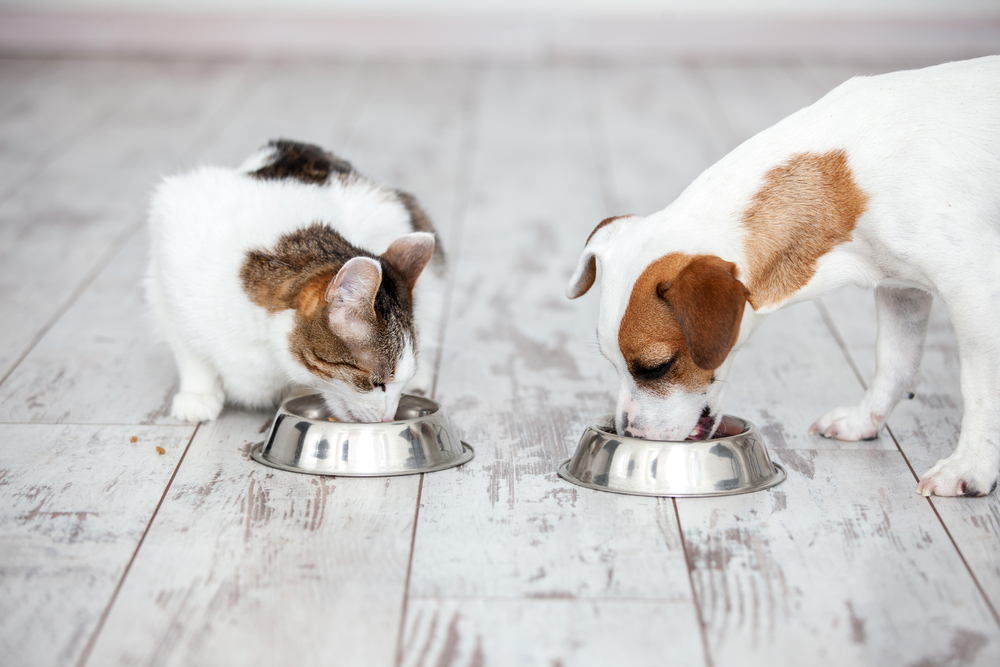
Credit: www.vets-now.com
Why Do Dogs Eat Cat Food?
Many dogs love the smell and taste of cat food. Cat food uses more meat and fat, which is appealing. Some dogs are food motivated and will eat anything they find. Others may eat cat food if their own diet is lacking in flavor or nutrients. This is a sign to review your dog’s diet quality.
Non-obvious insight: Dogs often eat cat food out of boredom or curiosity, not just hunger. Keeping pets mentally stimulated can reduce this behavior.
What To Do If Your Dog Eats Cat Food
If your dog eats cat food once, watch for signs of upset stomach. Offer plenty of water and monitor their behavior. If symptoms last more than 24 hours or seem severe, call your vet.
If your dog eats cat food often, take these steps:
1. Separate Feeding Areas
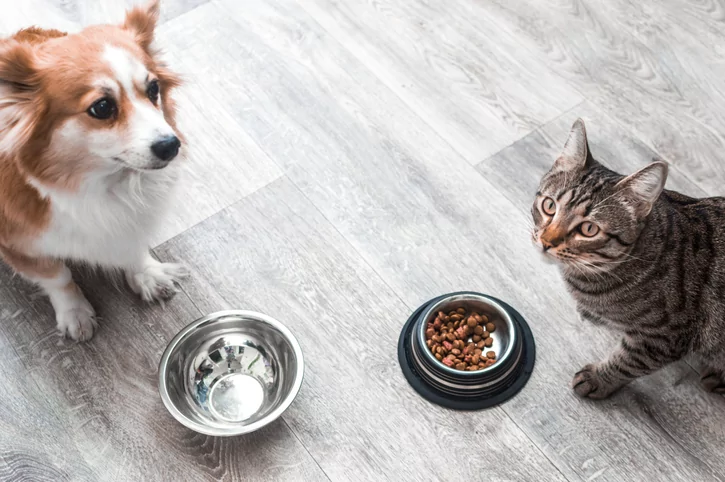
Feed your cat in a place your dog can’t reach, like a high shelf or closed room.
2. Supervise Meal Times
Watch your pets while they eat. Remove uneaten food right away.
3. Improve Your Dog’s Diet
Choose a high-quality, flavorful dog food. Sometimes, dogs are attracted to cat food because their own food is boring.
4. Use Feeding Puzzles
These keep dogs busy and make meals more fun, reducing interest in cat food.
5. Consult Your Vet
If your dog keeps eating cat food, ask your vet for advice. They can check for health issues or recommend better diets.
Another insight: Dogs with food allergies or sensitive stomachs are at higher risk from eating cat food. Even small amounts can trigger reactions.

Credit: abrastar.com
Real-life Example
In a 2022 survey by the American Veterinary Medical Association, 27% of dog owners reported their dogs had eaten cat food at least once. Of those, 60% noticed mild digestive upset. Only 5% saw long-term health problems. Most issues happened in dogs with pre-existing conditions.
How Cat Food Can Affect Dogs With Health Problems
Some dogs are more sensitive than others. Dogs with diabetes, kidney disease, or pancreatitis should never eat cat food. Even small amounts can cause flare-ups or worsen their condition.
| Dog Health Condition | Cat Food Risk | Safe? |
|---|---|---|
| Diabetes | High | No |
| Kidney Disease | High | No |
| Pancreatitis History | Very High | No |
| Healthy Adult Dog | Low (Occasional) | Yes (rare) |

Credit: bloembakwebshop.be
Frequently Asked Questions
Can Cat Food Kill My Dog?
Most healthy dogs won’t die from eating cat food once. But for dogs with health issues, cat food can be dangerous. If your dog has a sensitive stomach or conditions like pancreatitis, call your vet.
Is Wet Cat Food Worse Than Dry Cat Food For Dogs?
Wet cat food usually has more fat and protein. It can cause faster digestive upset in dogs. Dry cat food is less risky but still not recommended.
How Can I Stop My Dog From Eating Cat Food?
Feed your cat in a separate area and supervise meals. Use pet gates or feed your cat on high surfaces. Remove leftovers quickly.
What Should I Do If My Dog Ate A Large Amount Of Cat Food?
Watch your dog closely. Offer water and look for signs of vomiting or diarrhea. If your dog seems sick, contact your vet right away.
Are There Dog Foods That Taste Like Cat Food?
Some dog foods are made to be more appealing, with higher meat content. Ask your vet about brands that match your dog’s needs and taste preferences. For more tips, see this ASPCA Dog Nutrition Guide.
Dogs eating cat food is a common problem but can be managed. Knowing the risks and acting quickly will keep your dog healthy and happy. Always put your dog’s needs first and ask your vet if you have questions.