


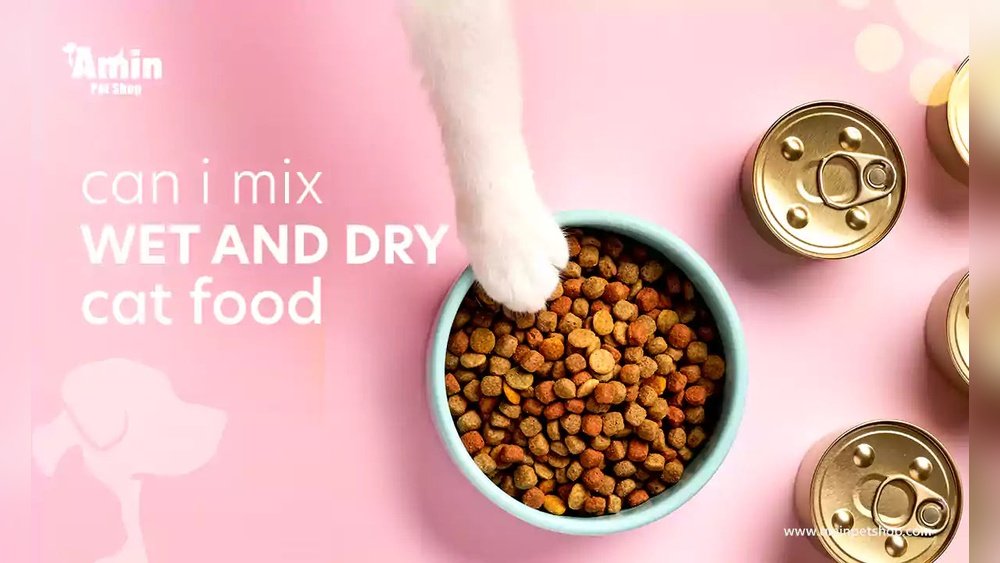


Mixing different dry cat foods is a common idea among cat owners. Some do it to add variety, others hope to balance nutrition, or use up leftovers. But is it safe or beneficial? Let’s explore how mixing works, what to watch out for, and the best ways to do it.
Why Mix Dry Cat Foods?
There are a few reasons people mix brands or flavors:
- To provide diet variety
- To combine nutritional benefits
- To save money by blending expensive and cheaper options
- To help picky eaters accept new foods
Cats, just like humans, can get bored with the same meal every day. Mixing dry foods may encourage them to eat better and enjoy mealtime more. However, not all mixes are equal.
The Science Behind Mixing
Mixing two or more dry cat foods changes the overall nutritional profile. Each brand uses different formulas, and their nutrient levels can vary. Here’s a simple comparison of two common dry foods:
| Brand | Protein (%) | Fat (%) | Fiber (%) |
|---|---|---|---|
| Brand A | 32 | 14 | 3 |
| Brand B | 27 | 10 | 4 |
If you mix equal parts of Brand A and Brand B, your cat gets an average of those values. For cats with special needs (like kidney disease or allergies), mixing may not be safe.


Credit: www.reddit.com
Possible Risks
Mixing dry foods is not always risk-free. Here are some issues to consider:
- Nutrient imbalance: Overmixing can dilute essential nutrients or add too much of some.
- Digestive upset: Cats’ stomachs are sensitive. Sudden changes may cause vomiting or diarrhea.
- Unpredictable allergies: New ingredients can trigger allergic reactions.
- Overfeeding: Different foods may have different calorie levels.
Check this calorie comparison:
| Food | Calories per cup |
|---|---|
| Brand A | 400 |
| Brand B | 340 |
Mixing foods without measuring can easily lead to weight gain.
Tips For Safe Mixing
To mix dry cat foods safely:
- Start with small amounts and watch for reactions.
- Mix foods with similar nutritional profiles.
- Avoid mixing prescription diets with regular food unless your vet approves.
- Use a measuring cup to control portions.
- If your cat has health issues, talk to your vet first.
One overlooked tip: Always check the expiration dates when mixing. Old food can spoil the whole batch.

Credit: www.catster.com
When Mixing Makes Sense
Mixing is most helpful for:
- Transitioning to a new food
- Feeding multiple cats with different preferences
- Adding fiber or protein (if your vet recommends)
But don’t rely on mixing as a substitute for a balanced diet. For deeper info, see this FDA guide on pet food labels.
Frequently Asked Questions
Can I Mix Dry And Wet Cat Food Together?
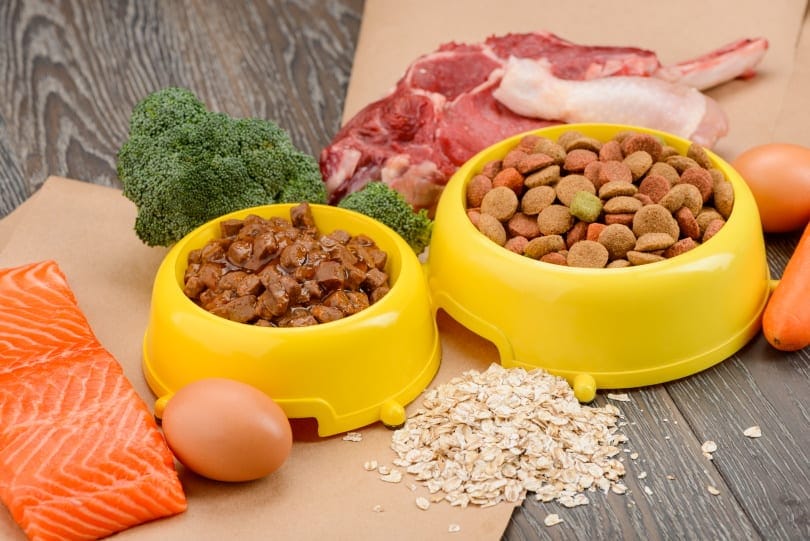
Yes, many owners do this to improve taste and hydration. Mix only as much as your cat will eat in one sitting.
Should I Mix Different Brands Of Dry Cat Food?
You can, but check that nutrient levels are similar. Avoid mixing prescription diets with regular brands.
Will Mixing Dry Cat Foods Upset My Cat’s Stomach?
It can. Introduce new foods slowly and watch for signs like vomiting or diarrhea.
Is Mixing Dry Cat Food Good For Picky Eaters?
Often, yes. Mixing flavors and textures can help picky cats eat more.
How Much Should I Mix?
Start with 75% old food and 25% new, then gradually increase. Always measure and monitor your cat’s weight.
Mixing dry cat foods can offer variety and flexibility, but it’s important to consider your cat’s health, the foods’ nutrition, and proper portion control. If in doubt, ask your vet for advice.


Credit: www.chewy.com