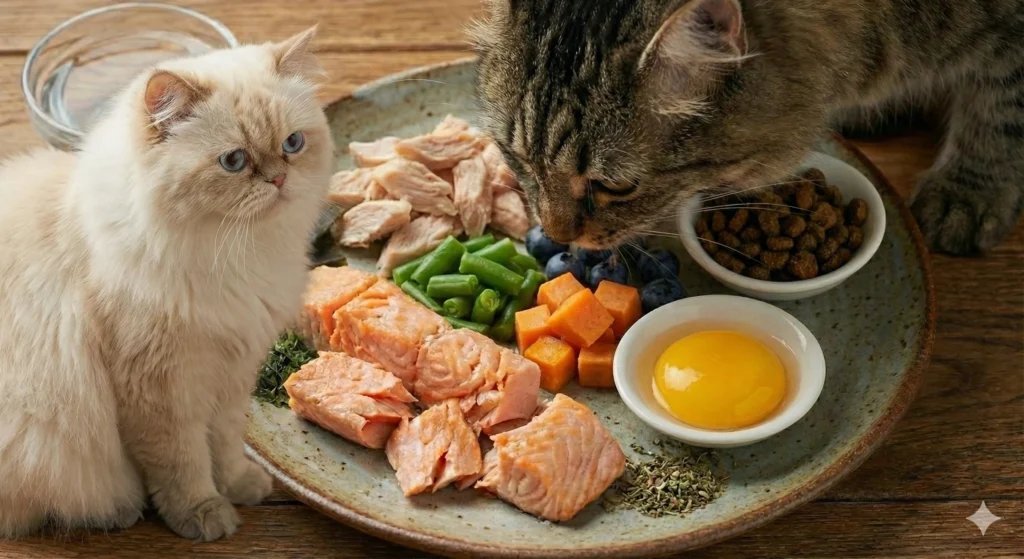

You can feed your cat homemade food by following a carefully balanced recipe that includes specific proteins, fats, calcium, and essential vitamins like taurine to meet their unique nutritional requirements. Because cats are obligate carnivores, you must ensure the diet provides a precise balance of nutrients that aren’t found in typical human meals, so it’s best to work with a veterinary nutritionist to create a plan that prevents dangerous deficiencies.
Steps to prepare homemade cat food
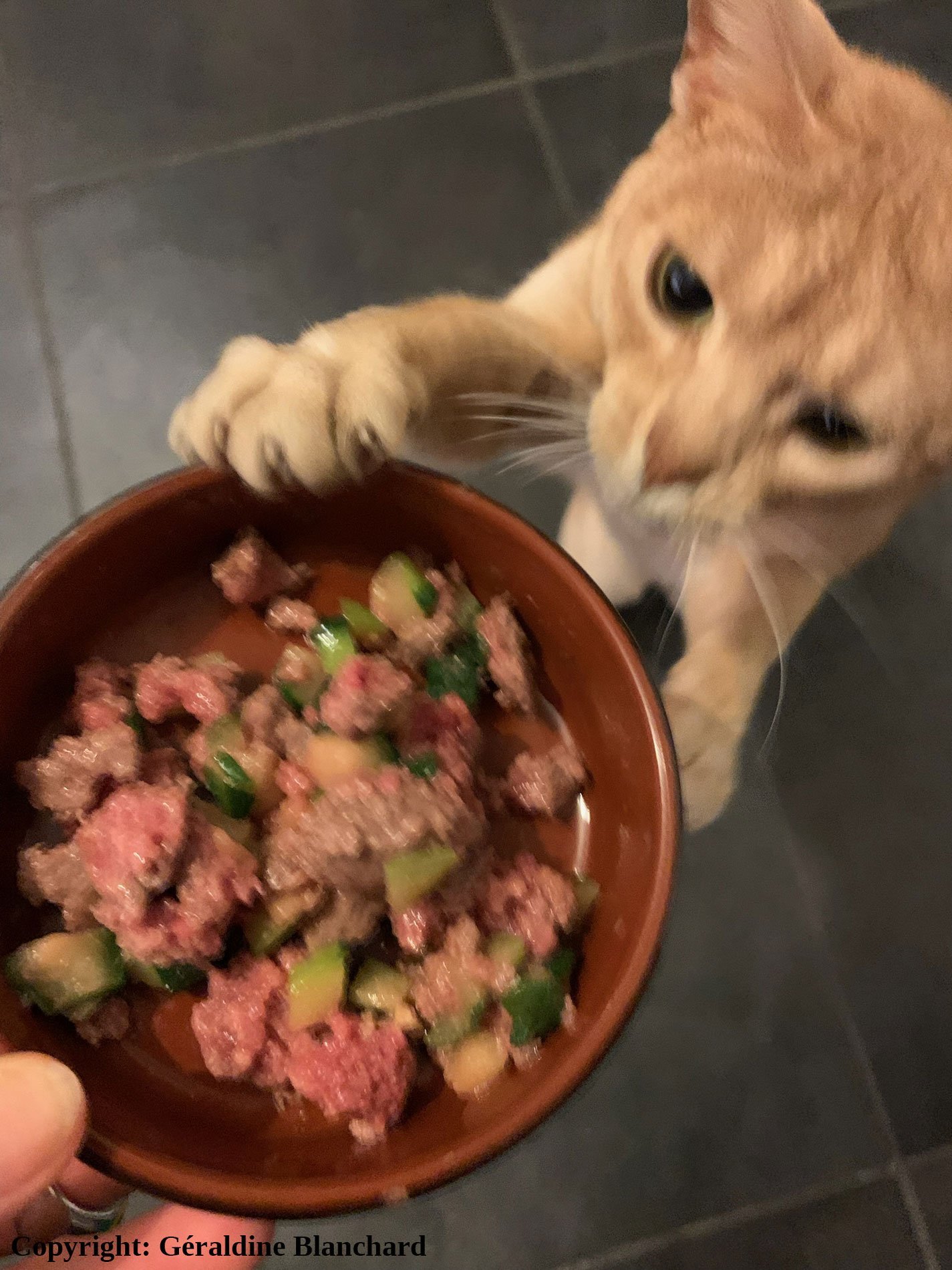
Creating a healthy homemade meal for your cat requires more than just mixing meat with vegetables. You must calculate the exact ratio of ingredients to ensure the food is life-sustaining. Most DIY diets fail due to improper calcium-to-phosphorus ratios or missing amino acids.
- Consult a professional: Work with a board-certified veterinary nutritionist to develop a recipe tailored to your cat’s specific age, weight, and health status.
- Select high-quality proteins: Use fresh, human-grade meats like chicken, turkey, or rabbit, ensuring they’re cooked thoroughly to destroy harmful pathogens.
- Add necessary supplements: Incorporate the exact vitamins, minerals, and taurine recommended by your expert, as these are often missing from raw or cooked meat alone.
- Measure every ingredient: Use a digital food scale to weigh every component, as even small errors in quantity can cause long-term health problems.
- Prepare and store safely: Cook the food in batches and freeze individual portions immediately to prevent bacterial growth, following the guidelines from FoodSafety.gov’s cold food storage charts.
- Transition slowly: Introduce the new food by mixing it with your cat’s current diet over 7 to 10 days to avoid digestive upset or food refusal.
Key Nutritional Differences
Cats have very different needs than humans or dogs. Feeding them a “human-style” diet often leaves out critical elements essential for survival. The following table highlights why homemade food must be carefully adjusted compared to standard commercial diets.
| Nutrient | Why It Matters | Risk of Imbalance |
|---|---|---|
| Taurine | Required for heart and eye health | Blindness or heart failure |
| Calcium | Maintains bone strength | Weak bones or fractures |
| Vitamin A | Essential for vision and skin | Poor growth or immune issues |
| Fat | Provides necessary energy | Obesity or nutrient absorption problems |
Tip: Never use onions, garlic, grapes, or raisins in your cat’s food, as these are toxic to cats even in small amounts.
Common Mistakes That Ruin Cat Health
Many owners try to “eyeball” the ingredients, which is the fastest way to cause a nutritional deficiency. Another common error is using cooked bones in the food.
Finally, avoid relying on “general” recipes found online. A recipe meant for a healthy, active adult cat will be completely wrong for a senior cat or one with kidney issues. If your cat stops eating or shows signs of lethargy after you start a new diet, stop immediately and return to their previous food while you consult your veterinarian.
Related guides
- Should I Feed My Cat Wet Food Everyday? Expert Advice Inside
- Underweight Cat: Vet-Backed Care And Feeding Tips 2026
- What Is The Cheapest Healthiest Way To Feed A Cat: Pro Tips
Frequently Asked Questions
Can I feed my cat raw meat instead of cooked food?
While some owners prefer raw diets, they carry a high risk of bacterial contamination like Salmonella or E. coli that can affect both your cat and your household. If you choose this path, you must handle the meat with extreme caution.
How do I know if the homemade diet is working?
You should monitor your cat’s weight, coat quality, energy levels, and litter box habits closely when starting a new diet. Regular blood work performed by your veterinarian is the only way to confirm that your cat is actually getting all the necessary nutrients and not developing a deficiency.
Is it cheaper to make my own cat food?
Homemade food is often more expensive than commercial options because you must purchase high-quality proteins and supplements. You’re paying for premium ingredients and the professional guidance required to keep your cat safe.
Why is my cat refusing to eat the new food?
Cats are notoriously picky and often reject sudden changes in texture, smell, or temperature. Try slightly warming the meal to body temperature to mimic the warmth of prey. However, stop immediately if your cat refuses to eat for more than 24 hours to avoid the risk of hepatic lipidosis.
How often do I need to update the recipe?
Your cat’s nutritional requirements change as they age, develop health conditions, or experience shifts in activity levels. You should review the recipe with your veterinary nutritionist regularly, or whenever you notice changes in your cat’s health.
| Life Stage | Primary Focus | Adjustments Needed |
|---|---|---|
| Kitten | Rapid growth | Higher protein and fat ratios |
| Adult | Weight maintenance | Balanced protein and fiber |
| Senior | Joint and organ health | Lower phosphorus and controlled calories |
Can I use store-bought vitamin powders?
Most general-purpose vitamin powders are designed for commercial diets and may not provide the correct concentration of nutrients for homemade meals. You need specific, measured supplements that account for the nutrients lost during cooking. Always use the exact brand and dosage provided by your nutritionist to avoid hidden deficiencies.
What if I accidentally forget to add a supplement?
Missing a single supplement dose is unlikely to cause immediate harm, but you shouldn’t make a habit of it. If you frequently forget, try pre-mixing supplements into individual daily portions. Contact your veterinarian if you have been feeding a deficient diet for an extended period to discuss potential blood testing.
Can I cook a large amount of food at once and store it in the pantry?
No, homemade cat food must be kept refrigerated or frozen because it lacks the preservatives found in commercial canned food. If the food is left out at room temperature for more than two hours, you must discard it to prevent the growth of harmful bacteria.
Does the type of meat I use really matter for the recipe?
Yes, every protein has a different amino acid and fat profile, meaning you can’t swap chicken for beef without recalculating the entire supplement balance. If you want to rotate proteins, you must ask your nutritionist for a specific recipe variation for each type of meat.
Are there any specific cooking methods that are safer?
Steaming or gently poaching the meat in small amounts of water is generally safer than frying or roasting, as high heat can destroy delicate nutrients like taurine. Always use a food thermometer to ensure the center of the meat reaches the appropriate safety level for consumption.
Feed cat, in short
Transitioning to a fresh diet is a big commitment, but your cat will appreciate the extra care you put into their bowl. Before you start cooking, schedule a quick appointment with your vet to review your plan. They’ll help you feel confident that you’re providing the healthy, balanced meals your companion deserves.