
You can effectively clean your pet’s bedding without a washing machine by hand-washing it in a large basin or bathtub using warm water and a small amount of mild, fragrance-free detergent. Soak the item for 15 minutes, gently scrub any stained areas, rinse thoroughly until the water runs clear, and air-dry it completely to prevent mold growth. Cleaning a cat bed without a washing machine is a simple way to keep your home fresh while protecting the fabric from harsh mechanical agitation.
How to clean cat bed without washing machine: Hand-washing steps
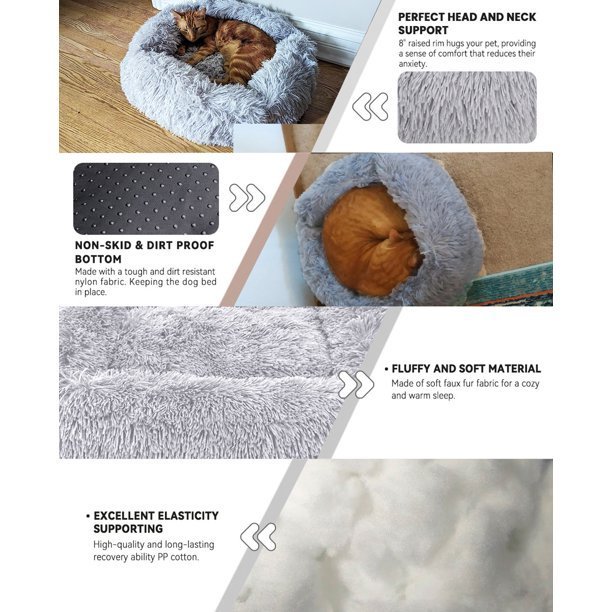
Follow these steps to clean your pet’s favorite spot without relying on a machine. This method works well for foam, plush, and standard fabric beds that are too large or delicate for a washer.
- Remove loose debris: Take the bed outside and give it a vigorous shake to remove hair, dust, and crumbs. Use a stiff-bristled brush or a vacuum hose attachment to pull out stubborn fur trapped in the crevices.
- Pre-treat tough stains: Mix a small amount of mild, pet-safe laundry detergent with water to form a light paste. Apply this directly to any visible spots or heavily soiled areas and let it sit for five minutes before washing.
- Prepare the wash basin: Fill your bathtub or a large plastic bin with warm water and one tablespoon of mild detergent. Avoid using harsh chemicals or scented soaps that might irritate your cat’s sensitive nose.
- Submerge and soak: Place the bed into the water, ensuring it’s fully submerged. Let it soak for 15 minutes to loosen oils and dander that have settled into the padding.
- Gently scrub: Use your hands to knead the fabric, focusing on the edges and corners where dirt accumulates. Don’t wring the foam or padding too hard, as this can cause the internal materials to lose their shape.
- Rinse thoroughly: Drain the soapy water and refill the basin with fresh, cool water. Repeat this process until you no longer see soap bubbles when you press down on the fabric.
- Remove excess water: Press the bed against the side of the tub to squeeze out as much moisture as possible. Lay it flat on a clean, dry towel and roll the towel up tight to absorb the remaining water.
- Air dry completely: Place the bed in a well-ventilated area, preferably in direct sunlight, until it’s bone dry. It’s essential to ensure the center of the cushion is dry to stop the growth of bacteria or mold.
Tip: If the bed smells strongly of urine, add a half-cup of white vinegar to the soaking water to help neutralize lingering odors.
Cleaning Time and Drying Estimates
The total time required depends on the thickness of the material and the humidity in your home. The following table provides a breakdown of how long each phase typically takes for a standard-sized cat bed.
| Task Stage | Estimated Time | Factors That Increase Time |
|---|---|---|
| Pre-cleaning / Vacuuming | 5 – 10 minutes | High volume of trapped hair |
| Soaking | 15 minutes | Heavy soiling or deep stains |
| Rinsing | 5 – 10 minutes | Thick padding or dense fabric |
| Air Drying | 12 – 24 hours | High humidity or low airflow |
If your home humidity exceeds 60 percent, expect the drying phase to double. You can test if the bed is ready by pressing a dry paper towel into the deepest crevices. If the towel shows any moisture, the material remains damp internally.
A common mistake is placing the bed near a space heater to speed up the process. This often causes the outer fabric to shrink or the internal foam to warp permanently. If you must accelerate drying, use a box fan directed at the bed instead. This increases airflow without applying damaging heat. Always wait until the center feels firm and scent-free before returning it to your cat.
Common Mistakes to Avoid
Many owners try to speed up the process, which often leads to ruined cushions or lingering smells. The most common error is failing to dry the bed completely; even a small amount of trapped moisture creates a breeding ground for mildew and unpleasant odors. Avoid using high-heat hair dryers or space heaters to dry the bed, as these can melt synthetic fibers or warp memory foam.
Another mistake is using too much detergent. Excess soap is difficult to rinse out, and the residue can cause skin irritation for your cat. Always stick to the recommended amount, as a little bit of soap goes a long way in a controlled, hand-washed environment. If the bed is made of memory foam, be extra careful when lifting it while wet; heavy, water-logged foam can tear easily if you pull it by the corners.
Related guides
Frequently Asked Questions

Can I use bleach to disinfect the bed?
No, you shouldn’t use bleach on pet bedding because it’s toxic to cats if ingested and can cause severe skin irritation. Stick to mild, fragrance-free detergents or enzymatic cleaners, which are safer for your pet and effective at breaking down organic stains like urine or saliva.
How often should I clean the bed?
You should aim to clean the bed every two to four weeks to manage dander and odors. According to the Environmental Protection Agency, regular cleaning of soft surfaces helps reduce the buildup of dust mites and other allergens that can affect both pets and humans.
Is it safe to leave the bed in the sun?
Yes, placing the bed in direct sunlight is an excellent way to speed up drying and naturally deodorize the fabric. The sunlight helps speed up the drying process, but avoid leaving it out for more than a few hours to prevent the fabric colors from fading.
Cat bed, in short
Check the care label on your cat’s bed before you begin to ensure the material is water-safe. If the bed is filled with loose, non-washable material like cedar or specific types of untreated cotton, it’s better to spot clean only the exterior fabric cover to avoid damaging the internal filling.