





Caring for your cat means protecting them from common health problems, including worms. Many cats get infected with intestinal parasites like roundworms, tapeworms, or hookworms. These worms can cause vomiting, diarrhea, weight loss, and a dull coat. Deworming your cat is important for their health and your peace of mind. But is it possible to help your cat naturally, at home, without harsh chemicals? Let’s explore safe, effective ways to deworm your cat using natural methods, and see how they compare to traditional options.
Understanding Cat Worms
Worms are common in cats, especially those who go outdoors or eat raw food. The most frequent types are:
- Roundworms: Long, spaghetti-like worms found in kittens and adult cats.
- Tapeworms: Flat, segmented worms. Cats usually get them from fleas.
- Hookworms: Tiny worms that cause anemia and digestive problems.
Cats can get worms from eating infected prey, touching contaminated soil, or swallowing fleas. Symptoms include bloated belly, poor appetite, vomiting, and visible worms in stool. Early detection is key to help your cat recover quickly.
Natural Deworming Methods
Many cat owners prefer gentle, natural remedies for deworming. These methods aim to support your cat’s body in fighting off worms, but they work best for mild cases or prevention. Severe infestations need veterinary attention.
1. Pumpkin Seeds
Raw, unsalted pumpkin seeds contain a compound called cucurbitacin, which paralyzes worms. You can grind the seeds and mix them into your cat’s food.
- Dosage: 1 teaspoon per 10 lbs of body weight, daily for 2 weeks.
- Benefits: Safe for most cats, mild taste.
2. Food-grade Diatomaceous Earth
Diatomaceous earth is a natural powder made from crushed fossils. It can help eliminate worms by drying them out.
- Dosage: 1/2 teaspoon per day, mixed into food (make sure it’s food-grade).
- Benefits: Effective against many types of worms, safe when used correctly.
3. Carrots
Shredded carrots act as a gentle fiber scrub in the digestive system, helping push out worms.
- Dosage: 1–2 tablespoons, finely grated, added to meals.
- Benefits: Adds vitamins, supports digestion.
4. Coconut Oil
Coconut oil can help kill worms and soothe the gut.
- Dosage: 1/2 teaspoon per day for small cats, 1 teaspoon for large cats.
- Benefits: Antimicrobial effects, improves coat quality.
5. Apple Cider Vinegar
Apple cider vinegar creates an environment in the gut that is uncomfortable for worms.
- Dosage: 1/4 teaspoon diluted in water, added to food once daily.
- Benefits: Improves digestion, supports immunity.
Tips For Using Natural Remedies
- Use only fresh, quality ingredients.
- Start with small amounts to check for allergies.
- Monitor your cat closely for changes in behavior, appetite, or stool.
- Combine methods for a stronger effect, but avoid overdoing it.

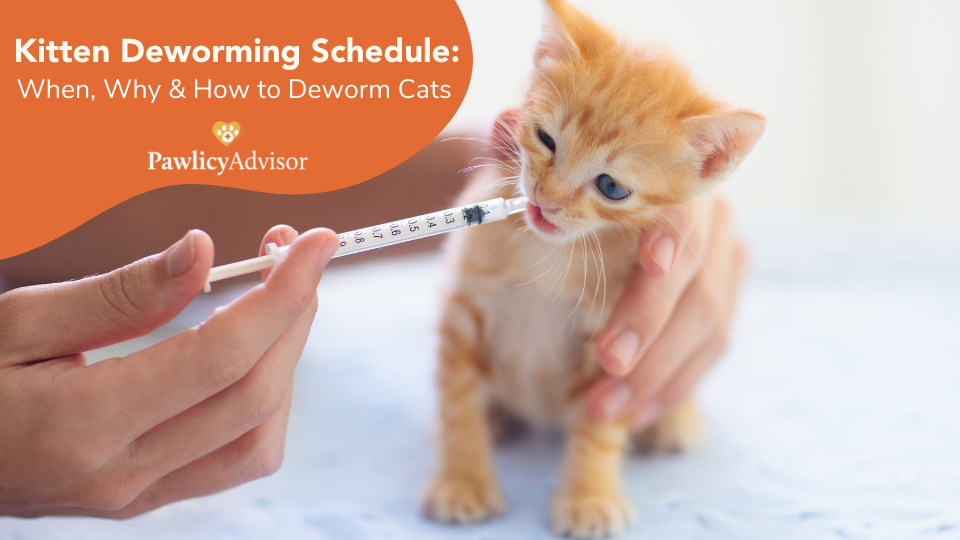
Credit: www.pawlicy.com
Comparing Natural Vs. Conventional Dewormers
Let’s look at how natural remedies stack up against traditional medicines.
| Method | Effectiveness | Safety | Cost |
|---|---|---|---|
| Natural Remedies | Mild to moderate infestations | High (when used correctly) | Low to moderate |
| Prescription Dewormers | Severe infestations | Moderate (possible side effects) | Moderate to high |
Natural methods work best for prevention or mild cases, while prescription medicine is needed for severe infections. Always consult your vet if symptoms continue.
Step-by-step Deworming Process At Home
Follow these steps to naturally deworm your cat:
- Check for Symptoms: Look for signs like vomiting, diarrhea, bloated belly, or worms in stool.
- Choose a Remedy: Pick one or two safe, natural options (pumpkin seeds, diatomaceous earth, etc. ).
- Prepare the Remedy: Grind or mix ingredients into your cat’s favorite food.
- Monitor Your Cat: Watch for changes in stool, appetite, and energy.
- Repeat for 2 Weeks: Continue daily for about 14 days.
- Clean the Environment: Wash bedding, vacuum carpets, and keep the litter box clean.
Example: Using Pumpkin Seeds
If you decide to use pumpkin seeds, grind 1 teaspoon per 10 lbs of your cat’s weight, mix it into their food, and give daily for two weeks. You should see improvement in symptoms like less bloating and normal stool.

.png)
Credit: www.pawlyclinic.com
Safety Tips And Common Mistakes
Some owners make mistakes when trying natural dewormers. Here’s how to avoid problems:
- Only use food-grade diatomaceous earth.
- Don’t give large amounts of apple cider vinegar; too much can upset the stomach.
- Never use essential oils, garlic, or onions—they are toxic to cats.
- Monitor for allergic reactions: If your cat vomits or acts sick, stop the remedy.
- Don’t rely on natural methods for severe infestations—see a vet.
| Common Mistake | Why It’s a Problem | Safe Alternative |
|---|---|---|
| Using essential oils | Toxic to cats | Pumpkin seeds, carrots |
| Overdosing vinegar | Stomach upset | Small, diluted amounts |
| Ignoring persistent symptoms | Worms may spread | Consult a vet |
When To See A Veterinarian
Natural deworming is great for mild cases and prevention, but some situations need professional help. Call your vet if:
- Symptoms last more than 2 weeks
- Your cat loses weight quickly
- You see blood in stool or severe vomiting
- You notice visible worms after using remedies
A vet can diagnose the exact worm type and recommend safe, effective medicine. They may also test your cat’s stool to confirm the problem.
Extra Insights For Beginners
Many people miss these important points:
- Indoor cats can get worms too. Fleas and contaminated soil can enter your home.
- Regular stool checks help catch worms early. Use gloves and look for rice-like segments or spaghetti shapes in the litter box.
Frequently Asked Questions
What Are The Signs My Cat Has Worms?
Common signs include vomiting, diarrhea, bloated belly, weight loss, and worms visible in stool or around the anus.
Is Diatomaceous Earth Safe For Cats?
Yes, but only food-grade diatomaceous earth. Avoid pool-grade or industrial types—they are harmful.
Can I Use Garlic Or Essential Oils To Deworm My Cat?
No. Garlic and essential oils are toxic to cats and should never be used for deworming.
How Often Should I Deworm My Cat Naturally?
For prevention, use natural remedies once every 3–4 months. For infestations, continue daily for 2 weeks, then reassess.
What If Natural Methods Don’t Work?
If symptoms persist or worsen, seek help from your veterinarian. Severe infestations require medical treatment. For more information, visit VCA Animal Hospitals.
Protecting your cat from worms is an important part of pet care. Natural deworming is gentle and safe for mild cases, but always watch for serious symptoms. With the right steps, your cat will be happier, healthier, and worm-free.


Credit: www.youtube.com