


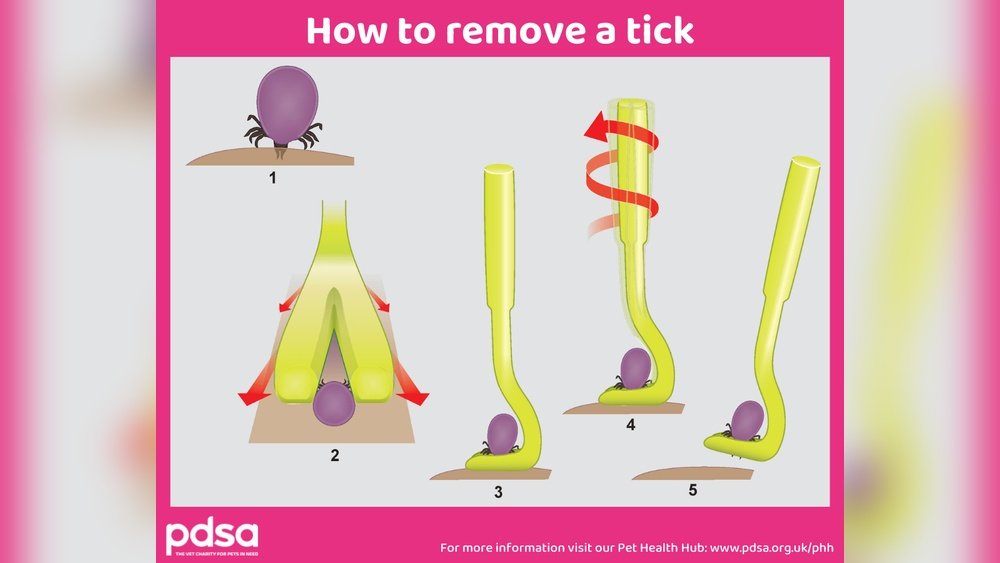


Removing a tick from your cat can feel stressful, especially if you don’t have tweezers. Ticks are tiny parasites that attach to your cat’s skin and feed on blood. They can carry dangerous diseases, so it’s important to act fast. Many cat owners panic when they spot a tick and don’t know what to do without the right tools. The good news is, you can remove a tick safely and effectively, even if you don’t have tweezers at hand. This guide will help you understand the process, avoid common mistakes, and protect your cat from tick-related health issues.
Why You Should Remove Ticks Quickly
Ticks can transmit harmful bacteria and viruses. In the US, over 300,000 cases of tick-borne illnesses like Lyme disease are reported each year. Cats are less likely than dogs to get Lyme disease, but ticks can cause other problems such as anemia, skin infections, and even paralysis. A tick can start transmitting disease after just 24 hours of attachment. That’s why it’s critical to remove them as soon as you notice them.
Preparing To Remove A Tick Without Tweezers
Before you begin, gather a few common household items:
- Gloves (disposable or clean kitchen gloves)
- Paper towels or clean cloth
- Soap and water
- Antiseptic (like hydrogen peroxide or rubbing alcohol)
- Fine thread or dental floss (unwaxed)
- Small container (for storing the tick)
Wearing gloves protects you from germs and prevents skin contact with the tick. Have your supplies ready so you don’t have to pause during the process.


Credit: momgoescamping.com
Step-by-step Tick Removal Without Tweezers
Follow these steps for safe removal:
- Calm your cat. Speak softly and gently pet your cat. If your cat is nervous, ask someone to help hold them still.
- Locate the tick. Part the fur and spot the tick. It will look like a small, round bump, sometimes gray or brown.
- Create a loop with thread or floss. Cut about 8 inches of unwaxed dental floss or fine thread. Tie a loose loop and slip it gently around the tick’s body, close to where it meets the skin.
- Tighten and pull. Carefully tighten the loop so it’s snug but not crushing the tick. Pull upward slowly and steadily. Avoid jerking or twisting, which can break off the tick’s head.
- Check the area. After removal, examine your cat’s skin. Make sure the tick’s head and mouthparts are not left behind.
- Clean the wound. Wash the area with soap and water. Dab with antiseptic to prevent infection.
- Store the tick. Place the tick in a small container with a lid. You may need it for identification if your cat gets sick.
Example Scenario
A cat owner in Texas noticed a tick on their cat’s ear but had no tweezers. Using dental floss, they gently looped it and pulled upward. The tick came out whole, and the cat had no complications. This method is simple and less likely to squeeze the tick, which can release harmful fluids.
What To Avoid During Tick Removal
Many pet owners accidentally make mistakes when removing ticks. Here are some common errors:
- Crushing the tick: Squeezing can push germs into your cat.
- Twisting or jerking: This often leaves parts of the tick behind.
- Applying heat or chemicals: These methods don’t help and can harm your cat’s skin.
- Pulling with fingers: This increases the risk of infection and incomplete removal.
Comparing Methods
Here’s a simple comparison of tick removal methods:
| Method | Effectiveness | Risk of Infection | Tools Needed |
|---|---|---|---|
| Dental floss/thread | High | Low | Floss or thread |
| Fingers | Low | High | None |
| Heat/chemicals | Very low | High | Matches, chemicals |


Credit: www.youtube.com
Aftercare And Monitoring
Once the tick is removed, keep an eye on your cat for the next few days. Look for signs of infection or illness:
- Redness or swelling at the removal site
- Lethargy or unusual tiredness
- Loss of appetite
- Fever
If you notice any of these symptoms, contact your vet. Sometimes, a small piece of the tick may remain and cause irritation.
Tick-borne Disease Risks
Cats are less likely than dogs to get diseases from ticks, but not immune. According to the Centers for Disease Control and Prevention, tick-borne illnesses can cause fever, loss of appetite, and swollen lymph nodes in cats. Early detection is key to treatment.
Preventing Future Tick Problems
Tick prevention is easier than removal. Here are some tips:
- Use tick prevention products recommended by your vet.
- Keep your cat indoors during tick season (spring and summer).
- Check your cat’s fur regularly, especially after outdoor time.
- Maintain your yard by trimming grass and removing leaf piles.
- Vacuum your home often to remove stray ticks.
Tick Prevention Comparison
See how different prevention methods compare:
| Prevention Method | Effectiveness | Ease of Use | Cost |
|---|---|---|---|
| Spot-on treatments | High | Easy | Medium |
| Collars | Medium | Easy | Low |
| Indoor-only lifestyle | Very high | Moderate | Low |

Credit: momgoescamping.com
When To Seek Veterinary Help
Removing a tick is usually simple, but some situations need professional help:
- Multiple ticks found at once
- Tick mouthparts left in the skin
- Signs of infection or illness
- Your cat is very young, old, or sick
Veterinarians can safely remove ticks and recommend treatments. If you’re unsure, always ask your vet.
Frequently Asked Questions
How Do I Know If I Got The Whole Tick Out?
Check the spot where the tick was attached. If you see a tiny black dot, the head may be left behind. If not, you likely removed the whole tick.
Can I Use Any Type Of Thread Or Floss?
Use unwaxed dental floss or thin, strong thread. Avoid thick or slippery materials, as they can slip off or crush the tick.
Is It Safe To Remove Ticks From Kittens?
Yes, but be extra gentle. Kittens have delicate skin. If you’re unsure, ask your vet for guidance.
What Should I Do If The Tick’s Head Stays In My Cat?
Do not dig or cut. Keep the area clean, watch for infection, and contact your vet. The head may come out naturally or need medical removal.
How Can I Identify The Type Of Tick I Removed?
Place the tick in a sealed container. Compare it to images from trusted sources like the CDC Tick Guide for identification.
Removing a tick without tweezers is possible with the right technique and patience. Remember to keep your cat calm, use dental floss or thread, and avoid harmful methods. Always watch for signs of illness after removal, and take steps to prevent ticks in the future.
Your cat’s health and comfort are worth the extra effort.