
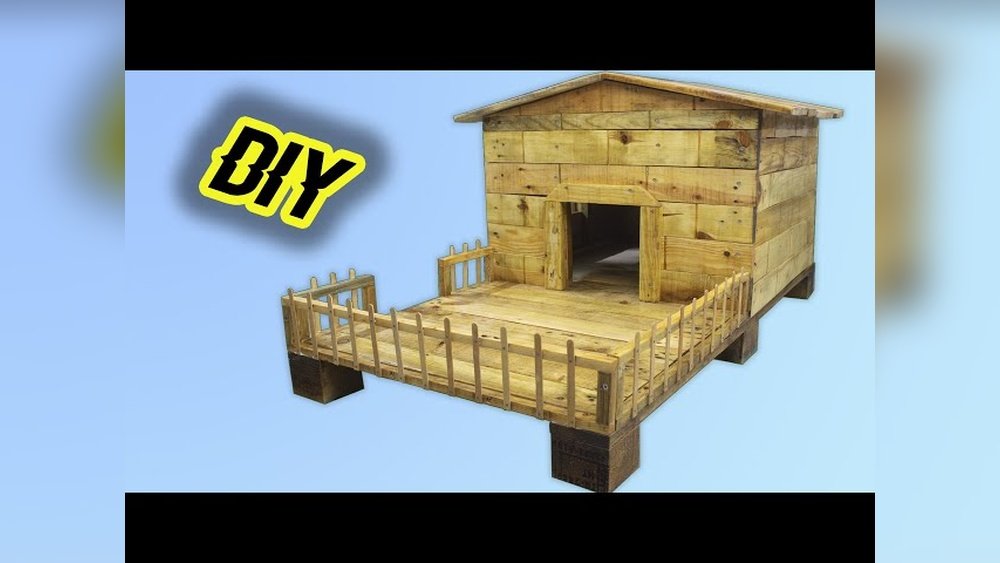

Building a cat house from wood pallets is a rewarding project for any pet owner. With a bit of planning and simple tools, you can create a cozy, durable shelter for your cat—whether it’s an indoor haven or an outdoor retreat.
Wood pallets are cheap, often free, and surprisingly versatile. Many people overlook pallets, but they can be transformed into something beautiful and practical. Here, you’ll learn everything you need to make your own cat house from wood pallets, with clear steps, tips, and guidance for beginners.
Why Use Wood Pallets For A Cat House?
Wood pallets are popular for DIY projects because they are affordable, strong, and recyclable. Most pallets are made from hardwoods like oak or pine, which provide stability and a rustic look. According to the EPA, over 500 million pallets are produced in the US each year, and many end up as waste. Repurposing them helps reduce landfill and saves money.
Pallet wood is ideal for a cat house because:
- It handles weather well (with proper treatment)
- It’s easy to work with basic tools
- You can find them free at warehouses, stores, and shipping centers
But not all pallets are safe. Always check for markings like “HT” (heat treated), which means the wood is safe for pets. Avoid pallets with “MB” (methyl bromide), as this chemical is toxic.
Planning Your Cat House
Before you start, think about your cat’s needs and your space. Ask yourself:
- Will the house be indoors or outdoors?
- How big should it be for your cat?
- Do you want one or more levels?
- Will you add features like scratching posts or windows?
Outdoor cat houses need weather protection, while indoor houses can be simpler. Most cats prefer a space that is at least 18 x 18 inches and 12 inches tall. If you have more than one cat, adjust the size for comfort.
Sizing Guide
Here’s a quick sizing reference for different cat types:
| Cat Size | Recommended House Size (inches) |
|---|---|
| Small (under 8 lbs) | 16 x 16 x 12 |
| Medium (8-12 lbs) | 18 x 18 x 14 |
| Large (12+ lbs) | 20 x 20 x 16 |
Gathering Materials And Tools
You don’t need fancy equipment. The basics are enough for most pallet projects. Here’s what you’ll need:
- 2–3 wood pallets (heat-treated only)
- Hammer or pry bar
- Saw (hand saw or circular saw)
- Sandpaper or power sander
- Screws or nails (1.5 to 2 inches)
- Drill
- Measuring tape
- Pencil
- Wood sealer or pet-safe paint
- Hinges (optional, for doors or roofs)
- Waterproof roof material (for outdoors)
Optional extras:
- Insulation (foam or old blankets)
- Cat bedding
- Clear plastic for windows
Preparing Your Pallets
Most pallets are rough and may contain nails or dirt. Preparing them well is vital for your cat’s safety.
- Inspect each pallet: Remove broken pieces, nails, or staples.
- Wash thoroughly: Use soap and water, let dry fully.
- Disassemble: Pry apart the boards gently to avoid splitting.
- Sand all surfaces: Smooth any rough edges and splinters.
A common mistake is skipping the sanding step. Cats’ paws are sensitive, and rough wood can cause injury. Be patient—this step makes a big difference.
Designing The Cat House Structure
You can build a simple box or get creative with multiple levels. For beginners, a single-level house is easiest. Here’s a basic plan:
- Four walls (pallet boards)
- Floor (pallet boards)
- Roof (pallet boards or waterproof material)
- Entry hole (about 6–8 inches wide)
- Optional: Window or ventilation hole
Comparing Cat House Designs
Here’s a comparison of two popular designs:
| Design | Features | Difficulty |
|---|---|---|
| Single-level Box | Easy build, good insulation, basic shelter | Beginner |
| Multi-level Tower | Extra space, climbing, multiple cats | Intermediate |
Start with the basic box if you’re new to woodworking. You can always add extra features later.
Step-by-step Construction Guide
Let’s walk through building a single-level cat house.
1. Cut Your Pallet Boards
Measure and cut boards for the walls, floor, and roof. For a medium cat house:
- Walls: Four boards, each 18 inches long
- Floor: Four boards, 18 inches long
- Roof: Four boards, 18 inches long
Double-check measurements before cutting. Mistakes here waste wood and time.
2. Assemble The Floor
Lay four boards side by side. Screw or nail them into two crosspieces underneath for stability. This creates a strong base.
3. Build The Walls
Attach the wall boards vertically to the floor. Secure each board with screws or nails. Assemble three sides first, leaving one side open for the entry hole.
4. Create The Entry Hole
Cut a hole about 6–8 inches wide and 8–10 inches tall in one wall. Smooth the edges with sandpaper.
5. Attach The Roof
Place roof boards across the top. For outdoor houses, cover the roof with waterproof material like plastic sheeting or shingles.
6. Add Extras
Install a window for light or ventilation, using clear plastic. Add insulation if needed—especially for outdoor houses.
7. Paint Or Seal
Apply pet-safe wood sealer or paint. This protects the wood and helps it last longer. Avoid strong-smelling products—cats dislike harsh odors.
Practical Tips For A Safe, Cozy Cat House
- Elevate the house: Raise it 2–4 inches off the ground to prevent dampness and insect problems.
- Add bedding: Use washable blankets or soft foam.
- Ventilate: A small window or hole helps airflow and keeps the house from smelling musty.
- Secure the roof: Use hinges for easy cleaning access.
- Check stability: Make sure the house doesn’t wobble or tip.
Many beginners forget to add elevation or ventilation. These features are simple but make a big difference for your cat’s comfort and health.
Decorating And Personalizing
Cats love cozy spaces, so add personal touches:
- Paint the house with your cat’s name
- Attach scratching posts or pads to the sides
- Add toys inside
- Use colorful, pet-safe fabrics
Don’t use stickers or decorations your cat might chew. Instead, focus on items that are fun and safe.

Credit: guardianrealty.com
Maintaining Your Cat House
Regular maintenance keeps your cat house clean and safe:
- Inspect for loose nails or boards every month
- Wash bedding weekly
- Check for mold, especially after rain
- Reapply wood sealer once a year
If you use your house outdoors, place it in a sheltered spot, such as under a porch or against a wall. This protects it from harsh weather.
Maintenance Comparison
Here’s a quick look at upkeep for indoor vs. outdoor cat houses:
| Type | Cleaning Frequency | Weather Protection |
|---|---|---|
| Indoor | Weekly bedding wash, monthly check | None needed |
| Outdoor | Weekly bedding wash, monthly check | Seal annually, add waterproof roof |
Common Mistakes And How To Avoid Them
- Using untreated or toxic pallets: Always check markings. Only use heat-treated wood.
- Skipping sanding: Rough wood can injure your cat.
- Ignoring ventilation: Cats need fresh air. Add a window or hole.
- Making entry hole too small: Measure carefully. Cats need space to enter comfortably.
- Not securing the structure: Loose boards or nails can cause accidents.
Many beginners think a “quick build” is good enough. But quality matters more than speed. Take time to do each step well.

Credit: www.youtube.com
Real-life Examples
People around the world have built amazing cat houses from pallets. For example, a shelter in Oregon built 20 pallet cat houses for feral cats in winter. They insulated each house with foam and raised them off the ground. The cats stayed warmer and healthier, and the project cost less than $30 per house.
Another pet owner in Texas created a two-story pallet cat house with ramps, windows, and scratching posts. Their cats loved climbing and exploring different levels.
If you want more inspiration, visit Instructables for creative pallet projects.
Frequently Asked Questions
What Is The Best Wood Pallet For A Cat House?
The best pallets are heat-treated (HT) and free from chemicals. Avoid those marked “MB” or stained with oil. Pine and oak are common, strong woods.
How Can I Waterproof My Outdoor Cat House?
Use pet-safe wood sealer or paint, and cover the roof with plastic sheeting, shingles, or waterproof fabric. Place the house under shelter for extra protection.
Is Pallet Wood Safe For Cats?
Yes, if you use untreated or heat-treated wood and sand it well. Never use chemically treated pallets. Always check for splinters and sharp edges.
How Can I Make The Cat House Warmer In Winter?
Add insulation like foam panels, old towels, or blankets. Raise the house off the ground and seal gaps to block wind. You can also use heated pet pads.
Can I Build A Multi-level Cat House With Pallets?
Absolutely. Use extra boards for ramps and platforms. Make sure each level is stable and add railings for safety. Start with a single-level house if you’re new to woodworking.
Creating a cat house out of wood pallets is not just a fun project—it’s a way to give your cat a safe, comfortable home while being eco-friendly. With careful planning and simple steps, you can build a shelter that lasts for years.
Don’t rush, and pay attention to small details like sanding, elevation, and ventilation. Your cat will thank you with happy purrs and cozy naps.

Credit: ambassadoradvertising.com