





If you own a German Shepherd, you probably know how energetic and active these dogs are. They love running, playing, and exploring. But with all that movement, their joints can experience a lot of stress. Many owners wonder if joint supplements are a good idea to help their German Shepherds stay healthy and comfortable. Let’s explore what you need to know to make the best choice for your dog.
Why Joint Health Matters For German Shepherds
German Shepherds are large, strong dogs. Their size and activity level put extra pressure on their hips and elbows. Unfortunately, they are also prone to hip dysplasia and arthritis. Studies show that about 20% of German Shepherds develop hip dysplasia, which can cause pain and difficulty moving.
Joint problems usually start slow. Your dog might hesitate to climb stairs, jump into the car, or play fetch. Early signs can include:
- Limping or stiffness after exercise
- Trouble standing up from lying down
- Reduced interest in playing
If you notice these signs, supporting your dog’s joints becomes important. But should you use supplements?
What Are Joint Supplements?
Joint supplements are products designed to support healthy cartilage and reduce inflammation. The most common ingredients are:
- Glucosamine: Helps build and repair cartilage
- Chondroitin: Supports joint structure and slows cartilage breakdown
- MSM (Methylsulfonylmethane): Reduces joint pain and swelling
- Omega-3 fatty acids: Lower inflammation
Some supplements also include turmeric or hyaluronic acid. While these ingredients are safe for most dogs, not every supplement works the same way.
To understand how different supplements compare, see the table below:
| Ingredient | Benefits | Common Side Effects |
|---|---|---|
| Glucosamine | Supports cartilage | Upset stomach |
| Chondroitin | Improves joint function | Rarely diarrhea |
| MSM | Reduces pain | Mild digestive issues |
| Omega-3 | Reduces inflammation | Fishy breath |


Credit: patspetkitchen.com
Do German Shepherds Really Need Joint Supplements?
Not all German Shepherds need joint supplements. Healthy, young dogs with no signs of joint problems often do fine without them. But older dogs, working dogs, or those with a history of joint issues may benefit.
Research from veterinary studies shows that dogs with mild to moderate arthritis who received glucosamine and chondroitin improved their mobility by 20-30% compared to dogs who did not receive supplements.
Here’s a quick comparison of when supplements are most useful:
| Dog Type | Supplement Needed? | Reason |
|---|---|---|
| Young, healthy | Usually not | Good joint health |
| Older | Often yes | Aging joints |
| Active/working | Maybe | High activity strain |
| Already has joint issues | Yes | Needs support |
Choosing The Right Joint Supplement
If you decide to try supplements, picking a high-quality product matters. Look for:
- Veterinary approval: Products tested and recommended by vets are safer.
- Clear ingredient list: Avoid fillers or unknown chemicals.
- Proper dosage: Follow package instructions for your dog’s weight.
Buying from trusted brands reduces the risk of low-quality or contaminated supplements. Some owners make the mistake of buying human supplements, which may not be safe for dogs. Always choose products made specifically for pets.
Another common mistake is expecting fast results. Most supplements take 4-8 weeks to show effects. Be patient and track your dog’s progress.
Are There Risks Or Side Effects?
Joint supplements are generally safe when used correctly. Still, some dogs may experience:
- Upset stomach
- Diarrhea
- Allergic reactions
If your dog has kidney or liver problems, talk to your vet before starting any supplement. Overdosing can cause health issues, so stick to recommended amounts. If you notice negative reactions, stop the supplement and consult your vet.
Other Ways To Support Joint Health
Supplements are helpful, but they are not the only solution. You can also:
- Keep your dog at a healthy weight
- Give regular, gentle exercise
- Provide soft bedding for rest
- Avoid jumping or rough play
Using supplements together with lifestyle changes gives the best results. Sometimes, your vet may suggest physical therapy or special diets for dogs with severe joint issues.

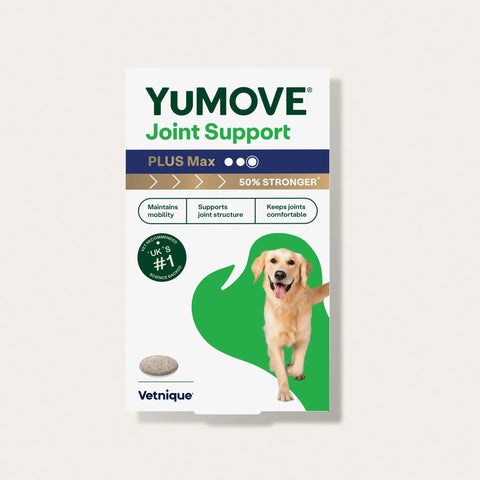
Credit: yumove.co.uk
Real-life Example
A German Shepherd named Max, age 7, started showing signs of stiffness after morning walks. His owner gave him a vet-approved glucosamine and chondroitin supplement. After six weeks, Max was more active and showed less discomfort. This improvement was gradual, not instant.
Max’s owner also added gentle walks and kept Max’s weight healthy.
Max’s story shows that supplements can help, but they work best with other changes. It’s important to monitor your dog and adjust as needed.
Frequently Asked Questions
Can I Give My German Shepherd Human Joint Supplements?
No, it’s not safe. Human supplements can have ingredients or doses that are harmful to dogs. Always use dog-specific products.
How Long Do Joint Supplements Take To Work?
Most dogs need 4-8 weeks to show improvement. If you don’t see changes after two months, consult your vet.
Are Joint Supplements Safe For Puppies?
Supplements are usually not needed for puppies unless your vet recommends them. Focus on proper nutrition and safe exercise instead.
What Is The Best Joint Supplement For German Shepherds?
The best supplement usually contains glucosamine, chondroitin, and MSM. Choose brands approved by veterinarians and made for dogs.
Can Joint Supplements Prevent Hip Dysplasia?
Supplements may help slow joint damage, but they cannot prevent hip dysplasia. Regular vet checks, healthy weight, and safe exercise are more important. For more details, see this American Kennel Club guide.
Giving your German Shepherd joint supplements can be a smart move if your dog is aging, very active, or showing signs of discomfort. Choose quality products, follow your vet’s advice, and combine supplements with healthy habits. With careful attention, you can help your dog stay comfortable and active for many years.


Credit: www.amazon.com