


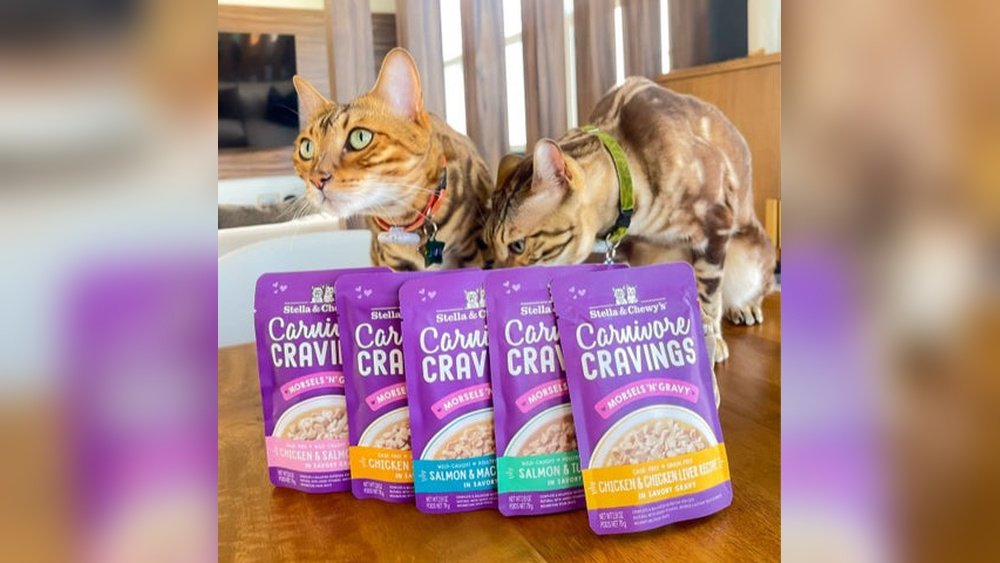


Is your cat turning up their nose at meal times? You’re not alone—many cat owners face the challenge of a picky eater.
It can be frustrating watching your furry friend ignore their food, leaving you wondering how to get them to eat without stress. The good news is, with a few simple tricks, you can encourage your cat to enjoy mealtime again.
Whether it’s finding the right flavors, creating a calm feeding routine, or making small changes that make a big difference, this guide will help you understand why your cat might be fussy and what you can do to bring back their appetite. Keep reading to discover easy, effective tips that will make mealtime a breeze for both you and your cat.

Credit: www.kinship.com
Reasons For Picky Eating
Cats can be picky eaters for several reasons. Understanding these causes helps you encourage better eating habits. Some cats refuse food due to health problems. Others react to stress or changes in their environment.
Food preferences also play a big role. Cats have different tastes and textures they enjoy. Recognizing these reasons allows you to find solutions that work for your cat.
Health Issues
Health problems often cause loss of appetite in cats. Dental pain makes chewing difficult. Digestive troubles can lead to nausea or discomfort. Illnesses like infections or kidney disease reduce hunger. Regular vet check-ups help rule out these issues. Treating health problems often improves eating habits quickly.
Stress And Environment
Cats dislike changes in their surroundings. Moving to a new home can stress them. Loud noises or new pets cause anxiety. Stress often makes cats avoid food. Creating a calm, quiet feeding area helps. Consistent routines provide comfort and encourage eating.
Food Preferences
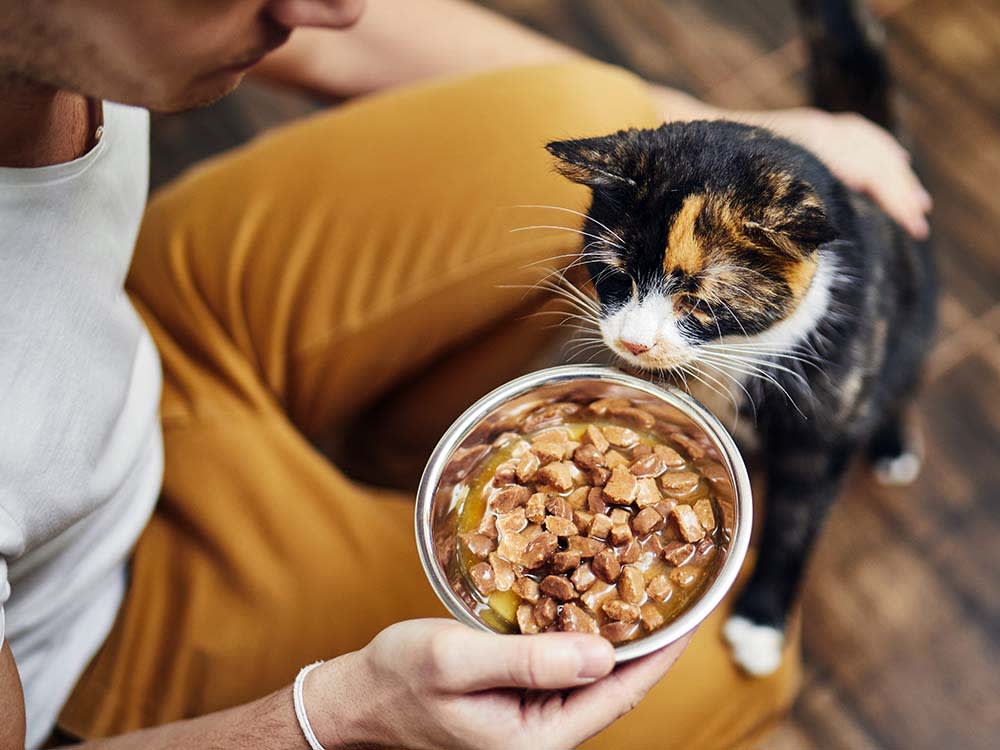
Cats have unique tastes and textures they prefer. Some like wet food, others dry food. Temperature of the food matters too; many cats prefer warm meals. Flavor variety keeps them interested in eating. Offering different options helps discover what they like best.
Building A Feeding Routine
Building a feeding routine helps your picky cat feel safe and comfortable. Cats thrive on predictability. A steady routine reduces stress and encourages eating. It also helps you monitor your cat’s appetite and health. Establishing good habits can turn mealtime into a positive experience for both of you.
Consistent Meal Times
Feed your cat at the same times every day. Cats like routine and will learn when to expect food. Avoid leaving food out all day. Scheduled meal times create structure and encourage regular eating. This habit helps your cat feel secure and less anxious.
Multiple Small Meals
Offer smaller portions several times a day. Cats prefer frequent, small meals rather than one or two large ones. This approach keeps their interest and prevents boredom. It also matches their natural hunting behavior. Small meals help picky eaters stay engaged and willing to eat.
Limiting Food Changes
Stick to one or two types of food at a time. Constant changes can confuse your cat and reduce appetite. Introduce new foods slowly over days or weeks. This gives your cat time to adjust and accept new tastes. Keeping food consistent builds trust and encourages eating.
Choosing Appealing Foods
Choosing appealing foods plays a big role in encouraging a picky cat to eat. Cats have unique tastes and preferences. Offering the right foods can spark their appetite and make mealtime enjoyable. The key is to provide options that satisfy their senses and nutritional needs.
High-protein Options
Cats are natural carnivores and need protein to stay healthy. Foods rich in meat or fish often attract picky eaters. Try feeding cooked chicken, turkey, or canned tuna in water. These choices provide the nutrients cats crave. High-protein meals keep your cat energetic and satisfied.
Strong Aromas And Flavors
Many cats respond to strong smells and flavors. Foods with a potent aroma can catch their attention. Warm wet food releases more scent than dry kibble. You can also add a little bit of broth or tuna juice to dry food. These aromas invite your cat to explore and taste the meal.
Varied Textures And Shapes
Cats enjoy different textures and shapes in their food. Some prefer soft pate, while others like chunks or flakes. Mixing textures can keep meals interesting. Experiment with crunchy treats, soft wet food, and mixed shapes. This variety can help your picky cat find what they like best.

Credit: www.meowmix.com
Enhancing Food Appeal
Enhancing the appeal of your cat’s food can make a big difference. Cats rely on smell and taste to decide what they want to eat. Boosting these can help a picky eater show more interest in their meals. Small changes often lead to better eating habits. Here are some simple tips to make your cat’s food more inviting and tasty.
Adding Toppers And Broths
Sprinkle a little bit of tasty topper on your cat’s food. Use freeze-dried meat or fish flakes that add flavor and texture. Pouring a small amount of warm broth can also attract your cat. Choose low-sodium chicken or beef broth. These add moisture and make the food more fragrant.
Mixing Wet And Dry Food
Combine wet and dry food to create a blend your cat may enjoy. Wet food adds moisture and soft texture. Dry food offers crunch and variety. Mixing them can balance flavors and stimulate appetite. This mix can also help cats who dislike one type of food alone.
Warming Food Slightly
Warm your cat’s food a little before serving. Heating releases the food’s aroma, making it more appealing. Use a microwave for about 10 seconds or warm in a bowl of hot water. Check the temperature to avoid burns. Warm food mimics the natural warmth of fresh prey.
Creating A Comfortable Space
Creating a comfortable space plays a key role in encouraging a picky cat to eat. Cats feel safer and more relaxed in calm environments. A well-set feeding area helps reduce anxiety and makes mealtime more appealing. This section explores ways to design a cozy spot for your cat.
Quiet Feeding Area
Choose a quiet spot away from loud noises and heavy foot traffic. Cats dislike distractions while eating. A calm place lets them focus on their food. Avoid placing bowls near washing machines, TVs, or busy hallways. A peaceful area encourages your cat to eat regularly.
Safe Room Setup
Set up a small room just for your cat’s needs. Include food, water, a litter box, and a comfy bed. This dedicated space gives them a sense of security. Keep the room clean and tidy to make it inviting. Let your cat explore this safe area at their own pace.
Reducing Stress Factors
Stress can stop a cat from eating. Minimize loud sounds, sudden movements, and other pets nearby. Keep routines consistent to help your cat feel secure. Use soft lighting and avoid strong smells near feeding spots. A low-stress environment supports better eating habits.
Encouraging Eating Behavior
Encouraging eating behavior in a picky cat takes patience and gentle care. Cats may refuse food for many reasons, including stress, taste preference, or health issues. Creating a positive mealtime routine helps your cat feel safe and interested in eating. Small changes can make a big difference in encouraging your cat to enjoy their food.
Understanding your cat’s mood and habits is key. Avoid rushing or forcing them to eat. Instead, use kindness and play to build a good eating habit. Below are simple ways to support your cat’s eating behavior and improve their appetite.
Positive Reinforcement
Reward your cat with gentle praise when they try new food. Use soft voices and petting to show approval. Offer small treats that are healthy and tasty. Positive feelings help your cat link eating with good experiences. Avoid punishment or scolding; it only increases stress and refusal to eat.
Play And Activity Before Meals
Engage your cat in light play before mealtime. Use toys like feather wands or laser pointers to spark interest. Physical activity wakes up their appetite and makes food more appealing. Short play sessions help reduce anxiety and build excitement for eating. Keep play fun and calm to avoid overstimulation.
Avoiding Pressure
Let your cat eat at their own pace without pressure. Do not force food into their mouth or hover nearby. Keep feeding times consistent but relaxed. Remove food after 20-30 minutes if uneaten, then offer fresh food at the next meal. Giving space encourages your cat to eat willingly and reduces mealtime stress.
Dealing With Food Refusal
Dealing with food refusal in cats can be challenging and worrying. Cats may refuse food for many reasons, including stress, illness, or simply being picky. Finding gentle ways to encourage your cat to eat helps maintain their health and happiness.
Patience and consistency work best when managing food refusal. Sudden changes can make your cat more reluctant to eat. Understanding your cat’s preferences and habits plays a key role in resolving feeding issues.
Gradual Food Transition
Introduce new food slowly over several days. Mix a small amount of the new food with the old one. Increase the new food’s portion little by little. This helps your cat adjust to the change without stress. Avoid switching foods suddenly, which can cause refusal.
Offering Treats Occasionally
Use treats to encourage interest in eating. Offer small, tasty treats between meals. Treats should not replace regular meals. Choose healthy treats that your cat likes. This approach can make mealtime more appealing and less stressful.
Monitoring Health Closely
Watch your cat’s behavior and appetite carefully. Refusal to eat may signal health problems. Check for signs like vomiting, lethargy, or weight loss. Consult a veterinarian if food refusal lasts more than a day. Early detection ensures your cat gets proper care.

Credit: www.torontohumanesociety.com
Frequently Asked Questions
How To Fix Cat Picky Eating?
Offer a consistent feeding schedule with small, frequent meals. Use high-quality, protein-rich food with strong aromas. Avoid sudden food changes; introduce new diets gradually. Provide a quiet, stress-free environment during mealtime. Add tasty toppers like tuna water to entice eating.
Be patient and persistent.
What Is The 3-3-3 Rule For New Cats?
The 3-3-3 rule helps new cats adjust: three days in a safe space, three weeks to learn routines, and three months to fully settle.
Will A Picky Cat Eventually Eat?
Yes, a picky cat will usually eat eventually. Gradually introduce new food and offer tasty treats to encourage eating.
What Is Irresistible To Cats Food?
Irresistible cat food is high in protein with strong aromas like fish or poultry. Varied textures and flavors also attract cats. Adding tasty toppers like tuna boosts appeal.
Conclusion
Encouraging a picky cat to eat takes time and patience. Keep meal times regular and avoid sudden food changes. Offer small portions of tasty, nutritious food to spark interest. Create a calm, quiet feeding space where your cat feels safe.
Watch their reactions and adjust feeding routines gently. Over time, your cat will feel more comfortable and willing to eat. Stay consistent and caring; your efforts will pay off. Every cat is unique, so adapt these tips to your pet’s needs.
Enjoy the process and celebrate small successes along the way.