


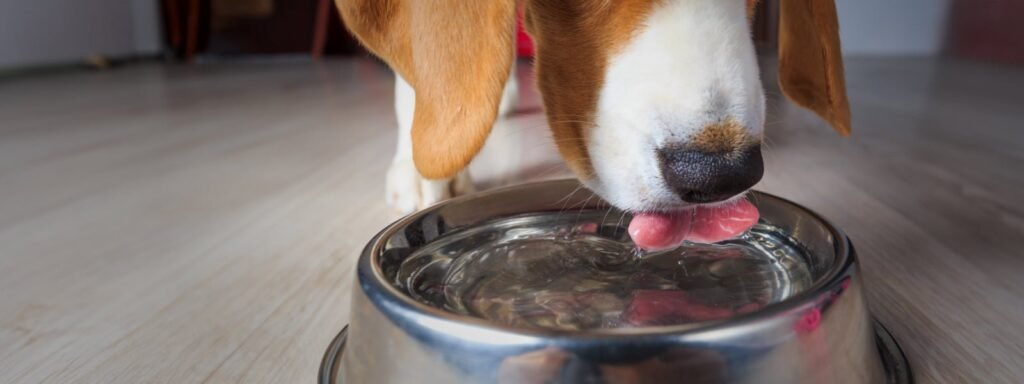


For most healthy pets, tap water is safe to drink. In the United States, the EPA sets legal limits for contaminants in public drinking water, and these standards protect animals as well as people. If your pet is healthy and your water meets those rules, there’s no need to buy bottled water.
When pets can drink tap water

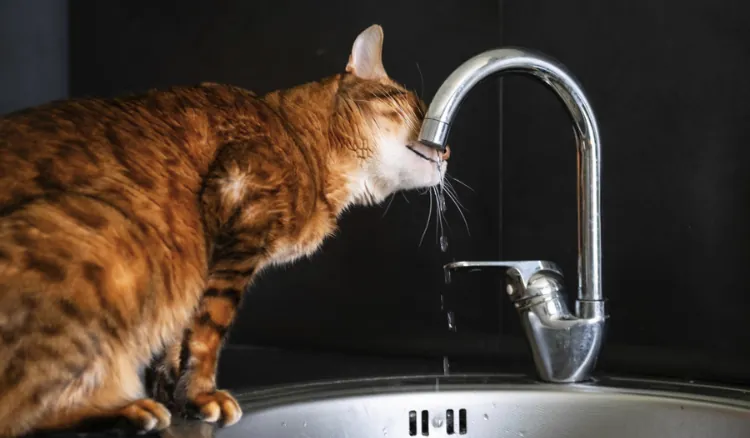
The short answer is yes, for most pets, most of the time. Public water systems in the US must follow EPA drinking water standards, which cover bacteria, lead, and other harmful substances. If your water comes from a city supply and passes those tests, your dog or cat can drink it without worry.
There are a few exceptions. Pets with certain health conditions, very young animals, and pregnant pets may be more sensitive. If your pet is on medication or has kidney problems, ask your vet before assuming tap water is fine.
Well water is the case where the answer changes. The EPA rules don’t cover private wells, so nobody tests your water but you. Test it at least once a year for coliform bacteria and nitrates, and every few years for arsenic and lead. Test kits cost a modest amount, and lab results tell you what is in your water.
If the report shows anything above the limit, switch your pet to bottled or filtered water and retest after any treatment or repair to the well.
What’s Actually in Your Water
Most tap water contains minerals like calcium and magnesium. These are harmless for pets in normal amounts. The real concerns are things you can’t see, smell, or taste — which is why testing matters more than trusting your senses.
| Water Source | Generally Safe? | What to Watch |
|---|---|---|
| City tap water (US) | Yes | Check your annual water quality report |
| Private well | Depends | Test yearly for bacteria and nitrates |
| Bottled water | Yes | No real advantage over safe tap water |
| Water with a softener | Usually | High sodium may be a problem for some pets |
If you use a private well, the EPA doesn’t regulate it, so testing is your job. A standard test kit covers the main risks.
Steps to Make Sure the Water Is Fine
-
Check your water quality report. Your water supplier mails one each year. It lists what’s in your water and whether it passed. If you rent, ask the building manager for a copy — the supplier sends it to whoever pays the bill, not to you.
-
Test a private well. Do this at least once a year, or after flooding. Test for bacteria and nitrates at minimum.
-
Let the tap run first. Run cold water for a minute in the morning to clear any lead from old pipes. If the tap hasn’t been used for six hours or more, run it for two minutes instead. Fill the bowl after that, not during.
-
Use cold water only. Hot water can carry more dissolved metals from pipes. Never fill a bowl from the hot tap, even in winter.
-
Clean the bowl daily. A dirty bowl grows bacteria faster than the water itself causes problems. Scrub with hot water and soap, rinse well, and refill with fresh water.
Tip: If your pet suddenly refuses water, that’s a health sign, not a water-quality sign. Call your vet.
When to Skip the Tap

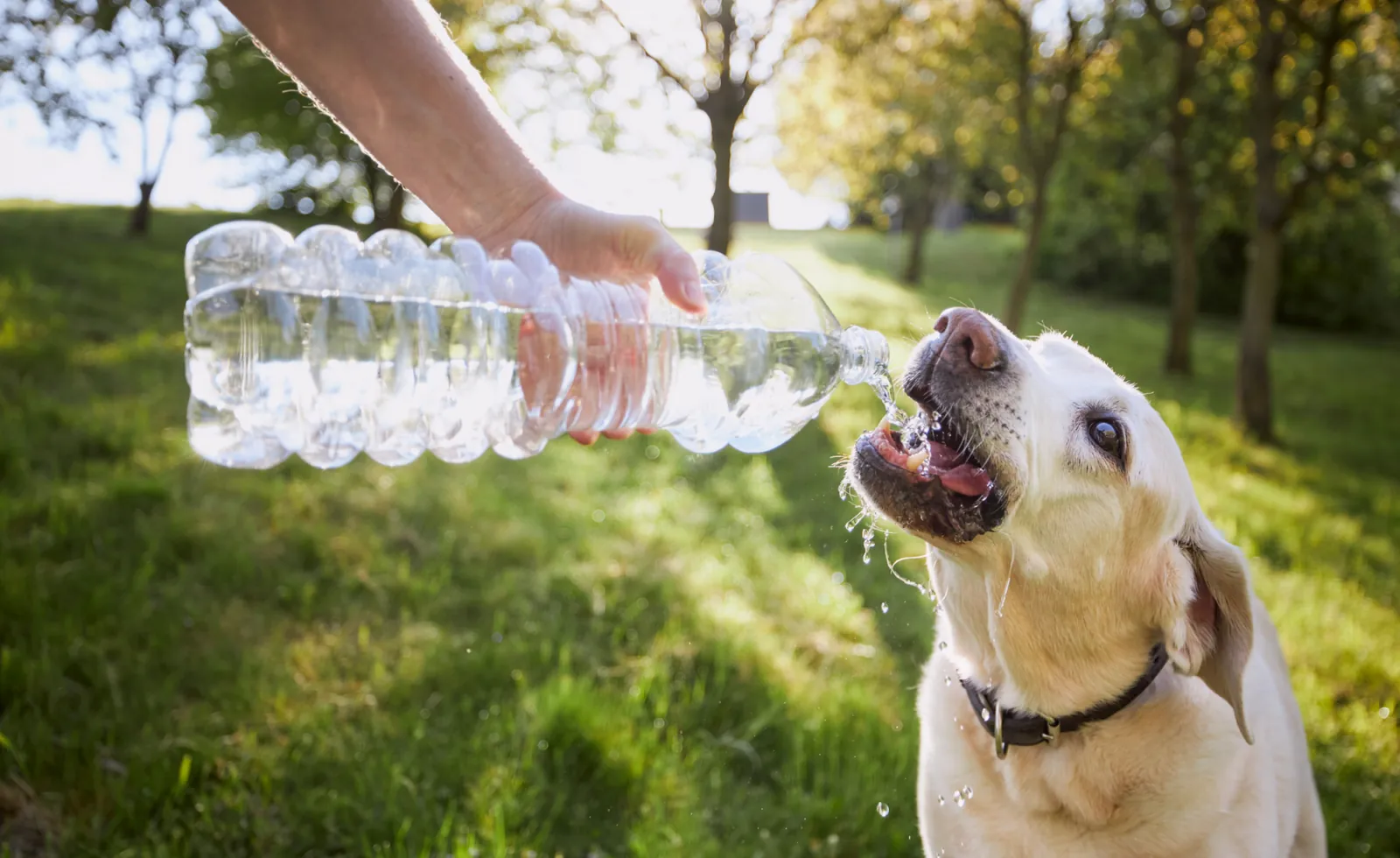
A few situations call for bottled or filtered water. If your water has a strong chlorine smell your pet avoids, or if a boil-water notice is active, switch temporarily. Pets on a sodium-restricted diet should avoid softened water, since the softening process adds sodium.
Also watch for lead. Older homes may have lead pipes, and lead is harmful to pets just as it’s to people. If you’re unsure, a filter certified to remove lead solves the problem cheaply.
A pet that suddenly refuses the bowl, or drinks far less than usual, is telling you something about the water before any test will. Offer bottled water for a day and see whether the behavior changes. If it does, keep the swap and ask your vet about testing the tap.
Well water is its own case. Private wells aren’t covered by the testing that municipal systems do, so an annual check for bacteria and nitrates is worth the cost. If you share the well with a household that includes a pregnant person or an infant, test more often.
Skip the tap for as long as the notice or the smell lasts, not longer. Most municipal supplies are fine once the chlorine clears.
Frequently Asked Questions
Can cats drink tap water?
Yes, cats can drink tap water in most US homes. Cats are often pickier about taste, so some refuse water with a strong chlorine smell. A simple filter or letting the water sit out for a few hours usually fixes that.
Is bottled water better for pets?
No, not usually. Bottled water offers no proven health advantage over safe tap water for healthy pets. It costs far more and creates plastic waste. The only real reason to switch is a specific problem with your tap supply.
What if my pet drinks from the toilet?
It’s not ideal, but it’s rarely dangerous if the bowl is clean. Toilet water can contain cleaning chemicals, so keep the lid down and store cleaners away. Fresh water in their own bowl is always the better choice.
Conclusion
Start by reading your yearly water quality report — it’s free and tells you exactly what’s in your water. If you have a private well or an older home, spend a few dollars on a test kit. That one check settles the question for your specific pet and your specific tap.