




Check energy, appetite, weight, coat, eyes, gums, poop, and behavior weekly.
If you have ever asked, How do I check if my dog is healthy?, you are in the right place. I’ve helped many pet parents spot small issues before they turned big. In this guide, I share clear steps, vet-backed tips, and easy at‑home checks. You will learn what normal looks like, when to worry, and how to act fast with calm, confident care.


Source: frommfamily.com
The healthy dog checklist: daily signs you can see
If you wonder, How do I check if my dog is healthy?, start with what you see each day. Health shows in small, steady patterns. You do not need fancy tools. You just need your eyes, hands, and a calm plan.
Look for these normal signs:
- Bright, clear eyes with no redness, squinting, or heavy tears
- Clean ears with light wax, no smell, and no scratching
- Nose can be wet or dry, but free of thick crusts or discharge
- Pink gums that are moist, not pale or bright red
- Breath that is mild, not sour or fishy
- Coat that is shiny, skin that is smooth, no bald spots
- Even weight with a waist you can see from above
- Normal energy and a sweet, steady mood
- Poop that is formed, easy to pick up, and dark brown to tan
- Pee that is pale yellow, no straining or blood
I keep a simple note on my phone for dogs I foster. It tracks energy, food, water, poop, and mood. After two weeks, you can spot change fast.
Quick Q&A
- How do I check if my dog is healthy? Start with daily signs and a short home exam each week.
- What is the top red flag? A fast change in energy, appetite, or bathroom habits.
- Do I need gear? Not much. A soft light, a timer, and your hands are enough.

Source: animalhumanesociety.org
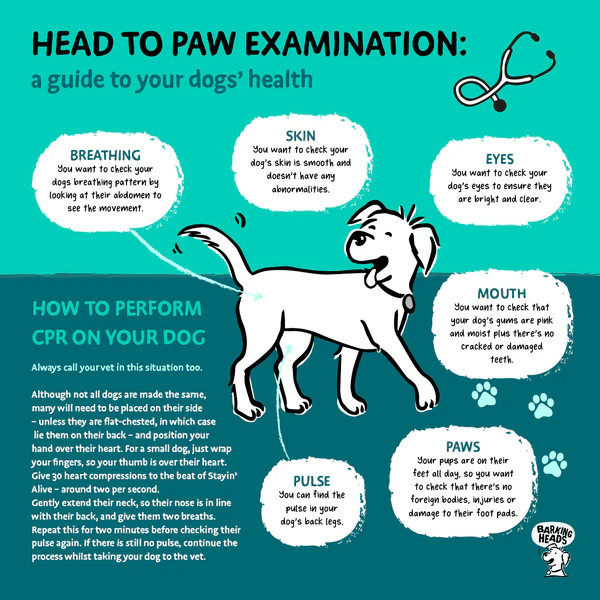
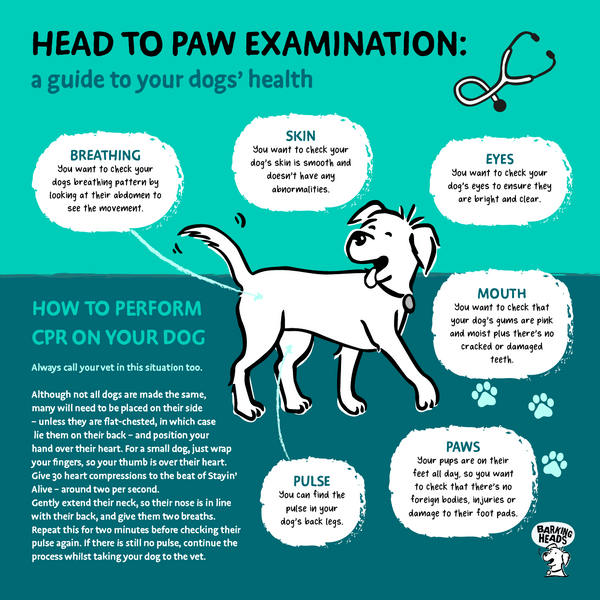
A 7-minute nose-to-tail home exam
How do I check if my dog is healthy without stress? I use this 7‑minute routine with every foster. It is calm, quick, and kind. Do it when your dog is relaxed.
- Head and face. Look at eyes, nose, lips, and teeth. Gums should be pink and moist.
- Capillary refill. Press a pink gum till it pales. Color should return in under two seconds.
- Teeth and breath. Check for brown tartar, red gums, or foul smell.
- Ears. Lift the flap. Wax should be light. No smell or pain.
- Skin and coat. Part the fur. Check for flakes, fleas, or ticks.
- Paws and nails. Pads should be smooth. Nails should not click hard on floors.
- Joints. Run hands along legs and back. Note heat, swelling, or flinch.
- Belly. Feel gently. It should be soft, not tight or painful.
- Hydration. Lift the skin over the shoulder. It should drop back fast.
- Heart and breath. Count beats and breaths at rest. Small dogs beat faster than big dogs.
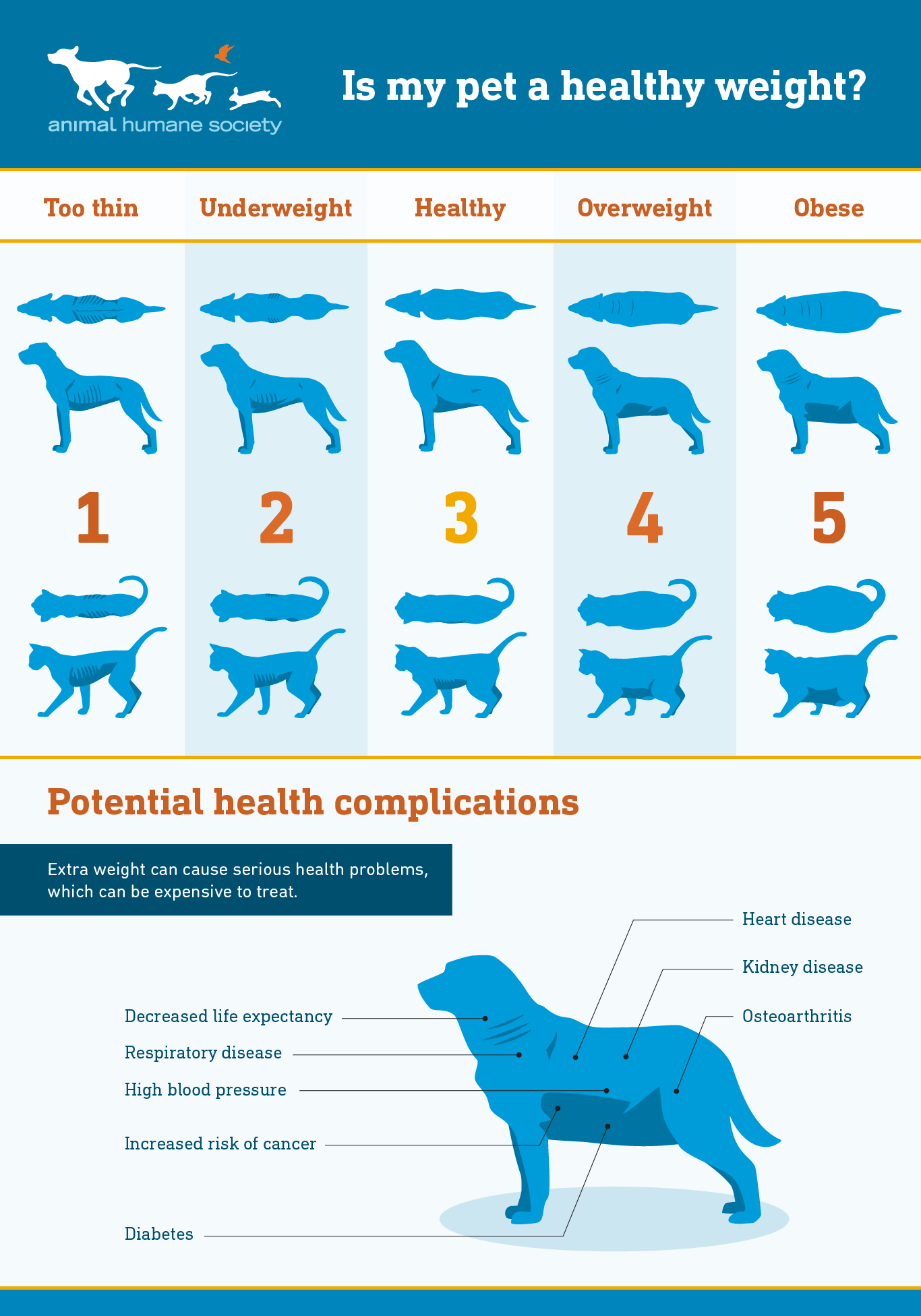
- Weight and shape. Feel ribs with light pressure. You should feel them but not see sharp lines.
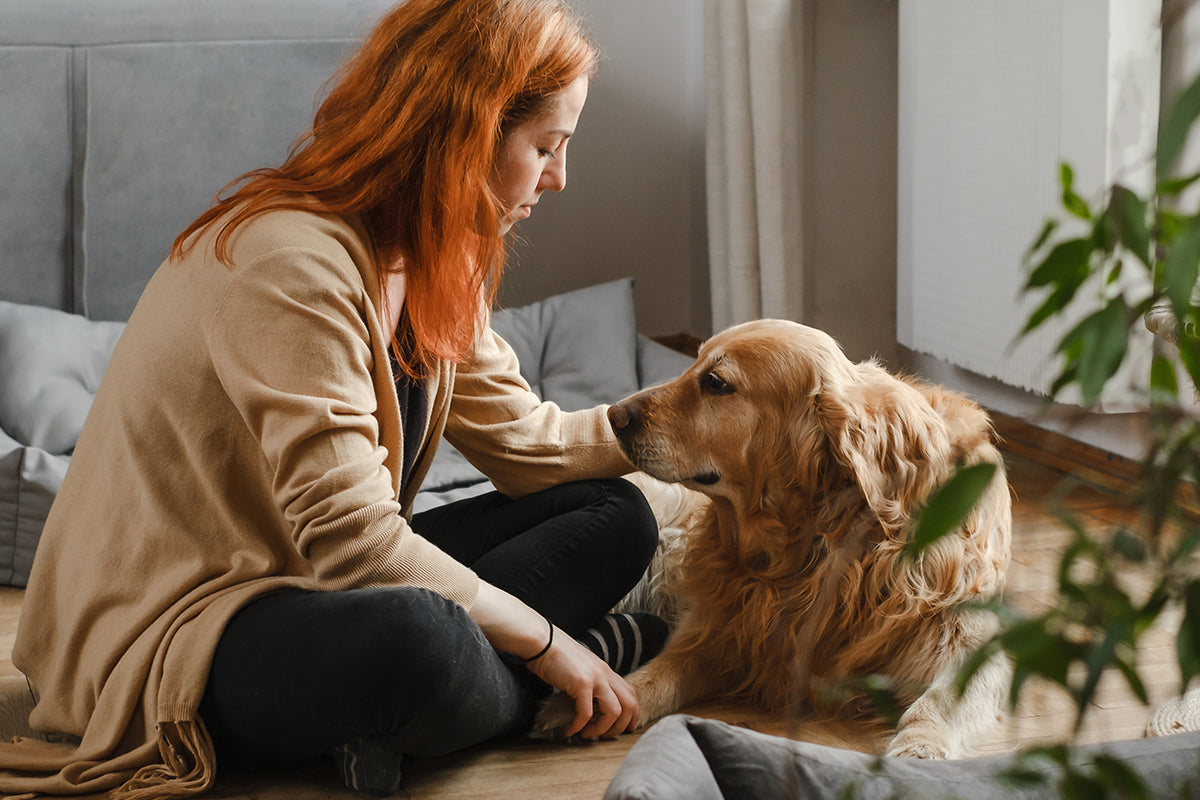
If your dog resists, break the check into small steps. Reward with calm praise. The goal is trust, not a rush.
Source: co.uk
Behavior, mood, and mobility
Behavior is a health clue. How do I check if my dog is healthy through behavior? Watch how your dog moves and acts in normal life.
Signs of well-being:
- Gets up and down with ease
- Plays at normal times and rests well
- Tail and ears match the mood
- No new fears, pacing, or hiding
Call the vet if you see:
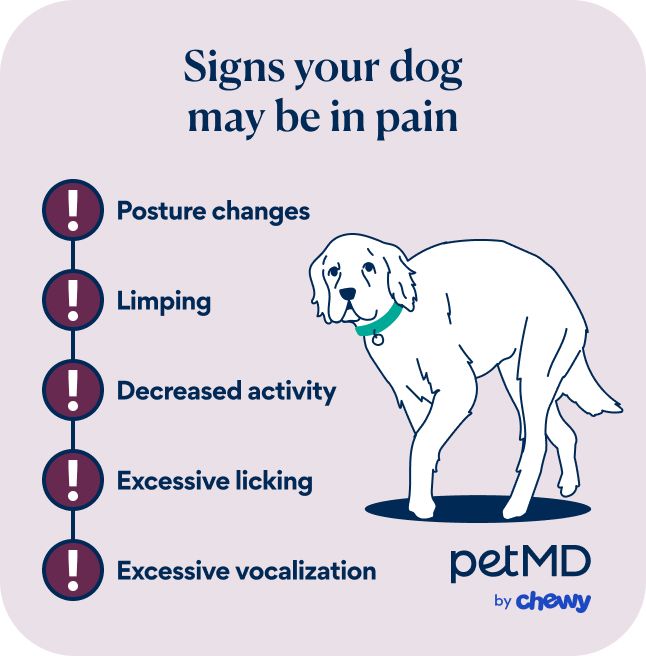
- New stiffness, bunny hops, or toe dragging
- Sudden snap or growl during touch
- Confusion, head tilt, or odd eye flicks
I learned this the hard way with a sweet senior foster. He seemed just sleepy. A short walk test showed he lagged and panted fast. A vet check found early heart changes. Early care gave him more good time.

Source: petco.com
Eating, drinking, and bathroom habits
How do I check if my dog is healthy using food and potty signs? Patterns are key. Dogs thrive on routine. Change is a clue.
Food and water:
- Eats with steady interest
- Drinks more on hot days and after play, less on cool rest days
- Sudden thirst or no thirst can both be a concern
Poop:
- Shape like a log
- Firm but not hard
- Easy to pass, with no mucus or blood
Pee:
- Pale yellow
- Normal volume and flow
- No leaks, straining, or strong smell
If poop turns loose for a day but your dog is bright, try bland food and rest. If it lasts over 24 hours, or you see blood, call your vet.


Source: petobesityprevention.org
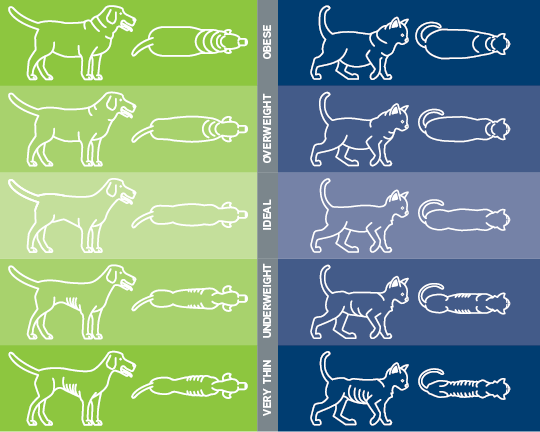
Weight, body condition, and fitness
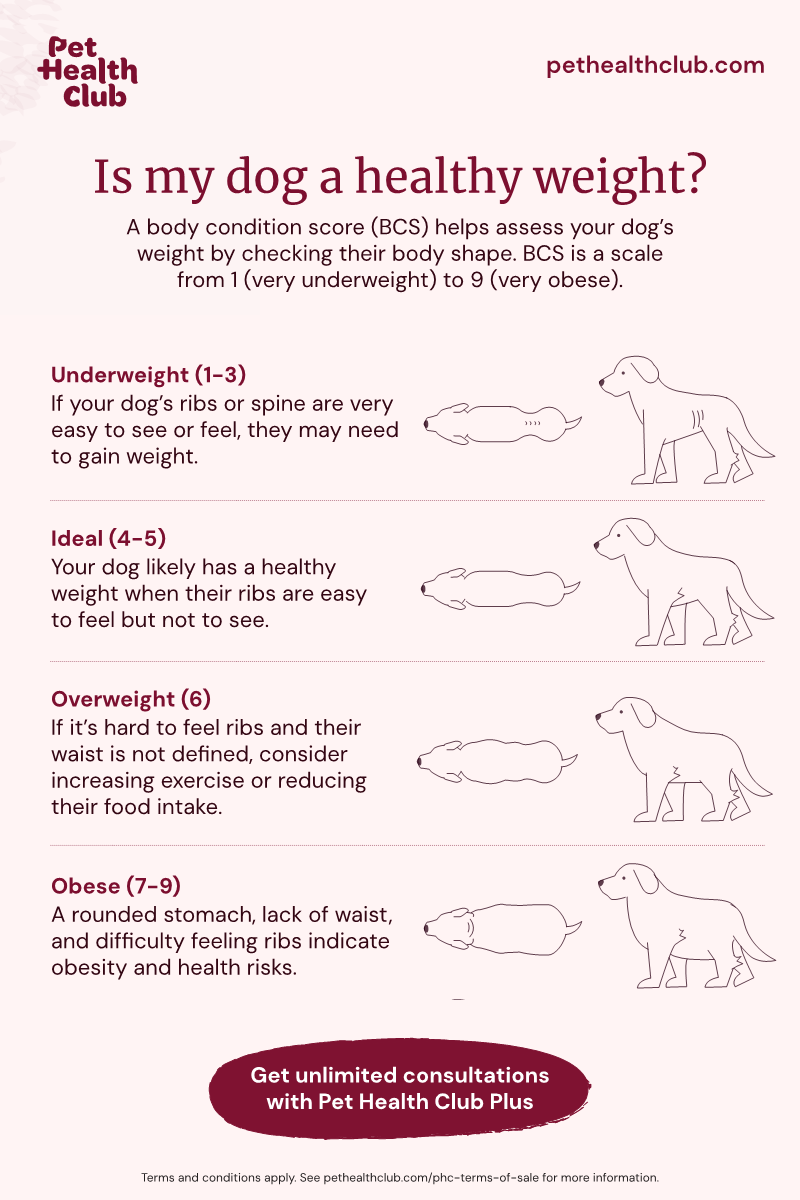
How do I check if my dog is healthy in terms of weight? Use a body condition check. It beats a scale alone.
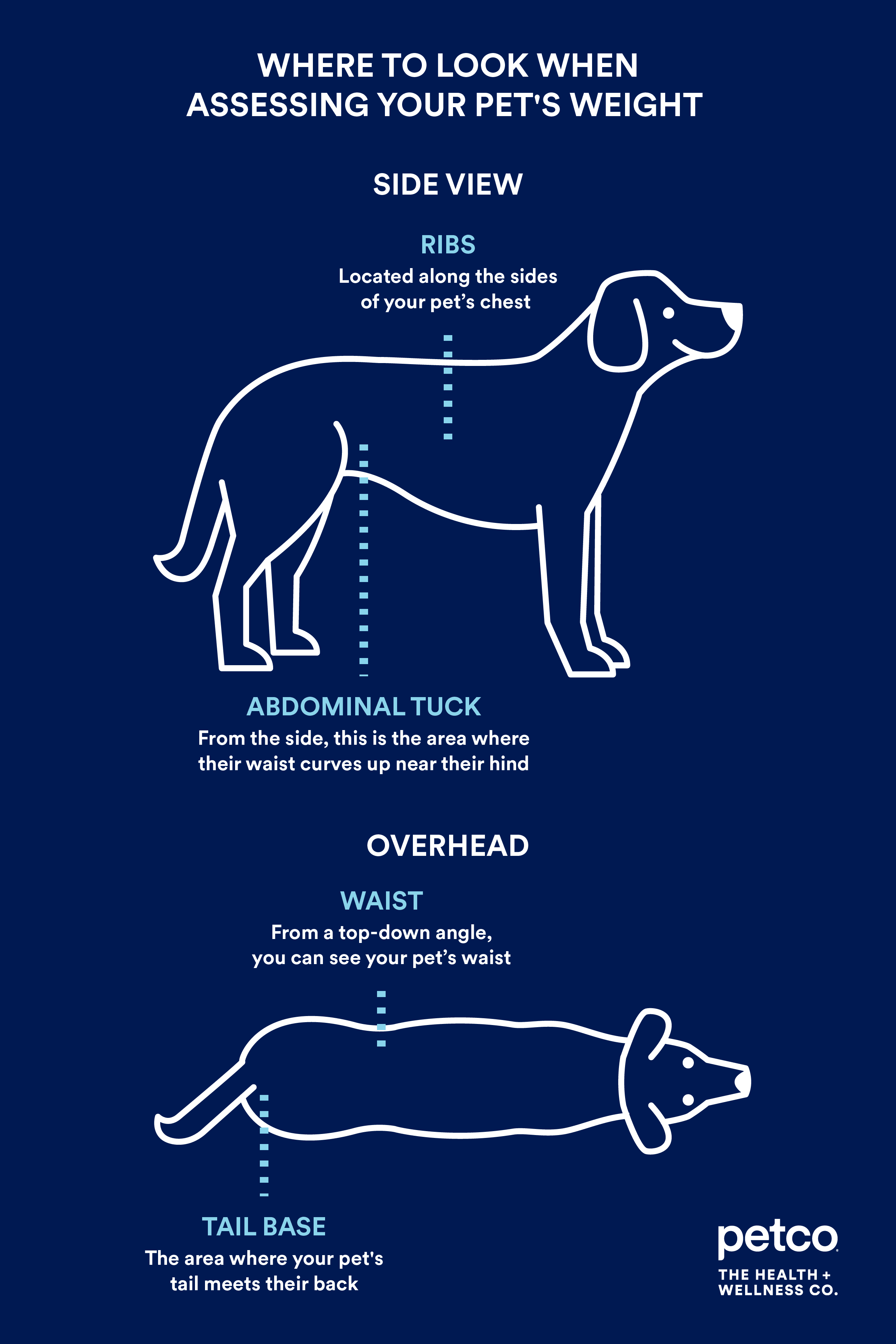
Body condition basics:
- Ribs. You should feel ribs with light pressure. They should not poke out.
- Waist. View from above. There should be a gentle hourglass.
- Tuck. View from the side. The belly should tuck up behind the ribs.
Simple fitness checks:
- Resting breath rate while asleep should be slow and even
- After a short walk, breathing should settle within a few minutes
- Stairs and gentle fetch should be easy if your vet says it is safe
Weigh your dog once a month. Use the same scale. Log the number. A slow, steady trend is the goal.
Source: urgentvet.com
Preventive care essentials
You may ask, How do I check if my dog is healthy beyond home checks? Preventive care is the base. It finds silent issues early.
Core steps:
- Vet exams. Adults need at least once a year. Seniors and pets with issues often need twice a year.
- Vaccines. Follow your vet’s plan for core and lifestyle risks.
- Parasite control. Use flea, tick, and heartworm prevention as advised.
- Dental care. Brush if you can. Schedule cleanings when needed.
- Lab work. Blood, urine, and fecal tests catch early shifts.
- ID and safety. Keep a microchip and tags up to date.
Veterinary guidelines support these steps for longer, better lives. They show early care cuts costs and stress over time.

Source: pethealthclub.com
Red flags: when to call the vet now
How do I check if my dog is healthy when something feels off? Trust your gut. Call your vet fast for these signs.
Urgent signs:
- Hard time breathing, blue or gray gums
- Repeated vomiting or watery diarrhea, blood in stool
- Refusal to drink or eat for a day, or any food refusal in a puppy
- Collapse, seizures, or fainting
- Bloated, tight belly with restlessness or retching
- Sudden weakness, wobble, or head tilt
- Pain cries, hot swollen joints, or a wound that will not stop bleeding
- Toxin risk such as grapes, xylitol, or human meds
If you cannot reach your vet, go to an emergency clinic. It is better to be safe.

Source: dogbydrlisa.com
Tools and tracking: wearables, logs, and photos
How do I check if my dog is healthy with tech? Simple tools help you see change.
Helpful tools:
- A note app to log weight, food, water, poop, and meds
- A phone camera to track skin spots, teeth, or lumps over time
- A pet wearable for sleep, steps, and scratch time
- A weekly reminder for your 7‑minute exam
I set a Sunday alert. I scan nose to tail, snap photos of teeth and any lumps, and jot one line on energy. Small steps add up.

Source: petmd.com
Frequently Asked Questions of How do I check if my dog is healthy?
How often should I do a home health check?
Do a quick scan each day and a full 7‑minute check once a week. Keep notes so you can spot small changes early.
What color should my dog’s gums be?
Healthy gums are pink and moist. Pale, white, blue, or very red gums need urgent care.
Is a dry nose a problem?
A dry nose by itself is not a problem. Worry if the nose is cracked, bleeding, very crusty, or has thick discharge.
How do I check if my dog is healthy after diarrhea?
Watch energy, appetite, and hydration. If loose stool lasts over 24 hours, or you see blood, call your vet.
Can I tell if my dog has worms at home?
You may see rice-like bits or spaghetti-like worms in stool, but many worms are silent. A vet fecal test is the best check.
How do I check if my dog is healthy as a senior?
Do the weekly exam and add semiannual vet visits with lab work. Track mobility, weight, and sleep more closely.
How do I check if my dog is healthy at home after vaccines?
Mild sleepiness or soreness is common for a day. Call your vet at once for swelling of the face, hives, trouble breathing, or vomiting.
Conclusion
Health is a pattern you can see, feel, and measure. Use the daily signs, the 7‑minute exam, and steady logs. Ask yourself often, How do I check if my dog is healthy?, and follow the simple steps you now know.
Start this week. Set a reminder, do the check, and note what you find. If you learned something new, share this guide, subscribe for more pet care tips, or drop a question in the comments.