
An underweight cat needs vet check, calorie-dense food, and gentle appetite support.
You notice the ribs. The hip bones peek through. Food sits in the bowl, untouched. Helping an underweight cat can feel scary and urgent at the same time. I’ve been there. The right mix of vet care, tempting toppers, and simple nutrition wins the day. In this guide, I break down practical tools I trust. You will find high-value treats, easy cookbooks, and a smart primer on feline care. I also include one behavioral book that can sharpen your feeding routine. Let’s help your underweight cat eat better, gain safely, and feel good again.
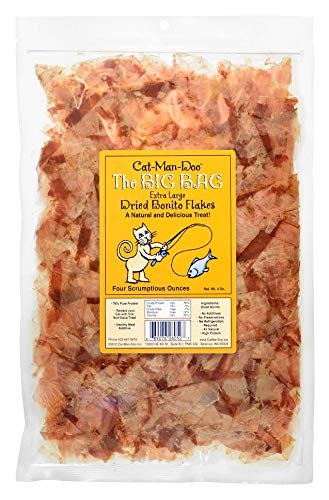
Cat-Man-Doo Dried Bonito Flakes (2 Pack)

When your underweight cat turns away from food, aroma is everything. These extra-large bonito flakes hit that sweet spot. They are light, smoky, and rich in umami. I sprinkle a small pinch over wet food and watch picky cats walk back to the bowl.
Bonito is a lean fish. The protein is high, and the fat is moderate. That makes it an excellent appetite enticer, not a meal. For an underweight cat, I want steady calories from balanced food. I use these flakes to start the meal and keep the interest going.
Pros:
- Intense aroma that helps picky, underweight cats start eating
- Single-ingredient protein with no fillers
- Large flakes that are easy to portion by hand
- Low carb topper that fits most diets
- Works with dry, wet, or raw food
- Great training reward for shy or stressed cats
Cons:
- Not a complete meal; use as a topper or treat only
- Fish-forward smell can be strong for some homes
- Some cats prefer smaller shavings over big flakes
My Recommendation
If your underweight cat sniffs and leaves, start here. I use these flakes to “wake up” the nose, then slide in calorie-dense wet food. It is a simple, low-risk step that often makes the first win. Keep portions small. Rotate toppers to avoid boredom. If your cat has fish allergies, skip it.
| Best for | Why |
|---|---|
| Picky, underweight cat | High aroma triggers appetite fast |
| Cats on wet or raw diets | Single-ingredient topper blends well |
| Training shy or stressed cats | Light, tasty reward without heavy calories |
CBT-T for Eating Disorders (Guide)

This is a therapy book for humans, not a pet manual. So why include it in a guide for an underweight cat? Because feeding plans fail without structure. This book teaches short, focused behavior tools. You can borrow its framework to build steady routines at home.
I do not use it as medical advice for pets. I use the mindset. It shows how to set clear goals, reduce unhelpful cues, and track small wins. That helps me craft feeding rituals for a stressed or underweight cat. Think of it as a coach for the human side of care.
Pros:
- Clear, brief format that saves time
- Strong routine-building ideas you can adapt
- Goal setting and tracking methods that translate to feeding plans
- Focus on practical steps over theory heavy language
- Helps caregivers stay calm and consistent
Cons:
- Written for human eating disorders, not cats
- No veterinary nutrition content
- May feel too clinical for some pet owners
My Recommendation
I reach for this when I feel stuck. An underweight cat needs calm routines. This guide helps me set them. I pair it with my vet’s plan and a feeding log. Use the structure to time meals, reduce stress, and measure intake. Always follow your vet for diet and medical care.
| Best for | Why |
|---|---|
| Owners who like checklists | Step-by-step tools that are easy to adapt |
| Households with busy schedules | Short, targeted methods keep plans realistic |
| Caregivers feeling overwhelmed | Offers structure and reduces decision fatigue |
Healthy Cat Food Cookbook: 30+ Quick Recipes
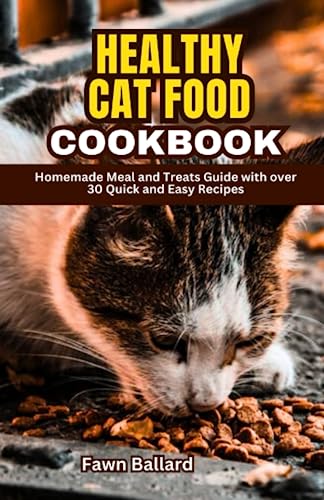
Homemade food can spark appetite when nothing else works. This cookbook gives simple recipes that you can prep fast. Many blend meat with gentle binders and broths. That soft texture helps an underweight cat who struggles with chewing or nausea.
I treat home recipes as a bridge, not the final plan. Cats need taurine, minerals, and the right calcium-to-phosphorus ratio. I run any long-term recipe by my vet or a board-certified nutritionist. Short term, these recipes can boost interest and add calories in a palatable way.
Pros:
- Quick recipes with short ingredient lists
- Gentle textures for sensitive mouths and tummies
- Great for crafting high-moisture meals
- Lets you control aroma and warmth to entice eating
- Good base for vet-approved supplements
Cons:
- May not be complete and balanced without added supplements
- Time and prep needed versus opening a can
- Some cats resist new textures at first
My Recommendation
If your underweight cat ignores kibble, try a warm, fragrant homemade dish. Add a complete supplement blend if your vet approves. Start small. Mix a spoonful into their regular food. Watch for energy, stool quality, and coat gloss. This book helps you test and learn what your cat enjoys.
| Best for | Why |
|---|---|
| Sensitive eaters | Soft, simple recipes that go down easy |
| Short-term appetite boosts | High aroma and moisture to trigger interest |
| Owners who like to customize | Easy to adjust flavors and temperatures |
Homemade Treats for Your Cat: 100 Snacks
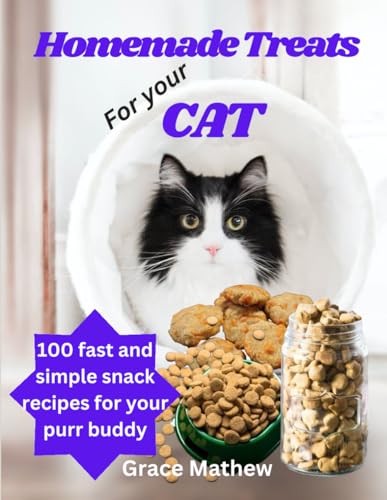
Treats are not just rewards. For an underweight cat, they are calorie nudges. This snack book offers quick bites like meat bites, broths, and lickable pastes. I use them between meals to keep calories steady without overwhelming the stomach.
Small, frequent feedings help many underweight cats. A spoon of a smooth, high-calorie paste can make a big difference. The book’s ideas are light and fun. You can prep a few options, chill them, and rotate flavors to fight food fatigue.
Pros:
- 100 snack ideas to reduce boredom
- Focus on bite-sized portions for frequent feeding
- Great for enrichment toys and lick mats
- Easy to freeze or refrigerate for later
- Lets you tailor fat and moisture levels
Cons:
- Snacks are not balanced meals
- Some recipes may be too rich for sensitive stomachs
- Trial and error needed to find favorites
My Recommendation
I like this book when I need “grazing” calories across the day. Your underweight cat may not finish big meals. But a handful of smart snacks can add up. Use these ideas to bridge the gaps. Keep treats to 10% of daily intake unless your vet says more.
| Best for | Why |
|---|---|
| Underweight cat needing extra calories | Easy, frequent snacks boost intake |
| Cats who love variety | Many flavors and textures to try |
| Owners using enrichment | Snacks fit lick mats, puzzles, and toys |
Cats 101: Care Basics (Skinny Report)

Basics matter more when a cat is thin. This slim guide refreshes key care steps that help an underweight cat gain. It covers feeding habits, litter box cues, grooming, and stress reduction. A calm, clean setup often leads to better eating.
I like that it keeps things short. You get fast reminders on hygiene, routine play, and rest. These simple shifts can protect the appetite and gut. For many cats, small changes at home unlock bigger nutrition wins.
Pros:
- Short and easy to read in one sitting
- Focus on daily care that supports appetite
- Good for new or busy owners
- Covers stress triggers and simple fixes
- Pairs well with vet guidance
Cons:
- Not a deep dive into feline nutrition science
- Some tips may feel basic for experienced owners
- Limited detail on complex medical issues
My Recommendation
I use this as a checklist. If your underweight cat is not eating, scan your home setup. Reduce noise near the bowl. Keep the litter box spotless. Offer quiet rest spots. Basics remove friction so calories can do their work.
| Best for | Why |
|---|---|
| New cat parents | Fast overview of what truly matters |
| Busy households | Simple, high-impact routines |
| Owners troubleshooting appetite | Reduces stressors that suppress eating |
FAQs Of underweight cat
How do I know if I have an underweight cat?
Feel the ribs and spine. If they are sharp with little padding, your cat may be underweight. Check hip bones and a visible waist. Ask your vet to confirm with a body condition score.
What should I feed an underweight cat?
Offer high-calorie, high-protein wet food. Warm it slightly and add water for moisture. Use appetite toppers like bonito flakes. Feed small, frequent meals. Follow your vet’s plan.
Why is my underweight cat not eating?
Common reasons include dental pain, nausea, stress, parasites, or disease. Some cats have food aversions or dislike textures. See a vet to rule out medical causes first.
How fast should an underweight cat gain weight?
Slow and steady. Many cats gain a few ounces per week. Your vet will set a safe target based on age, size, and health.
Can I use homemade food long term for an underweight cat?
Only if it is complete and balanced. Most recipes need supplements. Work with your vet or a nutritionist for long-term feeding.
Final Verdict: Which Should You Buy?
If you need a fast appetite spark for an underweight cat, start with Cat-Man-Doo Dried Bonito Flakes. For simple, tasty calories, the Healthy Cat Food Cookbook and the Homemade Treats book help you build small wins through the day.
Use Cats 101 to tighten daily care. If you want better feeding routines, the CBT-T guide can sharpen structure. Pair these with your vet’s advice for safe, steady gains in your underweight cat.