

Call your vet, then offer water, bland food, fiber, and a cat probiotic.
Blood in a litter box can make any cat parent panic. I’ve helped many owners work through this exact moment, and I know the right steps matter. In this guide, we’ll answer What Can I Give My Cat For Bloody Stool? with clear, safe options, when to see the vet, and how to prevent it from coming back. I’ll share practical advice, research-backed tips, and what has worked in my own experience with rescue cats and nervous tummies.

First things first: Is blood in cat stool an emergency?
Some cases are mild. Others need urgent care. Watch your cat closely for warning signs.
Seek emergency vet care now if you see:
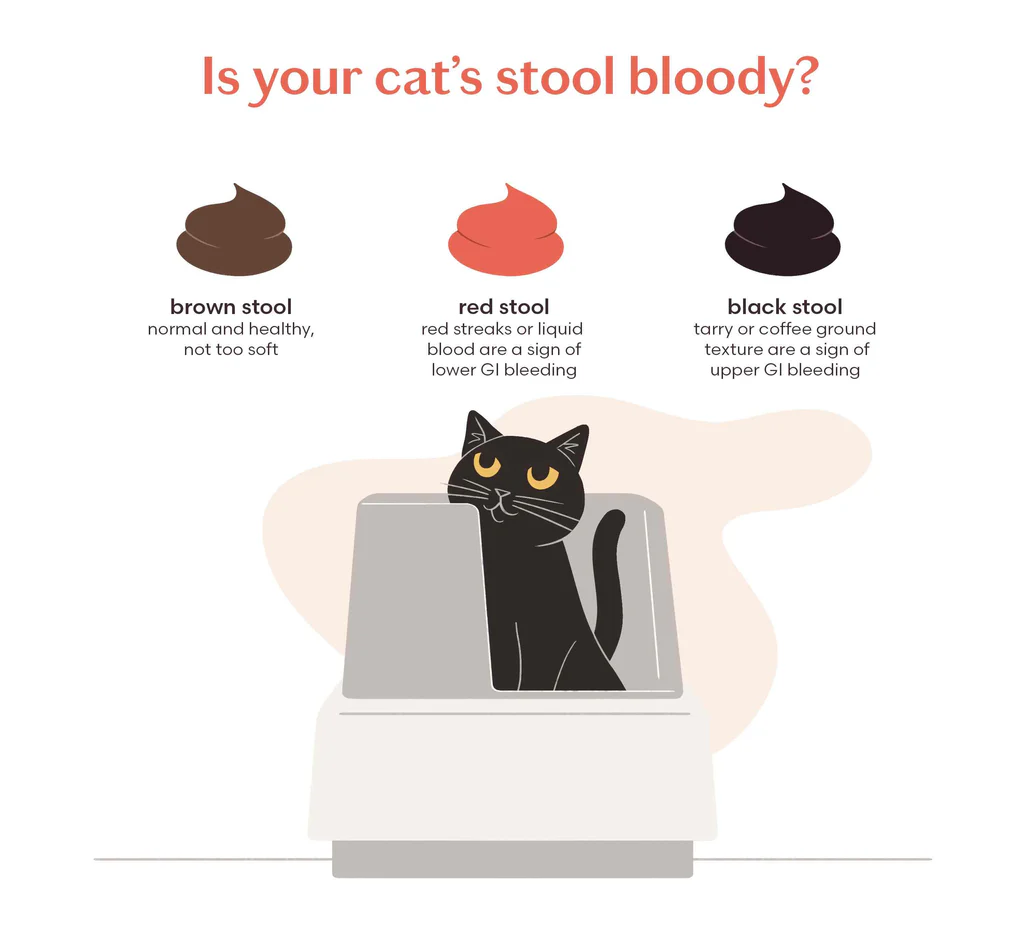
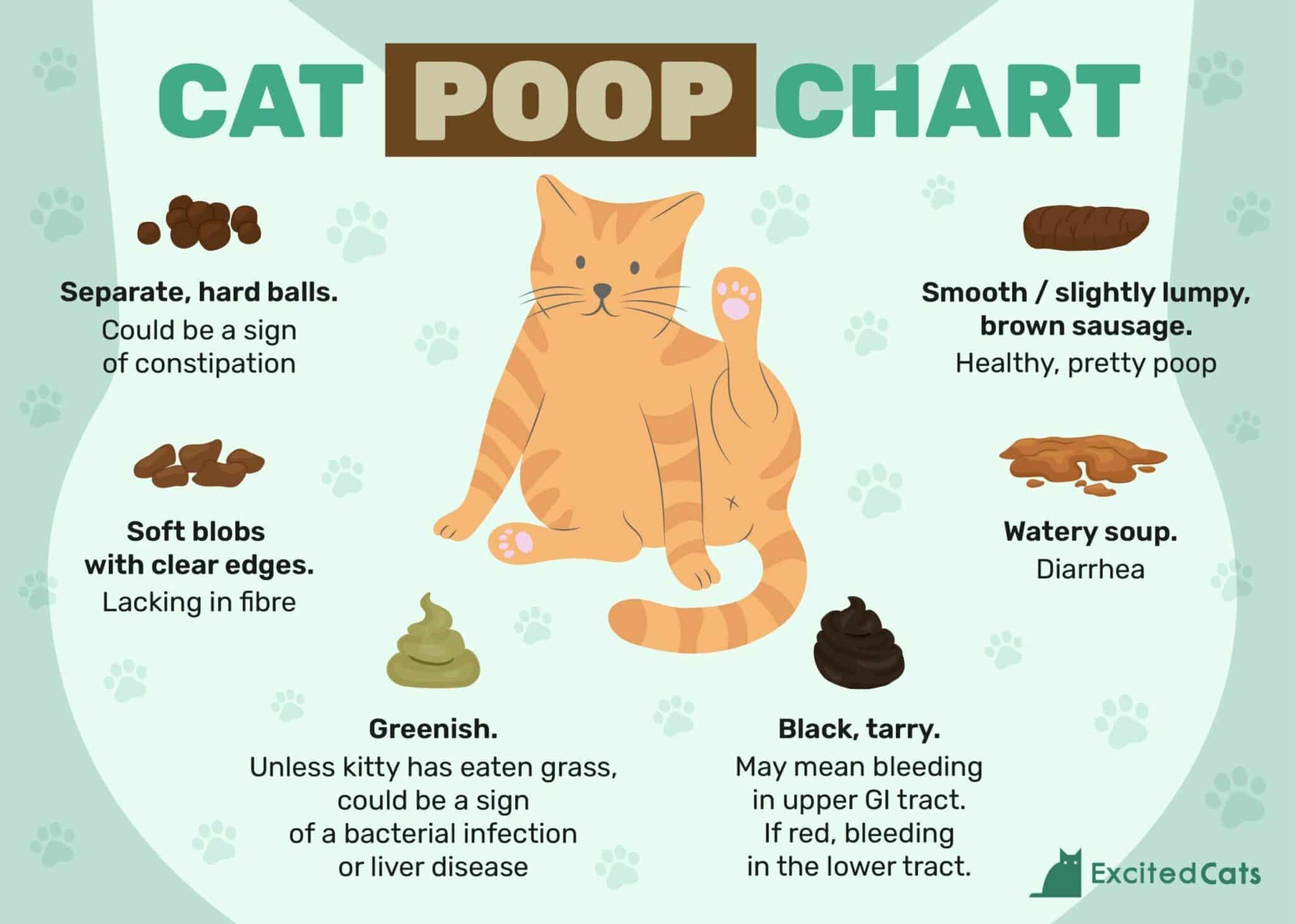
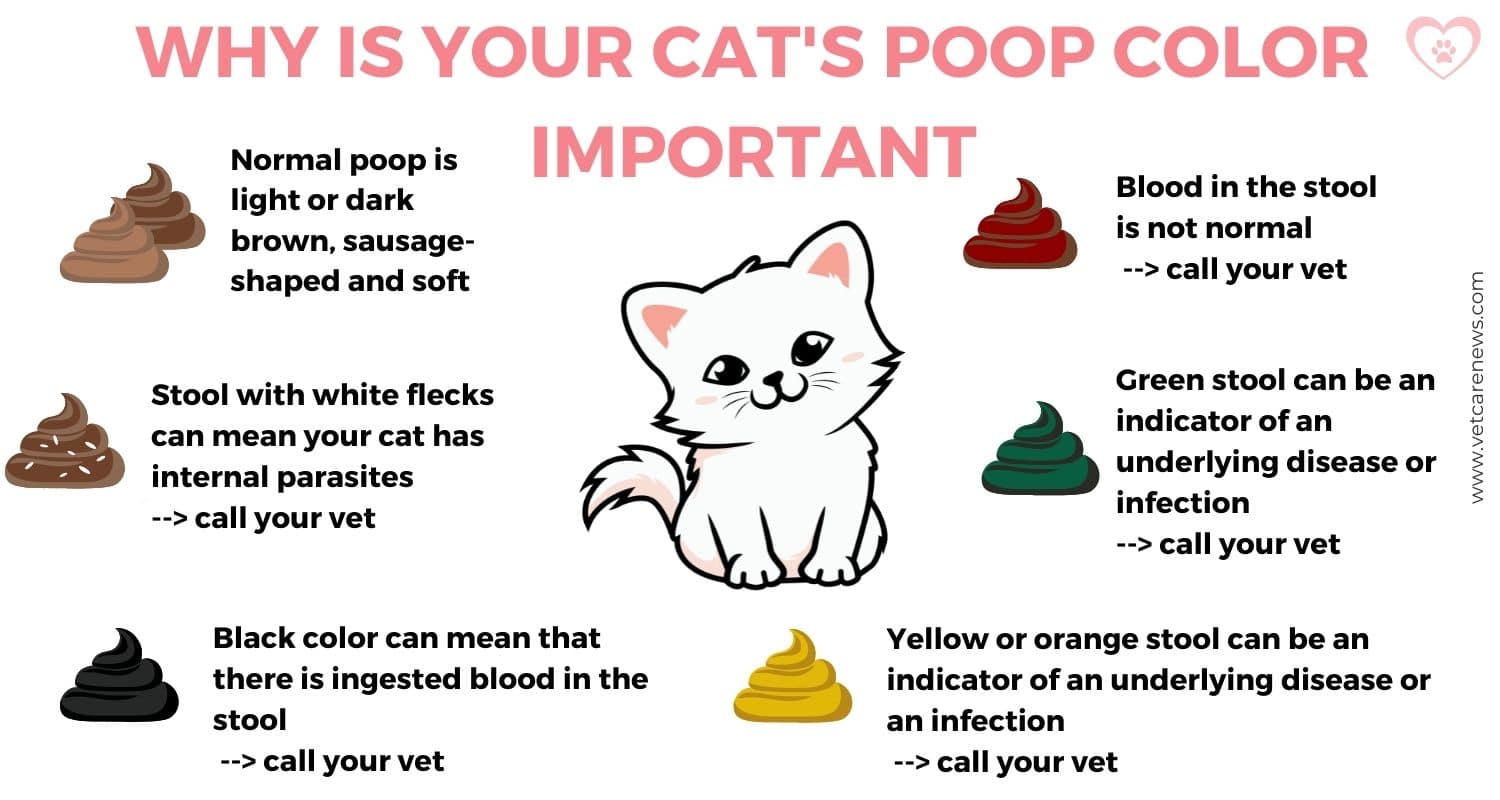
- Black, tarry stool
- Repeated vomiting, severe diarrhea, or extreme lethargy
- Pale gums, fast breathing, or collapse
- Known toxin exposure or new human meds
- A kitten, senior, or a cat with chronic disease showing blood
If your cat is bright, eating, and the blood is small and bright red, you can try short, simple care at home for 12–24 hours. Keep notes, take a stool photo, and call your vet for tailored advice.
What Can I Give My Cat For Bloody Stool? Safe at-home steps
If you’re asking, What Can I Give My Cat For Bloody Stool?, start with gentle care that supports the gut. Keep meals small, simple, and moist. Use only cat-safe options.
Try these steps for 12–24 hours, unless your vet advises otherwise:
- Hydration boost. Offer fresh water and add moisture with wet food. You can mix a tablespoon of warm, unsalted chicken broth without onion or garlic into water.
- Bland, easy meals. Feed boiled, skinless chicken or turkey with a spoon of plain white rice or plain canned pumpkin. Use small, frequent meals.
- Pumpkin or fiber. Mix 1/2 to 1 teaspoon plain canned pumpkin into food twice a day. It can help both soft stools and mild constipation. If you use psyllium, start with 1/4 teaspoon mixed into wet food once daily for 2–3 days and ensure good hydration.
- Veterinary probiotic. A cat-specific probiotic helps restore balance. Use as directed, often one sachet daily for 7–14 days. This is one of the most effective answers to What Can I Give My Cat For Bloody Stool? when colitis is mild.
- Litter box setup. Scoop often, add one extra box, and reduce stress around the box. Straining can worsen irritation.
- Calm the environment. Keep things quiet, use a feline pheromone diffuser, and stick to routine. Stress colitis is common in cats.
Do not fast adult cats for more than 12 hours, and do not fast kittens. If blood or diarrhea continues, or your cat seems off, stop home care and see your vet. If you still wonder, What Can I Give My Cat For Bloody Stool? after 24 hours, the next step is a clinic visit.
Personal note: In my work with anxious shelter cats, the combo of moisture, pumpkin, and a vet probiotic often settled mild, stress-linked blood within a day. The key was small meals, calm routines, and quick vet checks if symptoms did not improve.

What not to give a cat for bloody stool
Some human remedies harm cats. Avoid these unless your vet says otherwise.
- Pepto-Bismol, aspirin, and bismuth subsalicylate products. Many contain salicylates that are toxic to cats.
- Ibuprofen or acetaminophen. These can be deadly to cats.
- Loperamide or other anti-diarrheals. Cats are sensitive to these. Only use if your vet prescribes.
- Human antibiotics or leftover pet meds. These can make things worse and hide a serious cause.
- Spicy, fatty, or new treats. They can inflame the gut.
- Raw bones or harsh laxatives. These can injure the colon.
When in doubt, ask your vet before giving anything. The safest answer to What Can I Give My Cat For Bloody Stool? is simple food, moisture, and a cat probiotic while you plan a vet check.

Common causes of bloody stool in cats and how care differs
Bright red streaks usually mean lower bowel irritation. Black, tarry stool means bleeding higher up and is an emergency.
Frequent causes:
- Stress colitis. Changes at home, visitors, or a new pet can trigger mucus and bright red blood. Short-term bland diet and probiotics often help.
- Diet change or dietary indiscretion. A new food or rich treat can inflame the gut. Go slow with any diet switch over 7–10 days.
- Parasites and protozoa. Hookworms, Giardia, and Tritrichomonas foetus in young cats are common culprits. This needs testing and deworming by your vet.
- Constipation or hard stools. Straining can cause small tears and blood. Add moisture, fiber, and address pain or litter box issues.
- Inflammatory bowel disease or food allergy. Recurrent episodes need a vet-guided diet trial and long-term plan.
- Infections, pancreatitis, polyps, or tumors. These require a full veterinary workup.
If you’re searching What Can I Give My Cat For Bloody Stool?, the right choice depends on the cause. Simple fiber and probiotics help mild colitis. Parasites or chronic issues need targeted treatment.

When to see the vet and what to expect
Do not wait if your cat is sick, in pain, or the blood is heavy. Otherwise, book a visit within 24 hours if blood repeats or if diarrhea lasts more than a day.
Your vet may recommend:
- Fecal tests. A float or PCR panel can detect worms, Giardia, and Tritrichomonas.
- Exam and basic labs. A physical, CBC, and chemistry panel check hydration, infection, and organ health.
- Imaging. X-rays or ultrasound if pain, masses, or foreign bodies are possible.
- Targeted treatments. Dewormers, fluids, prescription GI meds, or diet therapy.
If you are still asking, What Can I Give My Cat For Bloody Stool?, a vet visit gives you exact answers and safe dosing. It also rules out dangerous causes.

Prevention and long-term gut health
A steady routine keeps feline guts happy. Small changes can help a lot.
Do this to reduce future flares:
- Keep diet consistent. Transition new foods over a week or more.
- Prioritize moisture. Use wet food, fountains, and broths without onion or garlic.
- Use a veterinary probiotic during stress. Start before travel, boarding, or home changes.
- Deworm on schedule. Indoor cats can still get parasites.
- Reduce stress. Offer hiding spots, vertical space, play, and gentle routines.
- Maintain litter box bliss. One box per cat, plus one more. Scoop daily.
- Work with your vet on food trials if episodes repeat.
When owners ask me What Can I Give My Cat For Bloody Stool? long term, my top answers are moisture, a stable diet, and a vet-approved probiotic plan during known stressors.
Frequently Asked Questions of What Can I Give My Cat For Bloody Stool?
Is bright red blood in a cat’s stool an emergency?
Small streaks with normal energy can be monitored for 12–24 hours. Black, tarry stool or a sick cat is an emergency.
What Can I Give My Cat For Bloody Stool at home right now?
Offer water, a bland meal, plain pumpkin, and a cat-specific probiotic. Keep portions small and call your vet for guidance.
Can pumpkin really help a cat with bloody stool?
Yes, fiber can soothe mild colitis or firm soft stools. Use 1/2 to 1 teaspoon plain canned pumpkin mixed into food twice daily.
Should I give my cat Pepto-Bismol or Imodium?
No. These can be harmful to cats and may mask serious problems. Use only vet-prescribed medications.
How long should I try home care before seeing a vet?
If there is no improvement in 12–24 hours, book a visit. Go sooner if your cat seems unwell, the blood is heavy, or the stool is black.
Can parasites cause blood in cat stool?
Yes. Hookworms and protozoa like Giardia and Tritrichomonas can cause bloody stools. Your vet can test and prescribe the right dewormer.
What Can I Give My Cat For Bloody Stool if it keeps happening?
Skip home fixes and see your vet for a full plan. Recurrent blood often needs a diet trial, diagnostics, and targeted treatment.
Conclusion
You have safe steps you can use today: moisture, bland food, gentle fiber, and a cat probiotic. They often ease mild cases, and they buy time while you plan next steps with your vet. If you’re still wondering What Can I Give My Cat For Bloody Stool?, the best move is a quick call to your clinic to confirm the cause and treatment.
Act now, take notes, and don’t ignore red flags. Your cat depends on you to make the call. Want more guides like this? Subscribe for vet-backed, real-world tips, or leave a comment with your questions.