


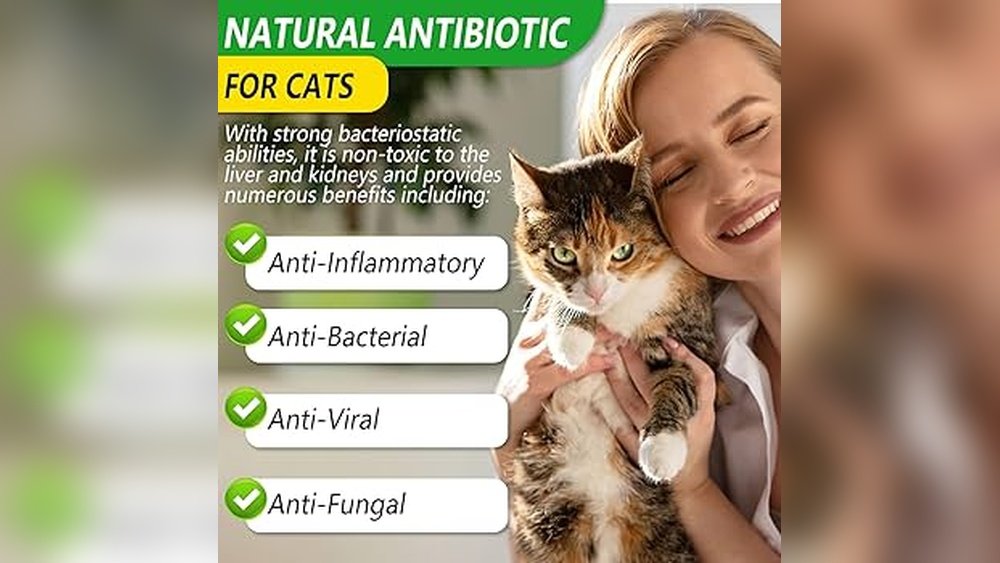


Cats are curious creatures, often exploring places that might expose them to bacteria and infections. As a cat owner, it’s natural to worry about their health, especially when you notice wounds, respiratory issues, or digestive problems. You might wonder if there’s a natural antibiotic for cats that works well without needing a vet visit. Let’s explore the safest, strongest options available, how they compare, and what you must know before trying them.
What Is A Natural Antibiotic For Cats?
A natural antibiotic is a substance found in nature—like plants, honey, or minerals—that fights bacteria. Unlike man-made antibiotics, these are not manufactured in labs but come directly from natural sources. Many people prefer them because they’re gentler on the body and less likely to cause side effects. However, they are not always as powerful as prescription medications.
The Strongest Natural Antibiotic: Manuka Honey
Among all natural remedies, Manuka honey stands out as the strongest, safest natural antibiotic for cats. It’s made by bees in New Zealand and Australia, using nectar from the Manuka bush. What makes it special is its high level of methylglyoxal, which kills bacteria and speeds up healing.
How Manuka Honey Works
- Kills harmful bacteria: Especially effective against Staphylococcus and E. coli.
- Reduces inflammation: Helps wounds heal faster.
- Creates a protective barrier: Keeps infections from spreading.
Research shows Manuka honey has stronger antibacterial effects than regular honey. According to studies, it can kill up to 85% of bacteria in wounds within 48 hours.
| Type of Honey | Antibacterial Strength | Common Uses |
|---|---|---|
| Manuka Honey | Very High | Wounds, skin infections |
| Raw Honey | Moderate | Minor cuts, mild infections |
| Processed Honey | Low | Flavoring only |
Using Manuka Honey Safely
To use Manuka honey for your cat:
- Clean the wound with warm water.
- Apply a thin layer of honey directly on the affected area.
- Cover with a sterile bandage if possible.
- Repeat 2-3 times daily.
Never let your cat lick the honey, as it’s high in sugar and can cause digestive upset. Only apply externally, and use medical-grade Manuka honey for best results.

Credit: www.walmart.com
Other Natural Antibiotics That Work For Cats
While Manuka honey is the strongest, other options can help:
- Colloidal silver: Known for fighting bacteria, viruses, and fungi. Use only in small, short-term doses.
- Oregano oil: Contains carvacrol, a powerful antibacterial compound. Must be diluted before use; never apply pure oil to skin.
- Coconut oil: Contains lauric acid, which kills bacteria and soothes skin. Works best for minor wounds and fungal infections.
| Remedy | Main Benefit | Use Case | Safety Note |
|---|---|---|---|
| Colloidal Silver | Broad antibacterial | Wounds, skin issues | Short-term only |
| Oregano Oil | Strong antibacterial | Skin infections | Always dilute |
| Coconut Oil | Soothes & fights bacteria | Minor wounds | External use only |
Comparing Natural Antibiotics Vs Prescription Medications
Natural antibiotics are appealing because they’re easy to find and use at home. Yet, they are not always as strong as prescription drugs. Here’s a quick comparison:
| Type | Strength | Side Effects | Best For |
|---|---|---|---|
| Manuka Honey | High (for skin) | Rare | Wounds, mild infections |
| Prescription Antibiotics | Very High | Possible digestive issues | Serious infections |
| Colloidal Silver | Moderate | Can build up in body | Short-term infections |
If your cat has a deep wound, fever, or stops eating, natural remedies may not be enough. Always watch for signs your cat is getting worse. In those cases, seek veterinary help immediately.


Credit: www.amazon.com
Practical Tips For Using Natural Antibiotics
- Always clean the area first: Bacteria can hide under dirt.
- Use correct dosage: Too much can cause harm, too little won’t work.
- Monitor for allergies: Watch for redness, swelling, or itching.
- Never use human antibiotics: They can poison cats.
- Don’t use internally without expert advice: Most natural remedies are safest when applied to skin.
One insight many beginners miss: Not all honey is equal. Only medical-grade Manuka honey has proven antibiotic strength. Store-bought honey may have little effect.
Another tip: Even if a natural remedy seems safe, cats can have unique reactions. Test a small amount first and observe your pet for 24 hours.
When To Avoid Natural Antibiotics
Natural remedies are not a replacement for professional care in serious situations. If your cat:
- Has a large, deep wound
- Develops a high fever
- Shows signs of poisoning or breathing trouble
- Stops eating or drinking
Contact a vet right away. Delaying proper treatment can risk your cat’s life.


Credit: www.youtube.com
Frequently Asked Questions
Is Manuka Honey Safe For All Cats?
Manuka honey is generally safe for external use. Do not let your cat eat it, as sugar can upset their stomach. Always use medical-grade honey and avoid if your cat is allergic to bee products.
Can I Use Oregano Oil On My Cat’s Skin?
Only use diluted oregano oil. Mix one drop with a tablespoon of coconut oil. Test on a small area first to check for irritation. Never use pure oil—it’s too strong.
How Often Should I Apply Natural Antibiotics To A Wound?
Apply 2-3 times daily for minor wounds. If you see no improvement within 48 hours, or if the wound gets worse, stop and contact a vet.
Are Natural Antibiotics Good For Internal Infections?
Most are not. Natural remedies are safest for skin, wounds, or minor fungal issues. Internal infections need prescription antibiotics and vet supervision.
Where Can I Find Reliable Information On Natural Cat Remedies?
Check trustworthy sources like Wikipedia for scientific studies and safety tips. Always ask a vet before starting any new treatment.
Natural antibiotics can be helpful for treating small wounds and mild infections at home. However, they are not a cure-all. Manuka honey is the strongest, safest option for external use, but it’s important to know its limits. Always watch your cat carefully and get professional help if symptoms are serious or don’t improve.
With the right knowledge, you can keep your cat safe and healthy using nature’s power.