


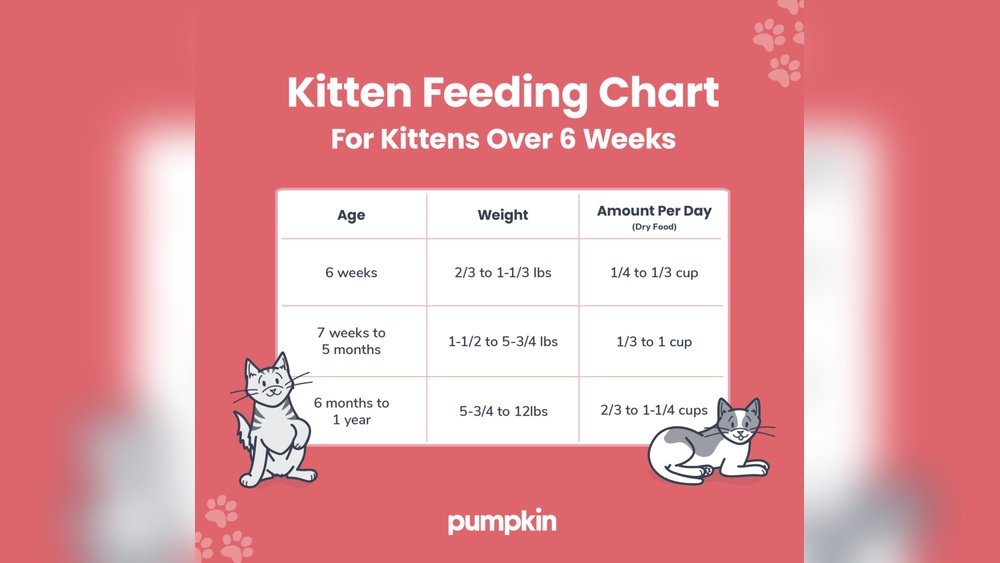


Most cat owners remember the first time their kitten tried solid food. It’s a milestone, but timing is important. Feeding solid food too early can harm a kitten’s health. Waiting too long can also cause problems. So, when do cats eat solid food?
Understanding the right age and the best practices helps kittens grow strong and healthy. Let’s dive in with clear answers and practical advice.
The First Weeks: Milk Only
Newborn kittens depend on their mother’s milk. For the first 3–4 weeks, they get all their nutrients from nursing. Mother’s milk contains the perfect balance of proteins, fats, and antibodies. If the mother isn’t available, use a kitten milk replacer—never cow’s milk, as it can cause digestive issues.
During these weeks, kittens are not ready to digest solid food. Their teeth haven’t developed, and their stomachs are sensitive. Trying to feed solid food before this stage can lead to malnutrition or diarrhea.
Transition To Solid Food
At about 4 weeks old, kittens start showing interest in their mother’s food. This is the ideal time to introduce solid food. But don’t switch suddenly—gradual change is key.
How To Start
- Mix kitten formula with wet food to create a soft, soupy texture.
- Offer this mixture in a shallow dish.
- Place the kitten near the dish. Some kittens may need encouragement—dab a bit on their mouth.
- Over the next week, gradually increase the amount of solid food and decrease the milk.
Most kittens begin eating solid food around 4–5 weeks old. By 8 weeks, they should be eating solid food exclusively.
| Kitten Age | Type of Food | Feeding Frequency |
|---|---|---|
| 0–3 weeks | Mother’s milk / Kitten formula | Every 2–3 hours |
| 4–5 weeks | Milk + Wet kitten food | 4–6 times daily |
| 6–8 weeks | Wet/Dry kitten food | 3–4 times daily |

Credit: www.gabinetedelaorden.com
Choosing The Right Solid Food
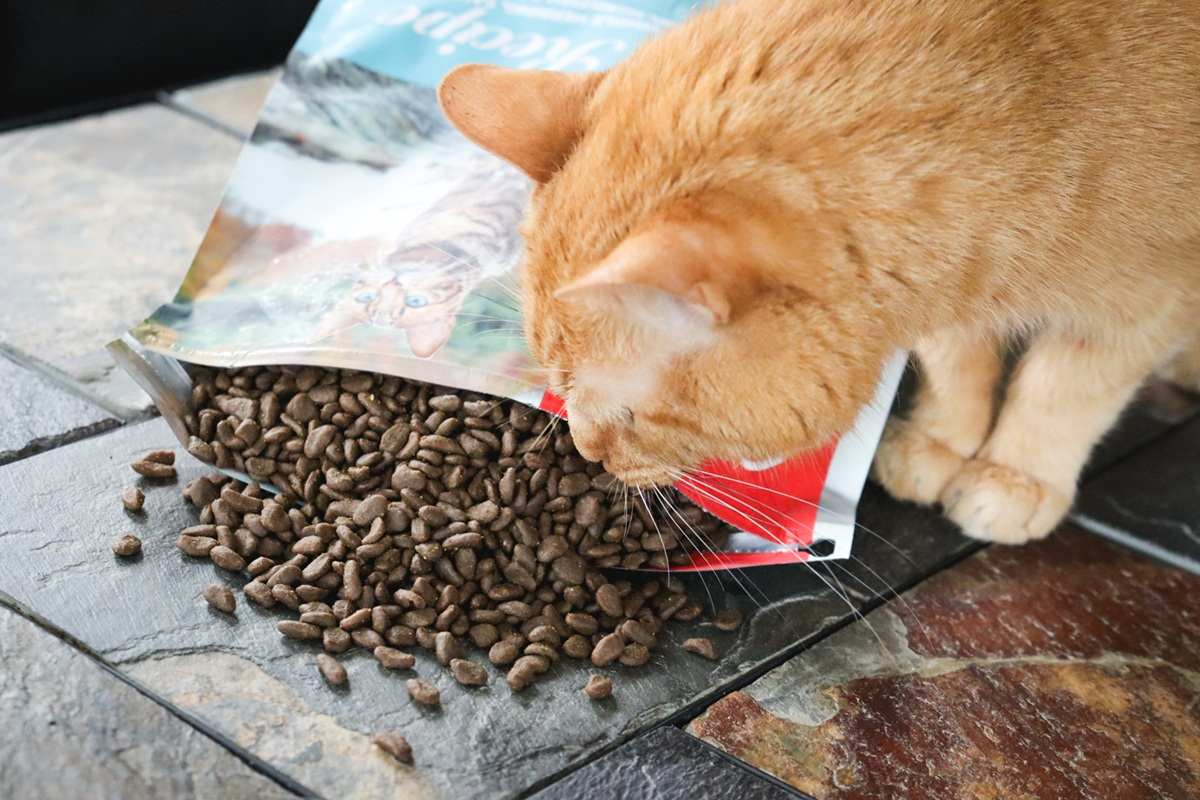
Not all solid foods are equal. Kitten food is specially formulated for growth. It contains higher protein, fat, and calories than adult cat food. Choose wet food or soften dry food with water at first.
Avoid generic or adult cat foods—they don’t support kitten development. Look for foods with clear labeling for kittens. If you’re unsure, ask your vet.
| Food Type | Protein Content | Recommended Age |
|---|---|---|
| Kitten Wet Food | 10–12% | 4–8 weeks |
| Kitten Dry Food | 30–35% | 6+ weeks |
| Adult Cat Food | 25–30% | 8+ months |
Signs Your Kitten Is Ready
Some kittens need more time. Here are signs your kitten is ready for solid food:
- Teeth are growing in (around 4–5 weeks)
- Interest in mother’s food
- Able to lap up liquid or soft food
- Weight gain is steady
If your kitten seems uninterested or struggles, wait a few days and try again.

Credit: www.ccfamct.us
Common Mistakes To Avoid
Many new owners make mistakes during the transition. Here are some to watch for:
- Switching too quickly – Kittens need time to adjust. Sudden changes can upset their stomach.
- Feeding adult food – Adult formulas lack key nutrients for kittens.
- Not enough moisture – Early solid food should be moist. Dry food alone can cause dehydration.
- Overfeeding – Kittens have small stomachs. Small, frequent meals are better.
A less obvious mistake is using cow’s milk. Many people think all milk is the same, but cow’s milk can cause digestive upset in kittens. Always use a formula made for cats.
Practical Feeding Tips
Feeding kittens can be messy. Here are some tips:
- Use shallow dishes for easy access.
- Warm the food slightly to enhance smell.
- Clean dishes after every meal to avoid bacteria.
- Monitor weight weekly—healthy kittens gain 10–15 grams per day.
Another insight: kittens explore food with their paws and nose. Don’t worry if they play more than eat at first. This is a normal part of learning.
When To Transition To Dry Food
Most kittens are ready for dry food by 6–8 weeks. Start by soaking dry food in warm water. Once kittens can chew easily, offer dry food alone. Always provide fresh water.
| Transition Stage | Food Texture | Duration |
|---|---|---|
| Initial | Soupy mixture | 1 week |
| Intermediate | Softened food | 1–2 weeks |
| Final | Dry food | Ongoing |
Health Considerations
Solid food is important, but watch for signs of problems:
- Diarrhea or vomiting
- Refusal to eat
- Weight loss
- Lethargy
If you see these, consult a vet. Some kittens have food allergies or digestive issues. Early detection makes a big difference.
For more detailed kitten care guidelines, visit ASPCA Cat Nutrition Tips.

Credit: ackroydlegal.com
Frequently Asked Questions
When Do Kittens Start Eating Solid Food?
Kittens usually start eating solid food at 4 weeks old. They transition fully by 8 weeks.
Can I Feed Dry Food To A 5-week-old Kitten?
Only if it’s softened with water or formula. Dry food alone is too hard for young kittens.
How Many Times Should I Feed My Kitten?
Young kittens need food 4–6 times a day. As they grow, reduce to 3–4 meals daily.
Is It Safe To Give Cow’s Milk?
No. Cow’s milk often causes diarrhea. Use kitten formula or mother’s milk.
What If My Kitten Refuses Solid Food?
Try offering different textures or warming the food. If refusal continues, check for health issues or consult a vet.
Getting the timing right when feeding solid food can change your kitten’s life. Start at 4 weeks, make the transition slow, and watch for signs of readiness. Avoid common mistakes, and choose the right food for growth. With patience and care, your kitten will grow into a strong, healthy cat.