

The English Bulldog most often tops lists for the highest overall health burden.
If you are weighing Which Dog Breed Has The Most Health Problems?, you want clear facts and calm guidance. I have spent years helping owners and foster groups sort this out. In this guide, I break down data, breed risks, and simple steps you can use today. Keep reading to learn which breeds struggle most, why it happens, and how to choose and care with confidence.

Source: arloren.com
How we define “most health problems”
When we ask Which Dog Breed Has The Most Health Problems?, we need a fair way to measure it. Vets look at claim rates, surgery needs, lifespan, and quality of life. Breed club surveys and insurance data add more detail. Together, they show a pattern.
Across regions, one breed stands out. The English Bulldog often shows the highest total risk. Many need airway help, skin care, eye care, and C-sections. That broad set of issues is why many experts point to Bulldogs when asked Which Dog Breed Has The Most Health Problems?.

Source: microcomenviro.com
Breeds with the highest health burdens: facts and examples
Here is what I see in clinics, rescues, and data sets. It is not about blame. It is about planning and care.
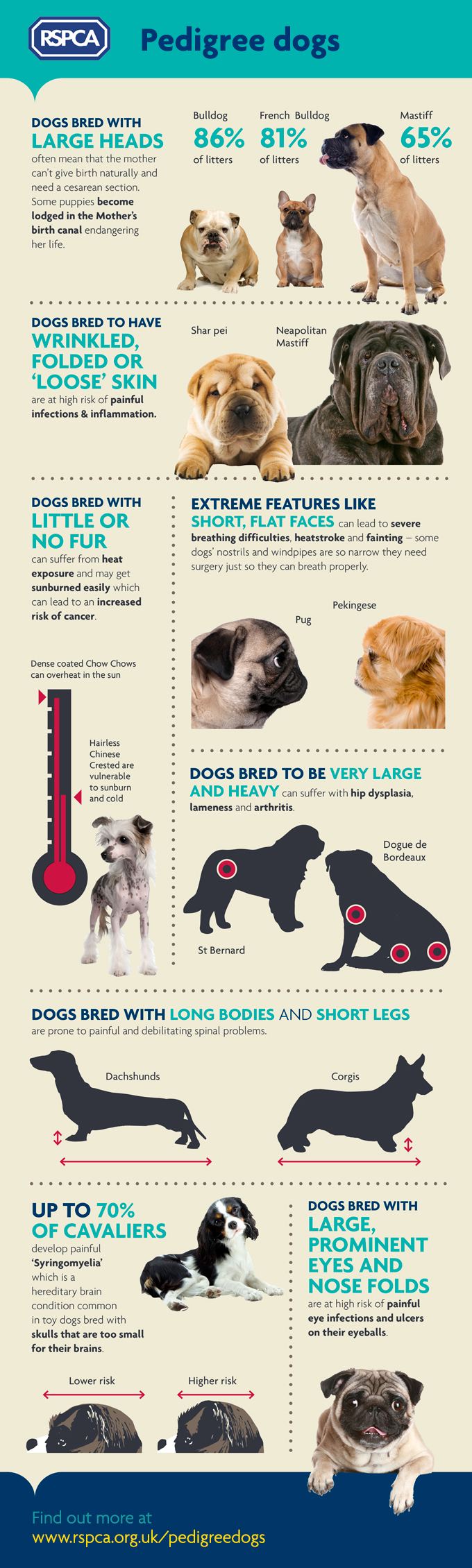
- English Bulldog. Common issues include brachycephalic airway syndrome, skin fold infections, eye ulcers, cherry eye, hip and elbow trouble, heat stress, dental crowding, and birth by C-section. Many need airway surgery to live well.
- French Bulldog. High risk for airway disease, spinal issues, skin allergies, ear infections, and eye injuries. Insurance reports often show higher than average claim rates.
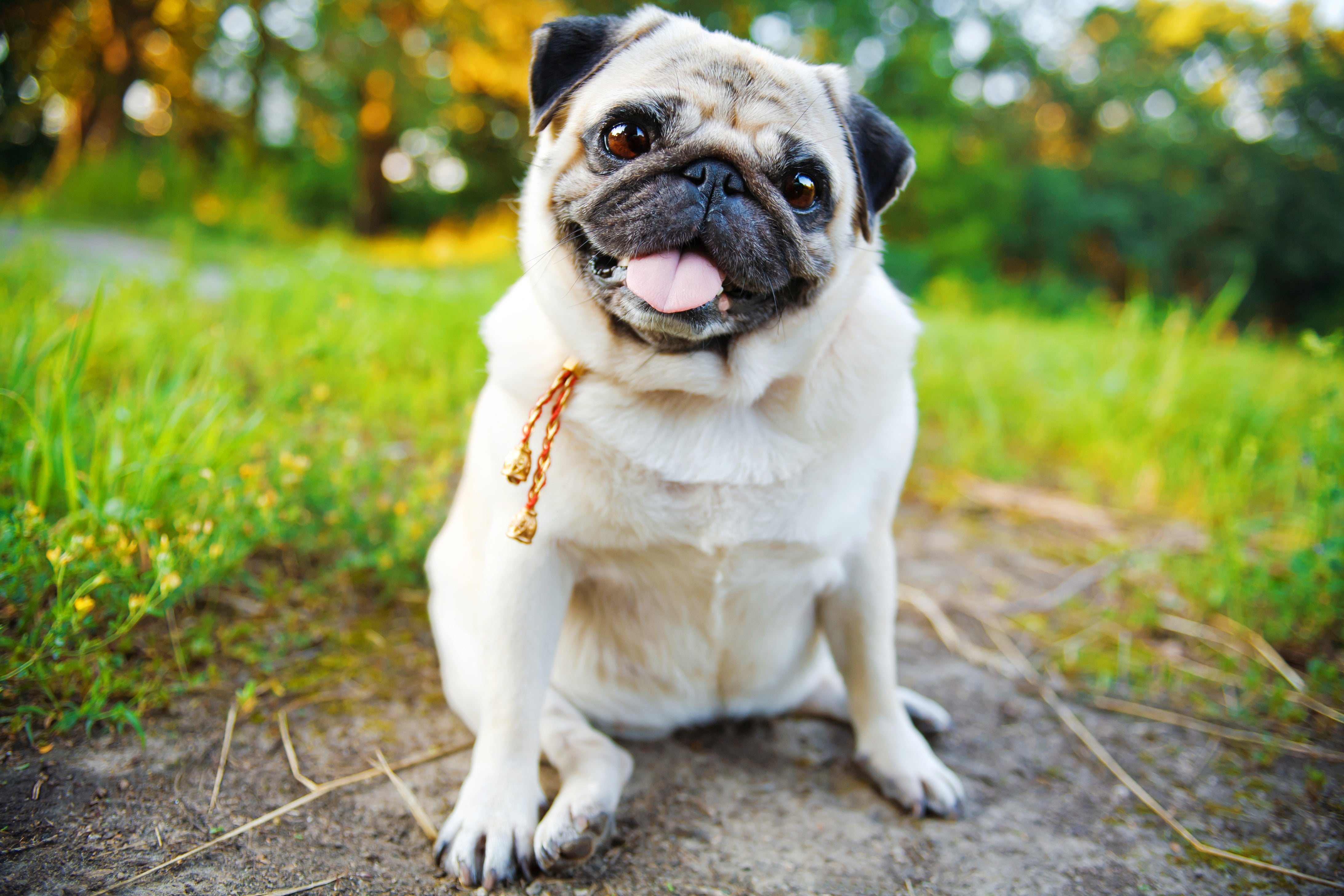
- Pug. Airway disease, eye ulcers, hemivertebrae, obesity, and dental issues are common. Weight control is vital for breathing.
- Cavalier King Charles Spaniel. Mitral valve disease is the big one. Syringomyelia and eye disease can occur. Early heart screening helps.
- Dachshund. Intervertebral disc disease is common due to long backs. Ramps and weight control reduce risk.
- Great Dane. Bloat and heart disease are the major concerns. Slow growth and raised bowls by vet advice can help.
- German Shepherd Dog. Hip and elbow dysplasia, allergies, and degenerative myelopathy may appear. Choose good hip and elbow scores.
- Shar-Pei. Skin, ear, and eye issues are frequent. Periodic fevers can occur.
When people ask Which Dog Breed Has The Most Health Problems?, the English Bulldog and the French Bulldog are usually at the top. Pugs and Cavaliers are close behind in many reports.

Source: bellaandduke.com
Why some breeds struggle: genetics, shape, and breeding choices
The honest answer to Which Dog Breed Has The Most Health Problems? ties back to genetics and body shape. Short skulls can narrow airways. Loose skin creates moist folds for bacteria. Long backs strain the spine. Giant size adds heart and bloat risk.
Small gene pools raise the odds for hidden disease. Popular-sire effects can spread bad genes wide and fast. Some Bulldogs and Frenchies need C-sections because puppies’ heads are large. Careful selection can lower risk, but it takes time and teamwork.

Source: co.uk
How to choose a healthier puppy or adult
If you still love a high-risk breed, you can stack the odds in your favor. Use this checklist when the question “Which Dog Breed Has The Most Health Problems?” is on your mind.
- Ask for test results. Examples: heart exams for Cavaliers, hip and elbow scores for large breeds, eye exams for brachycephalic breeds.
- Meet the parents. Check breathing at rest and after a short walk. Look for clear eyes and smooth skin.
- Avoid extremes. Choose moderate muzzles and body shapes. Middle-of-the-road features often age better.
- Get a health contract. Look for return terms, support, and a written plan.
- Consider adoption. Rescues often know each dog’s needs and can guide you.
A good breeder or rescue will welcome your questions. They want the dog to thrive with you.

Source: microcomenviro.com
Preventive care for at-risk breeds
Preventive care can change the story. It will not erase risk, but it can cut harm. It also helps answer Which Dog Breed Has The Most Health Problems? with a plan, not fear.
- Airway care. Keep weight lean. Use a harness, not a neck collar. Ask the vet about early airway checks and, if needed, surgery.
- Heat safety. Brachycephalic dogs need shade, AC, and short walks. Skip mid-day heat.
- Skin and eyes. Clean folds daily. Use vet-approved wipes. Watch for redness or squinting.
- Spine health. For Dachshunds, use ramps and block stairs. No high jumps. Keep nails short.
- Heart care. Cavaliers need routine cardiac exams. Start early and follow the plan.
- Bloat steps. For deep-chested breeds, feed measured meals. Ask your vet about a gastropexy at spay/neuter.
- Dental care. Daily brushing fights gum disease in small and flat-faced breeds.
Build a budget. High-risk breeds can face higher costs. Pet insurance or a savings fund can ease the load.
Source: co.uk
Real-world snapshots and lessons learned
I have fostered flat-faced dogs that arrived tired and snoring. After weight loss and airway surgery, one Bulldog could jog a gentle mile and finally sleep in peace. That single fix gave him a new life.
I have seen a Dachshund avoid a second disc injury thanks to ramps, core work, and slow, steady walks. A Cavalier I met lived long after an early heart scan set a smart treatment plan. Stories like these guide how I answer Which Dog Breed Has The Most Health Problems?: risk is real, but smart care matters.

Source: houndsy.com
Data notes and limits you should know
“Which Dog Breed Has The Most Health Problems?” is a moving target. Popularity shifts change what vets see. New tests also change risk maps. Insurance data can be skewed by who buys policies.
Lines within a breed can differ a lot. Country rules and breeder goals vary. Mixed-breed dogs can inherit issues too. This is why Which Dog Breed Has The Most Health Problems? is best answered with both data and your vet’s view of your dog.
Source: org.uk
Frequently Asked Questions of Which Dog Breed Has The Most Health Problems?
Is the English Bulldog the unhealthiest breed?
Many sources rank the English Bulldog at or near the top for overall issues. Airway, skin, eye, joint, and birth risks add up to a heavy load.
Are French Bulldogs healthier than English Bulldogs?
French Bulldogs tend to have slightly fewer issues than English Bulldogs, but they still face many risks. Airway, skin, and spinal problems are common.
Do mixed-breed dogs avoid all health problems?
No, mixed-breed dogs can still inherit disease. But a broader gene pool may reduce the odds of some recessive issues.
Which Dog Breed Has The Most Health Problems if I live in a hot climate?
Brachycephalic breeds struggle more in heat. Bulldogs, Frenchies, and Pugs face higher heat stress risk due to narrow airways.
Can careful breeding fix these problems?
Careful, long-term selection can lower risk. Breeders who screen, choose moderate traits, and share data make the fastest gains.
Are Cavaliers always going to get heart disease?
Not always, but the risk is high. Early screening and breeding from heart-healthy lines help a lot.
What early signs mean I should see a vet now?
Fast breathing at rest, blue gums, repeated eye squinting, sudden back pain, or collapse are urgent signs. Call your vet right away.
Conclusion
When people ask Which Dog Breed Has The Most Health Problems?, the English Bulldog is the most frequent answer. French Bulldogs, Pugs, and Cavaliers also carry high risk. Shape, genes, and breeding choices drive much of it, but good care changes outcomes.
Choose moderate traits, ask for test results, and work with your vet early. Build a simple care plan and a budget that matches your breed. If this helped, share it with a friend, subscribe for more guides, or leave a question so I can help you plan your next step.