

Deciding which pet insurance is the best depends on your animal’s age, breed, and health. You must compare annual deductibles and reimbursement percentages to find the right policy for you.
The short version
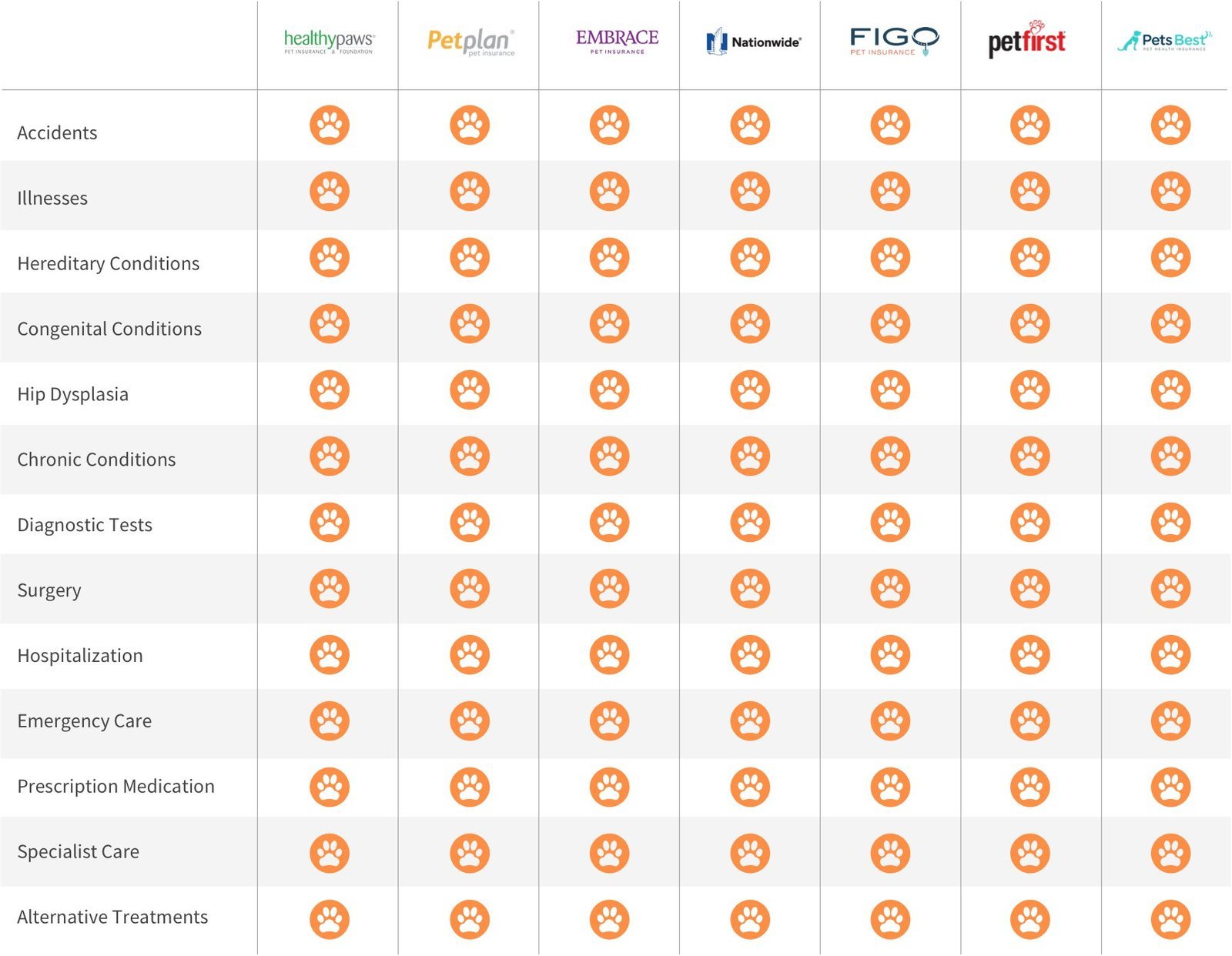
- Prioritize plans that offer direct payment to your veterinarian to avoid out-of-pocket costs.
- Check the policy for “per-incident” vs “annual” deductible structures; annual is usually better for chronic conditions.
- Always read the fine print for pre-existing condition exclusions, as these are generally not covered, though some providers may cover ‘curable’ conditions after a symptom-free period.
- Review the reimbursement percentage, which typically ranges from 70% to 90% of your total vet bill.
- Verify if the plan covers hereditary conditions, which vary greatly by breed and age of the animal.
Why coverage details vary by provider
The quality of a policy depends on the specific underwriting rules of the insurance company rather than their brand name. Most providers use actuarial tables to determine premiums based on your pet’s species, breed, and geographic location. Because these variables change for every household, the “best” policy for a young, healthy puppy is often different from the one needed for a senior cat with ongoing health issues.
You should always verify the specific coverage limits listed in the policy summary, as these documents are legally binding contracts. According to the National Association of Insurance Commissioners, pet insurance is a property and casualty product, meaning it doesn’t follow the same federal mandates as human health insurance. This explains why some plans exclude congenital defects or bilateral conditions like cruciate ligament tears. If you’re unsure about a specific exclusion, check your policy’s declaration page or contact the insurer directly for a list of covered diagnostic procedures.
When the answer is different
| Situation | What changes | What to do instead |
|---|---|---|
| Multiple pets | Multi-pet discounts apply | Bundle all pets together |
| Rare breeds | Genetic risk factors rise | Select plans with hereditary coverage |
| Budget constraints | Deductible and payout levels | Choose higher deductibles for lower premiums |
How to do it properly
- Gather your pet’s full medical history from your primary veterinarian to identify any past diagnoses or ongoing treatments before you apply for coverage.
- Request quotes from three different providers using identical deductible and reimbursement settings to ensure you’re comparing the same level of financial protection.
- Examine the “exclusions” section of each sample policy, specifically looking for how they define hereditary, congenital, and chronic conditions for your specific breed.
- If you have a young pet, evaluate whether wellness add-ons provide actual savings compared to paying for routine care out-of-pocket, as these plans often have strict annual payout caps.
- Check the “waiting period” on the policy, which is the time after you sign up before coverage starts; this usually lasts 14 days for illnesses.
- Submit your claims through the provider’s mobile app or portal immediately after your visit to ensure the fastest possible reimbursement for your covered expenses.
The mistakes that ruin it
- Waiting until your pet shows signs of illness to buy insurance, which results in that condition being permanently excluded as pre-existing.
- Selecting the lowest monthly premium without checking the deductible, which leaves you paying the full bill during a medical emergency.
- Ignoring the “bilateral exclusion” clause, which can leave you responsible for the cost of a second knee surgery if the first one was covered.
- Failing to update the insurer when you move, as your premiums are calculated based on the local cost of veterinary care in your area.
Frequently asked questions

Can I get coverage for a pet with a pre-existing condition?
No, insurance companies don’t cover conditions that existed before the policy start date or during the waiting period. You should check your specific policy documents for the definition of “pre-existing” as it relates to your pet’s medical history.
How long do I have to wait for coverage to start?
Most policies have a waiting period of 14 days for illnesses and 2 to 5 days for accidents. Always check the policy label to see if your specific insurer has different waiting periods for orthopedic conditions like hip dysplasia.
Is it safe to buy insurance from a new company?
Yes, provided the company is licensed to operate in your state. You can verify the financial strength and licensing of any insurance provider through your state’s Department of Insurance website to ensure they’re legally authorized to pay claims.
What happens if my vet doesn’t accept my insurance?
Most pet insurance plans work on a reimbursement model where you pay the vet directly and then send the receipt to the insurer. This means you can use any licensed veterinarian, regardless of whether they are “in-network” with the insurance company.
Which pet insurance is the best for your needs?
Yes, it matters because different companies have different rules for how they handle rate increases as your pet ages. You should review the policy’s renewal terms to see how premiums change over time as the animal gets older.
How much should I expect to pay monthly?
Prices vary by breed, age, and location, often ranging from an affordable monthly fee to a more significant investment. You must input your pet’s specific details into the provider’s online quote tool to get an accurate number for your current situation.
Final Thoughts
Ultimately, the peace of mind you gain is worth the effort of choosing a plan that fits your budget. Don’t wait until an emergency happens to start your search. Reach out to a few providers for personalized quotes today so you’re prepared whenever your furry friend needs a little extra care.
Related guides