
Many cat owners wonder why vets often suggest dry food for their feline friends. Cats are known for being picky eaters, and with so many options—wet, raw, homemade—it’s easy to get confused. Yet, dry food keeps coming up in vet recommendations. There are practical reasons for this advice, and understanding them can help you make smarter choices for your cat’s health.
Why Dry Food Is Popular Among Vets
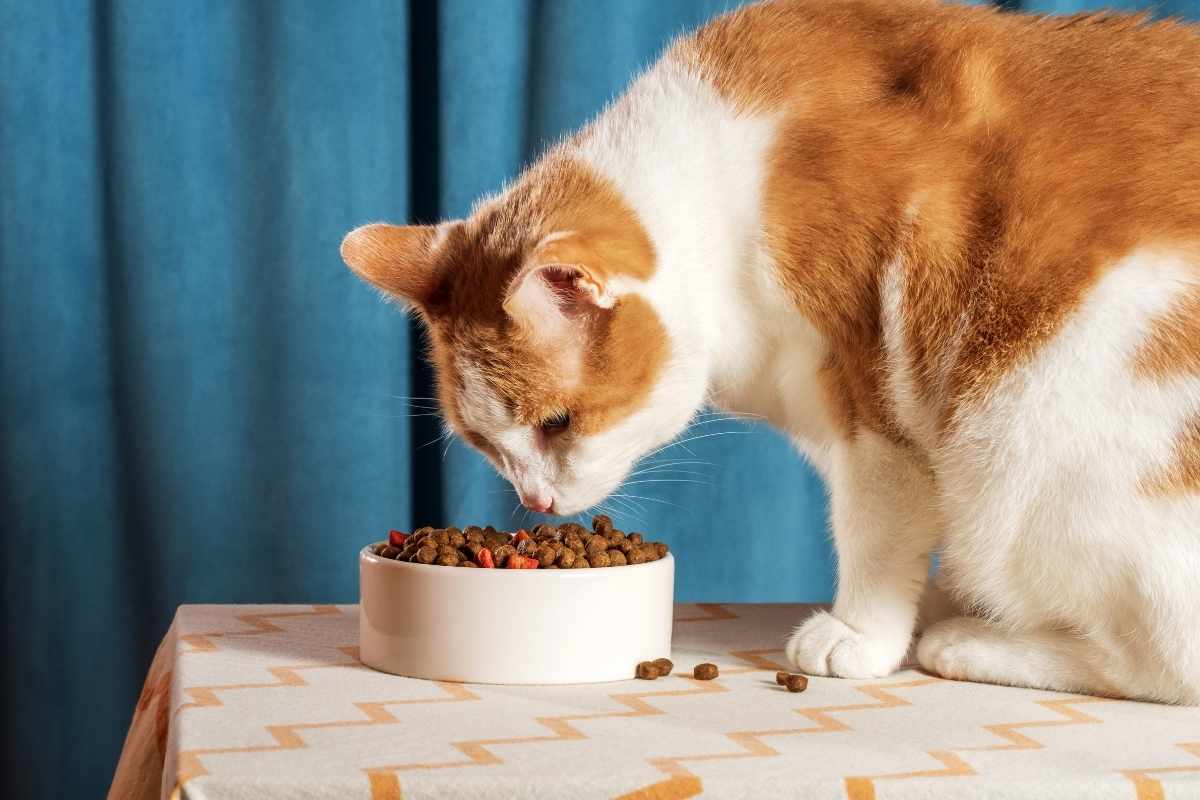
Most vets recommend dry food because it’s convenient and meets the nutritional needs of many cats. Dry kibble is easy to store, does not spoil quickly, and is usually less expensive than wet food. This makes it a practical choice for busy pet owners.
Another advantage is dental health. While dry food is not a replacement for regular dental care, the crunchy texture can help reduce plaque. Some special dental formulas even help clean teeth as the cat chews.
Comparing Dry And Wet Cat Food
To see why dry food stands out, let’s compare it with wet food on a few key points:
| Feature | Dry Food | Wet Food |
|---|---|---|
| Storage | Room temperature | Needs refrigeration after opening |
| Shelf Life | Long | Short |
| Cost | Usually lower | Usually higher |
| Dental Benefits | Some | None |
Credit: www.southkendall.com
What Nutrients Do Cats Need?
Cats are obligate carnivores, meaning they must eat animal protein to survive. Most quality dry foods are carefully balanced to give the right mix of:
- Protein (from chicken, fish, etc.)
- Fats
- Vitamins and minerals
- Taurine, a vital amino acid
Some dry foods even include added fiber, which helps with digestion and hairball control.
A closer look at two sample dry cat foods shows the typical nutrient breakdown:
| Nutrient | Brand A (per 100g) | Brand B (per 100g) |
|---|---|---|
| Protein | 34g | 32g |
| Fat | 14g | 16g |
| Fiber | 3g | 4g |
| Moisture | 8g | 9g |
Common Misunderstandings
One thing people often miss is that not all dry foods are equal. Cheaper options may have fillers like corn or wheat. Always check the label for real meat as the first ingredient.
Another point: Dry food has less water than wet food. Cats on dry diets need access to fresh water at all times to avoid dehydration.
For more detail on feline nutrition, see this Cornell Feline Health Center resource.

Credit: www.kwikpets.com
Frequently Asked Questions
Is Dry Food Enough For My Cat?
Yes, quality dry food can meet all nutritional needs, but some cats may benefit from a mix of dry and wet food for variety.
Does Dry Food Clean My Cat’s Teeth?
It helps reduce plaque, but it’s not a substitute for brushing or professional dental care.
Can Kittens Eat Dry Food?
Yes, but choose a formula made for kittens, as they need extra nutrients for growth.
How Much Dry Food Should I Feed?
Follow the package guidelines and adjust based on your cat’s age, size, and activity level.
What If My Cat Won’t Drink Water?
Try a cat water fountain or add a little wet food to the diet to increase moisture intake.