
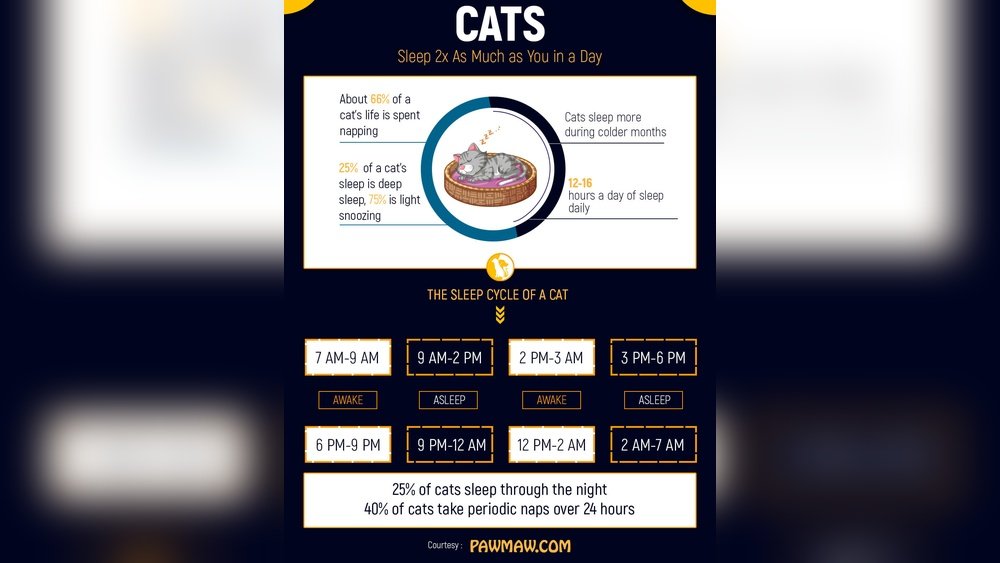

Many cat owners worry when their pet starts eating less and sleeping more. These changes may seem small, but they can signal something important about your cat’s health. It’s easy to miss the early signs, especially if you’re busy or your cat is independent. Understanding what these behaviors mean can help you take better care of your furry friend.
Common Reasons Cats Eat Less And Sleep More
Cats are creatures of habit. When their routines change, it’s often a sign that something is wrong. Here are the most common reasons for these changes:
1. Age-related Changes
As cats get older, they naturally slow down. Senior cats often sleep longer and have a smaller appetite. Their metabolism drops, so they need less food. If your cat is over 10 years old, some increase in sleep and decrease in eating is expected. However, sudden changes are not normal.
2. Illness
Many illnesses cause cats to eat less and sleep more. Examples include:
- Kidney disease: Very common in older cats, leading to less hunger and more fatigue.
- Diabetes: Causes lethargy, appetite changes, and sometimes increased thirst.
- Dental problems: Painful teeth or gums make eating difficult.
- Infections: Fever or pain often results in low energy and appetite.
Even mild illness can change your cat’s routine. If your cat shows other signs like vomiting, diarrhea, or weight loss, see a vet as soon as possible.
3. Stress Or Anxiety
Cats are sensitive to changes in their environment. Moving homes, loud noises, new pets, or changes in routine can cause stress. Stress often leads to reduced eating and excessive sleeping. Cats may hide and sleep to avoid the stressful situation.
4. Poor Nutrition
Low-quality cat food or sudden diet changes can affect your cat’s appetite and energy. Cats need a balanced diet rich in protein, fat, and essential vitamins. If their food lacks these, they may feel tired and uninterested in eating.
5. Environmental Factors
Temperature and season can affect cats. In hot weather, cats often eat less and sleep more to conserve energy. If your cat’s behavior changes only during certain months, it might be normal. Still, keep an eye out for other symptoms.
How To Tell If It’s Serious
Sometimes, eating less and sleeping more are temporary. But there are signs you should never ignore.
| Normal Behavior | Warning Signs |
|---|---|
| Slow changes in sleep or appetite | Sudden drop in eating or energy |
| Sleeping more but still playful | Not interested in play or interaction |
| Eating less but still maintaining weight | Rapid weight loss or gain |
| Normal bathroom habits | Vomiting, diarrhea, or urination changes |
If your cat shows warning signs, contact your veterinarian quickly. Early action can make a big difference.
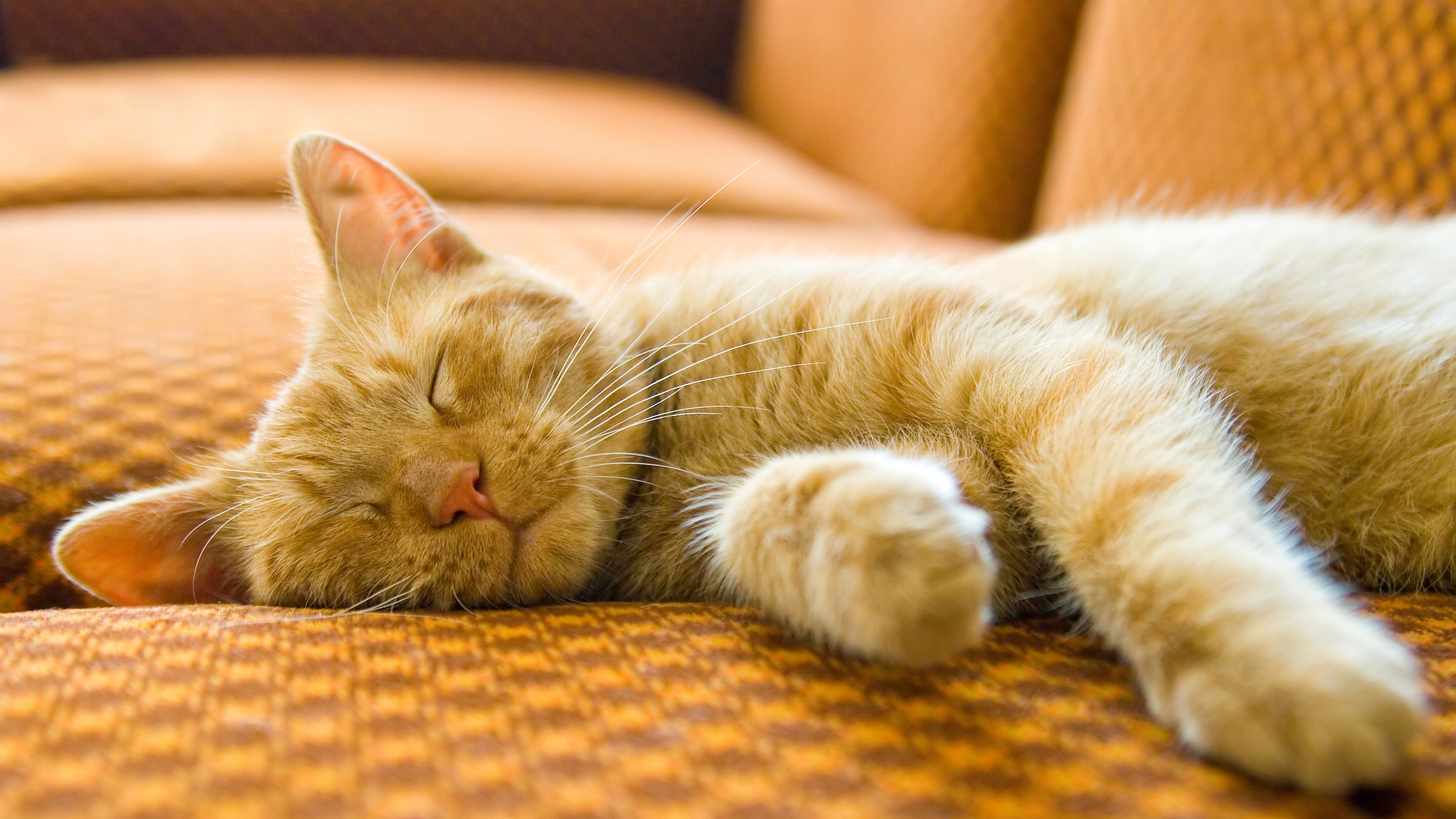
Credit: www.vets4pets.com
What You Can Do At Home
You don’t have to wait for a vet visit to help your cat. Here are practical steps:
- Monitor your cat’s food intake and sleep. Write down any changes.
- Check for hidden injuries. Gently feel your cat’s body for lumps or sore spots.
- Try different foods. Sometimes, cats get bored or dislike certain flavors.
- Keep the environment calm. Reduce loud noises and sudden changes.
- Make sure your cat’s water bowl is always full and clean.
If your cat refuses food for more than 24 hours, it’s urgent. Cats can develop liver problems if they don’t eat.
When To Visit The Vet
It’s not always easy to know when to seek professional help. Here’s a quick comparison to help you decide:
| Situation | Action |
|---|---|
| Cat eats less for 1 day, no other symptoms | Monitor at home |
| Cat eats less for 2+ days, sleeps more | Call your vet |
| Cat stops eating completely | Visit vet immediately |
| Other symptoms (vomiting, diarrhea, limping) | Visit vet immediately |
Many cat owners wait too long, thinking their cat will “bounce back. ” Cats hide illness well, so it’s better to be safe.
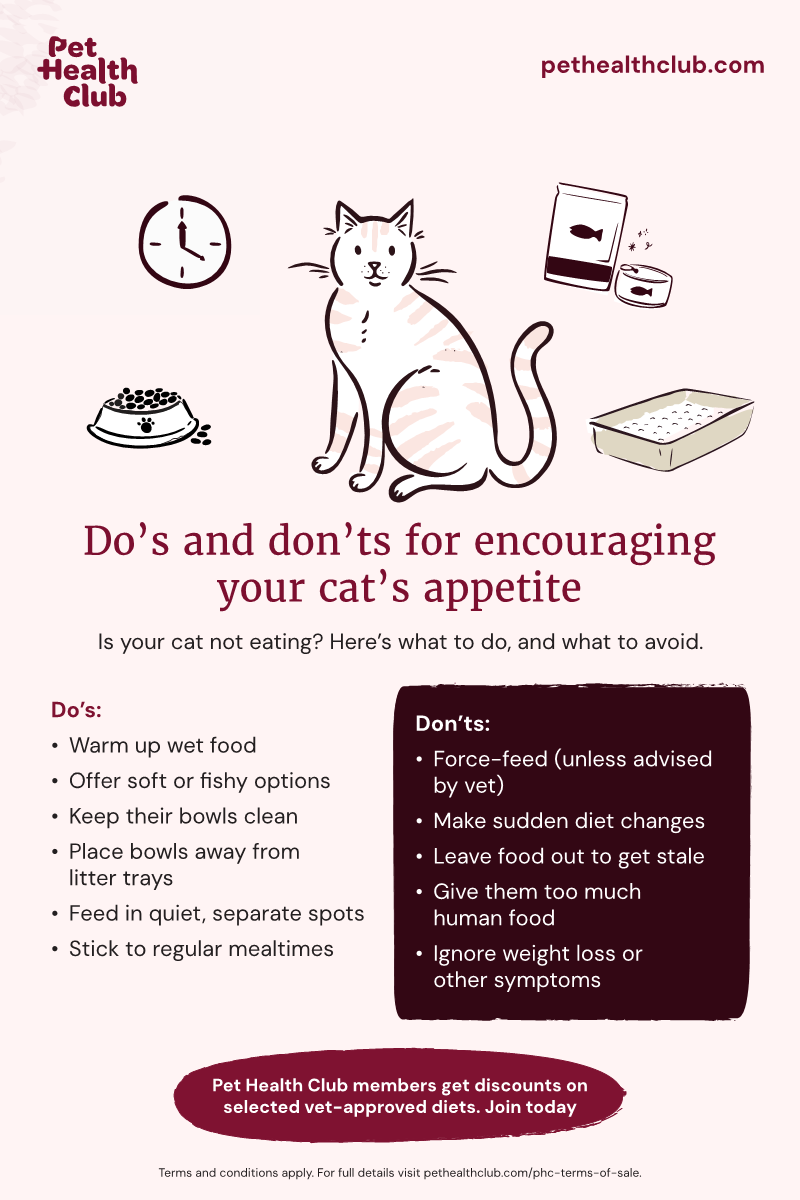
Credit: www.pethealthclub.com
Practical Tips For Prevention
You can help keep your cat healthy with a few simple habits:
- Feed your cat high-quality food suited for their age and health.
- Schedule regular vet checkups—at least once a year.
- Keep your cat’s living space clean and safe.
- Give your cat mental stimulation with toys and playtime.
- Watch for behavior changes and act early.
Don’t ignore small changes. Early intervention can prevent serious health issues.
Non-obvious Insights
Most people focus only on food and sleep. But hydration is equally important. Cats often drink less when they’re sick, making problems worse. Also, cats can develop silent illnesses like hyperthyroidism, which don’t always show clear symptoms at first. Blood tests at the vet can catch these early.
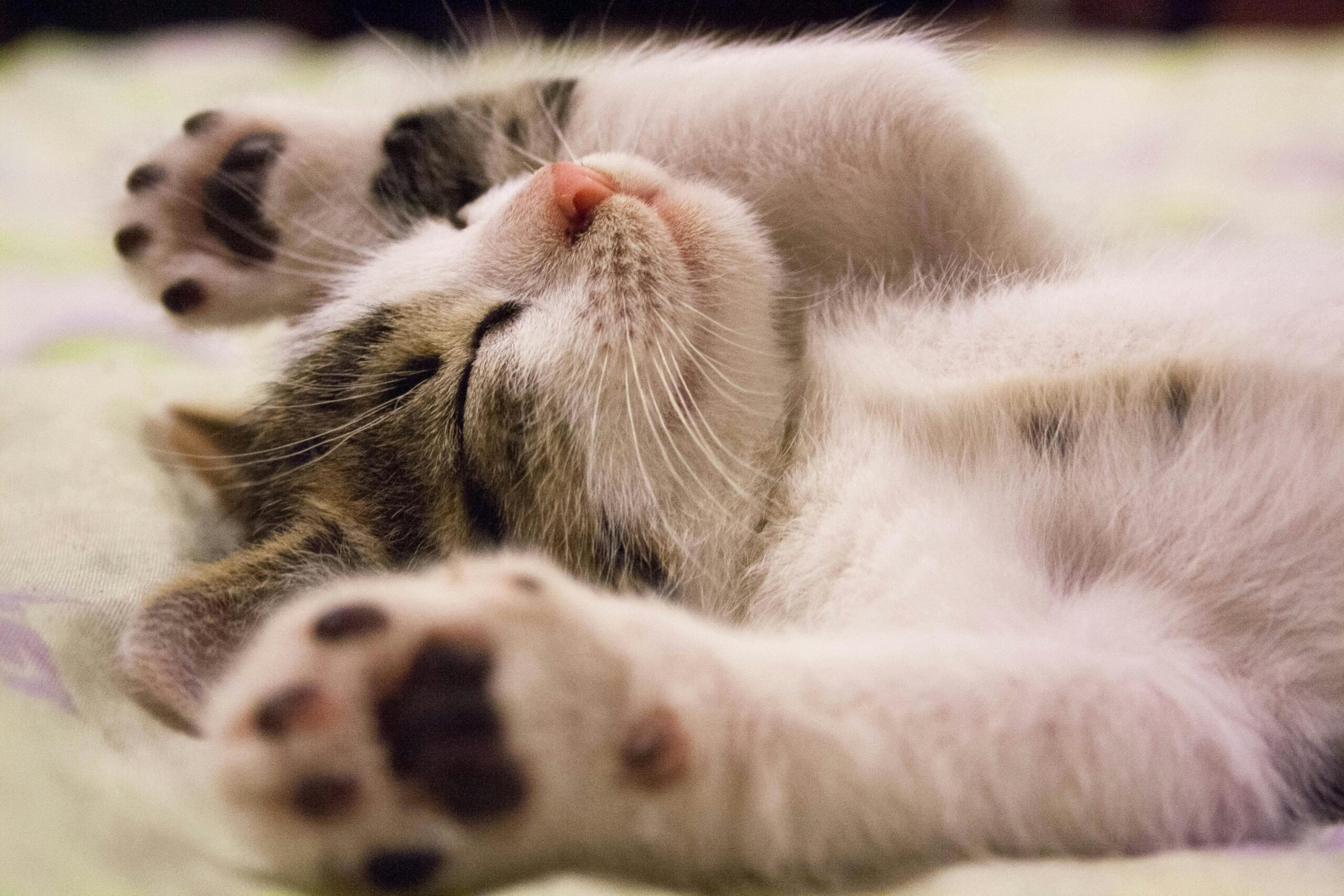
Credit: www.lemonade.com
Frequently Asked Questions
Why Is My Cat Eating Less But Still Active?
If your cat is eating less but remains playful and alert, it may be a minor issue like boredom with food or a mild stomach upset. Try changing the flavor or brand and monitor for other symptoms.
Can Stress Cause My Cat To Sleep More?
Yes, stress is a common cause of increased sleep in cats. Moving homes, new pets, or loud noises can make your cat anxious. Providing a quiet, safe space can help.
How Long Can A Cat Go Without Eating?
Healthy adult cats should not go without food for more than 24 hours. After that, the risk of liver damage increases. Kittens should eat even more often.
Should I Change My Cat’s Food If They Eat Less?
Changing food can help if your cat is bored or dislikes their current food. Try a new flavor or brand, but make changes gradually to avoid upset stomachs.
What Tests Will The Vet Do If My Cat Is Eating Less?
The vet may do a physical exam, blood tests, and check for dental issues. If needed, they may recommend urine tests or X-rays. More information on cat health exams is available from ASPCA.
Caring for a cat is rewarding, but it takes attention and action. If you notice your cat eating less and sleeping more, don’t wait—monitor, make changes, and talk to your vet if needed. Early care keeps your cat happy and healthy for years to come.