
Many cat owners are surprised to see their feline friends fascinated by water. You might find your cat pawing at the faucet, splashing in the sink, or even trying to catch droplets in the shower. While most people think cats hate water, the truth is more complex. Let’s explore why your cat is so obsessed with playing with water, what this behavior means, and how you can manage it for a happy home.
Why Cats Are Drawn To Water
Cats are curious by nature. Moving water grabs their attention more than still water does. In the wild, running water is safer to drink, and this instinct still exists in house cats. When your cat sees water flowing from a tap, it looks alive and interesting.
This can trigger their hunting instincts, making them want to chase or play.
Some breeds are even more attracted to water. For example, the Turkish Van is known as the “swimming cat.” But even cats from other breeds show interest in water, especially if they see it moving.
Common Reasons For Water Play
Let’s look at the main factors behind this unusual behavior.
- Hunting Instincts
- Cats love to chase moving things. Flowing water acts like prey, so your cat may try to “catch” it.
- Curiosity and Exploration
- Water is different from most objects in your home. Cats are natural explorers and want to test new things.
- Temperature Regulation
- On hot days, some cats dip their paws in water to cool down. This is a simple way to beat the heat.
- Seeking Fresh Water
- Cats often prefer fresh, moving water. If your cat’s bowl is dirty, they may look for other sources.
- Attention-Seeking
- If your cat notices that playing with water gets a reaction from you, they may repeat the behavior to get your attention.
- Genetic Traits
- Some cats are born with a higher interest in water. This can run in certain breeds or family lines.

Credit: www.catster.com
Is Water Play A Problem?
Water play is usually harmless. However, it can sometimes become troublesome. For example, your cat might spill water everywhere or damage household items. To help you decide if your cat’s water obsession is an issue, here’s a simple comparison:
| Behavior | Harmless | Needs Attention |
|---|---|---|
| Pawing at water | Yes | No |
| Drinking from faucet | Yes | No |
| Knocking over bowls | No | Yes |
| Chewing pipes | No | Yes |
If your cat’s water play causes mess or damage, you may need to step in. Otherwise, enjoy their playful nature.
How To Manage Your Cat’s Water Obsession
Keeping your cat happy while protecting your home takes a balanced approach. Here are practical steps:
- Use Heavy Water Bowls
- Choose ceramic or stainless steel bowls. These are harder to tip over.
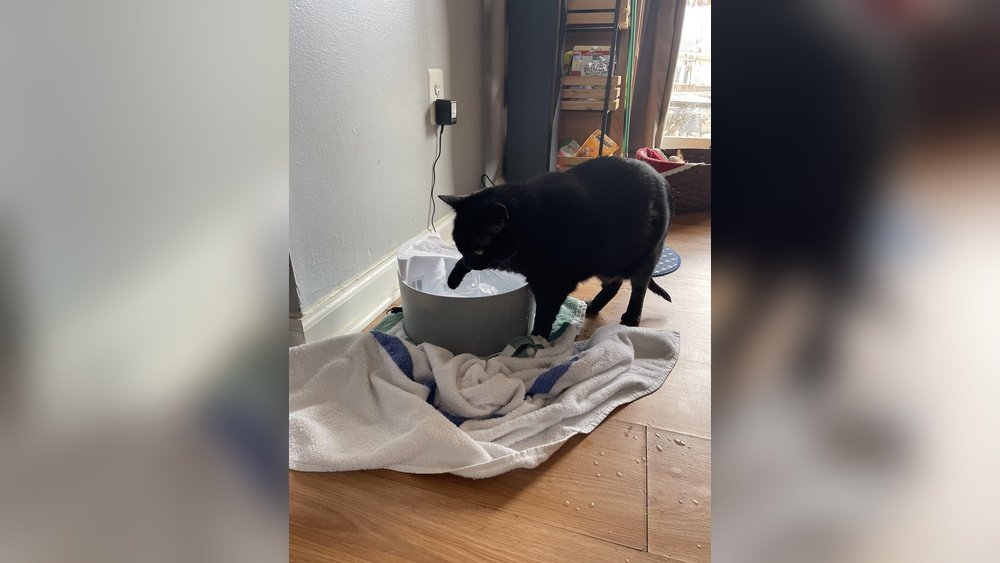
- Try a Cat Water Fountain
- Cats love moving water. A fountain provides fresh water and may reduce play around other sources.
- Limit Access to Sinks and Tubs
- If your cat gets too wild, keep bathroom doors closed.
- Change Water Often
- Fresh water is more appealing. Change it at least once a day.
- Offer Toys Instead
- Distract your cat with toys that mimic moving objects, such as balls or feathers.
- Reward Calm Behavior
- Give treats when your cat drinks calmly instead of splashing.
Here’s a quick comparison of water bowls and fountains:
| Feature | Standard Bowl | Water Fountain |
|---|---|---|
| Movement | None | Flowing |
| Freshness | Stagnant | Filtered |
| Spillage | Higher | Lower |
| Interest Level | Low | High |

Credit: www.reddit.com
Real-life Examples And Insights
Consider the story of a cat named Milo. Milo loved to play in the sink, splashing water everywhere. His owner tried switching to a water fountain, and Milo became less interested in the sink. This simple change solved a messy problem.
In a study published by the American Veterinary Medical Association, about 20% of domestic cats show interest in water play at least once a week. The study found that cats with more toys and enrichment were less likely to make a mess with water.
Another non-obvious insight: some cats start playing with water when bored or stressed. If you notice sudden changes in your cat’s behavior, consider if something in their routine has changed. Adding new toys or spending more time together may help.
When Should You Worry?
Most water play is normal, but certain signs need attention:
- Excessive drinking: If your cat drinks much more water than usual, it could signal health issues like diabetes or kidney disease.
- Sudden change: If your cat starts obsessing over water suddenly, check for other symptoms.
- Destructive behavior: If water play leads to damage, you may need to limit access or seek advice.
Here’s a quick table summarizing when to consult a vet:
| Sign | Action |
|---|---|
| Normal play | No action needed |
| Excessive drinking | Visit vet |
| Sudden obsession | Monitor, consider vet |
| Destructive play | Limit access, seek advice |
For more on cat behavior, you can visit ASPCA.

Credit: www.uahpet.com
Frequently Asked Questions
Why Does My Cat Splash Water Out Of Her Bowl?
Some cats splash water because they enjoy the movement or want fresh water. It can also be a sign of boredom.
Is It Safe For Cats To Play With Water?
Most water play is safe. However, avoid letting your cat play near harmful chemicals or deep water.
Do All Cats Like Playing With Water?
No. Most cats are curious, but only some enjoy water play. Breed and personality matter.
How Can I Stop My Cat From Making A Mess With Water?
Try heavy bowls, water fountains, and keep bathroom doors closed. Offer toys to keep your cat entertained.
Should I Worry If My Cat Drinks More Water Than Usual?
If your cat drinks much more than before, it could signal health issues. Watch for other symptoms and visit a vet if needed.
Cats are unique creatures. Their interest in water is a mix of curiosity, instinct, and personality. With a few changes, you can enjoy your cat’s playful side and keep your home clean. Always watch for sudden changes, and remember: a little mess is a small price for a happy, active cat.