





Most pets need a Lyme vaccine booster every year, sometimes every 6 months.
If you’re asking How Often Should a Pet Be Vaccinated For Lyme Disease, you care about getting it right. I’ve helped many pet parents set a safe, smart plan based on risk, season, and travel. In this guide, I’ll explain what matters, when to boost, and how to pair vaccines with tick control for real protection. Stay with me to learn a clear, proven plan for your pet.

Source: westeanimalhospital.com
Lyme disease 101: what it is and how the vaccine helps
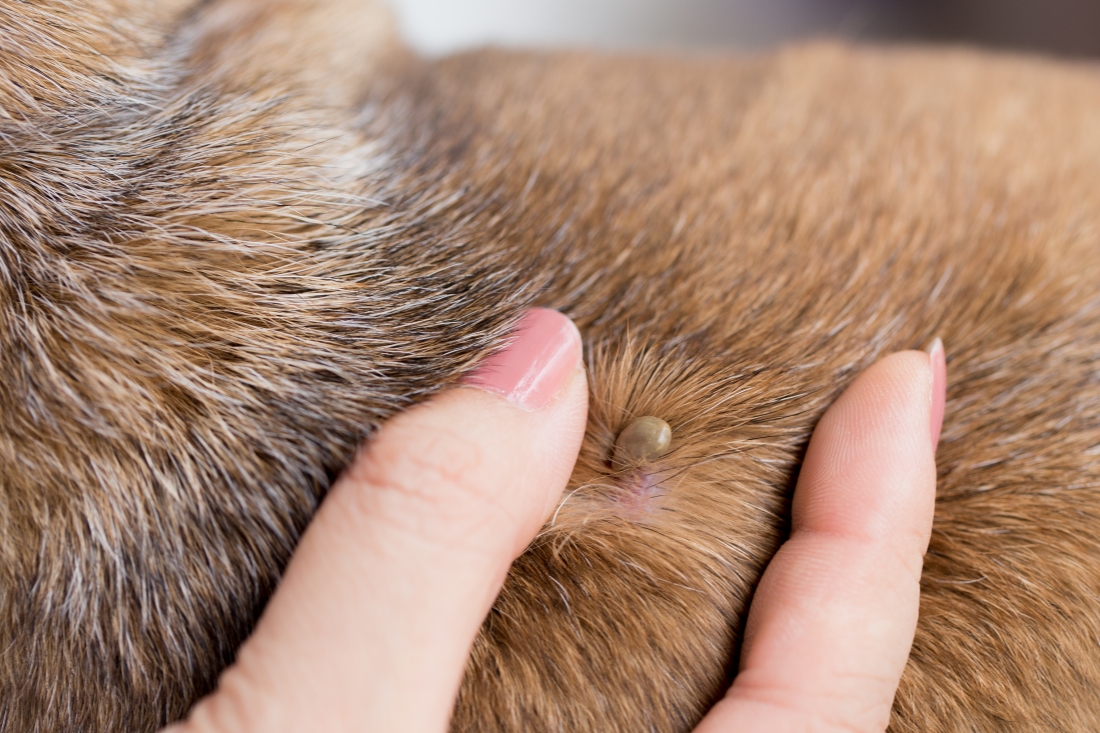
Lyme disease is caused by Borrelia burgdorferi, a spiral-shaped bacteria. Ticks carry it. In the U.S., blacklegged ticks spread it most. They live in grass, woods, and leaf litter.
Dogs can get fever, sore joints, shifting lameness, and low energy. In rare cases, the kidneys are hit hard. That can be life-threatening.
Ticks need time to pass Lyme. It often takes 24 to 36 hours of feeding. This delay is your window to stop infection.
Lyme vaccines train the immune system to block the bacteria. Many target outer surface proteins like OspA and OspC. The goal is to stop the bug in the tick’s gut or early in the bite. Vaccines lower risk. They do not replace tick control.
If you wonder How Often Should a Pet Be Vaccinated For Lyme Disease, you need this base. It helps you weigh timing, risk, and product choices.


Source: todaysveterinarypractice.com
How Often Should a Pet Be Vaccinated For Lyme Disease: standard schedule for dogs
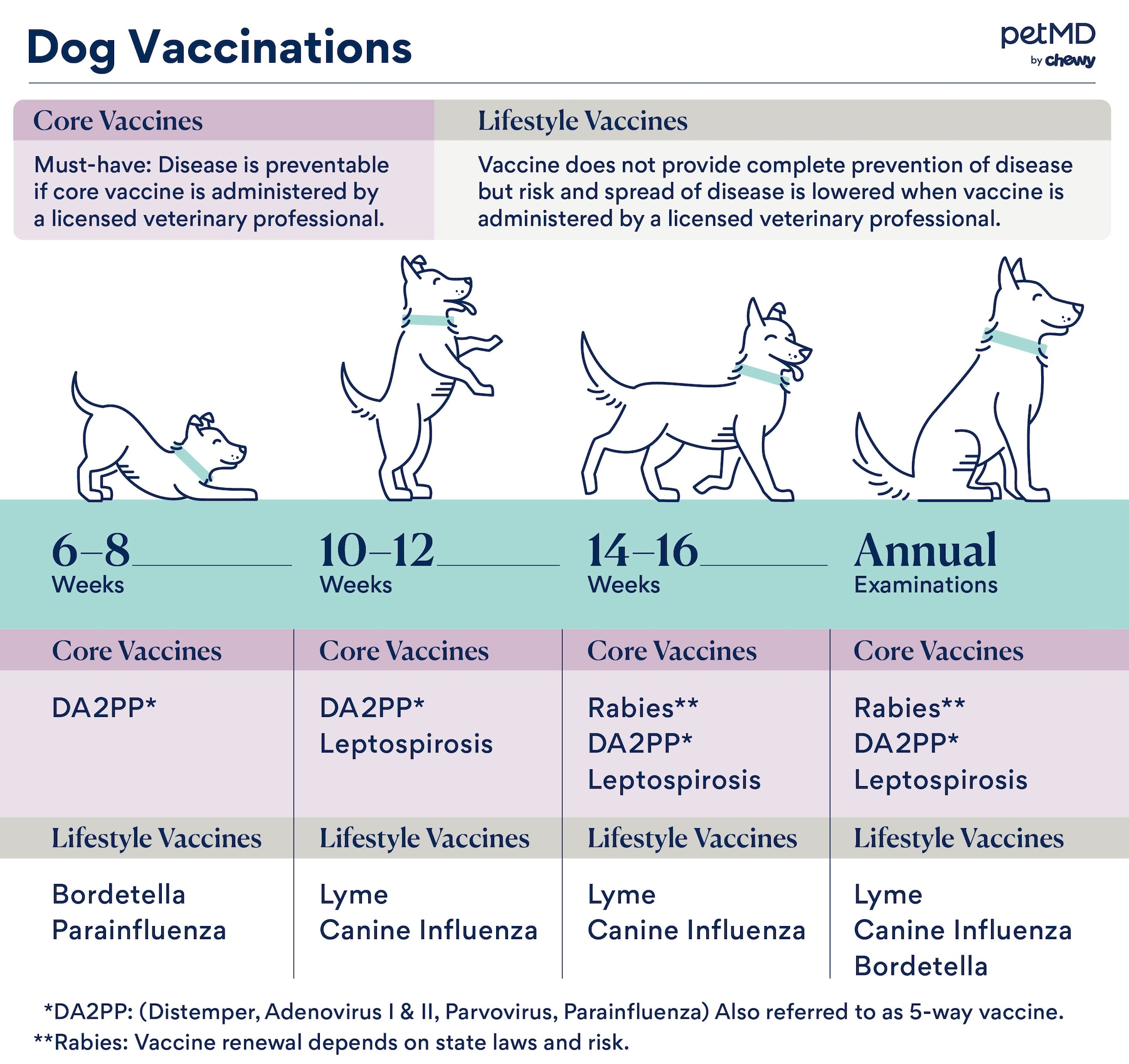
For most dogs, the plan is simple and steady. Start early, complete the series, then boost each year. In very high-risk zones, consider a 6-month booster.
Typical schedule I use in practice:
- Puppies start at 8 to 9 weeks of age. Give dose one, then dose two in 2 to 4 weeks.
- Adult dogs new to the vaccine get two doses, 2 to 4 weeks apart.
- Give a booster every 12 months after the series.
- In heavy tick areas, ask your vet about a 6-month booster.
Time the first dose before peak tick season. In many regions, that means late winter or early spring. In warm climates, ticks are active all year. Keep the annual cycle consistent.
Current veterinary guidance supports yearly boosters for most dogs. Some pets with constant outdoor exposure may benefit from semiannual boosters. This is common in dense tick zones. How Often Should a Pet Be Vaccinated For Lyme Disease depends on that local risk.

Source: petmd.com
How Often Should a Pet Be Vaccinated For Lyme Disease for cats and other pets
There is no licensed Lyme vaccine for cats. Routine Lyme vaccination is not recommended for cats. Protect cats with tick prevention and indoor time.
For rabbits, ferrets, and other small pets, vaccines are not available. Use safe tick control and habitat management. Keep yards clean and limit exposure in peak tick areas.
So, How Often Should a Pet Be Vaccinated For Lyme Disease? For dogs, follow yearly boosters. For other pets, focus on tick control and fast tick removal.


Source: todaysveterinarypractice.com
Factors that change How Often Should a Pet Be Vaccinated For Lyme Disease
Your dog’s life shapes the plan. These points matter:
- Where you live Tick density and infection rates vary by region. Some coastal and wooded areas have very high risk.
- Lifestyle Hikers, hunters, and dogs in fields need stronger plans. Yard-only dogs in low-risk areas may be fine with yearly boosters.
- Travel A trip to a high-risk zone raises exposure. Boost ahead of travel if needed.
- Seasonality Some regions have early spring surges. Others are year-round.
- Health status Young, senior, or immune-compromised dogs may need tighter timing.
- Prior exposure Talk with your vet if your dog has tested positive before. Plans can change in these cases.
- Vaccine product Different products use different proteins. Follow the label and your vet’s advice.
When people ask, How Often Should a Pet Be Vaccinated For Lyme Disease, I start here. Risk drives timing. Your vet will weigh each factor for a tailored schedule.


Source: walesanimalclinic.com
Safety, side effects, and myths
Lyme vaccines are widely used in dogs. Most reactions are mild and short. You may see a sore spot, slight swelling, or a sleepy day.
Serious reactions are rare. They can include facial swelling, vomiting, or trouble breathing. Seek care at once if that happens.
If your dog is sick today, delay the shot. If your dog had a major reaction to a vaccine before, tell your vet. A pre-med plan or a longer wait at the clinic can help.
What about vaccinating a Lyme-positive dog? This is case by case. Some vets avoid vaccination in dogs with active signs, especially kidney issues. If your dog is positive but healthy, your vet may weigh pros and cons. The key is a full review, not a one-size rule.
Do not skip tick control. The vaccine is one layer. Ticks carry more than Lyme. Think of the vaccine as a seatbelt, not a full roll cage.


Source: plazavethospital.com
How to plan the year: timing, tests, and tick control
Use a simple, repeatable plan:
- Book the first dose before tick season starts. Aim for 3 to 4 weeks ahead.
- Finish the 2-dose series on time. Set reminders for the second dose.
- Get the annual booster at the same time each year. In high-risk zones, ask about a 6-month booster.
- Use a trusted tick preventive all year or as advised. Topical, oral, or collars can all work well.
- Do daily tick checks after hikes or yard play. Focus on ears, toes, groin, and collar area.
- Remove ticks fast with fine tweezers. Pull straight out with steady pressure.
- Ask your vet about yearly tick-borne disease screening. It helps catch silent exposure.
How Often Should a Pet Be Vaccinated For Lyme Disease fits into this plan. When the routine is set, you lower risk and stress.


Source: doggysdigest.com
Costs, products, and what your vet considers
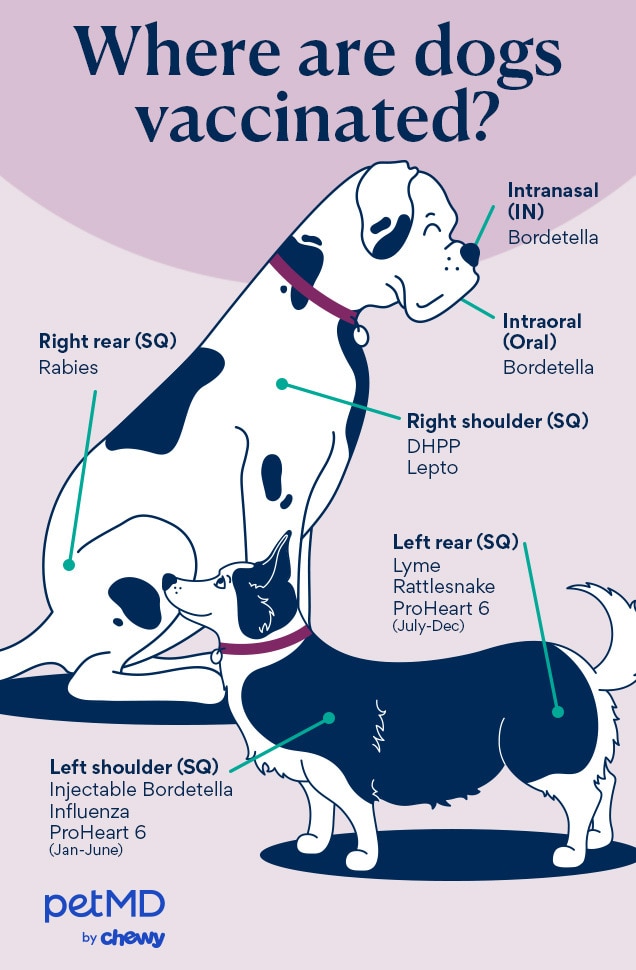
Expect a two-dose start, then a yearly visit for the booster. Prices vary by clinic and region. Many clinics combine Lyme shots with other care to save visits.
Not all Lyme vaccines are the same. Some target OspA only. Others include broad OspC coverage. Your vet picks based on local strains, label claims, and supply.
Your vet also reviews medical history, past reactions, travel, and lifestyle. These details shape How Often Should a Pet Be Vaccinated For Lyme Disease for your dog.

Source: petmd.com
Real-world examples and tips from practice
A city dog who walks sidewalks may only see a few small parks. For this dog, I keep a yearly booster and a safe tick preventive. The family also checks after weekend trips.
A trail-loving shepherd hikes twice a week in a high-risk county. For this dog, I use the two-dose start, then a 6-month booster. I align doses before spring and fall peaks. We pair that with a strong tick preventive and daily checks.
Common mistakes to avoid:
- Skipping the second dose The series needs both shots to work well.
- Starting late before travel Plan 3 to 4 weeks ahead.
- Dropping tick control after vaccination Keep both layers.
- Forgetting local risk How Often Should a Pet Be Vaccinated For Lyme Disease depends on where you live and play.
Frequently Asked Questions of How Often Should a Pet Be Vaccinated For Lyme Disease
When should puppies start the Lyme vaccine?
Most puppies can start at 8 to 9 weeks of age. They need two doses, 2 to 4 weeks apart, then yearly boosters.
Can I rely on tick prevention and skip the Lyme vaccine?
Tick prevention is vital, but it does not block every bite. The vaccine adds a key extra layer, especially in high-risk regions.
Is a 6-month booster safe and useful?
Many vets use semiannual boosters in heavy tick zones. It is considered when exposure is constant or very high.
Should I vaccinate a dog that already tested positive?
This is case by case. Your vet will assess health, protein in the urine, and regional risk before advising.
Do indoor dogs need Lyme vaccination?
If exposure is truly low, risk may be low as well. But ticks can hitchhike indoors, so discuss local risk with your vet.
How Often Should a Pet Be Vaccinated For Lyme Disease if we travel once a year?
Time the series or booster 3 to 4 weeks before the trip. A yearly booster is still advised for ongoing protection.
Is there a Lyme vaccine for cats?
No licensed Lyme vaccine exists for cats. Use safe tick control and limit exposure.
Conclusion
You now know the key facts to set a safe plan. For most dogs, complete the two-dose start, then boost each year. In high-risk areas, ask about a 6-month booster. Pair the vaccine with steady tick control and fast tick checks.
How Often Should a Pet Be Vaccinated For Lyme Disease comes down to risk, season, and lifestyle. Talk with your vet, pick a date, and set reminders. Protect your pet with a plan that works in the real world. Ready to act? Book your vaccine visit, review tick prevention, and share your questions in the comments.