


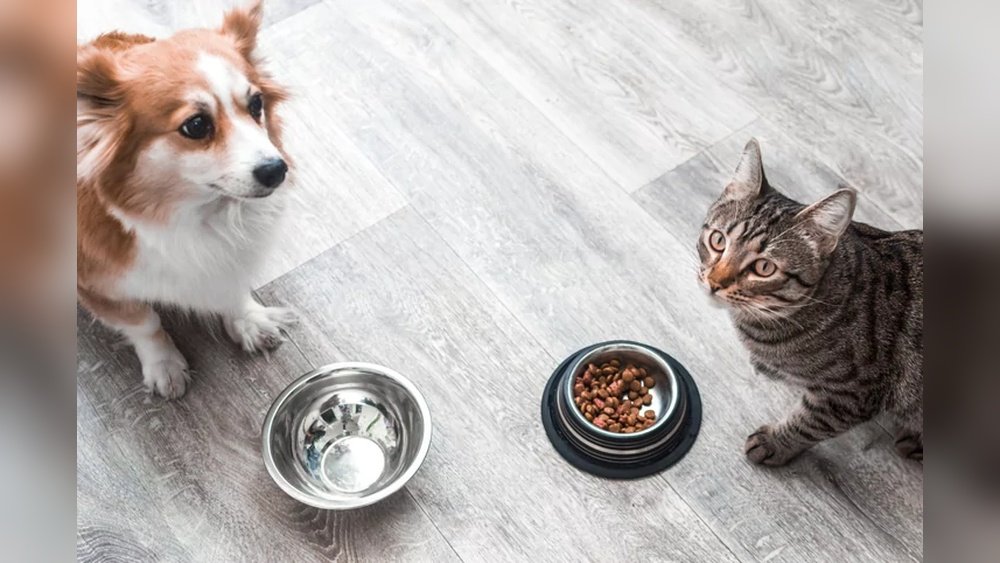


What Happens If My Dog Eats Cat Food
Many dog owners have seen their pets sneak a bite from the cat’s food bowl. Cat food can seem tempting to dogs because it often smells stronger and tastes richer. But is it safe for your dog? Understanding what happens if your dog eats cat food helps you make smart decisions for your pet’s health.
Dogs are naturally curious and often follow their noses, which leads them to anything that smells good—including cat food. But just because your dog likes the taste does not mean it is safe or healthy.
Why Cat Food Attracts Dogs
Cat food has higher protein and fat levels than dog food. Cats need more protein because they are strict carnivores, while dogs are omnivores. This difference often makes cat food smell and taste better to dogs.
Most cat foods use ingredients like fish, chicken, or liver. These strong smells can draw dogs to the bowl. Also, the texture of cat food (especially wet varieties) can be appealing to dogs who want a change from their usual kibble.
Many dogs are bored with dry dog food and will seek out anything new or different. Some cat foods even have added flavors or sauces, making them even more tempting. For dogs that are picky eaters or have a strong sense of smell, cat food is extra attractive.
This is especially true in multi-pet homes, where dogs see cats eating something different and want to try it for themselves.
Key Differences Between Dog Food And Cat Food
To see why cat food is not ideal for dogs, look at their nutritional needs. Here’s a comparison:
| Nutrient | Dog Food | Cat Food |
|---|---|---|
| Protein | 18–25% | 26–40% |
| Fat | 8–15% | 15–20% |
| Carbohydrates | 30–60% | 10–20% |
| Taurine | Not required | Essential |
Dog food has more carbohydrates, while cat food is packed with protein and fat. Cat food also includes taurine, which is vital for cats but not needed by dogs. The high protein and fat in cat food help cats stay healthy, but for dogs, these levels can be too much. For example, taurine is important for cats’ heart health, but dogs make their own taurine naturally. If a dog eats food designed for a cat, they may get nutrients they do not need, and miss out on nutrients that are important for dogs, like certain vitamins and fiber. Over time, this imbalance can lead to health problems, especially for dogs with weak digestion or older age.


Credit: nourish.petuniverse.com
What Happens After Your Dog Eats Cat Food
For most healthy dogs, eating a small amount of cat food will not cause serious harm. But there are risks, especially if your dog eats cat food regularly. Even a single meal can cause mild symptoms, depending on your dog’s size and sensitivity.
Short-term Effects
Dogs who eat cat food may experience:
- Upset stomach (vomiting or diarrhea)
- Gas or bloating
- Increased thirst
These symptoms often appear within hours. Most dogs recover quickly, but some may need extra care. If your dog has a sensitive stomach, even a small bite can result in messy accidents or discomfort. Sometimes, dogs may also seem restless or uncomfortable, pacing around or whining.
You might notice your dog drinking more water after eating cat food because the high protein and salt content can make them thirsty. If you have a puppy or a small breed dog, they are more likely to have stronger reactions to cat food.
Long-term Risks
If your dog eats cat food often, bigger health problems can develop:
| Problem | How Cat Food Causes It | Who’s Most at Risk |
|---|---|---|
| Obesity | High fat and calories | Small breeds, inactive dogs |
| Pancreatitis | Too much fat | Older dogs, those with sensitive digestion |
| Liver/Kidney stress | Excess protein | Dogs with pre-existing conditions |
Pancreatitis is serious and needs a vet’s care. Symptoms include severe vomiting, loss of appetite, and lethargy. If left untreated, pancreatitis can cause lasting damage or even be life-threatening. Obesity in dogs leads to joint pain, diabetes, and shorter lifespan. Dogs with kidney or liver issues may worsen their condition if they eat too much protein and fat. Some dogs may also develop skin problems or allergies from the extra ingredients in cat food. It is important to remember that even if your dog seems fine after eating cat food, repeated exposure can slowly affect their health.
How To Respond If Your Dog Eats Cat Food
If your dog eats a small amount of cat food, monitor them for any symptoms. Take these steps:
- Watch for vomiting or diarrhea.
- Offer plenty of water.
- Keep them calm and rested.
If symptoms last more than 24 hours, call your vet. For larger amounts or if your dog has health problems (like diabetes or kidney disease), seek help sooner. Sometimes, it helps to feed your dog a bland meal (like boiled chicken and rice) after an upset stomach.
Avoid giving treats or rich foods until your dog feels better. If you notice any signs of weakness, pain, or blood in stool, contact your vet immediately. Quick action makes a difference, especially for puppies and older dogs.


Credit: www.kalistihotel.com
Preventing Access To Cat Food
Keeping cat food away from dogs is important. Here are practical ideas:
- Feed cats in a separate room.
- Use elevated bowls that dogs cannot reach.
- Pick up leftovers after cats finish eating.
- Use pet gates to block access.
Some owners use automatic feeders with timers or lids that open only for the cat’s microchip. Training your dog to stay away from the cat’s feeding area can help, but physical barriers are often more reliable. If you have a busy household, make a routine to check for any dropped cat food.
Some dogs are very clever and may try to sneak around barriers, so stay alert.
Surprising Insights Most Owners Miss
Many people believe cat food is harmless, but two facts are often missed:
- Cat food can trigger allergies in dogs. Some dogs react badly to fish, chicken, or artificial flavors common in cat food. Symptoms include itchy skin, ear infections, or chronic stomach upset.
- Repeated cat food exposure may change behavior. Dogs can become food-obsessed or aggressive around cat bowls, leading to stress for both pets. Sometimes, the competition for food creates tension in multi-pet homes, making mealtimes stressful and even leading to fights.
Some dogs also start begging more often or searching for food in odd places. This can make training harder and cause unwanted habits.
When To Call The Vet
Contact your vet if your dog:
- Eats a large amount of cat food
- Has severe or lasting vomiting
- Shows signs of pancreatitis (weakness, belly pain)
- Has pre-existing health issues
Vets may recommend blood tests or special diets for recovery. Sometimes, your vet might ask you to bring your dog in for a check-up even if symptoms are mild, especially if your dog is very young or old.
Frequently Asked Questions
Can Cat Food Kill My Dog?
Cat food is not toxic, but in large amounts or over time, it can cause dangerous conditions like pancreatitis or kidney stress. Immediate death is rare, but serious illness is possible. If your dog has eaten a lot and is showing signs of distress, get veterinary help as soon as possible.
Why Does My Dog Prefer Cat Food?
Dogs are attracted to strong smells and high protein in cat food. The taste is richer and more appealing than many dog foods. Some dogs even learn when the cat is fed and wait nearby for leftovers.
What If My Puppy Eats Cat Food?
Puppies are more sensitive to digestive upset. Even small amounts can cause diarrhea or vomiting. Watch closely and call your vet if symptoms persist. Puppies can also become dehydrated quickly, so offer water and monitor their energy level carefully.
How Can I Stop My Dog From Eating Cat Food?
Feed cats in places dogs cannot reach, use pet barriers, and remove leftovers right away. Consistency is key for changing your dog’s behavior. If your dog keeps trying to get cat food, you may need extra training or help from a professional.
Is Cat Food Safe As A Treat?
Cat food should not be used as a treat. It is not balanced for dogs and can cause health issues over time. Stick to dog-specific treats for safety. Even occasional treats of cat food may encourage your dog to seek it out and create bad habits.
Keeping your dog safe means knowing what’s in cat food and why it’s not meant for them. If you’re worried or your dog has symptoms, reach out to a vet for guidance. For more detailed information about pet food nutrition, visit ASPCA. Protect your pets by keeping their foods separate and watching for any signs of trouble. Your attention and care can prevent health issues and keep both your dog and cat happy.

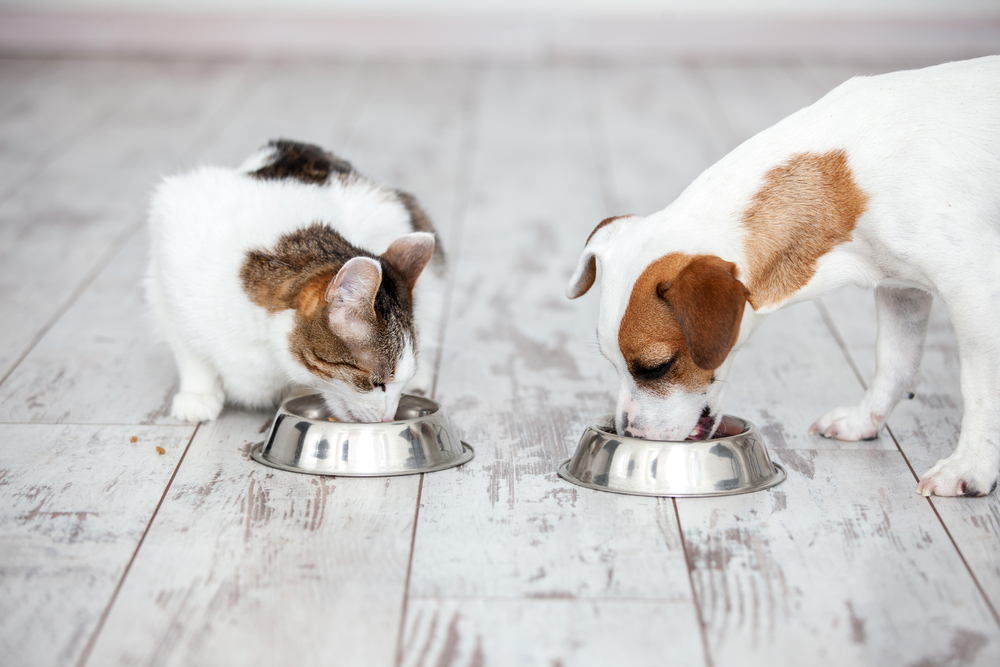
Credit: www.vets-now.com