





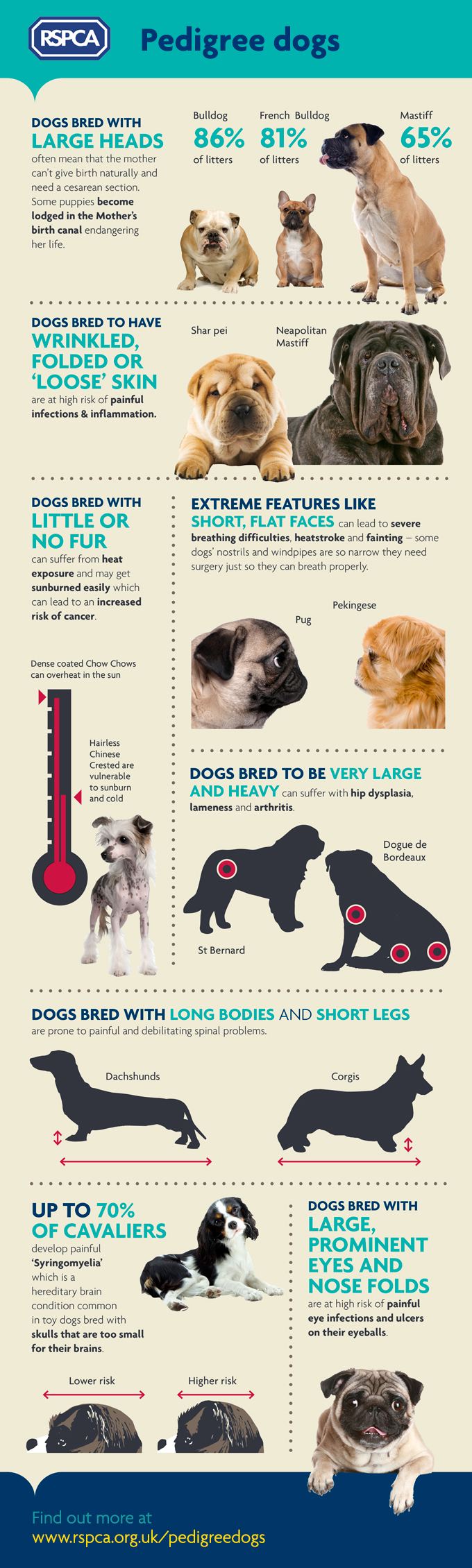
English and French Bulldogs rank highest for inherited, lifelong health issues.
Choosing a dog is a heart choice, but it should also be a health choice. If you’re asking Which Dog Breed Has The Most Health Problems?, you’re not alone. After years of data, expert reports, and owner stories, the answer centers on brachycephalic breeds, especially English and French Bulldogs. In this guide, I’ll explain why, what to watch for, and how to give any dog the healthiest life possible.


What “most health problems” really means
People often ask Which Dog Breed Has The Most Health Problems? The honest answer depends on how we define “most.”
Here are the main ways experts measure it:
- Number of different diagnosed disorders across a dog’s life.
- Severity and welfare impact, such as breathing distress or chronic pain.
- Frequency of vet visits, emergency care, and surgeries.
- Lifespan and quality of life, not just costs and claims.
When you look at all four, the breeds with extreme face shapes rise to the top. Bulldogs, Pugs, and similar dogs face many issues, across many systems, for many years. That is why many vets answer the question “Which Dog Breed Has The Most Health Problems?” with bulldog-type breeds.


What the data shows across clinics and insurance
You might wonder, Which Dog Breed Has The Most Health Problems? Large health databases and insurance claims point to English and French Bulldogs. Primary-care records show high rates of breathing disease, skin folds infections, eye ulcers, spine issues, and birthing complications in these breeds.
Key patterns emerge again and again:
- Brachycephalic dogs have more airway disease and heat stress.
- Bulldogs and Pugs show more eye injuries from shallow sockets.
- Severe skin fold disease and allergies drive repeat visits.
- Breed-related spinal and joint problems start young and can be lifelong.
Many studies also note shorter average lifespans and frequent surgeries tied to airway and skin conditions in Bulldogs. So if you ask, Which Dog Breed Has The Most Health Problems?, the weight of evidence favors English and French Bulldogs.


Breeds often cited with the highest health burdens
Asking Which Dog Breed Has The Most Health Problems? brings the same small group to the top. Below are breeds often highlighted by vets and researchers, with common issues to watch.
English Bulldog
- Brachycephalic airway syndrome with noisy breathing and exercise limits.
- Skin fold infections, ear disease, and tail fold dermatitis.
- Eye ulcers and dry eye.
- Joint problems and spinal deformities.
- Birthing difficulties; many litters need C-sections.
French Bulldog
- Severe airway disease; heat intolerance.
- Allergies, skin fold infections, and ear disease.
- Spine malformations and IVDD.
- Eye ulcers and corneal damage.
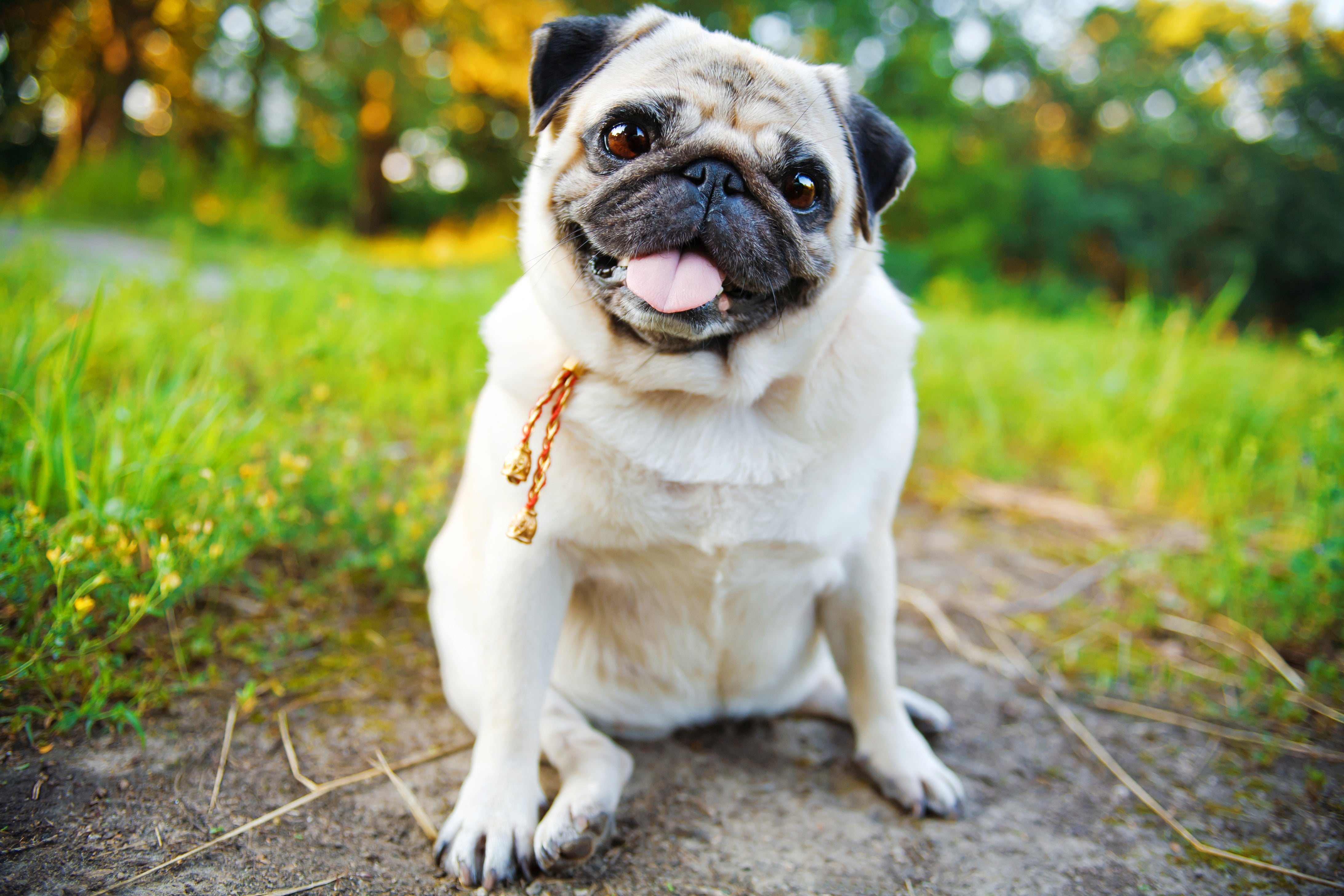
Pug
- Airway disease and poor heat tolerance.
- Eye injuries and pigmentary keratitis.
- Skin issues and dental crowding.
- Neurologic problems in some lines.
Cavalier King Charles Spaniel
- Early-onset mitral valve disease is common and serious.
- Syringomyelia and Chiari-like malformation.
- Eye problems and ear infections.
Shar-Pei
- Recurrent skin infections and ear disease.
- Shar-Pei fever and amyloidosis in some lines.
- Eye issues from heavy facial folds.
Dachshund
- IVDD (back disease) linked to long backs and short legs.
- Dental disease and obesity-related strain.
German Shepherd Dog
- Hip and elbow dysplasia; degenerative myelopathy.
- Skin allergies and digestive issues in some lines.
Great Dane
- Gastric dilatation-volvulus (bloat) risk.
- Joint disease and heart conditions in some dogs.
Not every dog in these breeds will be sick. Good breeding and good care matter a lot. Still, when someone asks, Which Dog Breed Has The Most Health Problems?, the answer tends to be English and French Bulldogs because the burden spans many organs and starts early.


Why some breeds get sicker than others
It helps to understand why the same few breeds keep coming up when we ask, Which Dog Breed Has The Most Health Problems?
Key drivers include:
- Extreme features: Very short muzzles, heavy skin folds, and long backs raise risk.
- Tight gene pools: Small or closed populations can increase inherited disease.
- Popular sire effect: Overuse of a few males spreads harmful variants fast.
- Selection pressure: Breeding for a look can overshadow function and health.
- Lack of testing: Skipping genetic and clinical screens lets problems persist.
Healthier dogs come from lines where function mattered first. Focus on dogs that can breathe, move, and cool themselves with ease.


How to choose a healthier dog or puppy
If your heart is set on a high-risk breed, you still have choices. When people ask Which Dog Breed Has The Most Health Problems?, I also share how to lower risk before you buy or adopt.
Practical steps:
- Ask for proof of health tests specific to the breed.
- Meet the parents when possible; listen for noisy breathing.
- Look for open nostrils, clear eyes, and good body condition.
- Avoid extreme features like very flat faces or heavy wrinkles.
- Request a pedigree and coefficient of inbreeding if available.
- Use a written contract with health guarantees and return terms.
- Consider breed rescues that screen and disclose known issues.
- Budget for insurance early; note waiting periods and exclusions.
If you still wonder Which Dog Breed Has The Most Health Problems?, remember that careful selection can reduce, but not erase, breed risks.

Daily care tips for higher-risk breeds
Once home, smart habits can protect your dog’s comfort and health.
Simple routines:
- Keep weight lean; extra pounds make breathing and joints worse.
- Use a harness, not a neck collar, for brachycephalic breeds.
- Walk in cool hours; avoid heat and humidity.
- Clean skin folds gently and often; dry the area well.
- Check eyes daily for redness, squinting, or discharge.
- Brush teeth and book regular dental checkups.
- Train for calm, short bursts of activity and rest between play.
- Build a care team: a trusted vet, nurse, and if needed, a specialist.
Owners who follow these steps often report fewer emergencies and better daily life. If you asked Which Dog Breed Has The Most Health Problems?, this section shows how to ease the burden.


Costs, planning, and peace of mind
Medical needs can add up. It helps to plan ahead.
What to expect:
- Higher-risk breeds tend to have more frequent vet visits.
- Airway, eye, and skin surgeries are common in Bulldogs and Pugs.
- Heart meds for Cavaliers can run for years.
- Insurance with good coverage for hereditary disease can protect your budget.
- Set a monthly health fund for deductibles, rehab, or special diets.
Money talk is not fun, but it is kind. If your question is Which Dog Breed Has The Most Health Problems?, also ask, “What is my plan if my dog needs extra care?”

Frequently Asked Questions of Which Dog Breed Has The Most Health Problems?
Is there a single clear winner for which dog breed has the most health problems?
Data points to English and French Bulldogs due to many severe, lifelong issues. Still, individual dogs vary, and good breeding can reduce risk.
Are mixed-breed dogs healthier than purebreds?
On average, mixed-breed dogs can have lower risk for some inherited diseases. But mixed-breed dogs can still inherit issues, so vet checks and good care remain key.
Why do brachycephalic breeds struggle so much?
Very short muzzles alter airway anatomy and heat control. This leads to breathing distress, eye exposure problems, and more frequent emergencies.
Can careful breeding fix these problems over time?
Yes, if breeders prioritize health tests and more moderate features. Wider gene pools and stricter standards can improve welfare across generations.
If I love Bulldogs, what should I do?
Choose a breeder who proves health testing and avoids extreme faces. Keep weight lean, avoid heat, and plan for possible airway or skin care.
How many times should I see the vet each year for high-risk breeds?
Plan at least two wellness visits per year. Extra checks for breathing, eyes, skin, and teeth can catch problems early.
Does pet insurance cover hereditary conditions in these breeds?
Many policies cover them, but details vary. Read the fine print for waiting periods, caps, and exclusions.
Conclusion
The best-supported answer to Which Dog Breed Has The Most Health Problems? is the English and French Bulldog, with Pugs and a few others close behind. The reason is clear: extreme features and tight gene pools raise risk across many body systems.
Your choices can change the story. Pick moderate, well-tested lines. Keep your dog lean. Plan care and costs. Most of all, give patient, steady love. Want more guides like this? Subscribe for updates, share your questions, or leave a comment with your experience.