




Create safe zones, steady routines, gentle handling, and reward calm behavior.
You want a calm, happy cat. I help people every week with this exact question: How Do You Make Pet Cat Feel Comfortable. In this guide, I share expert tips, research-backed steps, and lessons learned from many cats, including my own shy rescue. Stick with me, and you will learn simple moves that build trust fast.

Understanding comfort from a cat’s point of view
Cats feel safe when they control space, scent, and routine. They are small predators and also prey, so they guard their energy. Loud sounds, fast moves, and sudden change can raise stress hormones. A quiet setup and clear habits lower that stress.
Research shows predictability helps the nervous system. It keeps cortisol in check. That is why set feeding times and play cues work so well. If you ask How Do You Make Pet Cat Feel Comfortable, begin with safety and structure.
I learned this with my anxious tabby, Lily. She relaxed when I stuck to a simple pattern. We played, we fed, and then she napped by the window. That rhythm turned fear into trust.

Prepare the space: zones, hiding spots, and vertical places
Your home should feel like a map your cat can read. Build clear zones so your cat knows where to rest, eat, use the box, and play. This is the base of How Do You Make Pet Cat Feel Comfortable.
Set up these zones:
- Rest zone. A quiet room with a soft bed and a covered hiding spot.
- Food zone. A calm corner far from the litter box and far from loud machines.
- Water zone. A wide, shallow bowl or a fountain, placed away from food.
- Toilet zone. One large, open litter box per cat plus one extra, in low-traffic spots.
- Scratch zone. Vertical posts and horizontal boards near doors and sleep spots.
- Climb zone. Cat trees, shelves, or window perches for safe height.
Add safety and scent:
- Use F3 pheromone diffusers in new spaces to lower stress.
- Place a worn T-shirt of yours near the bed for comfort scent.
- Leave the carrier out all the time with a blanket and treats.
Good light, soft sounds, and stable furniture help a lot. If you wonder How Do You Make Pet Cat Feel Comfortable, start with this layout. It tells your cat, this land is yours.

The first week home: a simple step-by-step plan
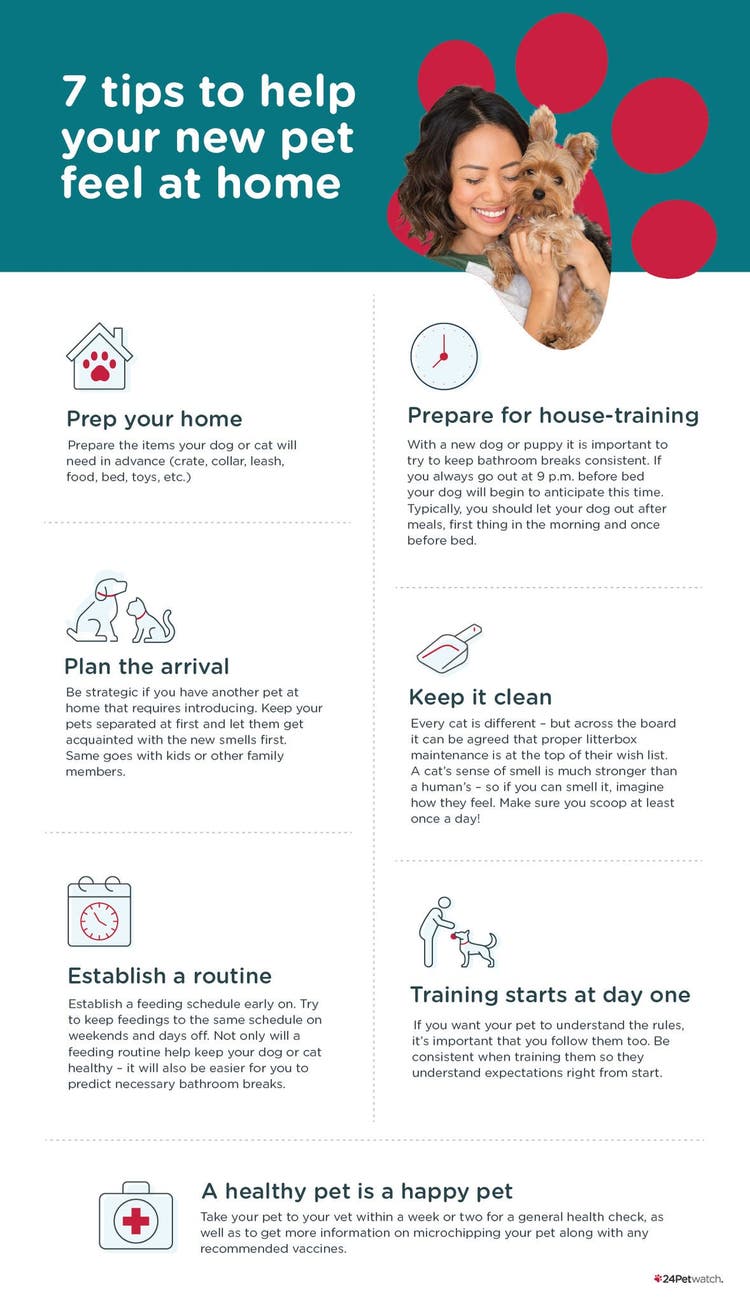
The first week sets the tone. Slow is fast with cats. Here is a plan I use with new rescues.
Day 0 to 2:
- Keep your cat in one quiet room. Close the door.
- Sit on the floor. Read or work. Let your cat come to you.
- Offer treats by rolling them toward the cat. Do not reach out yet.
- Keep visits short and calm.
Day 3 to 5:
- Add two short play sessions with a wand toy.
- Start a feed-play-sleep cycle. Play, then feed, then let nap time happen.
- Touch only if your cat asks by leaning in.
Day 6 to 7:
- Open the door for short explores if your cat seems curious.
- Keep base camp (that first room) safe and unchanged.
- Invite, do not chase. Reward brave steps with soft praise and treats.
If you ask How Do You Make Pet Cat Feel Comfortable fast, this week one plan works. It builds trust without risk.


Daily rhythm that builds trust
A simple daily rhythm makes your cat feel in control. It also makes you the source of good things.
Try this:
- Fixed times. Feed at the same times each day. Cats love clocks.
- Play before meals. Use a wand toy to mimic hunt. End with a small meal.
- Micro sessions. Two to four short play sessions beat one long one.
- Groom with consent. One stroke, pause, then wait. Let the cat invite more.
- Scent swap. Rub a soft cloth on your cat’s cheeks and place the scent on posts.
Add quiet rituals. A slow blink, a soft hello, and a treat trail can be your bridge. This is how How Do You Make Pet Cat Feel Comfortable becomes a habit, not a task.

Read your cat’s body language
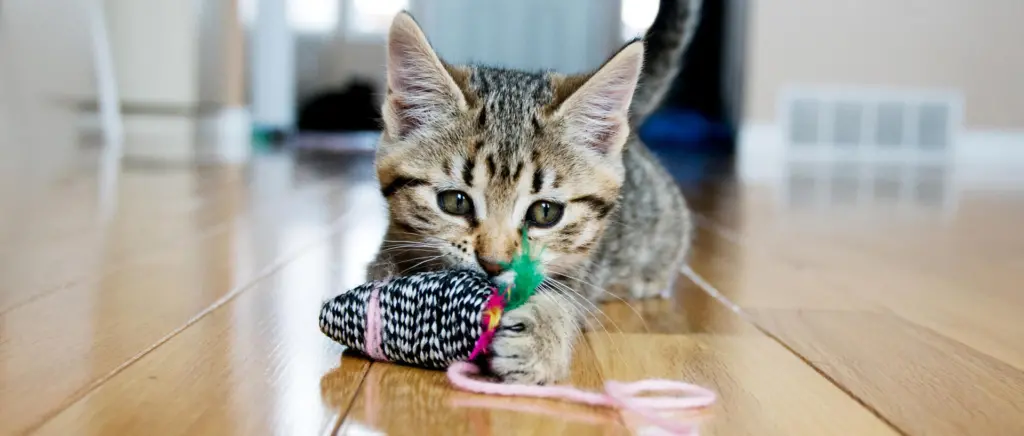
Your cat speaks with their whole body. Learn the signals so you can respond with care.
Key signs:
- Ears. Forward is curious. Sideways is unsure. Flat is fear or anger.
- Tail. Up like a question mark is happy. Low and puffed is fear. Twitching tip can mean arousal.
- Eyes. Slow blinks show trust. Wide pupils can mean stress or play.
- Whiskers. Forward means interest. Back can show worry.
- Voice. Trills and soft meows are friendly. Growls and hisses say give space.
Try the consent test. Pet for two seconds, then stop. If your cat leans in, continue. If they turn away or flick the tail, pause. When people ask How Do You Make Pet Cat Feel Comfortable, I say this: listen to the body first.


Food, water, and litter box comfort
Small changes in basics can ease stress a lot. Cats have fine senses. They notice details we miss.
Food tips:
- Choose high-quality wet food for moisture. Dry can be a side snack.
- Use wide, shallow bowls to avoid whisker stress.
- Keep bowls clean. Wash daily.
Water tips:
- Place water away from food to encourage drinking.
- Offer a fountain if your cat likes moving water.
- Use ceramic or stainless steel to avoid strange tastes.
Litter tips:
- One box per cat plus one extra. Place on different floors if possible.
- Large, open boxes with low sides work best.
- Use unscented clumping litter. Scoop twice daily and change fully each month.
- Box size matters. The length should be your cat’s nose to tail plus a bit more.
Studies note cats like choice and clean boxes. If you wonder How Do You Make Pet Cat Feel Comfortable, start with clean, quiet basics. It removes many stress triggers.

Enrichment and play that build confidence
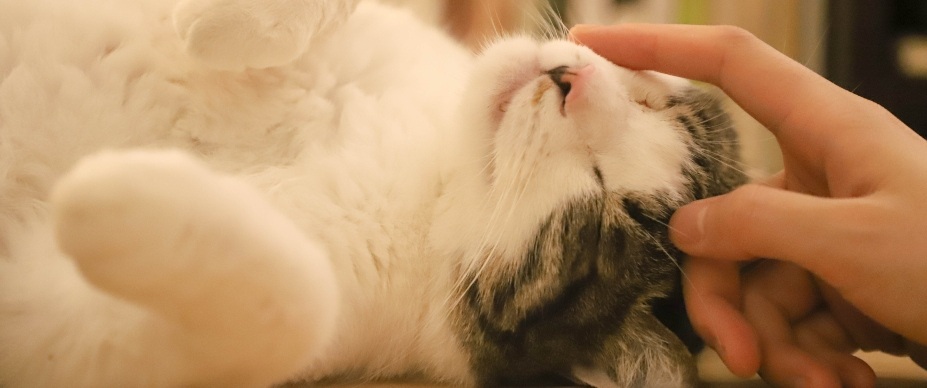
Play is not just fun. It is therapy. It lets your cat act out the hunt in a safe way. That lowers stress and builds boldness.
Try these ideas:
- Wand toys. Move the toy like prey. Low, fast, and with pauses.
- Food puzzles. Make meals a game to engage the brain.
- Scent games. Hide treats in paper cups or snuffle mats.
- Window time. Add a perch with a bird feeder outside for safe “cat TV.”
- Rotation. Keep three to five toys out and rotate weekly.
- Training. Teach sit, target, or go to mat with a clicker and treats.
Keep sessions short and end with food. That completes the hunt cycle. In my home, five minutes twice a day turned my shy cat into a brave explorer. This is a core answer to How Do You Make Pet Cat Feel Comfortable.

Guests, kids, travel, and vet visits
Change can be hard for cats. Plan ahead so events feel safe.
Guests:
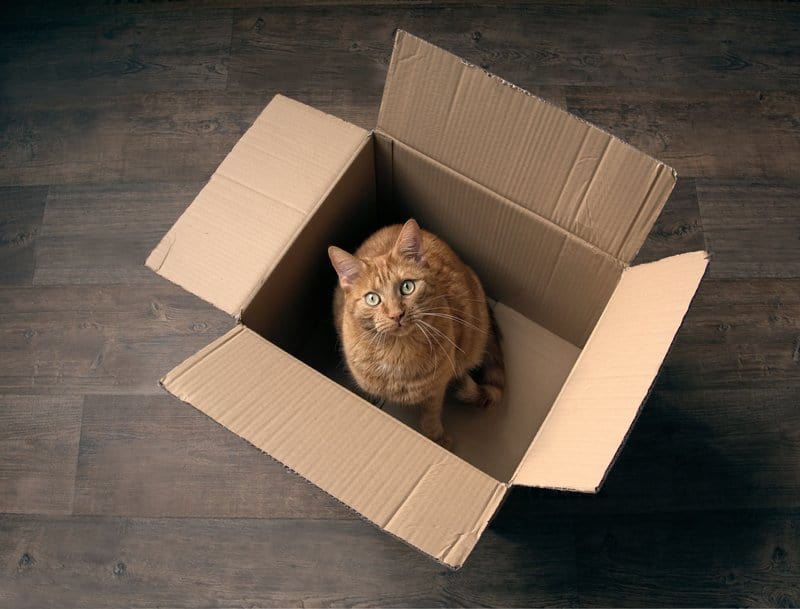
- Set up a safe room with a closed door and all resources.
- Tell guests to ignore the cat and sit low. No reach-ins.
- Offer treat trails if your cat chooses to approach.
Kids:
- Teach soft voices and still hands.
- Use the two-second rule for touch. Then pause and ask the cat for more.
Travel and vet:
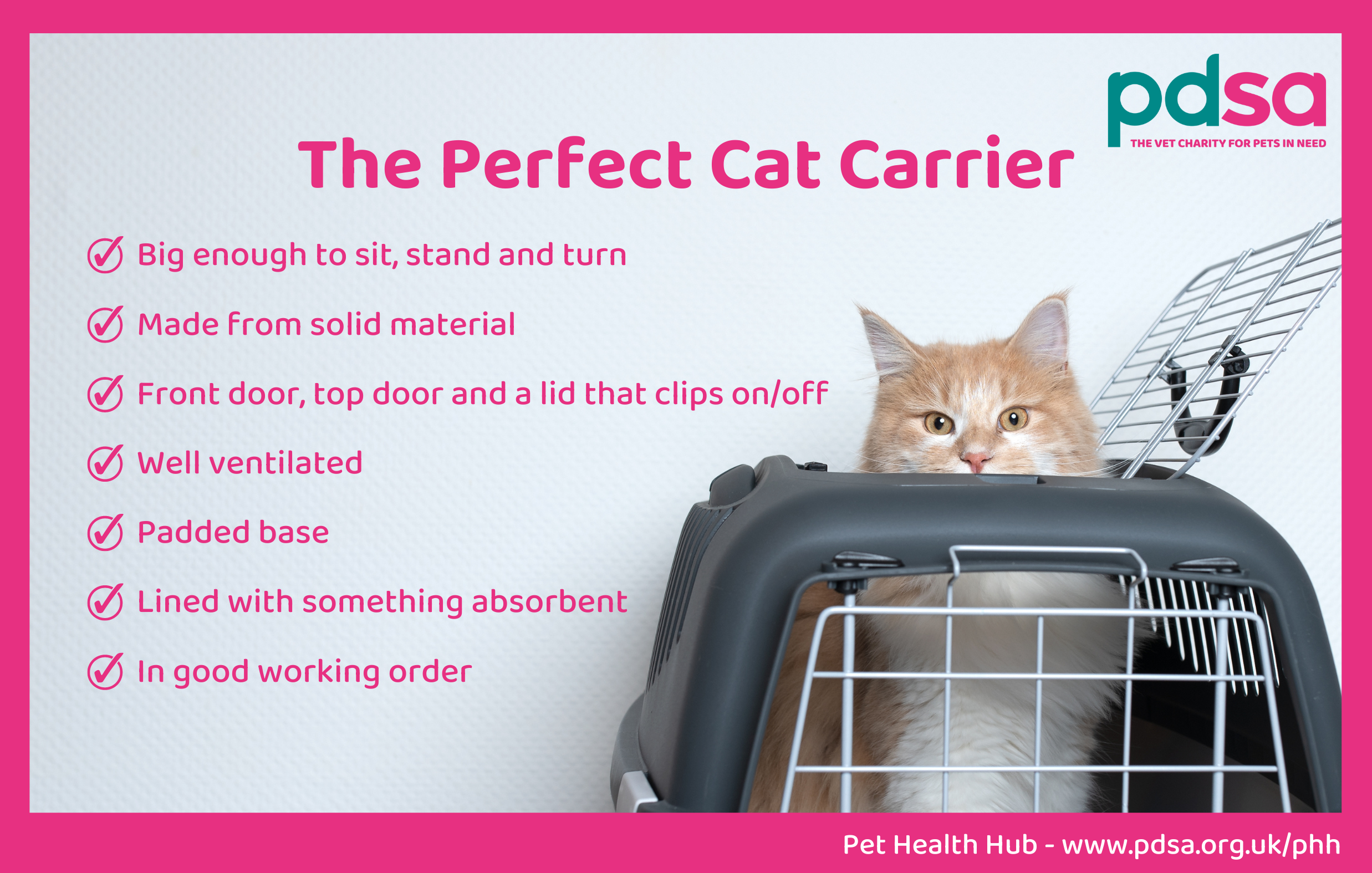
- Leave the carrier out all year as a bed.
- Feed treats in the carrier so it feels good.
- Cover the carrier in the car. Play soft music.
- Ask for fear-free handling at the clinic. Bring a towel with home scent.
Pheromones and practice help. The more calm reps you get, the easier it is. If you ask How Do You Make Pet Cat Feel Comfortable during change, prepare, practice, and protect space.

Common mistakes to avoid
A few common missteps can slow trust. Avoid them and you move faster.
Watch out for:
- Forcing contact or picking up too soon.
- Loud TV, slamming doors, and sudden guests without a safe room.
- Dirty litter boxes or boxes that are too small.
- Food bowls beside litter boxes.
- Strong perfumes, scented litters, or harsh cleaners.
- Free feeding only dry food with no play.
- Punishment or spray bottles. They break trust.
Each of these can raise stress and stall progress. Keep it simple and kind. This is a key part of How Do You Make Pet Cat Feel Comfortable.
Frequently Asked Questions of How Do You Make Pet Cat Feel Comfortable
How long does it take for a new cat to settle?
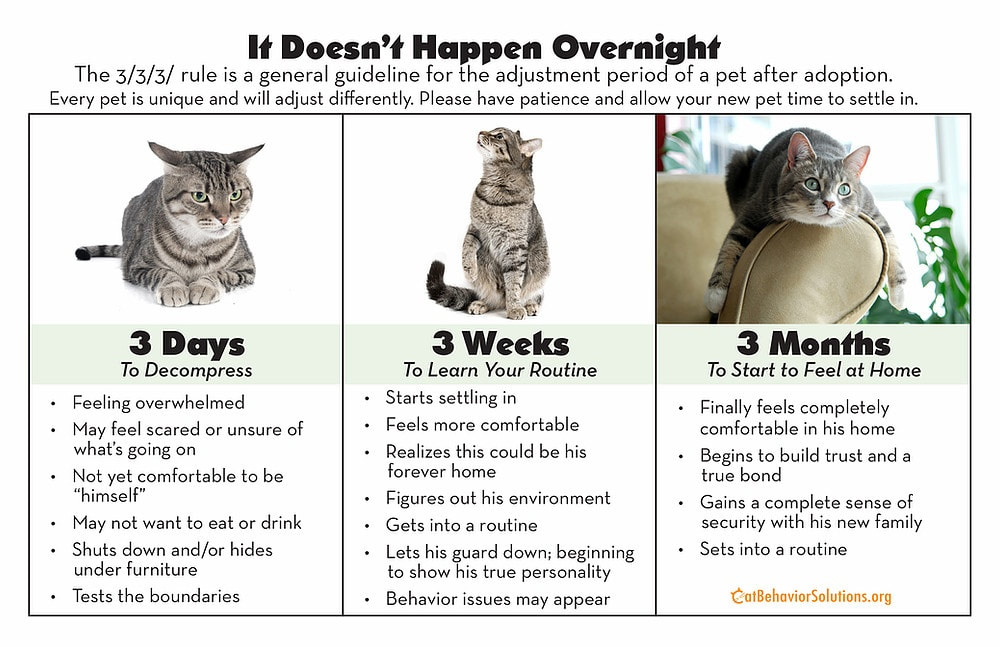
Many cats relax in one to three weeks. Shy or under-socialized cats can take months, so be patient and keep routines steady.
Should I let my new cat hide all day?
Yes, at first. Hiding lowers stress and helps your cat feel safe, but offer gentle invites with treats and play each day.
Do pheromone diffusers really help?
They help many cats, especially during changes like moves or new pets. Use them with good setup and routine for best results.
How can I make the carrier less scary?
Leave it out as a bed and feed treats inside. Add soft bedding with home scent and cover it during travel.
What is the best way to introduce two cats?
Do it in stages: scent swap, then visual across a baby gate, then short supervised visits. Go back a step if either cat shows stress.
How much play does my cat need each day?
Aim for two to four short sessions, three to seven minutes each. End each session with food to complete the hunt cycle.
What if my cat still seems stressed after a month?
Call your vet to rule out pain or illness. A feline behavior pro can create a plan tailored to your home.
Conclusion
Comfort grows when your cat feels safe, knows the routine, and gets a say in touch and space. Set up clear zones, read the body language, and play before meals. This is the most reliable path to trust and a home that feels calm.
Start today with one small step. Add a safe room, a wand toy session, or a clean, large litter box. Want more tips like this and deeper guides on How Do You Make Pet Cat Feel Comfortable? Subscribe, explore more articles, or leave a comment with your cat’s story.