


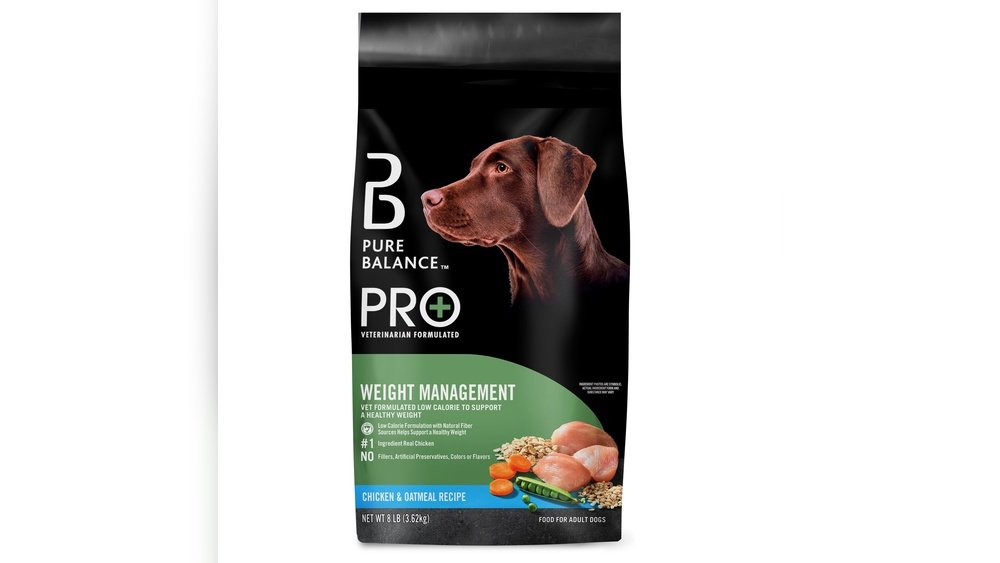


Keeping a small breed dog healthy can be challenging, especially when it comes to weight control. Extra pounds might look cute, but even a little weight gain can cause problems for small dogs. They can face joint pain, breathing issues, and a shorter lifespan. Choosing vet recommended dog food for weight loss small breed can make a big difference. But finding the right food isn’t just about picking “diet” on the label. It’s about understanding your dog’s unique needs, ingredients, and quality.
Why Small Breeds Need Special Weight Loss Food
Small dogs burn energy faster than big dogs, but they also gain weight more quickly. Their bodies are sensitive, so even a small amount of extra fat can lead to health problems. Veterinarians often suggest special weight loss foods for these breeds because:
- Portion control is easier with food designed for small dogs.
- The kibble size fits their mouths.
- The calories are measured for their needs.
- Higher protein helps protect muscle while losing fat.
Many owners don’t realize that “regular” dog food can be too high in calories for small breeds. A small dog eating large breed food may be getting double the energy they need.
Vet Recommended Weight Loss Dog Foods For Small Breeds
Veterinarians usually recommend foods that are low in calories but high in nutrients. These foods help your dog feel full and satisfied without overeating. Here are some top options:
| Brand | Calories per Cup | Protein (%) | Main Feature |
|---|---|---|---|
| Hill’s Science Diet Adult Perfect Weight | 291 | 28 | Clinically proven weight loss |
| Royal Canin Satiety Small Dog | 257 | 30 | High fiber for fullness |
| Blue Buffalo Healthy Weight Small Breed | 324 | 26 | Natural ingredients |
| Purina Pro Plan Weight Management | 330 | 27 | Balanced nutrition |
Each of these foods is made for small breeds. They help dogs lose weight safely while keeping energy levels steady. Always check with your vet before switching food.

Credit: www.businessinsider.com
Key Ingredients In Weight Loss Dog Food
When you look at the label, certain ingredients matter more than others for small breeds trying to lose weight:
- Lean proteins (chicken, turkey, salmon): Build muscle, support metabolism.
- High fiber (beet pulp, brown rice): Keeps dogs full longer.
- Low-fat content: Reduces total calories without sacrificing taste.
- L-carnitine: Helps burn fat efficiently.
Some foods also add antioxidants, vitamins, and minerals for overall health. Avoid foods with fillers like corn or soy—they add calories without nutrition.
| Ingredient | Role in Weight Loss |
|---|---|
| Chicken | Lean protein for muscle |
| Brown Rice | Complex carbs, fiber |
| Beet Pulp | High fiber, supports digestion |
| L-carnitine | Boosts fat burning |
How To Feed For Weight Loss
Choosing the right food is only part of the solution. Feeding it properly is just as important. Here’s how to make weight loss easier for your small breed dog:
- Measure every meal using a cup or scale. Guessing leads to overfeeding.
- Feed 2-3 small meals each day, not just one big meal.
- Avoid giving table scraps or extra treats. They add calories fast.
- Use weight loss treats or low-calorie snacks if you want to reward your dog.
Dogs should lose weight slowly. Aim for about 1-2% of their body weight per week. Fast weight loss can be dangerous. Your vet will help you set the right goal.

:strip_icc()/sps-tier-3-primary-best-dog-food-weight-loss-ahuang-037-ce3edd322a1345f4b574389ec94f28b1.jpeg)
Credit: www.thesprucepets.com
Common Mistakes Owners Make
Many owners try to help their dogs lose weight but make mistakes along the way:
- Skipping meals: This slows metabolism and makes dogs hungrier.
- Using human food as treats: Even small bits are packed with calories.
- Ignoring activity level: Weight loss needs both food and exercise.
- Not adjusting food after weight is lost: Maintenance is different than weight loss.
A non-obvious tip: Some dogs eat faster when food is restricted. Using a slow feeder bowl can help control eating speed, making them feel fuller.
When To Talk To Your Vet
Every dog is unique. Before starting any weight loss plan, it’s important to talk with a veterinarian. They will:
- Check for health issues like hypothyroidism or Cushing’s disease.
- Recommend the right food for your dog’s age and activity.
- Monitor progress and adjust the plan as needed.
Some dogs have allergies or sensitivities that need special diets. Others need prescription food. Your vet’s advice is always the safest route.


Credit: www.amazon.com
Real Success Stories And Data
Studies show that dogs on vet recommended weight loss food lose more weight and keep it off longer. For example, a clinical trial by Hill’s found that 70% of dogs lost weight within 10 weeks on their Perfect Weight formula.
Another insight: Dogs who eat with measured portions and regular exercise have 40% lower risk of becoming overweight again. Owners who track their dog’s weight monthly are more successful.
Practical Tips For Small Breed Weight Loss
- Use a digital scale to measure food.
- Track your dog’s weight weekly.
- Replace treats with playtime or walks.
- Try puzzle feeders to slow eating.
- Set realistic goals and celebrate small wins.
You can find more guidelines on healthy dog weight at AKC Nutrition Guide.
Frequently Asked Questions
What Is The Best Vet Recommended Dog Food For Weight Loss In Small Breeds?
Hill’s Science Diet Perfect Weight and Royal Canin Satiety are often suggested by veterinarians because they have proven results and are tailored for small dogs.
How Much Weight Should My Small Breed Dog Lose Each Week?
Aim for 1-2% of their body weight per week. Losing weight too quickly can cause health issues.
Can I Use Regular Dog Food For Weight Loss?
No, regular dog food usually has too many calories. Choose food labeled for weight management and small breeds, and always follow your vet’s advice.
Are Grain-free Foods Better For Weight Loss?
Not always. Grain-free does not mean low-calorie. Focus on calories, protein, and fiber instead of just grain-free.
What If My Dog Refuses To Eat Weight Loss Food?
Try mixing the new food with a small amount of their old food for a week. If your dog still refuses, ask your vet for other options or flavors.
Helping your small dog lose weight is about more than just food—it’s about a healthy lifestyle. With vet recommended dog food for weight loss small breed, the right feeding routine, and regular check-ins, your dog can live a longer, happier life.