




If you have a dog that struggles with jumping or climbing, a ramp can make a huge difference in their comfort and safety. But here’s the thing: the angle of the ramp matters more than you might think.
Set it too steep, and your dog could slip or get hurt. Too shallow, and the ramp might take up too much space or be hard to use. So, what angle should a dog ramp be to keep your furry friend safe and happy?
Keep reading, because getting this just right will make all the difference for your pet’s well-being—and your peace of mind.
Ideal Dog Ramp Angle
Choosing the right angle for your dog ramp is key to making it safe and comfortable for your furry friend. The ideal angle helps your dog climb up and down without strain or slipping. Getting this angle right means your dog can enjoy independence and you get peace of mind.
Recommended Angle Range
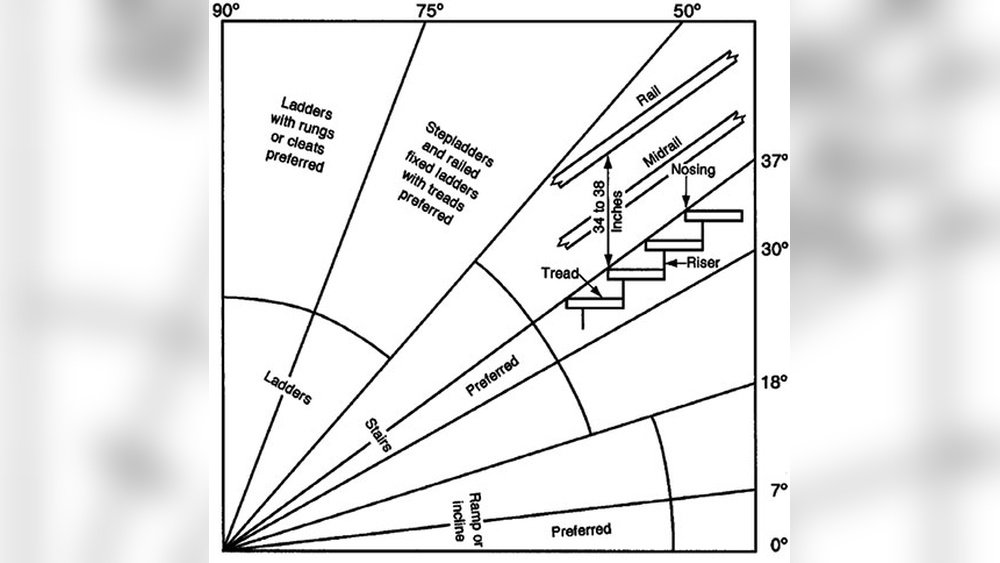
Most experts suggest a dog ramp angle between 18 to 25 degrees. This range offers a gentle slope that is easy for dogs of all sizes to manage. If the ramp is too steep, your dog might hesitate or struggle to use it.
For smaller dogs or those with mobility issues, aim closer to 18 degrees. Larger, more agile dogs can handle angles near 25 degrees without much trouble. Remember, a ramp steeper than 30 degrees can be risky and should generally be avoided.
Factors Influencing Angle Choice
Think about your dog’s age, size, and physical condition. Older dogs or those with arthritis need a gentler slope to prevent joint pain. Puppies might be more confident on a steeper ramp but still benefit from a gradual incline.
Also, consider the height your ramp needs to reach. If space is limited, you may need to adjust the ramp length and angle accordingly. Don’t forget about the surface material—adding grip can make a steeper ramp safer.
Ask yourself: how confident is your dog with stairs or jumping? Their natural ability will guide the best angle choice. Sometimes, a test run with a temporary ramp setup can show you what works best before finalizing the design.


Credit: www.amazon.com
Safety Considerations
Safety is the most important factor when choosing the angle of a dog ramp. The right angle helps your dog climb easily without slipping or falling. A ramp that is too steep can cause injury or fear. A gentle slope keeps your pet confident and secure.
Avoiding Slips And Falls
Slips and falls can hurt your dog badly. Make sure the ramp angle is not too steep. A slope between 18 and 25 degrees is best for most dogs. Older or smaller dogs need an even gentler angle. Keep the ramp steady and secure to stop it from moving during use.
Ramp Surface Materials
The ramp surface should provide good grip. Rough surfaces like carpet or rubber help your dog walk safely. Avoid smooth materials that become slippery when wet. Textured surfaces reduce the chance of accidents. Choose materials that are easy to clean and durable for long use.
Comfort For Different Dogs
Comfort is key when choosing the right angle for a dog ramp. Each dog has unique needs based on age, size, and health. A ramp that suits one dog may not work well for another. Finding the correct angle helps prevent strain and makes climbing easier.
Understanding your dog’s comfort needs ensures safer and happier use of the ramp. This section explains how age, mobility, breed, and size affect ramp angle choices.
Age And Mobility Issues
Older dogs often have joint pain or arthritis. They need a gentler slope to avoid extra stress. A ramp angle between 18 and 25 degrees is usually best for seniors. Puppies and young dogs can handle steeper angles, around 30 degrees. Dogs with limited mobility or injuries should have the least steep ramp possible. This reduces the effort needed to climb and lowers the risk of falls.
Breed And Size Impact
Large breeds need ramps with a lower angle for comfort. A steep ramp can strain their hips and knees. Small breeds prefer ramps with a slightly steeper angle because their shorter legs make climbing easier. Heavy dogs require sturdy ramps with gentle angles to support their weight. Each breed’s build affects how easily they use a ramp. Choose an angle that matches your dog’s size and strength.
Measuring And Adjusting The Angle
Measuring and adjusting the angle of a dog ramp is important for your dog’s safety and comfort. The right angle helps your dog climb easily without slipping or straining. You need simple tools to measure the angle correctly and adjust the ramp as needed. This process ensures the ramp fits the height and length where you want to place it. Proper measurement also helps avoid injuries and makes climbing less scary for your dog.
Tools For Accurate Measurement
Use a protractor to measure the angle between the ramp and the ground. A digital angle finder also works well and gives quick, clear readings. A tape measure helps to check the ramp’s length and height. Mark the points where the ramp touches the ground and the elevated surface. This makes it easier to calculate the exact angle. A level tool can confirm the ramp is stable and not tilted sideways. These tools help you find the best ramp angle for your dog.
Adjustable Ramp Options
Some ramps come with adjustable legs or hinges. This feature lets you change the angle easily. You can raise or lower the ramp to fit different heights. Adjustable ramps are good for stairs or varying furniture heights. Make sure the ramp locks securely at the chosen angle. This prevents sudden shifts that could scare or hurt your dog. Adjustable ramps give flexibility and make the ramp safer for dogs of all sizes.
Ramp Placement Tips
Placing a dog ramp correctly helps your pet climb safely and comfortably. The right setup supports your dog’s joints and muscles. Careful placement also prevents accidents and makes the ramp easier to use. Follow these tips to position the ramp well and keep your dog happy.
Choosing The Right Location
Pick a spot where your dog often needs help climbing. Near stairs or a couch works well. The area should be flat and clear of objects. Avoid places with slippery floors. Make sure the ramp leads directly to the target surface. This reduces extra steps and confusion for your dog.
Ensuring Stable Setup
Check that the ramp stays steady on the ground. Use non-slip pads under the ramp if needed. The top of the ramp must rest firmly against the surface. Avoid gaps that can cause slipping or tripping. Test the ramp by pressing down and watching for movement. Secure the ramp well to protect your dog during use.


Credit: seniordogcomfort.com

Credit: www.amazon.com
Frequently Asked Questions
What Is The Ideal Angle For A Dog Ramp?
The ideal angle for a dog ramp is between 18 and 25 degrees. This angle ensures easy climbing without causing strain. Steeper ramps can be difficult and unsafe for dogs, especially older or injured ones. Adjust the angle based on your dog’s size and mobility.
How Does Ramp Angle Affect My Dog’s Safety?
A ramp angle that is too steep increases the risk of slips and falls. A gentle slope allows better paw grip and balance. Keeping the angle under 25 degrees reduces joint stress and enhances confidence when climbing. Always monitor your dog’s comfort during use.
Can A Dog Ramp Angle Vary By Dog Size?
Yes, smaller or less agile dogs benefit from a shallower ramp angle, around 18 degrees. Larger, more agile dogs can handle angles closer to 25 degrees. Tailor the ramp angle to your dog’s physical condition and mobility needs for optimal safety.
Why Avoid Angles Steeper Than 25 Degrees For Dog Ramps?
Angles steeper than 25 degrees create a challenging climb that may cause injury. Dogs might slip or refuse to use the ramp. A gentler slope protects joints and encourages consistent use. Steeper ramps are unsuitable for puppies, seniors, or dogs with arthritis.
Conclusion
Choosing the right angle for a dog ramp keeps your pet safe and comfortable. A gentle slope, usually between 18 and 25 degrees, works best for most dogs. Steeper ramps can cause strain and make climbing hard. Always consider your dog’s size, age, and health when setting the ramp angle.
A proper ramp angle helps your dog move easily and enjoy using the ramp daily. Remember, safety and ease matter most for your furry friend’s happiness.