


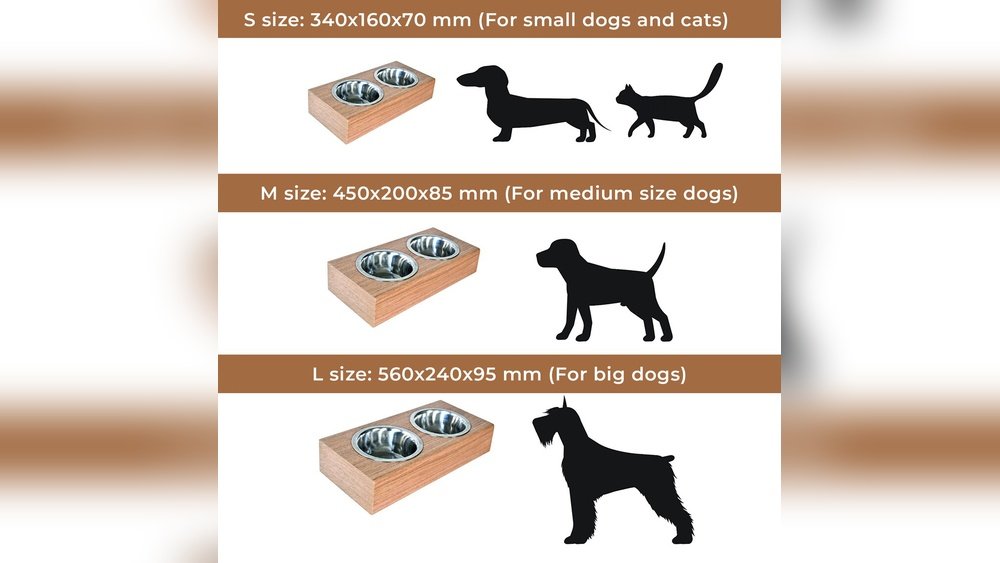


Small dogs often need special care when it comes to feeding. One common question from pet owners is whether elevated dog bowls are a good choice for small breeds. You might see these raised feeders at pet stores or online, and wonder if they offer real benefits or if they’re just a trend. Let’s look at the science, practical experience, and expert advice to help you decide if an elevated bowl is right for your tiny companion.
Why Elevated Dog Bowls Are Popular
Elevated dog bowls raise food and water dishes off the ground. They come in different heights and materials. Many owners use them for large breeds, but now, more people consider them for small dogs too. The main reasons are:
- Comfort: Dogs don’t have to bend their neck as much.
- Cleanliness: Bowls are less likely to attract dust or insects.
- Style: Raised bowls often look modern and tidy.
But are these benefits just for bigger dogs, or do they help smaller pups as well?
Benefits Of Elevated Bowls For Small Dogs
Some veterinarians and pet experts see a few possible advantages for small dogs:
- Improved posture: When a dog eats from a raised bowl, the neck and back stay straighter. For older small dogs or those with arthritis, this can reduce strain.
- Less mess: Elevated bowls can help keep food and water spills off the floor. This is handy if your dog tends to push bowls around or is a messy eater.
- Easier access: For tiny breeds with short legs, a slightly raised bowl can make food easier to reach. This is especially true for dogs with flat faces, like French Bulldogs or Pugs.
- Cleaner environment: Bowls stay higher than dust or hair on the floor. This can help prevent contamination, especially in homes with multiple pets.
Here’s a quick comparison of benefits:
| Benefit | Ground Bowl | Elevated Bowl |
|---|---|---|
| Posture | Poor for some dogs | Better neck alignment |
| Cleanliness | Often messier | Spills less likely |
| Accessibility | Depends on bowl height | Can be easier for short legs |


Credit: www.amazon.com
Risks And Concerns
Not all experts agree on elevated bowls for small dogs. Some studies suggest raised feeders can cause issues for certain breeds.
Bloat Risk
Bloat (gastric dilatation-volvulus) is a dangerous condition where a dog’s stomach twists. It is more common in large breeds, but a few sources warn that elevated bowls may increase risk in susceptible dogs. For small dogs, this risk is much lower, but it’s not zero.
Overeating
Some owners notice their dogs eat faster or consume more food from raised bowls. Fast eating can lead to choking or digestive upset. If your dog tends to gulp food, a slow feeder bowl (with obstacles) might be a better choice.
Unsuitable Height
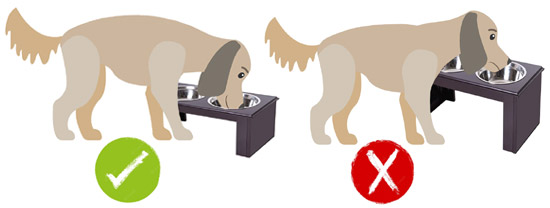
If the bowl is too high, your dog may struggle to reach it. This can cause frustration and stress. Always measure your dog’s height before buying an elevated bowl.
Here’s a table showing recommended bowl heights for small dogs:
| Dog Height (at shoulders) | Suggested Bowl Height |
|---|---|
| 6–9 inches | 1–2 inches |
| 10–12 inches | 2–4 inches |
| 13–15 inches | 4–6 inches |
How To Choose The Right Elevated Bowl
If you decide to try an elevated dog bowl, pay attention to these factors:
- Height: The bowl should be at the same level as your dog’s lower chest.
- Material: Stainless steel is easy to clean and lasts longer than plastic.
- Stability: Make sure the stand doesn’t tip over easily.
- Size: Choose a bowl that fits your dog’s daily food and water needs.
Many owners make the mistake of buying a bowl that is too tall, thinking it’s better for posture. In reality, a small dog needs only a slight lift. Also, avoid bowls with sharp edges or parts that can break.


Credit: nmndesigns.com
Real-life Experiences
Some small dog owners report positive results after switching to raised bowls. For example, dogs with arthritis or sore joints often seem more comfortable. Others notice less mess and easier cleaning.
On the other hand, some pets ignore the new bowls or eat too quickly. It’s important to observe your dog’s reaction for a week or two. If you see any signs of discomfort or changes in eating habits, switch back to a ground-level bowl.
Non-obvious insight: Many people forget to check how their dog eats after the switch. If your dog starts making strange noises, chewing on the stand, or seems hesitant, it’s a sign the height isn’t right.
Another tip: Elevated bowls can help prevent ants and bugs from reaching the food, especially in warmer climates. If you live in an area with frequent insect problems, this can be a small but useful benefit.
Expert Recommendations
Most veterinarians agree that elevated dog bowls are not strictly necessary for small breeds. They are usually not harmful if used correctly, but they don’t guarantee better health. The key is to watch your dog’s comfort and adjust the setup if needed.
If your small dog is healthy and eats well from a ground bowl, there’s no urgent reason to switch. If your pet has mobility issues, arthritis, or messes a lot, a low-rise elevated bowl may help.
For more scientific information about dog feeding and bowl types, you can read studies at VCA Hospitals.

Credit: www.dfordog.co.uk
Frequently Asked Questions
Are Elevated Dog Bowls Safe For Puppies?
Elevated bowls are generally safe for puppies, but the height must match their size. For growing dogs, stick to low-rise bowls and adjust as your pet gets bigger.
Can Elevated Bowls Help With Digestion In Small Dogs?
Some owners believe raised bowls aid digestion, but research doesn’t confirm this for small breeds. For most dogs, bowl height doesn’t change digestion much unless there are medical issues.
What Material Is Best For Elevated Dog Bowls?
Stainless steel is best. It’s easy to clean, doesn’t absorb odors, and resists bacteria. Avoid plastic if possible, as it can crack and harbor germs.
How Do I Know If The Bowl Is Too High?
Watch your dog eat. If your pet stretches upwards or looks uncomfortable, the bowl is too high. The best height is just above the floor, at chest level.
Should I Use An Elevated Bowl For Water Too?
Yes, you can use elevated bowls for water. Just make sure the bowl is stable and easy for your dog to reach. Change water daily to keep it fresh.
Choosing the right feeding setup can make meal times better for your small dog. Elevated bowls offer a few benefits, but they’re not a must-have for every pet. Watch your dog’s habits and comfort, and remember that a happy, healthy dog is the goal—not just trendy gear.