


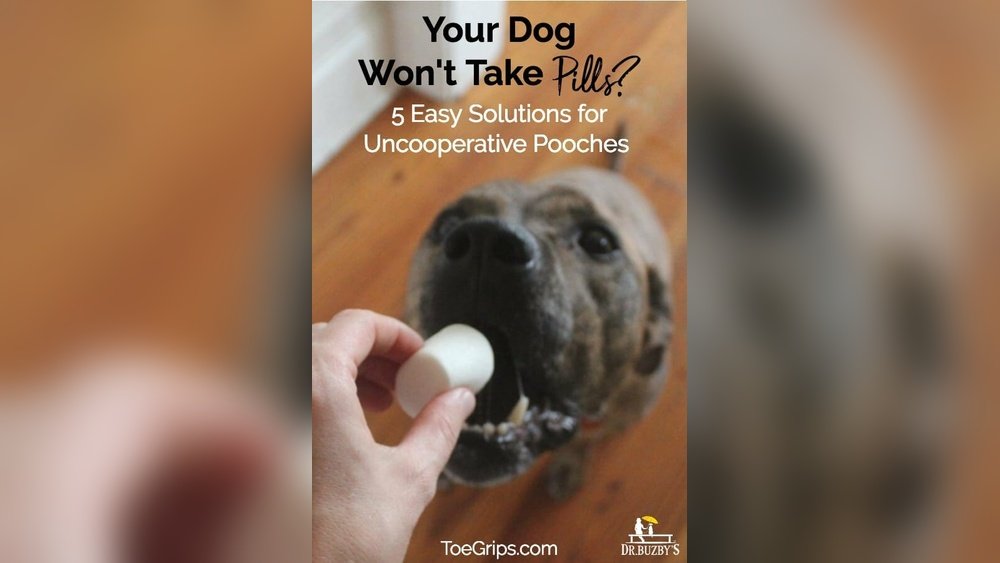


Refusing pills is a common problem for many dogs and their owners. You might feel worried or frustrated when your dog spits out the medicine or simply refuses to open their mouth. But with some smart tricks and a calm approach, you can make pill time much easier for both you and your pet.
This guide will show you proven methods to give dog pills, explain why dogs resist medication, and help you avoid common mistakes. Even stubborn dogs can learn to take pills without stress.
Why Dogs Refuse Pills
Dogs have strong senses. They often notice even small changes in smell or taste. Many pills have a bitter taste or unusual texture. Dogs can quickly detect these differences and may refuse the pill. Some dogs have had bad experiences with pills before, which makes them wary.
Others simply don’t like to be forced or handled roughly.
Research shows about 40% of pet owners struggle to give pills to their dogs. This problem isn’t just about taste—dogs are smart and will spit out pills if they sense something strange.
Smart Ways To Give Dog Pills
There isn’t one perfect method for every dog. You may need to try a few options to see what works best. Here are the most effective ways:
1. Hiding Pills In Food
Many owners use food tricks to hide pills.
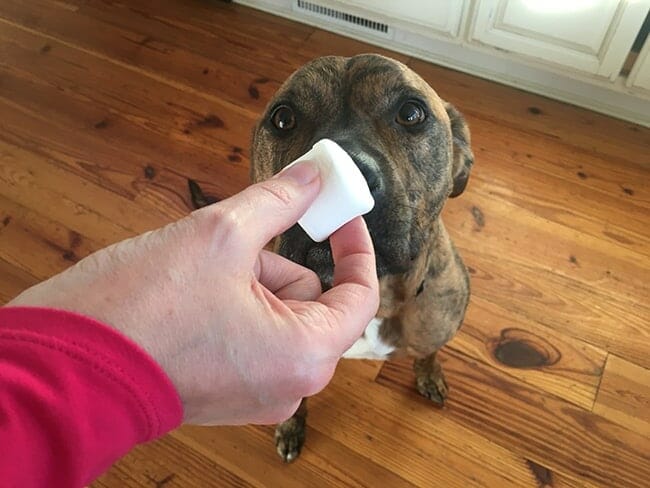
- Soft treats: Push the pill into a soft treat or piece of cheese.
- Peanut butter or canned food: Mix the pill with a spoonful of peanut butter or wet dog food.
- Meatballs: Form a small ball of cooked meat or deli meat around the pill.
Dogs often eat these treats without noticing the pill. But some dogs are clever and will eat the treat, then spit out the pill. If this happens, try wrapping the pill in a stronger-smelling food.
2. Pill Pockets
Pill pockets are special treats made to hide pills. They come in flavors most dogs love, like chicken or beef. Just put the pill inside the pocket and offer it as a treat. Pill pockets are sold at pet stores and are safe for dogs.
3. Manual Pill Giving
If your dog refuses food tricks, you may need to give the pill directly.
- Hold your dog gently but firmly.
- Open their mouth by holding the upper jaw and tilting the head back.
- Place the pill at the back of the tongue.
- Close their mouth and gently stroke the throat to encourage swallowing.
This method works, but it can be stressful if not done calmly. Use a pill dispenser tool if you want to avoid placing your fingers in the dog’s mouth.
4. Crushing Pills
Some pills can be crushed and mixed with food or liquid. But not all pills are safe to crush—some lose their effect or taste worse. Always ask your vet before crushing any medication.
5. Liquid Medication
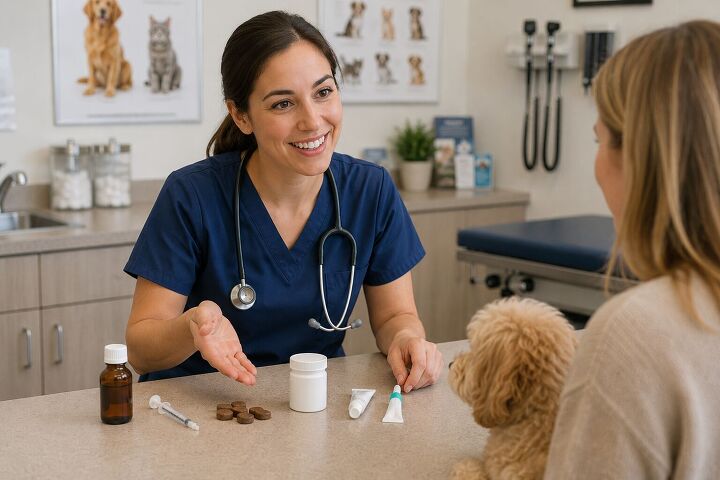
If your dog truly refuses pills, ask your vet if the medicine is available as a liquid. Liquid meds can be given with a syringe or mixed into food. Many dogs accept liquids more easily.

Credit: www.petguide.com
Comparing Popular Pill-giving Methods
Here is a quick comparison of common pill-giving techniques:
| Method | Success Rate | Ease for Owners | Stress Level for Dogs |
|---|---|---|---|
| Food Tricks | 70% | Easy | Low |
| Pill Pockets | 75% | Very Easy | Very Low |
| Manual Giving | 60% | Moderate | Medium |
| Liquid Medication | 80% | Easy | Low |
Common Mistakes To Avoid
Some errors can make pill-giving harder and more stressful:
- Forcing pills: Rough handling makes dogs afraid and may cause biting.
- Using unsafe foods: Never use grapes, chocolate, or onions to hide pills. These are toxic to dogs.
- Crushing pills without checking: Some pills must not be crushed or mixed with food.
- Giving pills with dry treats: Dry treats may not hide the pill well or can make swallowing harder.

Credit: www.petguide.com
Extra Tips For Success
Here are some tricks that many beginners miss:
- Give a “dummy treat” first. Offer a small treat with no pill, then offer the pill treat. Dogs are less suspicious if they get a treat before the pill.
- Use positive reinforcement. Praise your dog or give a favorite toy after they swallow the pill. This builds trust and makes future pill times easier.
- Try distraction. If your dog is focused on something else (like a visitor or another pet), they may take the pill without noticing.
- Watch for spitting out. Some dogs hold the pill in their mouth and spit it out later. Always check to make sure they swallow.
Data: Owner Preferences
Here’s a table showing which pill-giving methods dog owners prefer:
| Method | Percentage of Owners |
|---|---|
| Food Tricks | 48% |
| Pill Pockets | 22% |
| Manual Giving | 18% |
| Liquid Medication | 12% |
This shows most owners prefer hiding pills in food, but pill pockets and liquid meds are growing in popularity.
When To Ask The Vet For Help
If you try several methods and your dog still refuses pills, contact your veterinarian. Some medications can be changed to a different form. Your vet may offer flavored pills or liquids. In rare cases, they might give the medicine by injection.
If your dog vomits, drools, or seems sick after taking pills, tell the vet right away. Some side effects can be serious.
For more advice on dog medication, visit ASPCA Dog Medication Guide.
Frequently Asked Questions
How Can I Tell If My Dog Swallowed The Pill?
Watch your dog for a few minutes after giving the pill. Check their mouth to see if the pill is hidden in the cheeks. Look for chewing or spitting. If you’re unsure, offer a drink of water or another treat to help them swallow.
Are Pill Pockets Safe For All Dogs?
Most pill pockets are safe and made from dog-friendly ingredients. But dogs with allergies or special diets may need a different option. Always check the label and ask your vet if you’re concerned.
Can I Crush Any Dog Pill And Mix It With Food?
No, not all pills are safe to crush. Some medicines lose their effect or can irritate the mouth when crushed. Always ask your vet before crushing or breaking pills.
What Foods Should I Avoid When Hiding Pills?
Avoid using any toxic foods like chocolate, grapes, raisins, onions, or garlic. Stick to cheese, peanut butter, deli meats, or dog-safe treats.
What If My Dog Keeps Refusing Pills, Even After Trying Everything?
Speak to your veterinarian. They may change the medicine or suggest a new method. In some cases, injectable or liquid medication is easier for stubborn dogs.
Getting your dog to take pills can be tricky, but with patience and the right strategy, most dogs will learn to accept their medicine. Stay calm, use positive reinforcement, and always check with your vet if you need help. Your dog’s health depends on getting the right dose—so don’t give up until you find a method that works for both of you.

Credit: toegrips.com