





Is your dog showing signs that something might be wrong, but you’re not sure what to look for? Knowing the symptoms of common dog illnesses can make all the difference in getting your furry friend the care they need—fast.
With a Dog Illnesses Symptoms Checker, you can quickly identify warning signs and understand when to act. Whether it’s a sudden change in behavior, unusual vomiting, or a loss of appetite, recognizing these clues early can save your dog from serious health problems.
Keep reading to learn how to spot the symptoms that matter most and ensure your dog stays happy and healthy.
Emergency Signs
Emergency signs in dogs need quick attention. These signs show a serious problem that can get worse fast. Knowing these signs helps you act fast. Acting fast can save your dog’s life. Watch your dog closely for these warning signals.
Frequent Vomiting
Vomiting many times in a short time is a bad sign. It may mean your dog is sick or has a blockage. Keep track of how often your dog vomits. Continuous retching with no vomit can signal bloat or gastric torsion. This needs urgent care.
Blood In Vomit Or Stool
Blood in vomit looks like dark coffee grounds. Blood in stool can be fresh red or dark and tarry. Both signs show internal bleeding or injury. These symptoms require fast veterinary help. Do not wait to get help.
Extreme Behavioral Changes
Sudden lethargy or weakness is serious. Your dog may collapse or seem restless. Signs of pain include whining or a hunched posture. Hiding or refusing to move are also warning signs. These changes mean your dog needs help now.
Refusal To Drink
Dogs must drink water to stay healthy. Refusing water or not keeping fluids down is dangerous. It can lead to quick dehydration. Check if your dog drinks and keeps water down. Seek help if they refuse to drink.
Abdominal Bloating
A hard, swollen belly is a critical sign. Bloating can block blood flow or cause organ damage. This condition is life-threatening and needs immediate care. Touch your dog’s belly gently to check for swelling.
Toxin Ingestion
Eating poison or harmful items is a major risk. Common toxins include chocolate, grapes, and household chemicals. Swallowing foreign objects can block the stomach or intestines. If you suspect toxin ingestion, seek emergency care fast.
Other Critical Symptoms
Seizures or trouble breathing need urgent help. Pale gums or inability to stand are also serious signs. These symptoms show your dog’s body is in distress. Do not delay getting veterinary care for these symptoms.
When To Call The Vet
Knowing when to call the vet can save your dog’s life. Not every symptom needs urgent care, but some require immediate attention. Understanding the signs helps you act quickly and wisely. This section guides you on less urgent symptoms, how to monitor your dog, and how to prepare for a vet visit.
Less Urgent Symptoms
Some symptoms may not need an emergency vet visit but still deserve attention. Mild vomiting once or twice, slight changes in appetite, or a little coughing can be watched carefully. If your dog seems active and drinks water, these signs might improve with time. Keep track of any changes to report later.
Monitoring Your Dog
Watch your dog’s behavior and health closely. Check if symptoms get better or worse over 24 to 48 hours. Look for changes in energy, eating habits, and bathroom use. Note any new signs like diarrhea, increased thirst, or unusual breathing. Use a notebook or phone app to record details. This helps the vet understand your dog’s condition better.
Preparing For Vet Consultation
Before you visit the vet, gather important information. Write down all symptoms, when they started, and their frequency. Include any recent changes in diet or environment. Bring a list of your dog’s medications and health history. Prepare questions to ask the vet. Being ready helps the vet diagnose and treat your dog faster.
Common Symptoms
Recognizing common symptoms in your dog helps catch illnesses early. Dogs cannot tell us when they feel unwell. Watching for physical and behavioral changes is vital. These signs often indicate health problems needing attention. Learn about typical symptoms to check daily.
Vomiting And Diarrhea
Vomiting and diarrhea can signal many health issues. They may indicate infections, dietary problems, or more serious diseases. Frequent vomiting or diarrhea needs prompt care. Watch for blood or unusual colors in vomit or stool. These signs require immediate veterinary advice.
Coughing And Sneezing
Coughing and sneezing are common with respiratory infections. Persistent coughing or wheezing shows airway irritation. Sneezing with nasal discharge may mean allergies or infection. Note if your dog struggles to breathe or is noisy. These symptoms can worsen quickly.
Lethargy And Weakness
Lethargy means your dog lacks normal energy. Weakness can affect walking or standing. These signs often point to infections or chronic illnesses. Sudden changes in activity or behavior need attention. Rest is normal but extreme tiredness is not.
Changes In Appetite
Loss of appetite is a frequent illness sign. Eating less or refusing food can indicate pain or sickness. Increased appetite might signal other health issues like diabetes. Monitor how much and how often your dog eats. Sudden appetite changes always deserve a check.
Abnormal Discharges
Discharges from eyes, nose, ears, or genitals show possible infection. Clear discharge might be mild irritation. Thick, colored, or smelly discharge often means bacterial or fungal infection. Check for redness, swelling, or discomfort near discharge sites. Early treatment prevents complications.
Frequent Dog Illnesses
Dogs can fall ill from many common diseases. Recognizing symptoms early helps protect their health. Frequent dog illnesses often show clear signs. Knowing these signs aids in quick action and care. Here are some common dog illnesses you should know about.
Canine Distemper
Canine distemper is a serious viral illness. It affects a dog’s respiratory and nervous systems. Symptoms include coughing, fever, and eye discharge. Dogs may also show weakness or seizures. Vaccination helps prevent this disease.
Gastroenteritis
Gastroenteritis causes inflammation in a dog’s stomach and intestines. Common signs are vomiting, diarrhea, and loss of appetite. It can lead to dehydration if untreated. Causes include infections, spoiled food, or toxins.
Heartworm Disease
Heartworm disease spreads through mosquito bites. It affects the heart and lungs of dogs. Symptoms include coughing, fatigue, and difficulty breathing. Preventive medication is key for protection. Early diagnosis improves treatment success.
Bloat (gdv)
Bloat, or gastric dilatation-volvulus, is a life-threatening condition. The stomach fills with gas and twists. Dogs show a swollen belly, restlessness, and vomiting. Immediate veterinary care is critical. Large and deep-chested breeds are at higher risk.
Leptospirosis
Leptospirosis is a bacterial infection. Dogs catch it from contaminated water or soil. Symptoms include fever, muscle pain, and vomiting. It can cause kidney and liver damage. Vaccines and clean water reduce infection risks.
Silent Killers In Dogs
Some dog illnesses show no clear signs until it’s too late. These are called silent killers. They can harm your dog without obvious symptoms. Early detection is key to saving your pet’s life. Knowing about these dangers helps you act fast.
Hemangiosarcoma
Hemangiosarcoma is a deadly cancer in dogs. It grows in blood vessels and spreads quickly. Often, no symptoms appear until internal bleeding happens. Sudden weakness, collapse, or pale gums are warning signs. Regular vet checks help catch this disease early.
Bloat Risks
Bloat, or gastric dilatation volvulus, is life-threatening. The stomach fills with gas and twists, cutting blood flow. Dogs may retch without vomiting or show a swollen belly. Rapid breathing and restlessness also occur. Immediate emergency care is essential to save your dog.
Heartworm Effects
Heartworms live in the heart and lungs of dogs. They block blood flow and cause heart failure. Early signs include coughing and tiredness after exercise. Without treatment, heartworms can kill your dog. Preventive medication and regular testing keep your dog safe.


Credit: www.fineanimalhospital.com
At-home Care Tips
Taking care of a sick dog at home can help ease their discomfort. Knowing simple care steps supports recovery before a vet visit. Watch your dog’s symptoms closely. Provide comfort and monitor their needs carefully.
Hydration And Nutrition
Keep your dog hydrated at all times. Offer fresh, clean water in small amounts often. Avoid forcing water if your dog resists. Use ice cubes or wet cloths to help with hydration. Provide bland food like boiled chicken and rice if they want to eat. Avoid rich or fatty meals that may upset the stomach.
When To Withhold Food
Stop feeding your dog if they vomit repeatedly or have diarrhea. This rest helps their stomach recover. Usually, do not feed for 12 to 24 hours. Continue offering water to prevent dehydration. After fasting, reintroduce food slowly with small, bland meals. Watch for signs of improvement or worsening symptoms.
Comfort Measures
Create a quiet, warm place for your dog to rest. Use soft bedding and keep the area clean. Avoid loud noises and stressful situations. Gentle petting can soothe your dog but watch for signs of pain. Keep your dog calm and limit activity to help healing. Check their temperature and breathing regularly.
Using Symptom Checkers
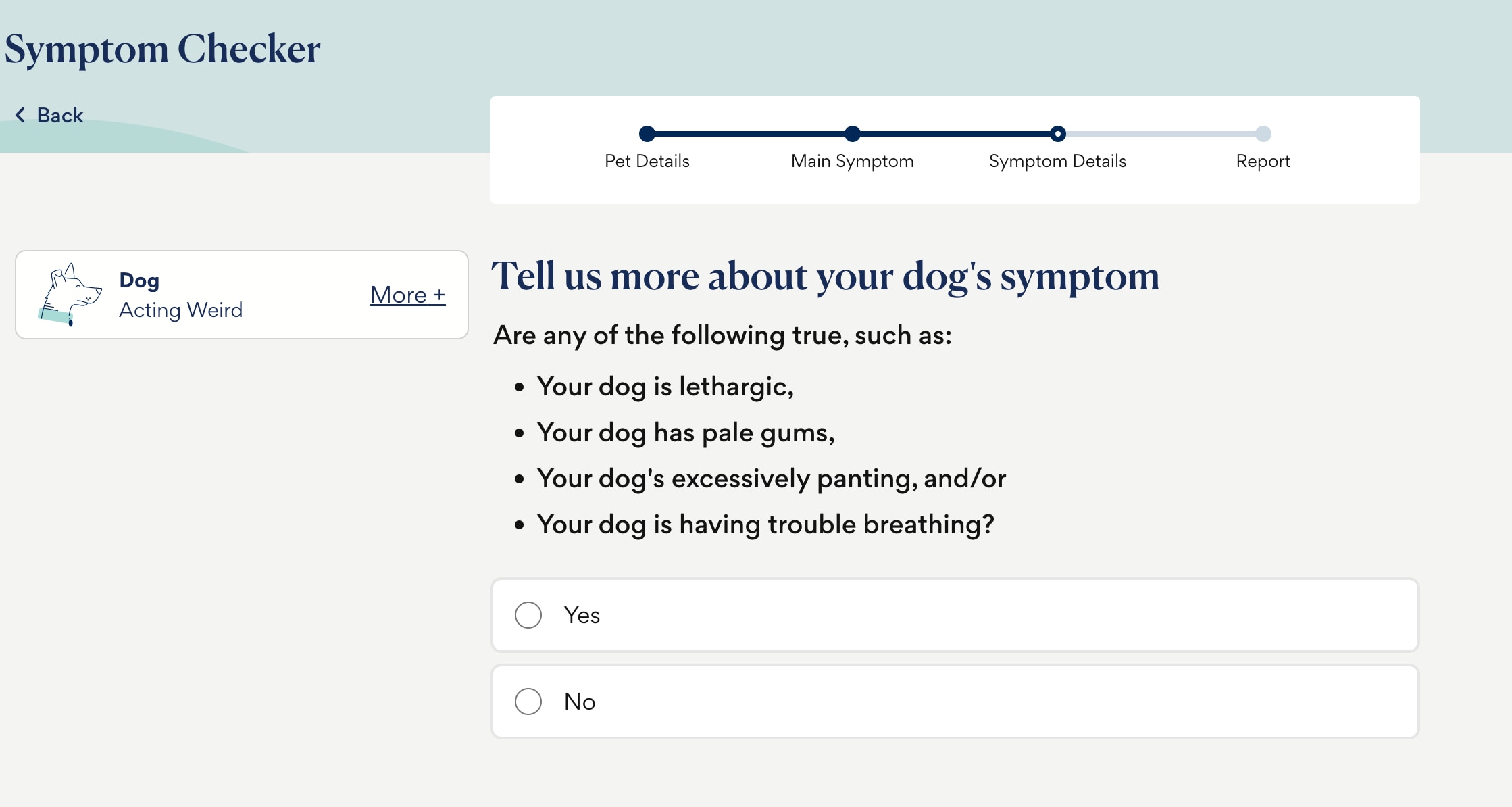
Using symptom checkers can help you better understand your dog’s health signs. These tools offer quick insights based on symptoms you observe. They help you decide if your dog needs urgent care or simple monitoring. Symptom checkers are handy for initial guidance and reduce guesswork.
They are easy to use and accessible online anytime. Just enter your dog’s symptoms, and the tool suggests possible causes. This saves time and helps you prepare before visiting a vet. Still, knowing how they work and their limits is key to using them well.
How They Work
Symptom checkers use databases of common dog illnesses and symptoms. They match your input with known patterns to suggest possible conditions. Most tools ask simple questions about your dog’s behavior and physical signs. After processing, they offer advice on what might be wrong.
Some checkers also suggest home care tips or whether to seek veterinary help. The process is fast and user-friendly. It helps you spot urgent issues early and avoid unnecessary panic. These tools act as a first step in dog health assessment.
Limitations To Consider
Symptom checkers cannot replace a vet’s diagnosis. They rely on the accuracy of your observations and inputs. Some symptoms overlap in many illnesses, making exact matches difficult. Complex or rare conditions may be missed or wrongly suggested.
Checkers do not perform physical exams or tests. They may not notice subtle signs only a vet can detect. Avoid using them as the only source of advice. Use symptom checkers as a guide, not a final answer.
When To Rely On Professionals
Contact a vet immediately if your dog shows serious symptoms. These include trouble breathing, seizures, or severe pain. Blood in vomit or stool also needs urgent medical attention. If your dog refuses to eat or drink for hours, call your vet.
For mild or unclear symptoms, use the symptom checker to decide. Still, follow up with a professional if symptoms worsen or last long. Vets provide precise diagnosis through exams and tests. Trust their expertise for your dog’s health and safety.

Credit: www.skylineanimalclinic.net

Credit: www.petmd.com
Frequently Asked Questions
When To Worry About A Sick Dog?
Worry if your dog vomits repeatedly, shows blood in vomit or stool, has extreme lethargy, refuses water, or shows breathing trouble. Seek urgent vet care for seizures, bloating, collapse, or toxin ingestion. Monitor mild symptoms but call your vet if conditions worsen.
How Do I Figure Out What’s Wrong With My Dog?
Observe your dog’s behavior, appetite, and symptoms like vomiting or lethargy. Note any changes and unusual signs. Contact a vet immediately if symptoms worsen or include blood, difficulty breathing, or severe pain. Early professional advice helps diagnose and treat your dog’s health issues effectively.
What Is A Common Sickness In Dogs?
A common sickness in dogs is canine distemper, a contagious viral infection affecting respiratory and nervous systems. Symptoms include coughing, fever, and lethargy.
What Is A Silent Killer In Dogs?
A silent killer in dogs is often heart disease or bloat (GDV). These conditions develop quickly and show subtle early signs. Watch for lethargy, bloating, difficulty breathing, or sudden weakness. Immediate vet care can save your dog’s life.
Conclusion
Knowing common dog illness symptoms helps protect your pet’s health. Watch for changes in behavior, appetite, or bathroom habits. Act quickly if you see vomiting, lethargy, or unusual signs. Early detection can prevent serious problems and save lives. Always contact your vet with concerns to get proper advice.
Caring for your dog with attention and care makes a big difference. Stay alert and keep your furry friend happy and healthy every day.
