




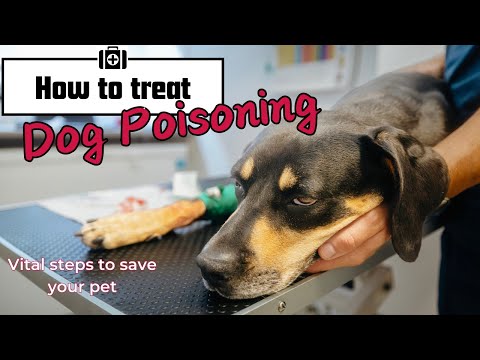
Imagine the panic when you realize your dog has just eaten something toxic. You want to act fast, but you might not know the exact steps to take.
What should you do first? How can you help your furry friend survive this emergency? In this guide, you’ll learn clear and simple actions to take if your dog eats something poisonous. Knowing these steps could save your dog’s life, so keep reading to find out how to stay calm, what signs to watch for, and when to get help immediately.
Your dog depends on you—let’s make sure you’re ready.
Recognize Poisoning Signs
Recognizing poisoning signs in dogs is crucial for quick action. Early detection can save your dog’s life. Knowing what symptoms to watch helps you act fast and get proper care. Dogs cannot tell us when they feel sick. Observing their behavior and physical state is key. Below are common symptoms, behavioral changes, and physical signs to look for.
Common Symptoms In Dogs
Vomiting and diarrhea often signal poisoning. Excessive drooling or foaming at the mouth is another sign. Weakness or collapse can occur with serious toxins. Seizures may happen if poisoning affects the nervous system. Rapid breathing or difficulty breathing should raise alarm. Loss of appetite and lethargy are early warning signs. These symptoms require immediate veterinary attention.
Behavioral Changes To Watch For
Sudden restlessness or agitation can indicate poisoning. Your dog may hide or avoid contact. Confusion or disorientation is a serious red flag. Excessive whining or unusual vocalization shows distress. Some dogs become overly aggressive or defensive. Watch for trembling or shaking without cause. These changes often appear before physical symptoms.
Physical Indicators Of Toxicity
Pale or yellow gums suggest internal problems. Swelling of the face, lips, or tongue is dangerous. Uncoordinated movements or staggering gait may occur. Blood in vomit, stool, or urine signals severe poisoning. Dilated or constricted pupils are common signs. Skin redness or rash can appear with some toxins. Always check for unusual physical signs after exposure.
Immediate Actions To Take
Discovering your dog has eaten something toxic is frightening. Quick and correct actions can save your pet’s life. Immediate care focuses on safety and minimizing harm. Knowing the right steps helps you act fast and calmly.
Stay Calm And Assess The Situation
Keep calm to think clearly and help your dog effectively. Check your dog’s behavior and symptoms like vomiting or weakness. Try to identify the toxic substance your dog ate. This information is vital for the vet. Avoid panic to make better decisions quickly.
Remove Access To The Toxin
Stop your dog from eating more of the harmful substance. Safely remove the toxin from your dog’s reach. Clear the area to prevent further exposure. Keep other pets and children away from the toxin. This reduces the risk of more accidents.
Avoid Home Remedies
Do not give your dog any medicine or food without vet advice. Home remedies can worsen the situation or cause new problems. Call your veterinarian immediately for professional guidance. Follow their instructions carefully for the best outcome. Quick expert help is crucial in poisoning cases.
Contacting A Veterinarian
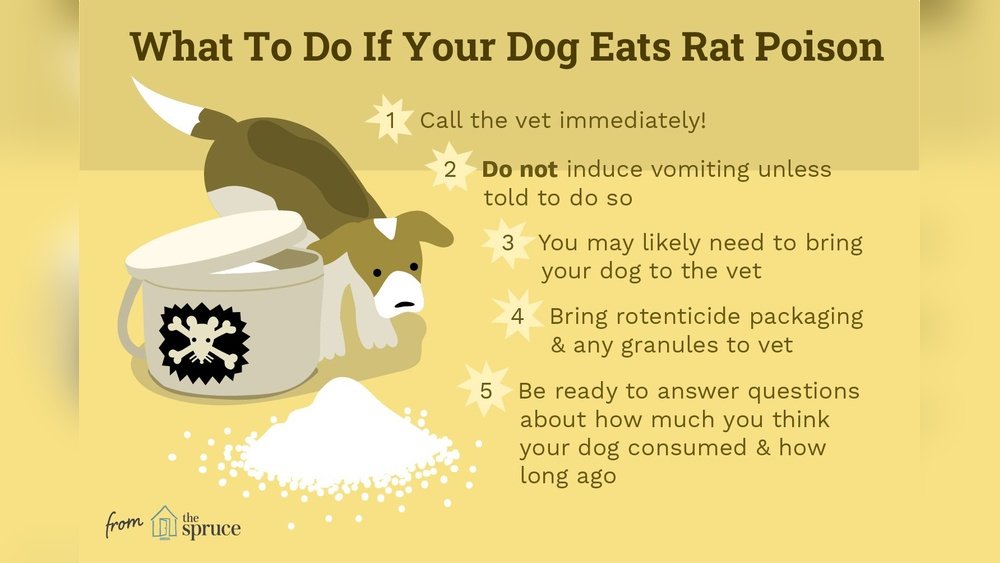
Contacting a veterinarian is the most important step if your dog eats something toxic. Quick action can save your dog’s life. Vets have the knowledge and tools to treat poisoning safely. Do not wait to see if symptoms appear. Immediate professional advice ensures the best outcome for your pet.
What Information To Provide
Give clear details about what your dog ate. Include the name of the substance or product. Mention the quantity your dog consumed. Note the time when the ingestion happened. Describe any symptoms your dog shows. Share your dog’s age, weight, and health history. This information helps the vet decide the right treatment fast.
When To Seek Emergency Care
Call emergency care if your dog has trouble breathing. Look for severe vomiting or diarrhea. Watch for seizures or loss of consciousness. Immediate help is critical if your dog collapses. Persistent drooling or excessive weakness also needs urgent care. Do not delay calling emergency services for serious symptoms.
Preparing For The Vet Visit
Keep the toxic substance packaging or sample to show the vet. Write down the details you already shared with the vet. Bring your dog’s medical records if available. Keep your dog calm and secure during transport. Avoid giving any home remedies before vet advice. Follow the vet’s instructions closely for the safest care.
First Aid Measures
When a dog eats something toxic, acting fast is crucial. First aid measures help reduce toxin effects before professional care. Immediate steps can protect your dog’s health and improve recovery chances. Stay calm and follow clear actions.
Hydration And Flushing Toxins
Giving fresh water helps flush toxins from your dog’s system. Water supports kidney function to remove harmful substances. Offer small amounts frequently to avoid vomiting. Avoid sugary or flavored drinks as they may worsen symptoms. Clean water is the safest and most effective choice.
Activated Charcoal Use
Activated charcoal can absorb some poisons in the stomach. It binds toxins and prevents absorption into the bloodstream. Only use activated charcoal if a vet recommends it. Dosage depends on your dog’s weight and the toxin type. Never give charcoal without professional guidance.
Inducing Vomiting: When And How
Vomiting may remove poison from your dog’s stomach. Do not induce vomiting unless a vet advises it. Some toxins cause more harm if vomited up. Use hydrogen peroxide only under veterinary instructions. Follow exact dosage and timing to avoid risks. Prompt veterinary help is always the best choice.
Aftercare And Monitoring
After your dog has eaten something toxic and received emergency care, aftercare and monitoring become crucial. Careful observation helps ensure your dog recovers safely and avoids further health problems. Watch your dog closely for any changes in behavior or symptoms. Keep your dog calm and comfortable during recovery. Follow all instructions given by your veterinarian to support healing.
Signs Of Recovery
Look for your dog eating and drinking normally again. Energy levels should improve gradually. Normal bowel movements and urination are good signs. Your dog should return to usual behavior and alertness. Breathing should be steady and without distress. Improvement in these areas shows your dog is healing well.
Potential Complications
Be aware of symptoms like vomiting or diarrhea that continue. Difficulty breathing or coughing may signal trouble. Sudden weakness or collapse requires immediate attention. Seizures or tremors can indicate severe poisoning effects. Watch for changes in gum color, such as pale or blue gums. These signs need prompt veterinary evaluation to prevent worsening.
Follow-up Vet Visits
Schedule all recommended vet check-ups to track recovery progress. The vet may perform blood tests to check organ function. Follow-up visits help catch any delayed effects of toxins. Keep a record of your dog’s symptoms and share updates with the vet. Do not skip appointments even if your dog seems fine. Timely follow-ups improve chances of a full recovery.


Credit: www.hillrag.com
Preventing Future Poisoning
Preventing future poisoning is key to keeping your dog safe and healthy. Taking simple steps around your home can reduce risks. Being cautious with dangerous items stops many accidents before they happen.
Dogs explore with their mouths. They often eat things they should not. Careful management of hazardous substances and foods protects them from harm.
Safe Storage Of Hazardous Substances
Store all chemicals, cleaners, and medicines out of your dog’s reach. Use locked cabinets or high shelves. Keep containers tightly closed. Avoid leaving harmful substances in open areas. This lowers the chance of accidental poisoning.
Checking Food And Plant Safety
Some human foods and plants are toxic to dogs. Avoid feeding your dog chocolate, grapes, onions, or garlic. Remove toxic plants from your yard and home. Always check if new foods or plants are safe before allowing your dog near them. This helps prevent accidental ingestion of poisons.
Awareness Of Toxic Products
Know which products pose poisoning risks to dogs. This includes antifreeze, rodent baits, pesticides, and some household cleaners. Keep these products stored securely. Read labels carefully to understand hazards. Being aware allows you to protect your pet better.
Common Toxic Substances
Dogs explore the world with their mouths, which sometimes leads to eating harmful substances. Knowing common toxic substances helps you act quickly. It reduces risks and protects your dog’s health.
Household Chemicals
Household chemicals pose a serious threat to dogs. Cleaners, detergents, and antifreeze contain poisons. Even small amounts can cause severe illness. Keep these products locked away and out of reach. Always read labels and store chemicals safely.
Dangerous Plants And Foods
Many common plants and foods are toxic to dogs. Chocolate, grapes, and onions can cause poisoning. Some plants like lilies, azaleas, and sago palms are also harmful. Avoid letting your dog chew on unknown plants or eat human food. Learn which plants and foods are dangerous for your dog.
Outdoor Hazards
Outdoor areas contain many risks for dogs. Pesticides, rat poison, and certain mushrooms can poison pets. Snail and slug bait is also toxic. Always supervise your dog outside. Remove any harmful substances from your yard. Be cautious during walks in parks or woods.


Credit: www.bostonveterinary.com


Credit: www.directline.com
Frequently Asked Questions
How To Flush Out Poison From A Dog?
Provide fresh water to help flush toxins. Avoid home remedies. Contact your veterinarian immediately for treatment like activated charcoal or induced vomiting. Act fast to improve recovery chances.
How Do I Flush Toxins Out Of My Dog?
Provide fresh water to keep your dog hydrated and help flush toxins. Avoid home remedies. Contact your veterinarian immediately for proper treatment, which may include activated charcoal or supportive care. Always act fast to improve your dog’s recovery chances.
What Can I Give My Dog To Flush Out His System?
Give your dog plenty of fresh water to help flush toxins. Avoid home remedies and contact your vet immediately for proper treatment.
Can A Dog Survive Toxic Poisoning?
Dogs can survive toxic poisoning if treated quickly. Survival depends on toxin type, amount ingested, and prompt veterinary care. Seek immediate vet help for best outcomes.
Conclusion
Act quickly to protect your dog’s health after toxin exposure. Keep calm and gather all information about the substance eaten. Provide fresh water to help flush toxins naturally from their system. Contact your veterinarian immediately for the best advice and treatment.
Early action improves your dog’s chance of recovery. Watch for any unusual signs and follow professional guidance carefully. Always keep hazardous items out of your dog’s reach to prevent accidents. Stay informed to keep your dog safe and healthy every day.